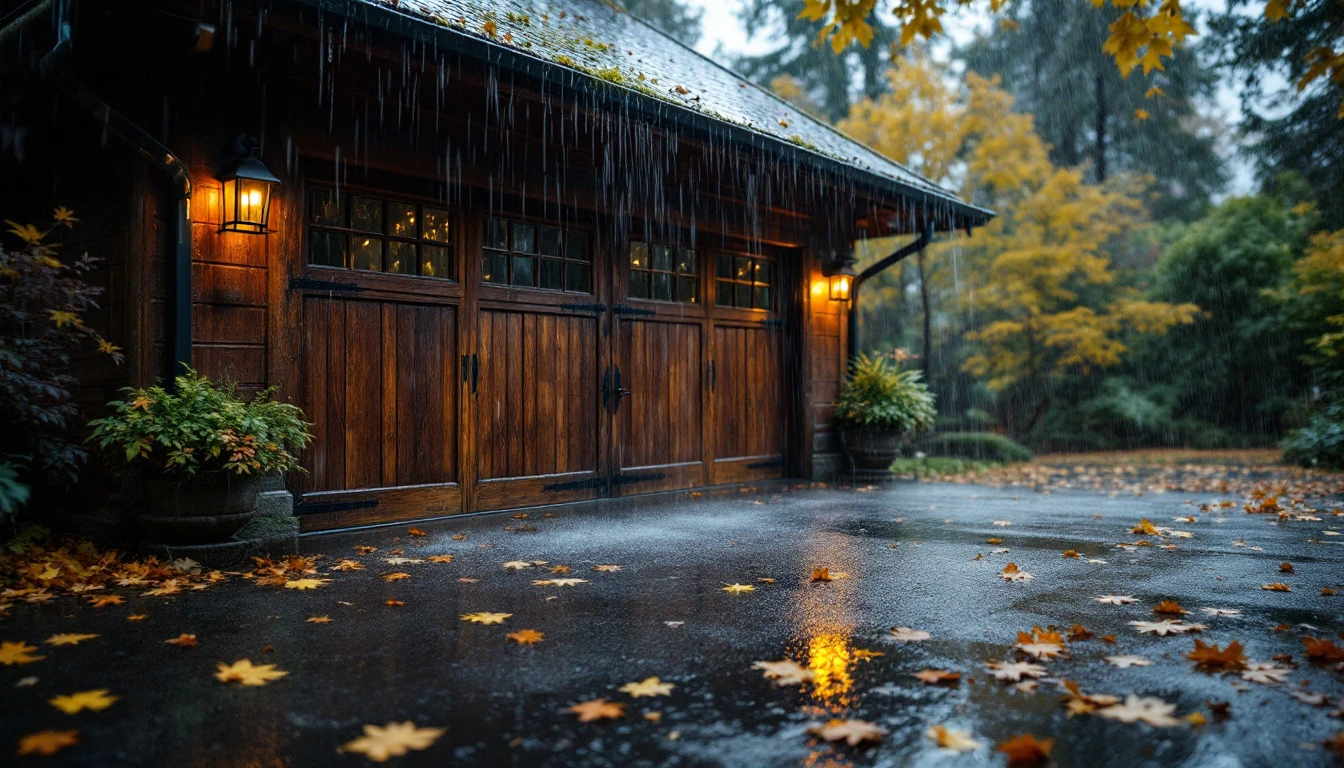
Why October Matters for Portland Garages: Preparing Your Rainy Season Garage Drainage
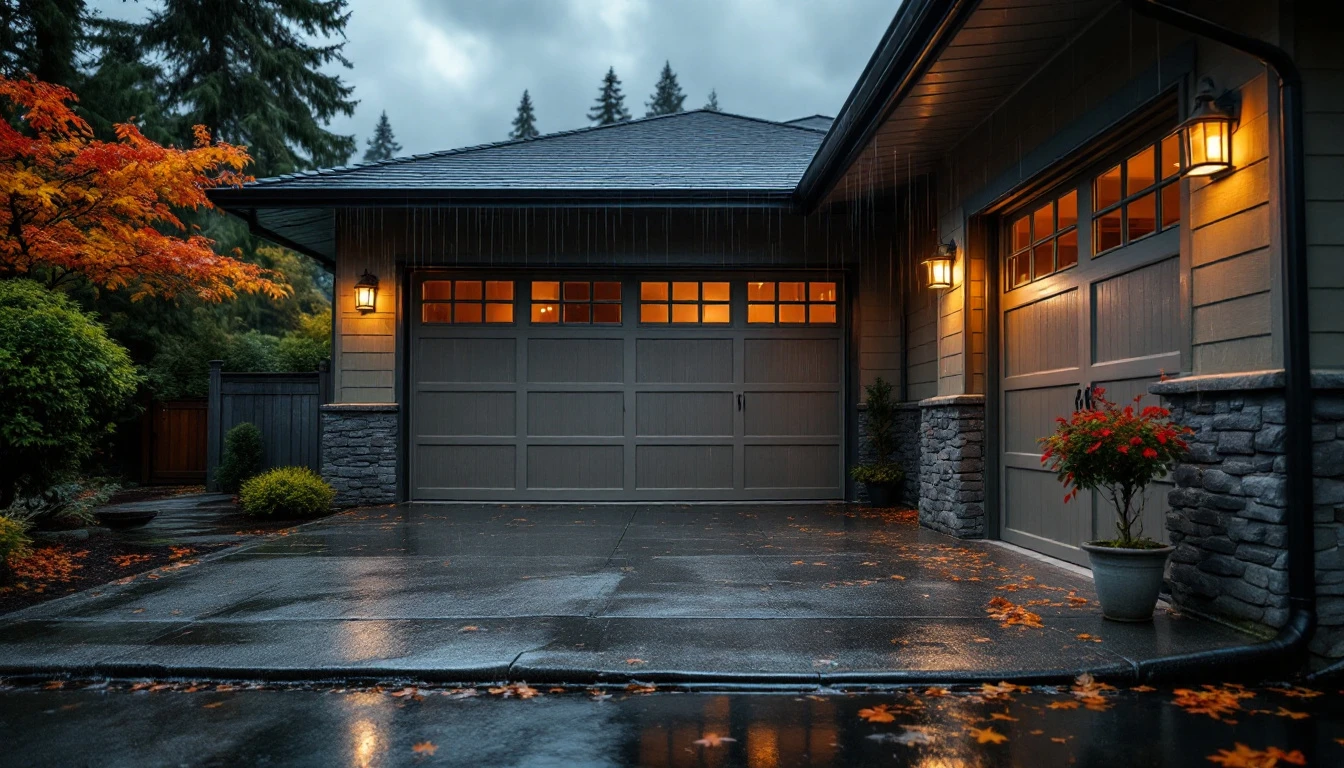
October marks the return of heavy rainfall in Portland, making it the perfect time to inspect your garage for water vulnerabilities. As the rainy season approaches, understanding your rainy season garage drainage Portland system becomes essential before the November deluge arrives.
November rains in Portland average 5-6 inches
November brings Portland its heaviest rainfall of the season, with 5-6 inches typically falling each month starting right after Halloween. This persistent moisture tests every seal, weatherstrip, and threshold around your garage door.
When these protective barriers fail, water intrusion becomes expensive fast—homeowners face repair bills ranging from $2,500 to over $8,000 to address damaged flooring, wall framing, insulation, and stored belongings.
That’s why checking your garage’s water defenses now matters so much.
October is the ideal window before heavy
October is the ideal window before heavy precipitation begins, giving Portland homeowners a dry, mild stretch to complete essential inspections. Most inspection and preventive work takes under one hour, making this a manageable task before November’s deluge arrives. You can walk through critical checkpoints—garage door seals, threshold gaps, and weatherstripping—in a single afternoon, identifying vulnerabilities while conditions remain favorable for repairs.
Three Critical Inspection Points for Rainy Season Garage Drainage
Before the November rains arrive, you need to examine three specific areas where water most commonly breaches your garage. These aren’t just maintenance suggestions—they’re your primary defense against thousands of dollars in flood damage.
- Door seals and weatherstripping form the first line of protection along every edge where your garage door meets the frame and floor. Over time, rubber deteriorates from UV exposure and temperature swings, while debris lodged in tracks prevents doors from closing completely. When these barriers fail, driving rain pushes straight through the gaps.
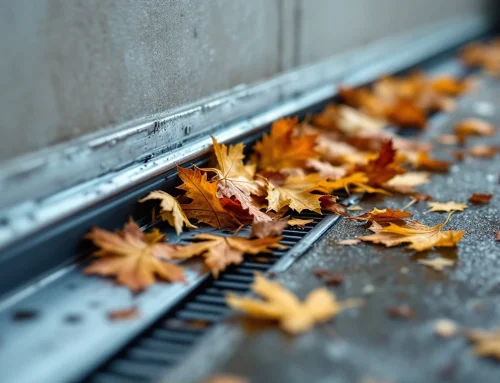
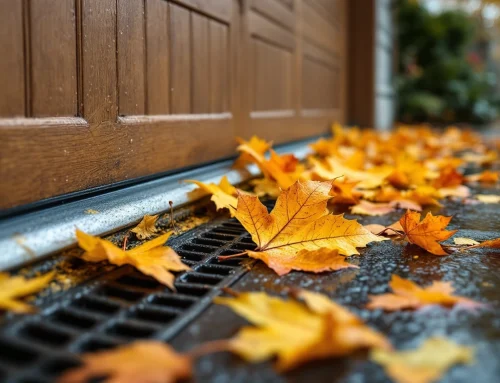
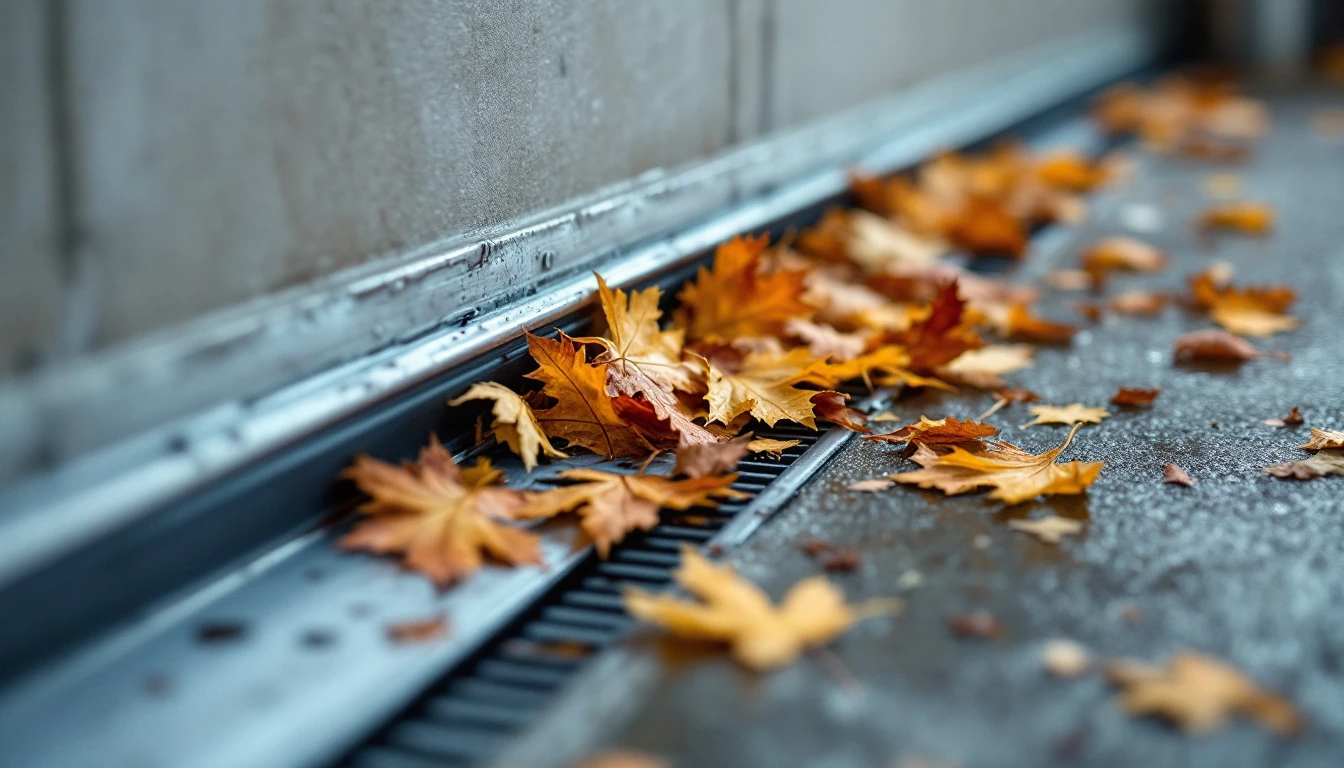
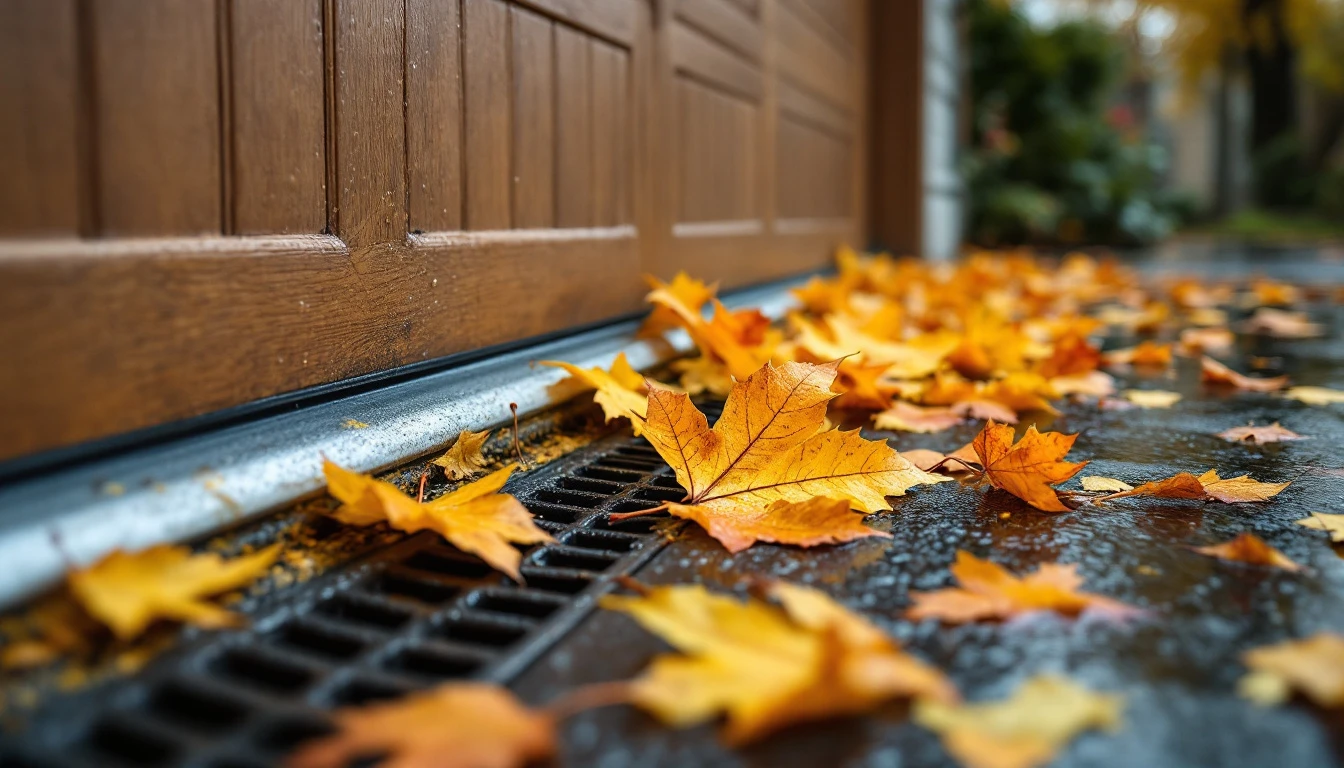
- Drainage systems around your foundation and across your garage floor determine where water flows during heavy storms. Gutters clogged with fall leaves, downspouts aimed toward the foundation, and floor drains blocked by dust and debris create standing water that finds its way inside. These systems work only when water has a clear path away from your garage.
- Foundation gaps and cracks may seem minor during dry months, but they become water highways when Portland’s seasonal rains begin. Poor initial installation, settling, and freeze-thaw cycles create openings that widen each year, allowing moisture to seep through concrete and compromise your garage’s structural integrity.
Door Seals and Weatherstripping
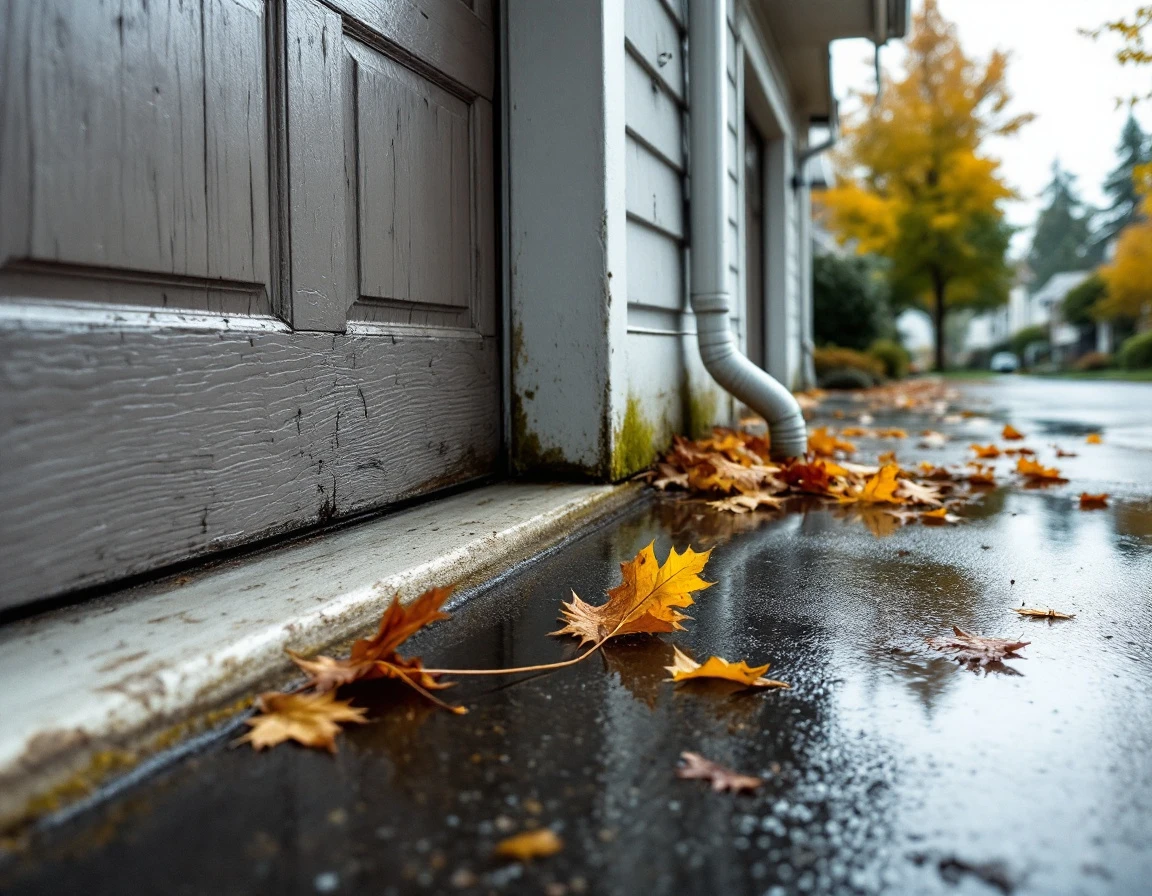
Your garage door’s rubber seals and weatherstripping serve as the first barrier against Portland’s relentless November downpours. These flexible components wrap around your door’s perimeter and bottom edge, creating a tight seal when the door closes. Over time, they deteriorate—and when they fail, water flows freely onto your garage floor.
Start your inspection by closing the garage door and turning off the interior lights. Stand inside and look carefully around the entire door perimeter. Do you see daylight peeking through? Any visible light means water will find its way in during the next rainstorm. Check garage seals before Oregon rain arrives by running your hand along the bottom seal where the door meets the concrete, feeling for hardness, cracks, or sections that have pulled away from the door.
What causes these seals to fail? UV exposure from sunlight gradually breaks down rubber compounds, while Portland’s temperature swings between cold winter nights and warmer days cause the material to expand and contract repeatedly. Age alone makes weatherstripping brittle—most seals need replacement every five to seven years.
Here’s your go/no-go decision point: if you spot light coming through, feel hardened rubber that’s lost its flexibility, or notice water dripping onto your garage floor during rain, replacement is needed before November arrives. Weatherstripping kits cost between twenty and sixty dollars and install easily with basic tools—most homeowners can complete the job in an afternoon. However, if you discover the door frame itself has warped or separated from the wall, call a professional. Frame damage requires structural assessment that goes beyond simple seal replacement.
Drainage Systems and Foundation Clearance
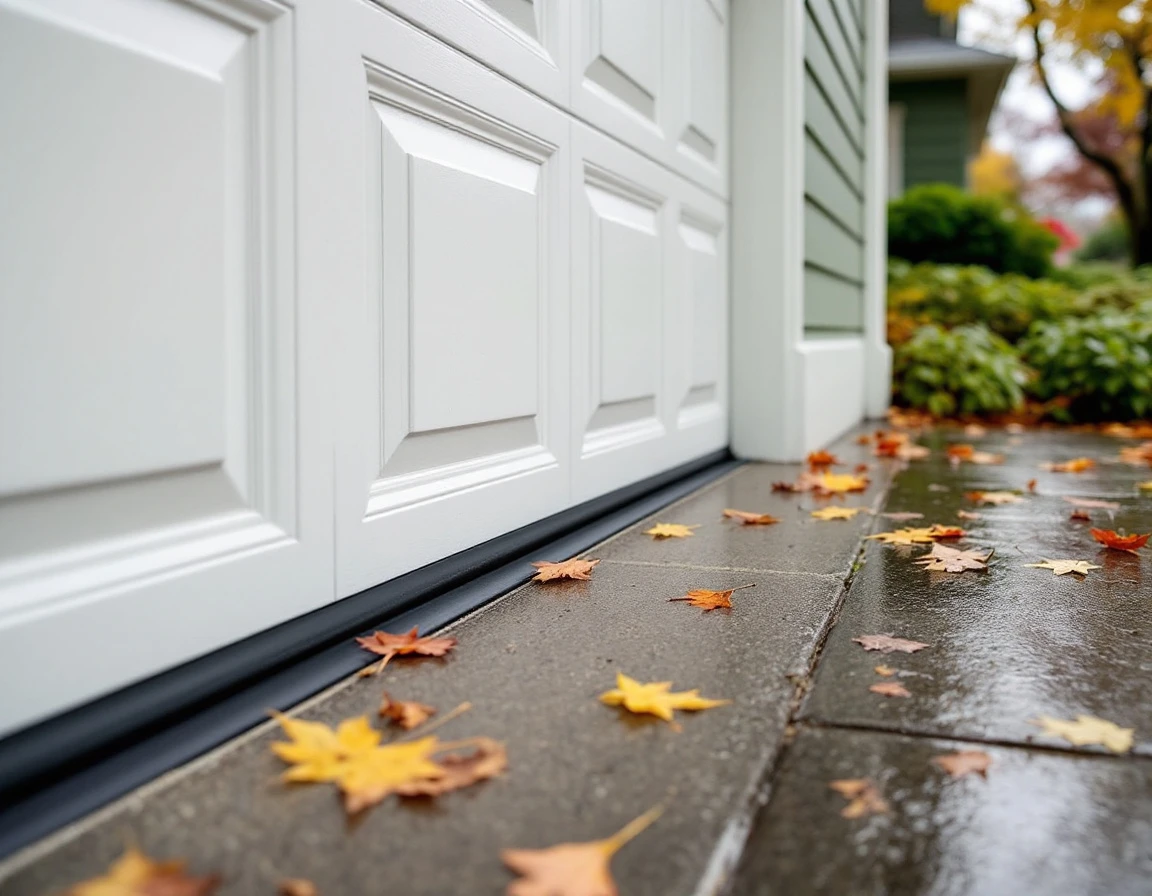
Water follows the path of least resistance—and if that path leads toward your garage foundation, you’re looking at potential damage long before you notice interior problems. The first line of defense? Your gutters and downspouts. Leaves, moss, and fir needles clog these channels throughout the year, forcing rainwater to overflow and pool directly against your foundation instead of draining away safely.
Walk the perimeter of your garage and check the ground slope. Soil should angle away from the foundation at a minimum grade, creating a gentle downward path for water. Look for telltale warning signs: standing water that persists hours after rain. Soggy patches near the foundation, or discolored stains along interior garage walls at ground level. These indicators suggest your grading has settled or eroded over time.
Here’s your action plan for garage drainage system inspection Portland: Clear all gutters and downspouts before the first heavy rain. Remove debris from perimeter drains if your garage has a foundation drainage system installed. During the next rainfall, step outside and observe where water flows. Does it move away from the structure, or does it linger near walls?
Most gutter cleaning and minor grading adjustments fall within DIY territory. But if you notice consistent pooling despite clear gutters. Or if soil has settled more than two inches below its original grade line, contact a drainage contractor or grading specialist. Foundation water issues compound quickly—addressing them now saves you from expensive interior repairs later.
Foundation Cracks and Penetrations
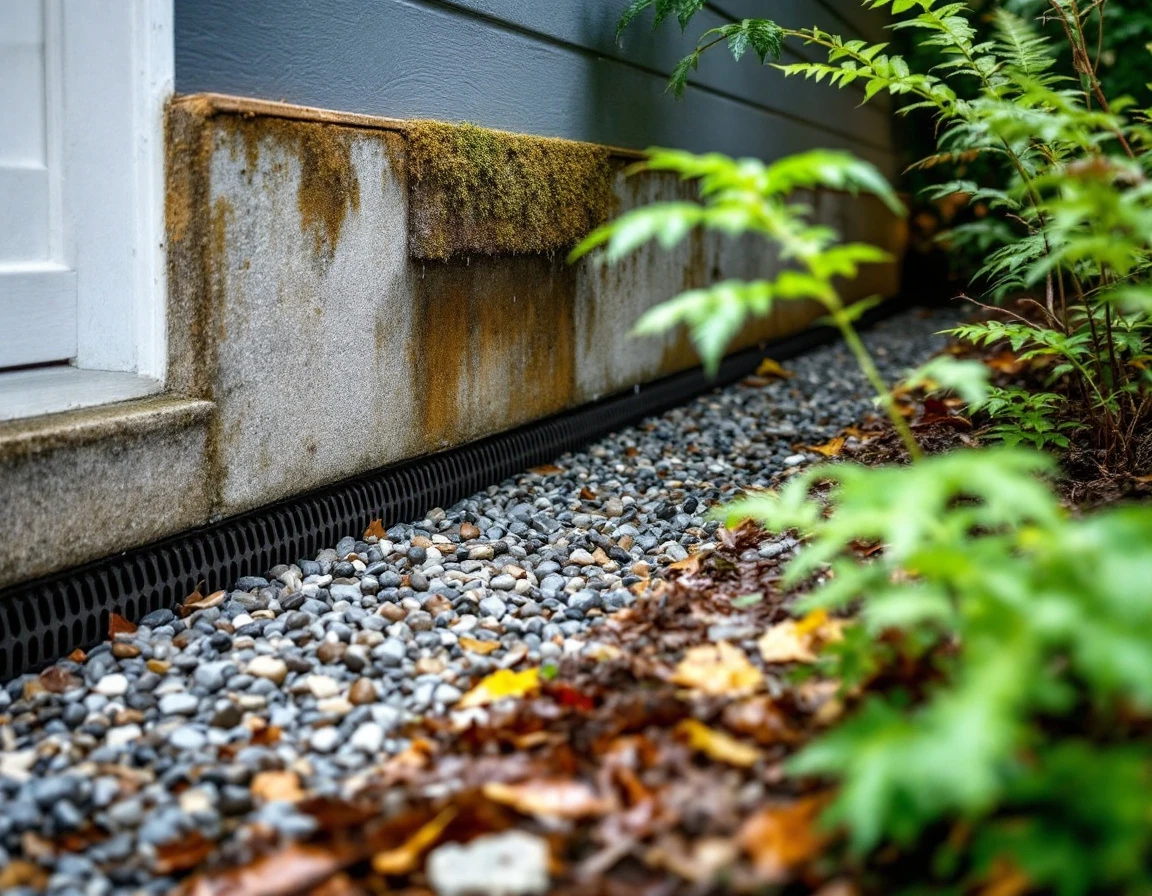
Concrete foundations naturally develop hairline cracks over time as they settle and respond to temperature changes. While small cracks pose no structural threat, October’s rain pressure can force water through these openings and into your garage, creating puddles along the floor-to-wall joint or around visible gaps.
Start your inspection by walking the interior perimeter of your garage foundation. Look closely at the seam where the concrete floor meets the wall—this joint is a common entry point for water. Check for any visible cracks in the foundation wall itself, paying special attention to corners and areas around utility penetrations where pipes or cables enter.
Here’s your decision framework: hairline cracks and gaps up to 1/4 inch wide can be sealed with polyurethane or concrete crack filler from any hardware store. This DIY fix requires only basic materials readily available at most retailers and takes less than an hour to complete. Apply the sealant before the rains arrive, and you’ve closed off a major vulnerability.
Cracks wider than 1/4 inch, cracks that show active moisture or white mineral deposits, or any crack that appears to run horizontally across the foundation wall require professional assessment.
These may indicate structural movement that needs expert evaluation before sealing. Spending a small amount on crack sealant now protects your home from the costly water damage that November storms can inflict on an unrepaired foundation.
When to DIY vs. Call a Professional
Most October garage prep falls within reach of confident homeowners. Replacing weatherstripping, clearing debris from gutters, and sealing hairline cracks with flexible caulk require only basic tools and an afternoon. These tasks save money and prevent minor issues from escalating before November rains arrive.
But some problems demand licensed contractors. Foundation repair, major grading work, and persistent leaks during rainfall involve structural systems that DIY fixes can’t address safely. If you see visible mold growth, active water intrusion during rain, or signs of foundation settling—cracks wider than a credit card, doors that won’t close properly, or gaps that reappear after sealing—call a professional before attempting repairs yourself.
Previously attempted repairs that failed also signal deeper issues. A crack you sealed last spring that’s leaking again likely stems from foundation movement or hydrostatic pressure that requires expert diagnosis. Water stains, efflorescence (white mineral deposits), or musty odors point to moisture problems beyond surface fixes.
Timing matters as much as scope. Scheduling inspections and repairs in mid-to-late October avoids contractor backlogs that build through November. Calling a pro early—before water damage occurs—costs far less than emergency repairs after interior flooding or mold remediation. Prepare your garage for wet season Oregon weather with proactive planning now, if you’re handling weatherstripping yourself or bringing in experts for foundation work. Small preventive action now prevents large costs later.