Why Autumn Leaves Clog Garage Systems: A Portland Guide
As October arrives in Portland, falling leaves create hidden hazards for garage doors and drainage systems. Autumn debris accumulates in three critical zones: door tracks, floor drains, and foundation perimeter gutters. Each of these areas plays a vital role in protecting your garage from water damage and mechanical failure. Understanding how garage door drain clogging leaves Portland homeowners face is the first step toward preventing costly damage before winter rains peak.
What makes Pacific Northwest fall weather particularly challenging? Unlike dry climates where leaves blow away easily, our persistent drizzle and morning fog cause leaves to stick to surfaces. Wet leaves quickly decompose into a dense, sludge-like material that adheres to door tracks and blocks drainage pathways far more stubbornly than dry debris ever could.
When drainage pathways become blocked before winter rains arrive, water damage and foundation issues develop rapidly. A clogged floor drain can’t channel water away from your foundation, creating pooling that seeps into concrete and compromises structural integrity. Similarly, leaves packed into door tracks trap moisture against metal components, accelerating rust and causing alignment problems.
Early October is the best window for inspection and clearing. Taking action now—before seasonal rainfall peaks in November and December—prevents emergency repairs when weather conditions make the work harder and more expensive.
Has your garage already started collecting leaf debris? The time to address it is today.
Three Vulnerable Points in Your Garage
Where exactly does leaf debris turn from a minor nuisance into a genuine threat? Three specific zones in your garage act like magnets for fallen leaves, and each one poses distinct risks to your home’s drainage and door function.
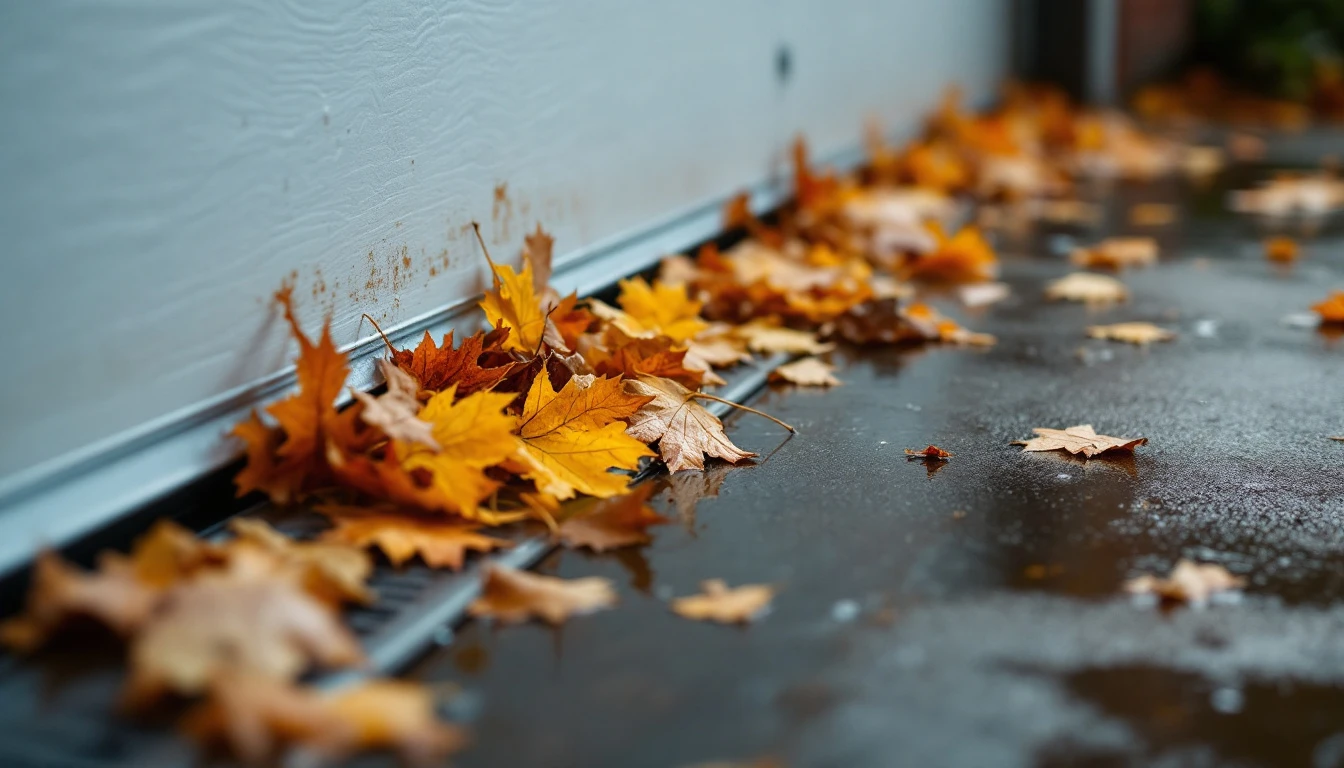
- The first vulnerable point is your garage door tracks. Particularly the horizontal sections where the door curves. As autumn winds blow leaves against your garage, they collect in these curved track areas, mixing with dust and moisture to form a sticky paste. You’ll spot trouble when you notice dark, soggy patches in the track or when your door hesitates during opening and closing. Leaves that pile onto the tracks get crushed and compacted. And Pacific Northwest humidity prevents it from drying out naturally. This garage door track leaf debris removal issue is particularly common in our region.
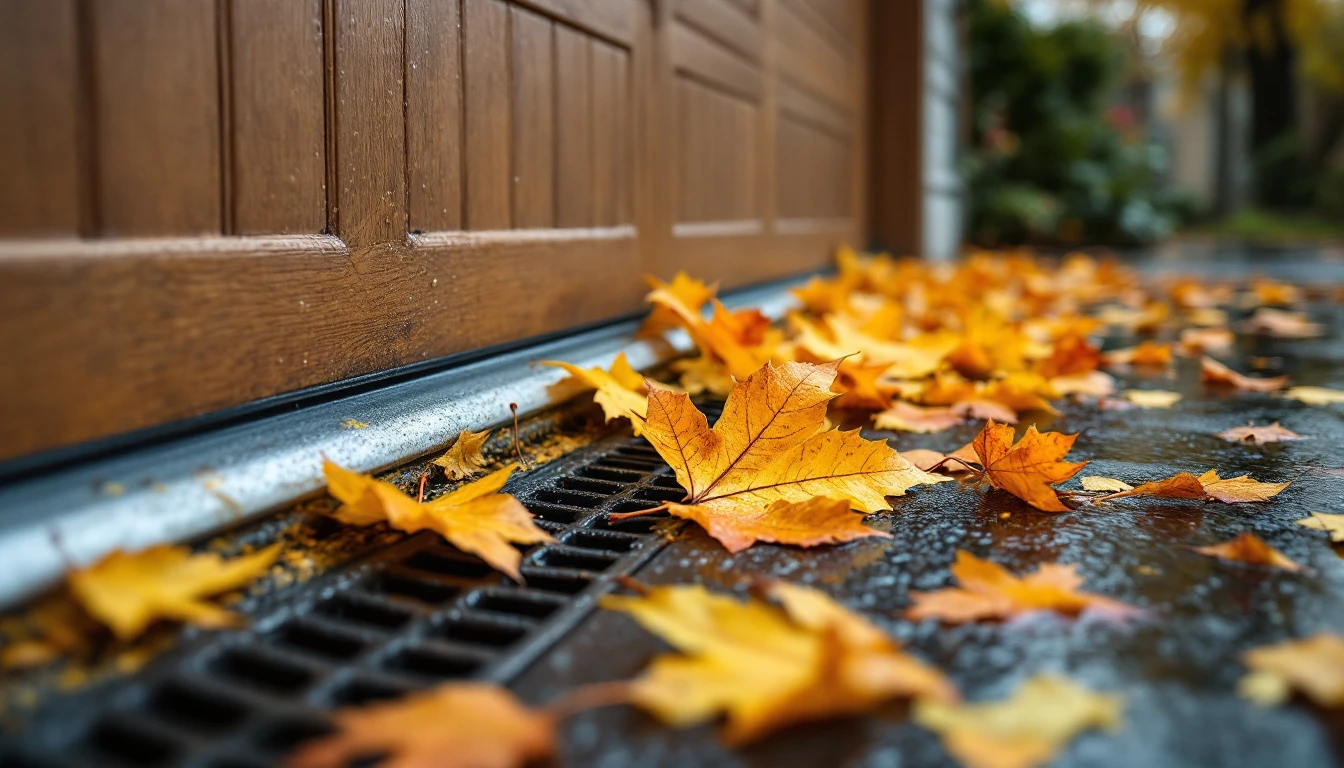
- Second, check your floor drains near the garage door and along foundation walls. These drains channel water away from your garage interior, but decomposing leaf matter creates a mulchy barrier that blocks water flow. Look for standing water pools or a musty smell near drain grates—both signal that leaves are decomposing below the surface. When autumn leaves block garage drains Oregon. They create conditions for serious water damage.
- The third critical zone is your foundation perimeter drainage channels running along the garage exterior. When leaves dam up against the foundation line, they force water to pool against basement walls instead of flowing away. Walk around your garage exterior and look for leaf buildup creating visible barriers along the foundation edge.
Take five minutes to inspect these three zones from both inside and outside your garage. Early visual detection—before leaves fully decompose—gives you time to clear problem areas before winter rains arrive.

Step-by-Step Clearing and Prevention
You don’t need specialized equipment to tackle fall debris before the November rains arrive. Grab your garden hose, a stiff-bristled brush, a small scoop or dustpan, and a pair of work gloves—tools already sitting in most Portland garages—and you’re ready to protect your investment.
Clearing Garage Door Tracks
Start with the door tracks since clogged channels put mechanical strain on your opener and rollers. Open the door fully and use your brush to sweep out leaf fragments and dirt from the horizontal sections where debris accumulates. Pay special attention to the curved portion where the vertical track transitions to horizontal—this bend traps moisture and creates that sticky paste we mentioned earlier. Wipe down the track with a dry cloth, then apply a silicone-based lubricant to keep the door moving smoothly through winter.
Flushing Floor Drains
Next, move to any floor drains in your garage. Remove visible debris with your scoop, then flush the drain with a strong stream of water from your hose. Watch how quickly the water drains away—slow drainage means there’s still a clog further down that might need a plumber’s snake. Learning how to unclog garage floor drain leaves naturally collect requires these basic steps. After clearing, pour a bucket of water down the drain monthly to prevent leaves from clogging garage drains during wet months.
Foundation Perimeter Channels
Finally, walk the perimeter of your garage and clear any channels or French drains near the foundation. Scoop out compacted leaves and test water flow with your hose. If water pools instead of draining away from the foundation, you’ve found a problem that could redirect moisture toward your basement walls during heavy rain.
Prevention That Pays Off
Once everything’s clear, install inexpensive mesh screens over floor drains and consider adding gutter extensions to direct roof runoff away from your garage foundation. These simple additions cut down on future maintenance and cost far less than emergency repair calls when water damage strikes.
Complete this entire sequence by late October, before the heavy rains typically begin in November, and you’ll enter winter with one less worry on your mind.
Garage Door Track Debris Removal
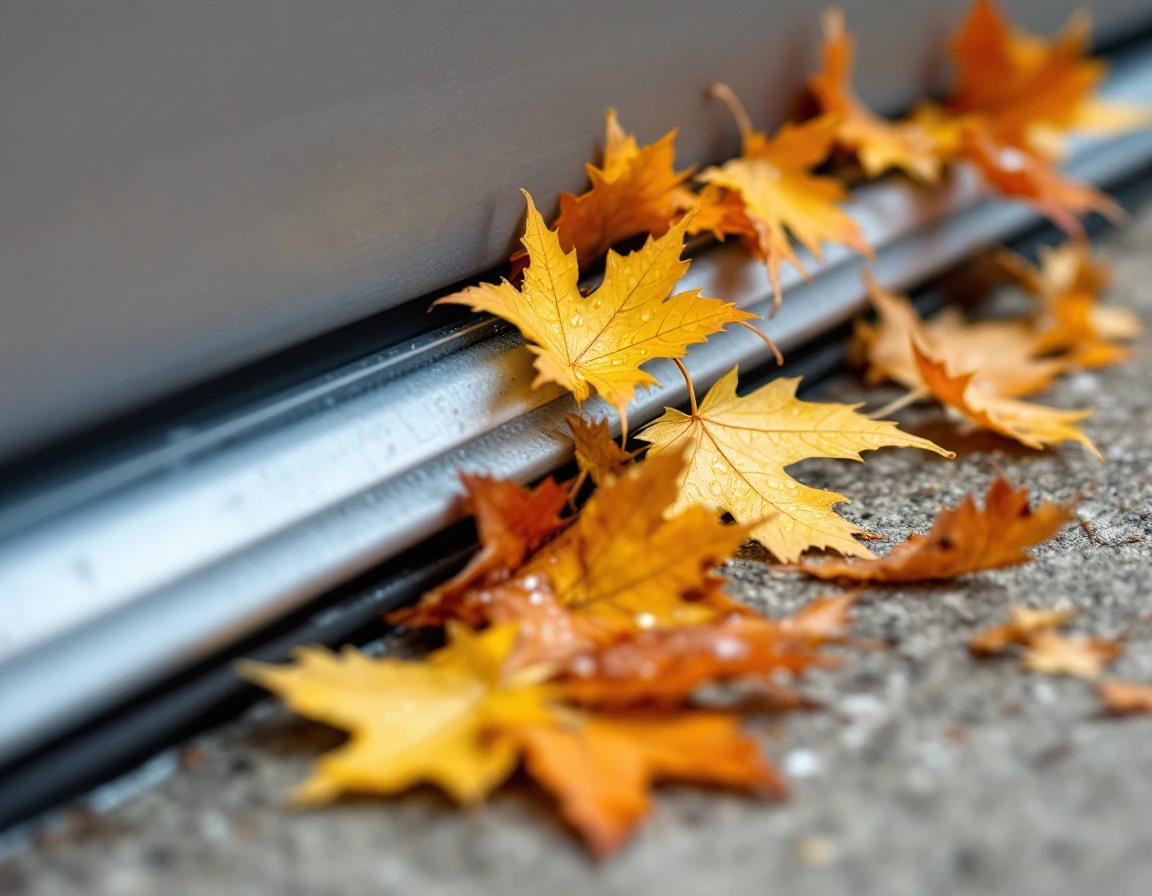
Before you begin, disconnect your garage door opener to prevent accidental activation during inspection. Remove standing water and soggy leaves from horizontal track sections first—debris compacts into thick paste in these areas, which prevents smooth door operation. Why does this matter so much in the Pacific Northwest? Wet leaves create water pockets that freeze during winter cold snaps, damaging tracks and rollers. Proper garage door track leaf debris removal done in fall prevents these winter failures.
Use a soft-bristle brush to sweep along track walls, dislodging compacted debris and mulch without scratching the aluminum surface. Work from the back of the track forward, pushing material toward the opening. Follow up with a garden hose fitted with a spray nozzle, flushing the channel with low-pressure water to verify drainage flows freely through the system.
Successful clearance reveals dry track, visible metal surfaces, and water flowing smoothly without pooling. This simple maintenance prevents costly emergency repairs when winter arrives.
Floor Drain and Foundation Flushing
Start by locating floor drains near your garage door threshold and along foundation walls—these are your most vulnerable spots during Portland’s wet season. Before you flush, remove visible leaf buildup and mulch from around the drain grates. Pushing debris deeper into the drain creates blockages that are harder to clear later. understanding how to clear garage drain clogged by leaves matters most.
After clearing surface debris, pour a bucket of water directly into each drain to test flow. Does water disappear quickly, or does it pool and drain slowly? Slow drainage means a partial clog that will fail during heavy November rains, sending water across your garage floor and toward foundation walls.
When standing water persists after clearing, you’re facing a deeper blockage that requires professional intervention. Without regular maintenance, outdoor drains can clog with leaves, soil, and tree roots. Causing standing water, flooding, and structural damage. Consistent garage floor drain maintenance fall season practices prevent these problems from developing.
When to Call a Professional
You’ve cleared your tracks, flushed your drains, and checked your foundation channels. But what if the water still won’t drain? Some clogging problems run deeper than surface debris, and recognizing the warning signs early can save you serious money and headaches.
- If you’ve cleared visible leaves but still face recurring clogs after DIY attempts. You’re likely dealing with blockages deeper in your drainage system. These situations often require professional camera inspection or hydro-jetting to reach compacted debris lodged in underground pipes.
- Water pooling in your garage after rainfall signals a drainage failure that won’t resolve with surface clearing—the system itself may need repair or reconfiguration.
- Foundation leaks or musty smells in adjacent rooms indicate that clogged drainage has already allowed water infiltration into structural spaces. This is no longer a maintenance issue—it’s a developing structural problem that requires immediate professional attention.
Here’s the cost reality: professional drain clearing typically runs between $200 and $500. Emergency water damage repairs? Those start at $1,000 and climb quickly depending on affected areas. Spending a few hundred dollars in October to clear a stubborn blockage prevents thousands in foundation repair come December when Portland’s rainy season brings heavy rainfall. If you’re seeing these warning signs, contact Garage Harmony today for an inspection before minor drainage issues become major structural headaches.