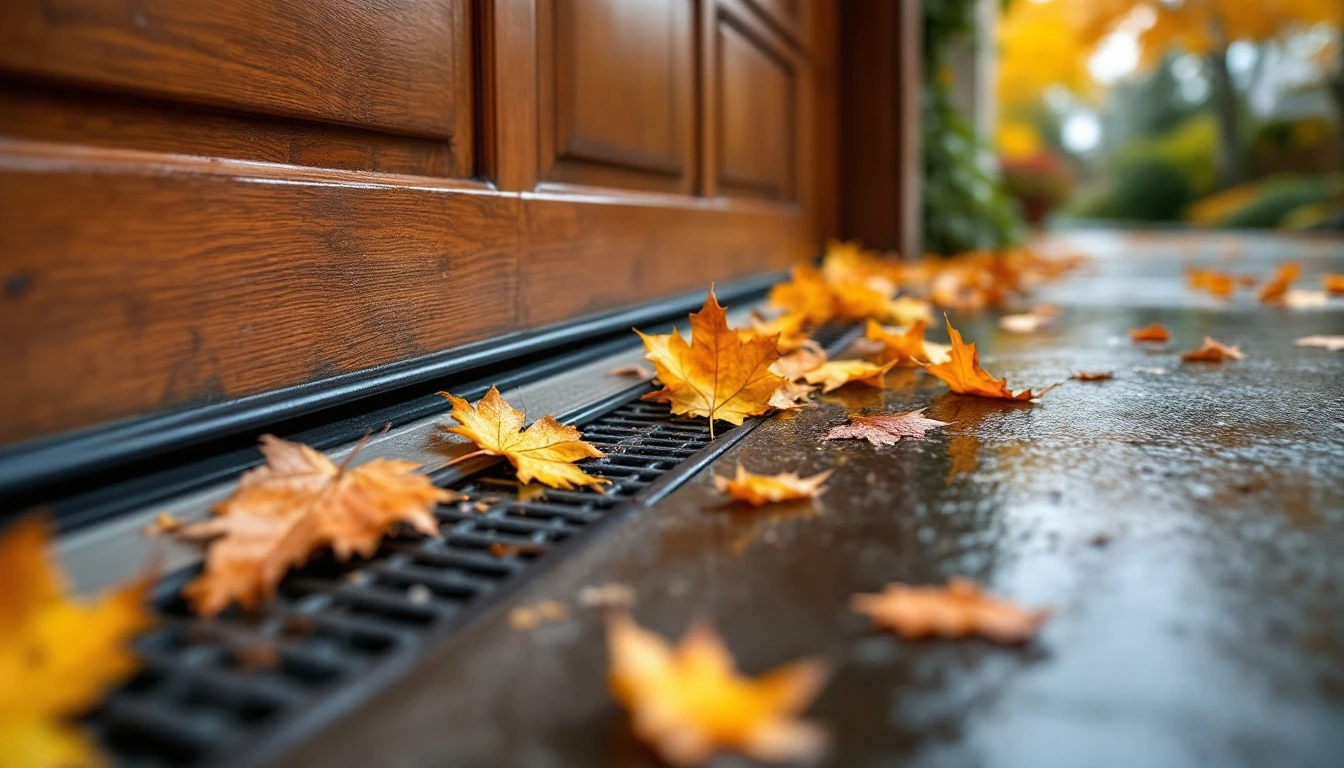
Fall Leaf Debris Impact on Garage Drains
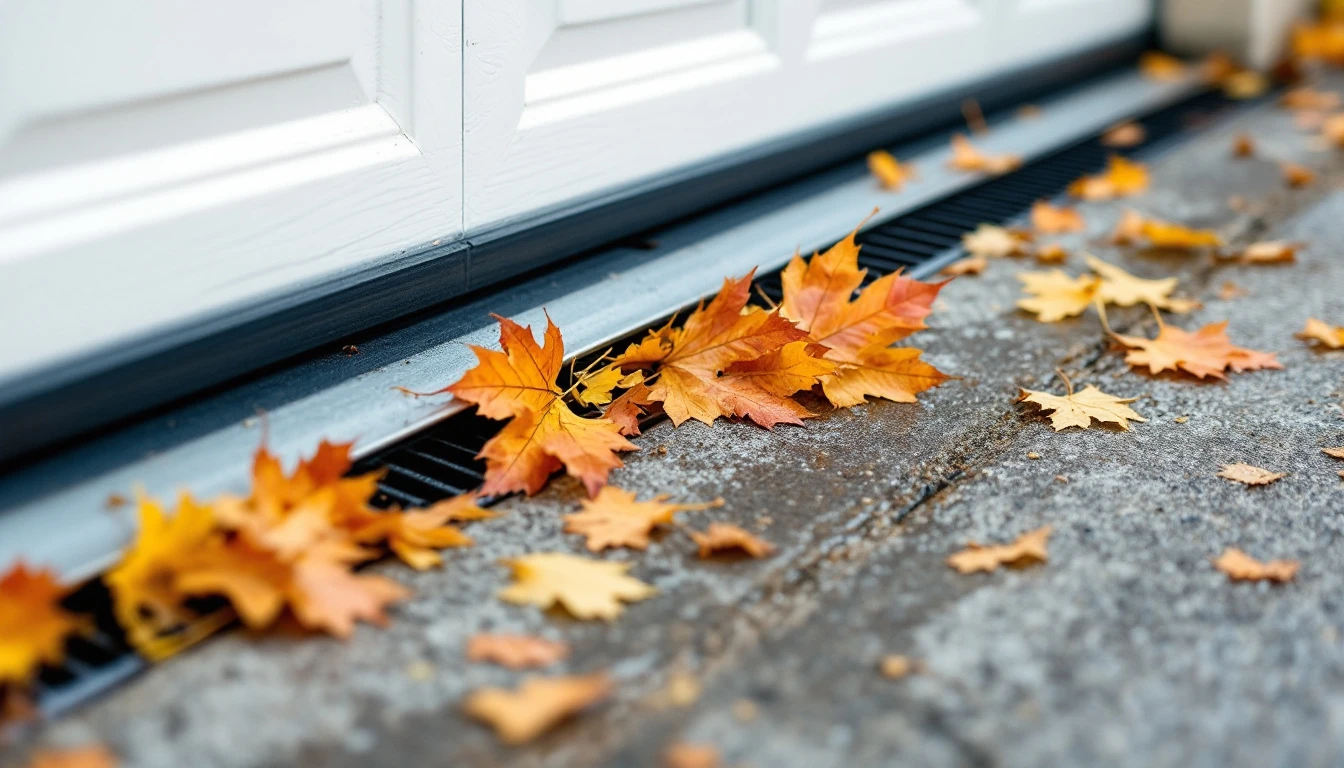
When autumn leaves accumulate around your garage, they create hidden risks for your drainage system. Clogged floor drains and blocked door tracks can lead to water backup, foundation damage, and costly repairs during Portland’s rainy season. Learning how to prevent falling leaves garage drain clog issues is your first line of defense against water damage and expensive emergency repairs.
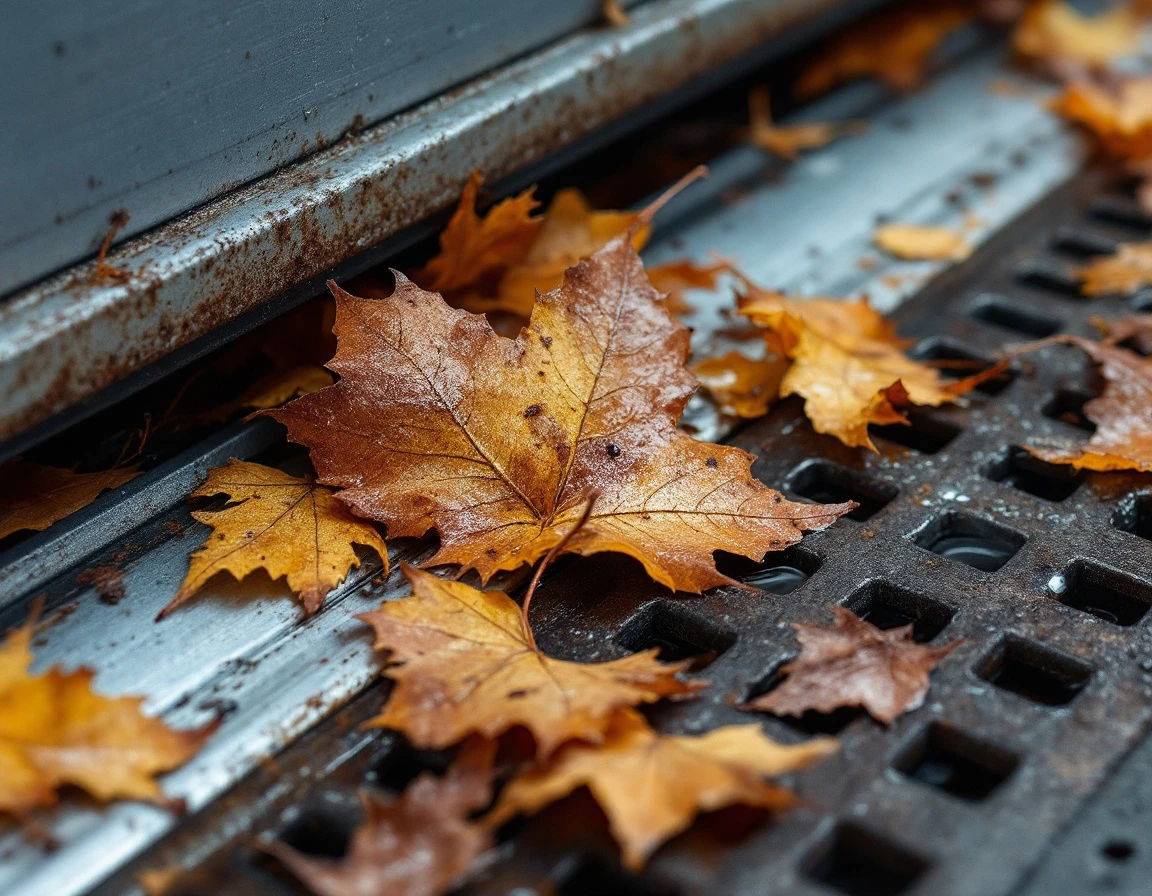
October Rainfall Combined with Falling Leaves
When October rains arrive, they combine with fallen leaves to create a perfect storm for garage floor drain blockages. Wet leaves compact into dense mats that seal drain openings, preventing water from flowing through properly. As debris accumulates, your garage becomes vulnerable to serious drainage problems.
Clogged drains don’t just slow water flow—they create standing water that can seep into your foundation and cause expensive water damage repairs. The longer water sits on your garage floor, the greater the risk of cracking concrete and compromising structural integrity.
Catching this problem early protects both your garage and your wallet.
Portland’s wet fall season makes October critical
Portland’s wet fall season makes October the critical month to act before the rainy season intensifies. While September brings the first scattered showers, October marks the transition into consistent rainfall that continues through spring. Waiting until November means working in persistent rain while addressing problems that could have been prevented.
Debris accumulation happens quickly as trees shed leaves throughout September and into October. A single mature tree can drop thousands of leaves in just a few weeks, and those leaves gravitate toward low points like garage floor drains and door tracks. Once the heavy rains arrive, that accumulated autumn leaf debris garage floor drain situations transform from a minor nuisance into a drainage emergency.
Three-Step Leaf Removal from Door Tracks
Before the Pacific Northwest rains arrive in full force, taking time to clear your garage door tracks can prevent operational problems and costly misalignment issues. Leaves and debris settle into specific areas of your door system, and knowing where to look makes the job faster and more effective.
Step 1: Identify Problem Areas in Your Track System
Start by examining the outer horizontal track channels that run along the ceiling on both sides of your door. These channels collect wind-blown leaves that enter through the garage opening. Next, check the inner track channels where the door rollers move—leaves wedged here can cause the door to jump or stick during operation.
Don’t forget the weatherstripping along the bottom and sides of the door frame. This flexible seal traps leaves against the track, where moisture from morning dew or light rain causes them to compact into stubborn blockages.
Step 2: Use Safe Manual Removal Tools
Avoid using metal scrapers or sharp tools that can scratch protective coatings or knock tracks out of alignment. Instead, reach for a soft-bristle brush or a shop vacuum with a crevice attachment to pull debris from track channels. For stubborn, damp leaves, a plastic putty knife works well without risking damage. Learning to clear leaves from garage door tracks safely protects both your door system and your drainage components from further complications.
Why does technique matter? Garage door tracks are precisely aligned—even a small bend or shift can cause the door to bind, wear unevenly, or create gaps that compromise your garage’s weather seal. Rushed or aggressive cleaning can turn a simple maintenance task into an expensive repair call.
Step 3: Establish a Weekly Maintenance Routine
During peak leaf-fall season—typically mid-September through early November in the Portland area—plan a quick five-minute track inspection each week. This prevents the buildup that leads to operational problems. Keep your vacuum and brush stored near the garage door so the routine becomes effortless.
If you notice leaves reappearing within days despite regular cleaning, or if your door begins to operate unevenly, contact Garage Harmony for a professional track inspection before minor issues become major problems.

Preventing Fallen Leaves Blocking Garage Drainage Systems
Where’s your garage floor drain located? Most attached garages have drains positioned either at the center of the floor or along the perimeter near the door opening. Start by locating yours and checking it weekly throughout fall, especially during October when leaf accumulation peaks. A quick visual inspection takes less than a minute but can prevent serious water damage.
How do you know if your drain needs attention? Standing water that lingers for more than a few hours after rain signals trouble. Slow drainage, musty odors, or visible leaf debris around the drain grate all indicate developing clogs. The earlier you catch these signs, the easier the fix.
For surface-level blockages, manual removal works best and protects your drain system. Use a wet/dry vacuum to pull out visible leaves and debris from the drain opening. You can also remove the grate and manually extract material within arm’s reach. Avoid using water pressure or forcing objects deep into the drain—these methods can push debris further down or damage drain lines.
Here’s the key distinction: if water drains slowly even after you’ve removed visible debris, or if you can’t reach the blockage, the clog has moved beyond DIY territory. Deep blockages require professional equipment like drain snakes or hydro-jetting tools. Forcing removal attempts on deeper clogs often makes the problem worse and more expensive to fix.
Clearing leaves from your drain now—before the October rains arrive in full force—prevents those minor surface clogs from becoming major winter emergencies.
A backup during heavy rain can flood your garage, seep into your foundation, and create thousands in repair costs. Weekly inspections and simple manual removal keep your drain flowing freely when you need it most.
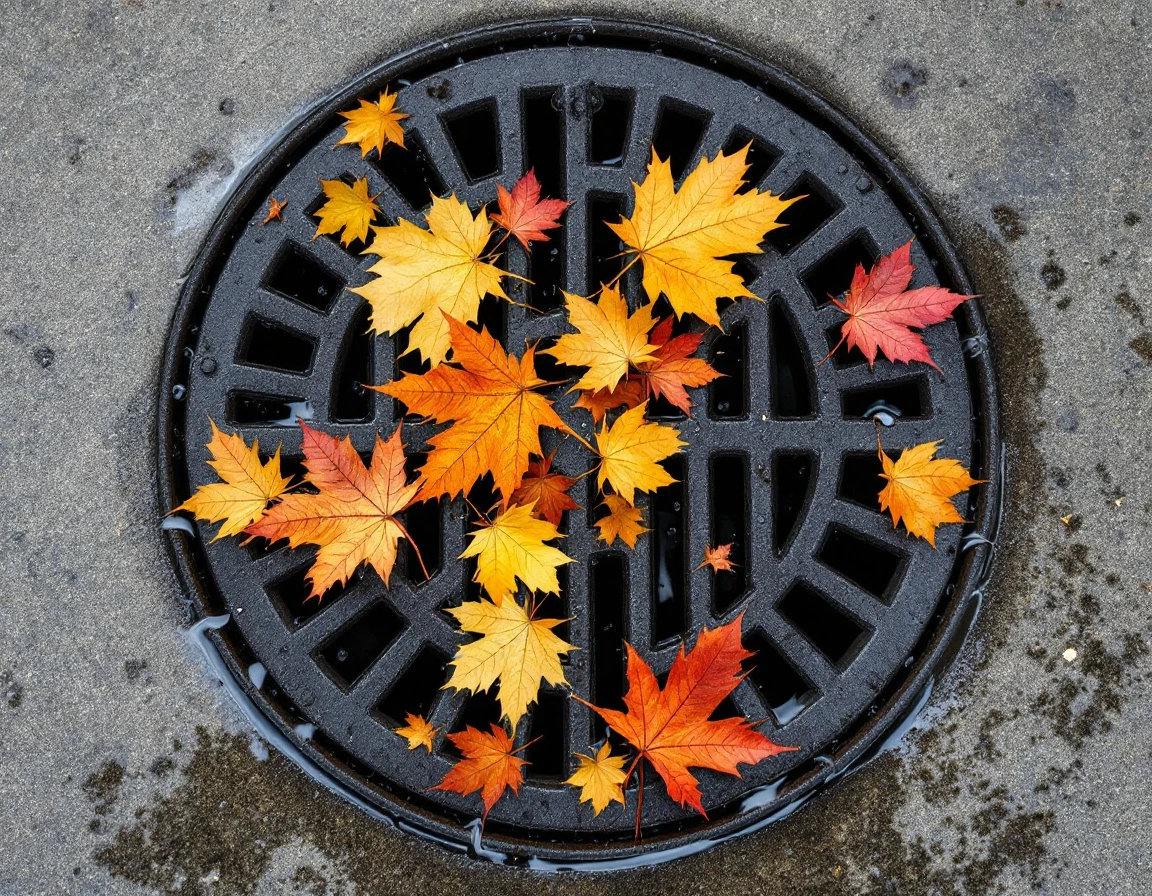
When to Schedule Professional Drain Maintenance
Have you cleared leaves from your garage drains multiple times this fall, only to find water still pooling on the concrete? Persistent slow drainage despite manual cleaning signals a deeper blockage in the drain line — one that’s sitting several feet down where homeowner tools can’t reach. When standing water remains after you’ve removed visible debris, or when you notice water backing up into the garage during even modest rainfall, it’s time to call in professional help.
Pay attention to these red flags:
- Water that doesn’t drain within a few hours of a storm
- Moisture stains spreading across your concrete floor
- Experiencing multiple clogs within the same season even with regular maintenance
These symptoms point to obstructions further down in your drainage system — tree roots penetrating pipe joints, accumulated sediment hardened into place, or even structural issues with the drain line itself.
The October Timing Advantage
Schedule professional cleaning before mid-October when rainy season demand peaks. Right now, drain cleaning companies have availability and can respond within days. Wait until the November downpours arrive, and you’ll compete with dozens of other Portland homeowners facing emergency backups. You’ll pay more for urgent service calls and risk water damage while waiting for an available technician.
Professional cameras and jetting remove stubborn debris that DIY methods cannot reach. Drain specialists use high-pressure water jets that blast through compacted leaf matter, grease buildup, and sediment layers. Their inspection cameras pinpoint exactly where blockages exist and reveal any cracks or separations in your drain pipes — problems that will only worsen with time.
Preventing Winter Damage
Here’s what many homeowners don’t realize: winter freeze-thaw cycles can crack damaged drain systems, creating costly spring repairs. That small crack in your drain line or partial blockage causing slow drainage right now? When water freezes inside, it expands and turns minor damage into major breaks. Address drainage issues this October, and you’ll avoid discovering a completely failed system when spring arrives.
October Maintenance Timeline for Portland Garages
Breaking your fall garage maintenance into three distinct phases helps you stay ahead of the rainy season without feeling overwhelmed. Think of this timeline as your roadmap to avoiding those emergency calls when water is already pooling in your garage.
Early October: The Inspection Phase
Start the month with a thorough inspection of both your door tracks and floor drains. Look for debris that accumulated during late summer before the peak leaf-fall period begins. Check whether water flows freely down your floor drain by pouring a bucket of water and watching how quickly it disappears. Examine your door tracks for any buildup in the corners where leaves tend to collect first.
Mid-October: The Active Removal Phase
This is when you’ll perform manual leaf removal from tracks and drains, applying the techniques covered earlier in this guide. Garage drain leaf prevention depends on catching debris before moisture makes it stick. Rain frequency increases during the second half of October, so clearing debris now prevents leaves from forming those dense, water-soaked mats that block drainage. Your weekly maintenance routine becomes especially important during this two-week window when trees drop the most leaves.
Late October: The Professional Assessment Phase
If you noticed slow drainage during your earlier inspections, schedule professional drain cleaning now. Do you see water backing up after clearing surface debris? That’s a sign of deeper blockages that require professional equipment. Waiting until November means competing with other homeowners who’ve already experienced flooding—and facing longer wait times when you need help most urgently.
This three-phase timeline positions your garage drainage system to handle November’s sustained rainfall. By completing these steps before the month ends, you’ve eliminated the conditions that cause winter water damage and expensive emergency repairs.