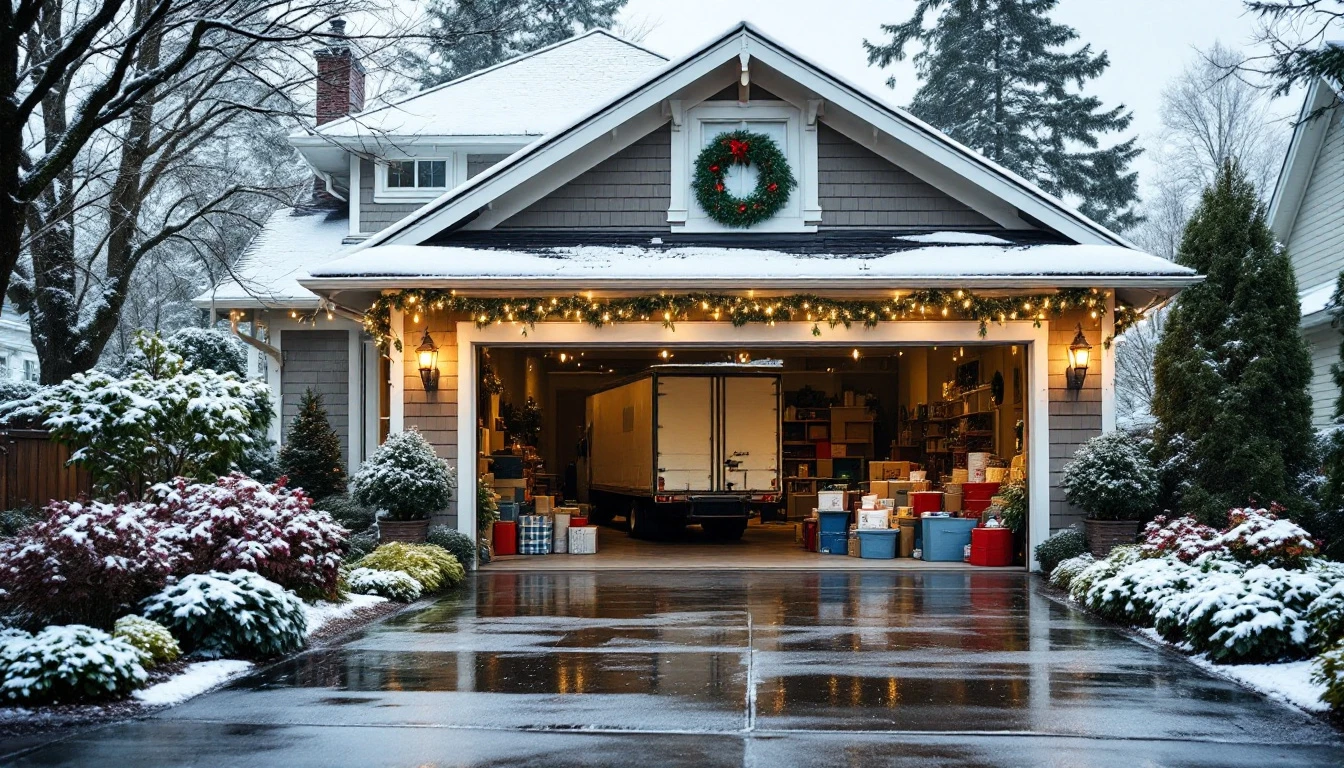
Increased Garage Door Usage During Holiday Season and Garage Door Stress
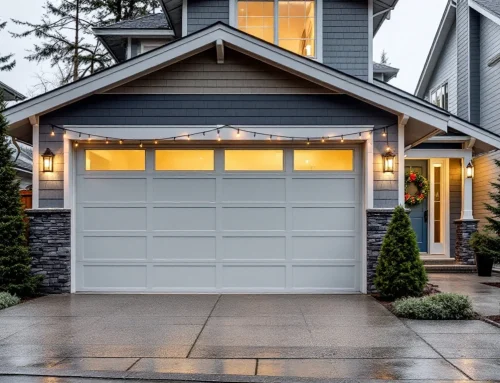
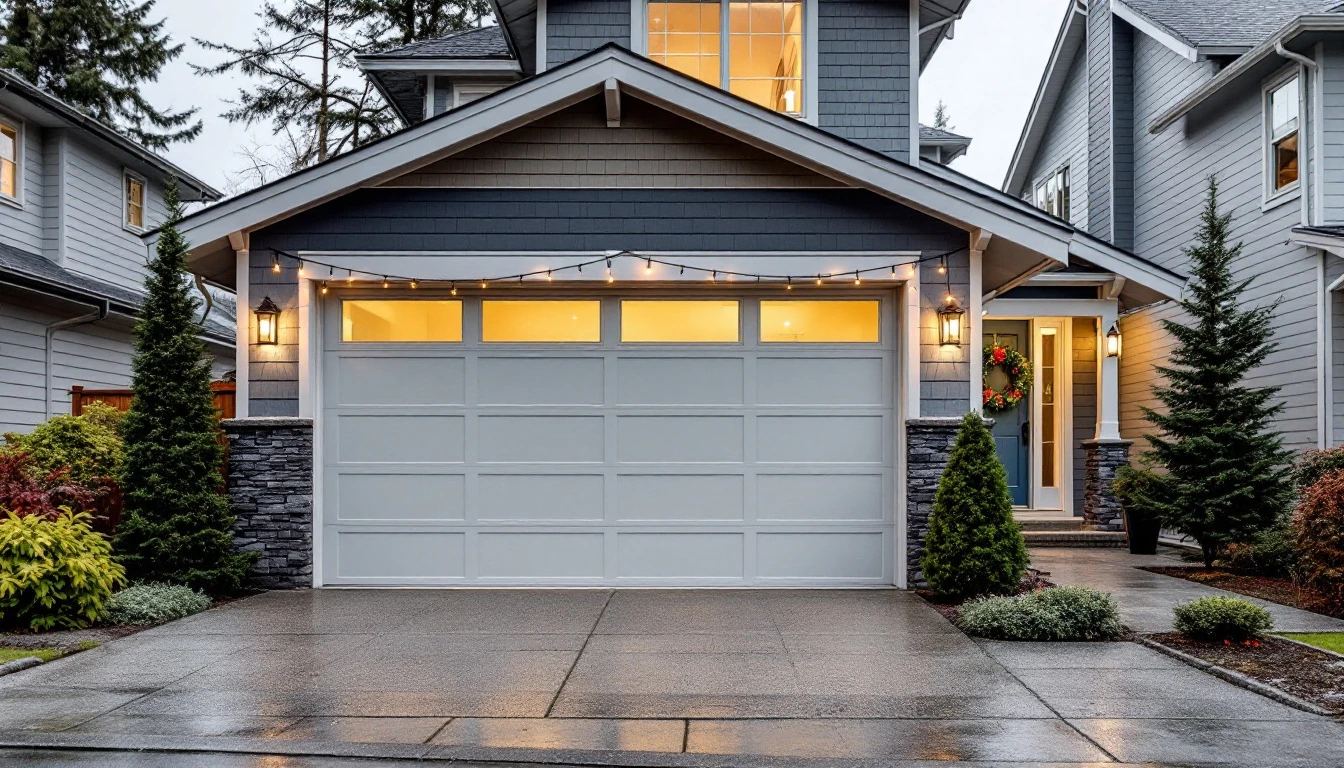
Your garage door works hard all year, but the holiday season pushes it to its breaking point. Increased garage door usage during the holiday season creates a perfect storm of conditions that strain garage doors beyond their normal capacity. Between Thanksgiving and New Year’s, Portland-area homeowners face extra wear from package deliveries, family visits, and holiday shopping. The surge in package deliveries during the November–December period means your door cycles constantly, with each Amazon drop-off adding another round of operation to the system.
Family visits and holiday shopping multiply garage door cycles well beyond your daily routine. Instead of the typical two or three trips per day, you’re suddenly opening and closing that door a dozen times—grabbing decorations from storage, picking up groceries for holiday meals, shuttling relatives to and from the airport. That’s extra wear on springs, rollers, and hinges that are already working overtime.
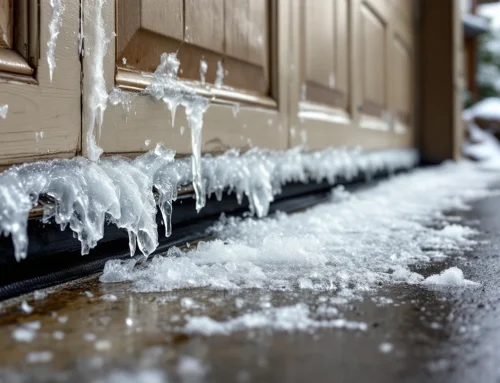
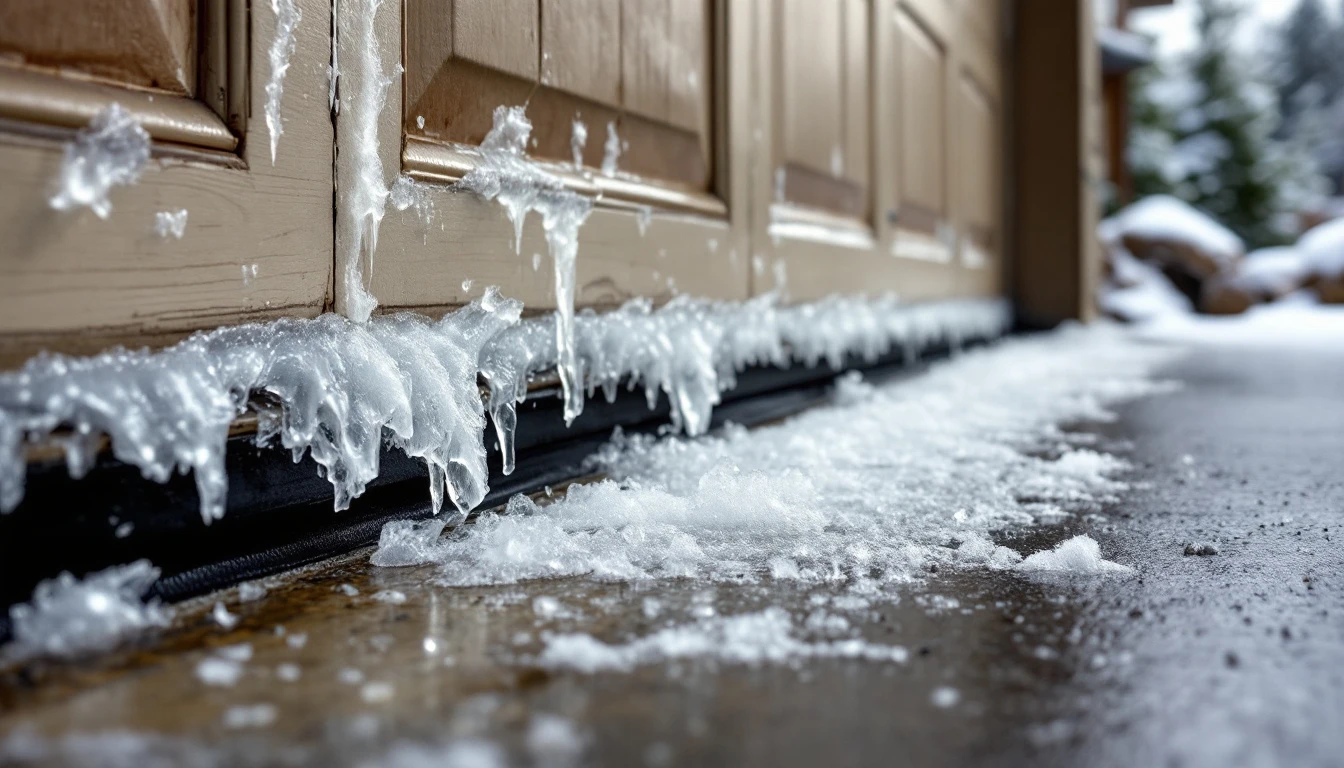
Here’s where Pacific Northwest weather makes everything worse: cold, wet winter conditions amplify wear on springs, tracks, and seals right when you need them most. Metal contracts in freezing temperatures, lubricants thicken, and rubber seals become brittle. Rain infiltrates tracks and accelerates rust formation.
Why does November matter? Service backlog peaks in December—emergency repairs carry a hefty price tag compared to preventive maintenance, and you could face multi-week delays. When your garage door fails on Christmas Eve with a car full of presents, you’ll pay premium rates for emergency service. Act now, and you’ll avoid both the expense and the headache.
Three Pre-Holiday Maintenance Tasks
With November’s final weekends offering your last window before the holiday rush, three specific maintenance tasks stand between you and a mid-December emergency service call. Each addresses one of the primary failure modes that surface when garage doors face the triple threat of heavy garage door usage during winter in Portland, weather extremes, and overloaded schedules. The good part? You can complete all three in a single weekend using tools you already own.
Spring Tension Testing and Lubrication
Your garage door springs handle the door’s full weight through every open-and-close cycle. When daily usage jumps during the holidays, weakened springs reach their breaking point. Disconnect the opener and manually lift the door halfway—it should stay put without drifting. If the door sinks or shoots upward, your springs have lost tension and won’t survive the season.
For springs that pass the test, apply white lithium grease or silicone-based spray lubricant to the coils while the door is closed. Wipe away excess to prevent dust buildup. Skip the WD-40—it attracts grime and evaporates quickly. This simple lubrication reduces friction and extends spring life through hundreds of extra cycles. If your springs fail the balance test or show rust and gaps between coils, don’t attempt DIY replacement. Torsion springs store enough force to cause serious injury, and professional replacement takes less than an hour.
Track Alignment and Debris Clearing
Dirty or misaligned tracks transform minor vibrations into grinding noises and binding doors. Start by inspecting both vertical and horizontal track sections for dirt, cobwebs, and debris. Use a damp cloth to wipe down the inside channel where rollers travel. Check for dents or warping that could catch rollers under heavy use.
Next, verify alignment by measuring the distance between the track and door edge at multiple points—it should remain consistent. If tracks have pulled away from mounting brackets or show visible gaps, tighten the bolts but don’t over-torque. Tracks that are bent or more than a quarter-inch out of alignment need professional adjustment. Clean, properly aligned tracks eliminate most binding issues and reduce the strain on your opener motor when the door cycles repeatedly throughout the day.
Weather Seal Inspection
The bottom seal along your door’s lower edge takes a beating from rain, cold, and the wet debris your car drags in. Run your hand along the entire length, checking for cracks, brittleness, or sections that have compressed flat. A failing seal allows rain to infiltrate during winter storms and lets cold air seep into your garage, affecting anything stored there and increasing heating costs if your garage connects to living spaces.
Replace seals that show visible damage or feel stiff rather than flexible. Most home improvement stores carry universal replacement seals that slide into the door’s bottom retainer. Clean the retainer channel before installing the new seal for a tight fit. Don’t forget the perimeter seals on the sides and top of the door—they’re less visible but equally important for blocking drafts during cold snaps.
For detailed seasonal preparation beyond these three tasks, check out Garage Harmony’s winter care guide and spring maintenance resources. These references cover extended maintenance schedules and help you spot warning signs before minor issues become major problems.
Spring Tension and Lubrication
Broken springs top the list of holiday service calls—and rank among the most expensive garage door repairs. Before November arrives with its surge of deliveries and visitors, inspect your springs for warning signs. Look for visible gaps between coils (sometimes called “daylight gaps”), uneven door height when partially open, or one side that lifts higher than the other. These symptoms indicate your springs are losing tension and may fail under the increased demand from heavy garage door usage.
Cold Pacific Northwest temperatures compound the problem. Metal contracts in freezing weather, increasing stress on already-fatigued springs. That’s why proper lubrication matters. Apply a light penetrating oil—not WD-40. Which evaporates quickly—to springs, hinges, and rollers every six months. This simple step reduces friction and extends spring life by preventing premature wear.
Safety note: While inspection and lubrication are safe homeowner tasks, spring replacement requires professional tools and expertise. Torsion springs store dangerous levels of energy. Contact Garage Harmony for spring replacement—but handle routine lubrication yourself.
Track Alignment and Debris Clearing
After checking your springs, turn your attention to the tracks. Clogged tracks cause jerky operation, grinding noises, and misalignment under heavy use—exactly what you don’t need when preparing a garage door for busy holiday season demands, opening the door a dozen extra times per day during the holiday rush.
Portland’s November rainfall combines with fall leaves, dirt, and organic debris to create a sticky mess in both horizontal and vertical tracks. This buildup forces your garage door to work harder with every cycle, accelerating wear on the opener motor and potentially bending track sections under stress.
Safe DIY clearing starts with a stiff brush to sweep out visible debris from the track channels. Follow up with compressed air to blast out accumulated dirt and moisture from corners and seams. Wipe down the track interior with a clean cloth, then inspect for obvious damage.
Here’s the professional dividing line: remove debris yourself, but leave track adjustment to the experts. If you notice bends, gaps between track sections, or loosened mounting brackets, contact a professional. Misaligned tracks under high-frequency use can damage rollers and jam your door mid-cycle—the exact emergency that fills December service schedules.
Weather Seal and Weatherstripping Integrity
Once tracks are clear and springs are lubricated, turn your attention to the third pillar of pre-holiday preparation: weather seals. Portland’s December wet-cold cycles punish aged weatherstripping, transforming minor gaps into pathways for moisture infiltration and cold air intrusion. These breaches create thermal stress on every garage door component, from hinges to panels, while silently driving up heating bills.
What should you look for during inspection? Check the bottom seal for cracks—freezing temperatures make brittle rubber fracture under repeated door cycles. Examine side and top seals for hardening and shrinkage caused by cold, dry air. Run your hand along the door frame with the door closed; any detectable draft or visible daylight signals a compromised seal that needs replacement before holiday traffic intensifies.
Replacement weatherstripping costs little but prevents ice buildup at the threshold, binding during operation, and water damage to stored belongings. Think of it as an insurance policy against winter emergencies—one that pays dividends every time temperatures drop. Our weatherproofing and weatherstripping guides walk you through the replacement process step-by-step.
Warning Signs That Professional Help Is Needed
Understanding when to call a professional can prevent injuries, property damage, and expensive emergency repairs. While the maintenance tasks covered earlier fall within homeowner capabilities, certain warning signs point to issues that require expert diagnosis and repair.
Severe spring wear demands immediate attention. If you notice visible gaps between spring coils, full separation of coils, or asymmetrical door height when opening—one side higher than the other—don’t attempt to adjust or repair these yourself. Springs hold hundreds of pounds of tension and can cause serious injury when handled incorrectly. Similarly, safety sensor failure—when your door won’t reverse after contacting an object or the sensor lights don’t illuminate—requires professional recalibration or replacement to protect children, pets, and vehicles.
Grinding noises and jerky motion signal mechanical problems. If you’ve cleared debris from the tracks and lubricated all moving parts but the door still moves in fits and starts, the issue likely involves track misalignment, worn rollers, or damaged cables. Tracks that show visible bending or warping beyond simple sight-adjustment need professional realignment tools and expertise. Attempting to force bent tracks back into position can create stress points that lead to complete failure.
Schedule a pre-holiday inspection now. Calling Garage Harmony or another qualified technician in early November costs less than December emergency service rates and avoids the multi-week backlog that builds as the holiday season progresses. Professional inspection catches problems before they cause complete door failure during your busiest weeks.
Remember the DIY boundary: springs, cables, motor adjustment, and structural repairs are safety-critical and should always be handled by trained professionals. Contact us today to schedule your pre-holiday inspection and protect your investment.
November Action Checklist
Ready to tackle your pre-holiday garage door maintenance? Follow this logical sequence to complete all essential inspections and repairs in under three hours this weekend.
- Inspect first: Begin with a visual spring and cable inspection, looking for gaps between coils, cable fraying, or separation. Stand back and watch the door open—does it rise evenly, or does one side lift higher than the other? Next, examine your weather seal and bottom seal for cracks, hardening, or separation from the door. These warning signs indicate components nearing failure.
- Clean and clear: Use a stiff brush to remove all debris from both tracks, paying attention to the curved sections. While cleaning, note any bending, warping, or misalignment in the metal.
- Test safety features: Place your hand in the door’s path as it closes. The door should reverse immediately when the safety sensors detect the obstruction. If the door doesn’t reverse, stop using it and call a professional.
Found red flags during your inspection? Schedule a professional pre-holiday inspection now. Early November appointments avoid December’s service backlog and premium emergency pricing. Contact us today to lock in standard rates before the holiday rush hits.