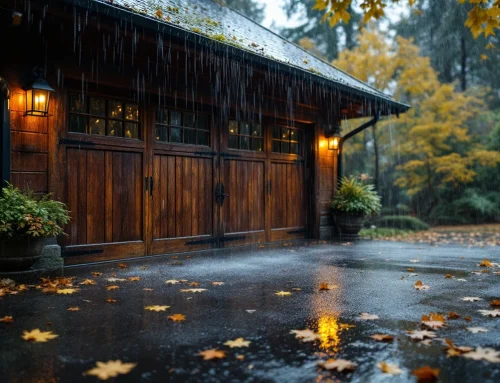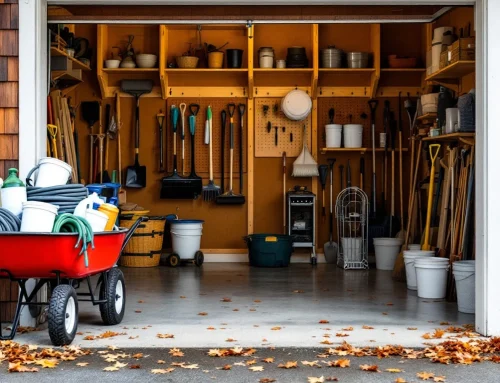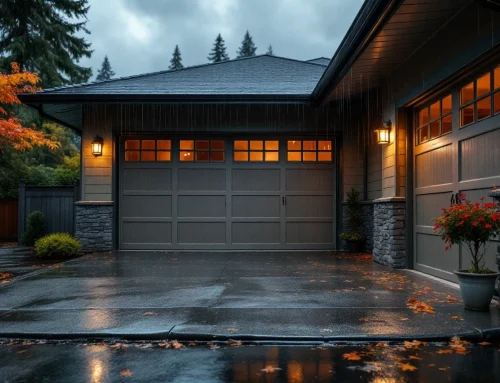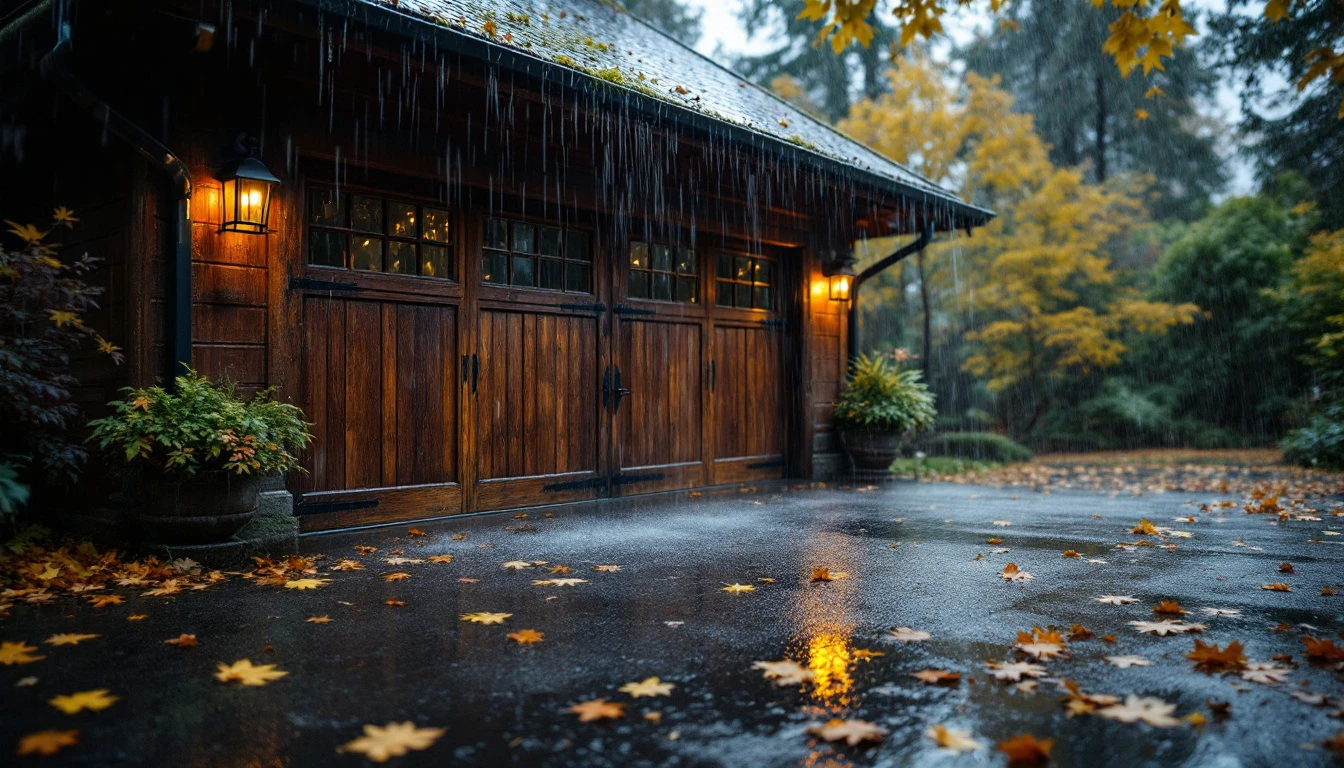
Prepare Your Garage for Oregon’s Rainy Season: Threat Timeline
If you live in Portland, you already know what’s coming. October through April brings the Pacific Northwest’s heavy precipitation period, with monthly averages reaching 5-7 inches. The real deluge hits in November and December, right when most homeowners are focused on holiday preparations rather than garage maintenance. Learning how to prepare garage for Oregon rainy season before these storms arrive can save you thousands in water damage repairs and prevent mold growth in your home.
Your attached garage sits at the front line of this seasonal assault. Water finds its way through weatherstripping gaps, under door seals, and through foundation cracks. Once inside, it doesn’t just puddle—it soaks into drywall, damages stored belongings, and creates the perfect conditions for mold growth. Repair costs typically range from $3,000 to $15,000. Depending on the extent of infiltration and structural damage.
Water damage claims spike in November and December because homeowners delay preventative inspections. By the time they notice wet floors or musty odors, the damage is already underway.
September is your critical window—the ground is still relatively dry, materials seal properly, and you have time to address problems before the first storms roll in. Three hours of inspection and sealing work now prevents weeks of emergency repairs when the rains arrive.
Three Critical Garage Inspection Areas
Your garage’s defense against water intrusion comes down to three interconnected systems: door seals, floor drainage, and gutter extensions. Think of these as the front line, the foundation, and the perimeter—each one protects a different vulnerability point where water tries to find its way inside.
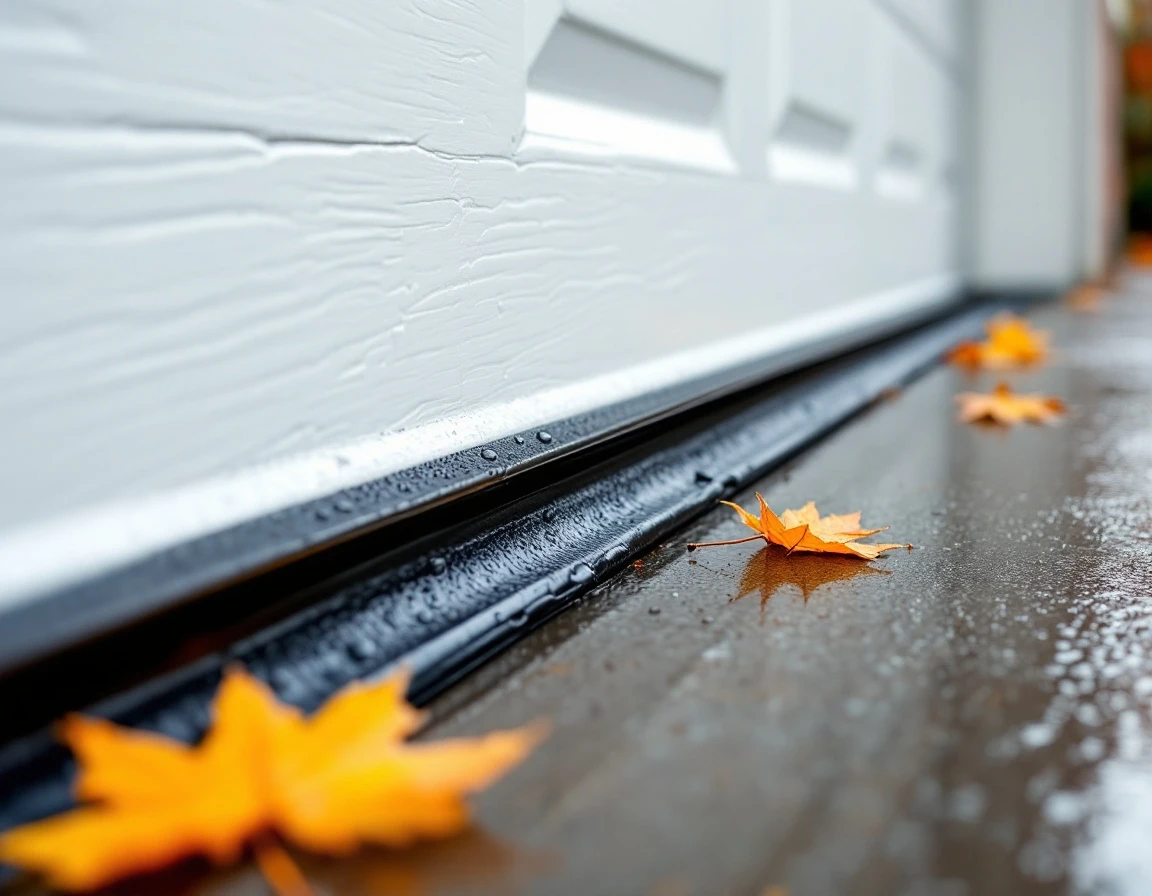
- Start with your door seals and weatherstripping. Walk around your closed garage door during daylight hours and look for visible light between the door and frame. Check the bottom seal where the door meets the floor—if you can slide your fingers underneath or see daylight, water will follow that same path during heavy rain. Weatherstripping typically degrades after five to seven years of exposure to Portland’s wet climate, becoming brittle or pulling away from the mounting surface.
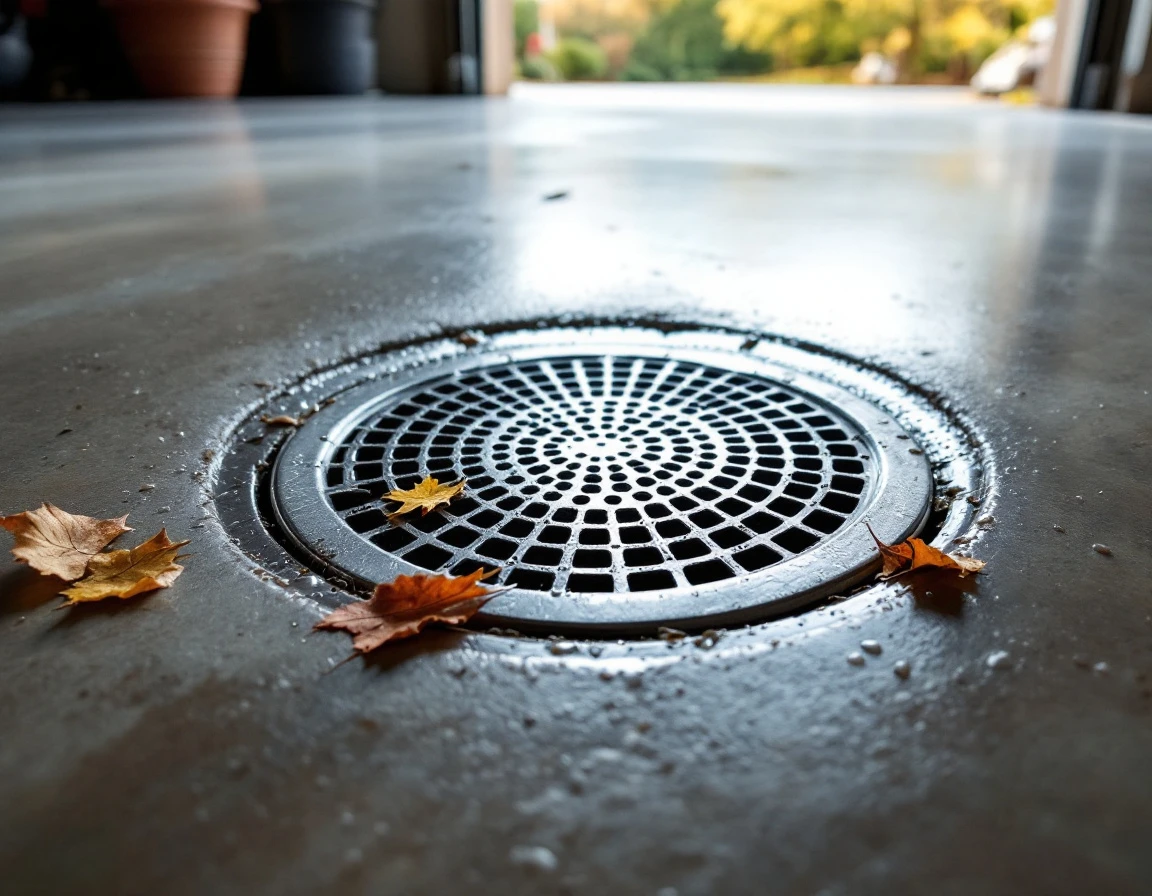
- Next, inspect your floor drainage system. Look for standing water or water stains on the concrete, especially near the front threshold and along the walls. These dark patches indicate where water pools and seeps into cracks. Walk the perimeter and note any low spots where water naturally collects. If you see efflorescence—that white, powdery residue on concrete—water is wicking up through your floor.
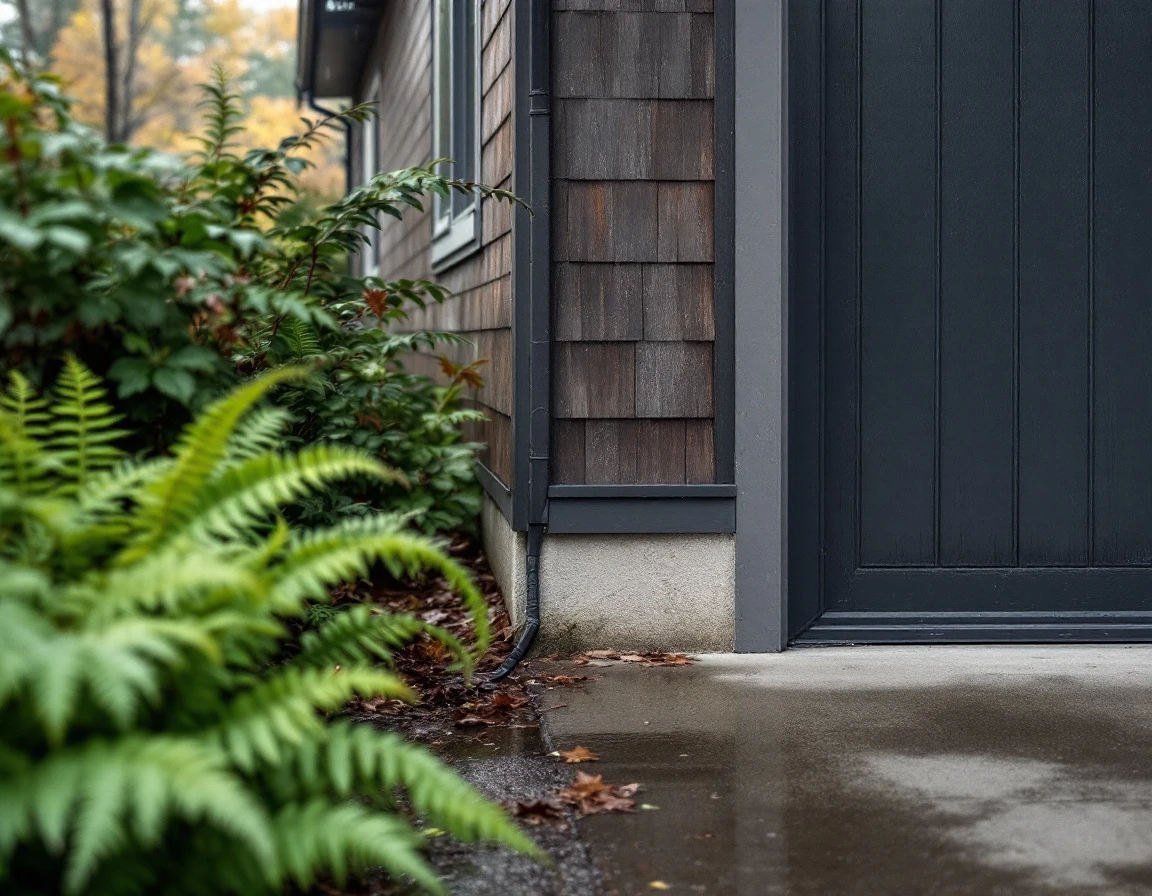
- Finally, examine your gutter extensions and downspouts. Clear any debris from gutters and check that downspouts discharge at least four feet away from the garage foundation. Look for splash marks on siding or soil erosion near downspouts—both signal that water is dumping too close to the structure.
Each system takes just minutes to inspect visually, requiring nothing more than a flashlight and your observations. The combined repair costs remain modest: weatherstripping kits, concrete sealant, and gutter extensions are all available at Pacific Northwest hardware stores at accessible price points.
Door Seal Inspection and Repair
Start your inspection by examining where the garage door meets the floor—most water enters at this point during heavy Pacific Northwest storms. Look for visible gaps between the door bottom and frame. Particularly at corners where damage accumulates first. Check for rusted, cracked, or missing rubber weatherstripping along all edges. Turn on your garage lights and stand outside with the door closed—any daylight streaming through indicates seal failure. Inside, inspect the concrete for water stains or discoloration near door edges, telltale signs of past intrusion.
Replacing weatherstripping is a quick DIY project well within reach of most homeowners and won’t strain your budget. Measure your door width and height before shopping at local suppliers like Parr Lumber in Portland. For bottom seals, choose vinyl or rubber bulb seals that compress when the door closes—these provide reliable performance through multiple seasons before eventually hardening. Most modern strips feature adhesive backing for quick installation; peel and press along clean, dry surfaces. Some require additional fasteners for durability.
Call a professional if you notice frame warping or door misalignment—these underlying issues will cause new seals to fail quickly.
Floor Drainage Assessment and Solutions
Your garage floor often goes unnoticed as a water entry point, yet concrete slabs absorb moisture through cracks and porous surfaces. During Portland’s rainy season, water finds its way through these vulnerabilities, creating long-term damage if left unaddressed.
After a light rain, inspect your floor for standing water, white mineral deposits (efflorescence), or visible cracks. These signs indicate water is penetrating the concrete. Walk the entire floor space, paying special attention to corners and areas near the door where water naturally collects.
For minor issues, homeowners can apply epoxy sealers or floor coatings that prevent moisture penetration. These products typically cost between $60 and $150 and create a protective barrier over the concrete surface. Small cracks can be filled with concrete caulk to stop water intrusion.
However, foundation cracks wider than a quarter-inch, standing water appearing during dry weather, or grading problems that direct water toward your garage all require professional assessment. These conditions suggest structural issues beyond DIY fixes.
Gutter and Drainage Extension Checklist
Your garage gutters might seem like a minor detail, but they’re actually the first line of defense against foundation damage and structural problems. When gutters clog with leaves and debris, water has nowhere to go except directly down the side of your building—creating pooling zones right where you need them least. That cascading water seeps into cracks, undermines foundations, and can even compromise your garage door threshold.
Start your inspection at the gutters themselves. Clear out all debris, paying special attention to downspout entry points where leaves tend to jam. Next, run water through the system with a hose to verify flow. Then measure your downspout discharge: is water exiting at least 12 inches away from your foundation. If not, install downspout extensions immediately—they’re inexpensive and take minutes to attach.
Here’s the Portland-specific reality: fall leaf accumulation from September through November demands monthly gutter clearing. Once those October rains begin, clogged gutters transform into water highways that dump thousands of gallons directly against your garage. This 20-minute monthly task prevents thousands in foundation repairs and door replacement.
Consider installing gutter guards for ongoing protection. Quality guards represent a worthwhile investment and reduce your maintenance frequency while improving system reliability throughout the rainy season.
DIY vs. Professional Repair Decision Tree
Most homeowners can handle weatherstripping replacement, gutter clearing, and floor sealant application themselves. These tasks require basic tools and standard techniques covered in earlier sections….” The materials needed are inexpensive and widely available at any hardware store, and you’ll complete all three projects in about three hours—making September the ideal time to tackle these tasks before the rain starts.
When should you call in professionals? Frame damage, foundation cracks, interior drainage system installation, complete gutter system replacement, and grading issues all require licensed contractors.
Professional waterproofing and foundation work typically ranges from $800 to $3,000. Depending on severity. These repairs involve structural assessment, specialized equipment, and warranty-backed work that protects your home’s long-term integrity.
Portland metro area residents have access to established garage door and waterproofing specialists who maintain September availability. Scheduling during this window delivers two advantages: faster project completion and lower costs. Waiting until November—after the storms begin—triggers demand surges that make repair work more expensive and push scheduling timelines out by weeks, forcing homeowners to choose between premium pricing or extended wait times.
The choice is clear. Handle simple maintenance yourself this month, but don’t delay professional assessments if you’ve spotted structural concerns during your inspection. Portland Garage Specialists and similar regional services book September appointments now, with availability closing by late September as contractors prepare for winter emergency call volume.
Action Plan: Prepare Your Garage for Oregon Rainy Season in Three Hours
Now that you understand what to inspect and how to repair, let’s map out your three-hour garage prep window. This plan assumes you’ve already identified problem areas during your inspection phase.
- Hour 1: Document and assess. Walk through each system again with your phone camera. Photograph weatherstripping gaps, floor cracks, and gutter debris. These images help you communicate with professionals if needed and create a before/after record. Measure door seal gaps and note specific materials you’ll need.
- Hour 2: Purchase materials locally. Head to Home Depot on NE 122nd or your nearest Lowe’s with a shopping list: foam weatherstripping for top and side seals, bottom door seal rubber, epoxy floor sealant, caulking tubes, and flexible downspout extensions. Budget $150-$200 for complete coverage of all three systems.
- Hour 3: Install and seal. Apply weatherstripping to door frames, brush floor sealant over cleaned concrete, clear gutter debris, and extend downspouts at least 12 inches from your foundation. Work methodically through one system at a time.
Post-installation monitoring: Test your work during the first October rain. Check sealed areas for moisture and photograph any leaks. If problems persist, schedule professional help immediately—waiting until November means competing with emergency calls and paying premium rates.