Why Manufactured Home Garage Weatherproofing Matters for Carport Structures
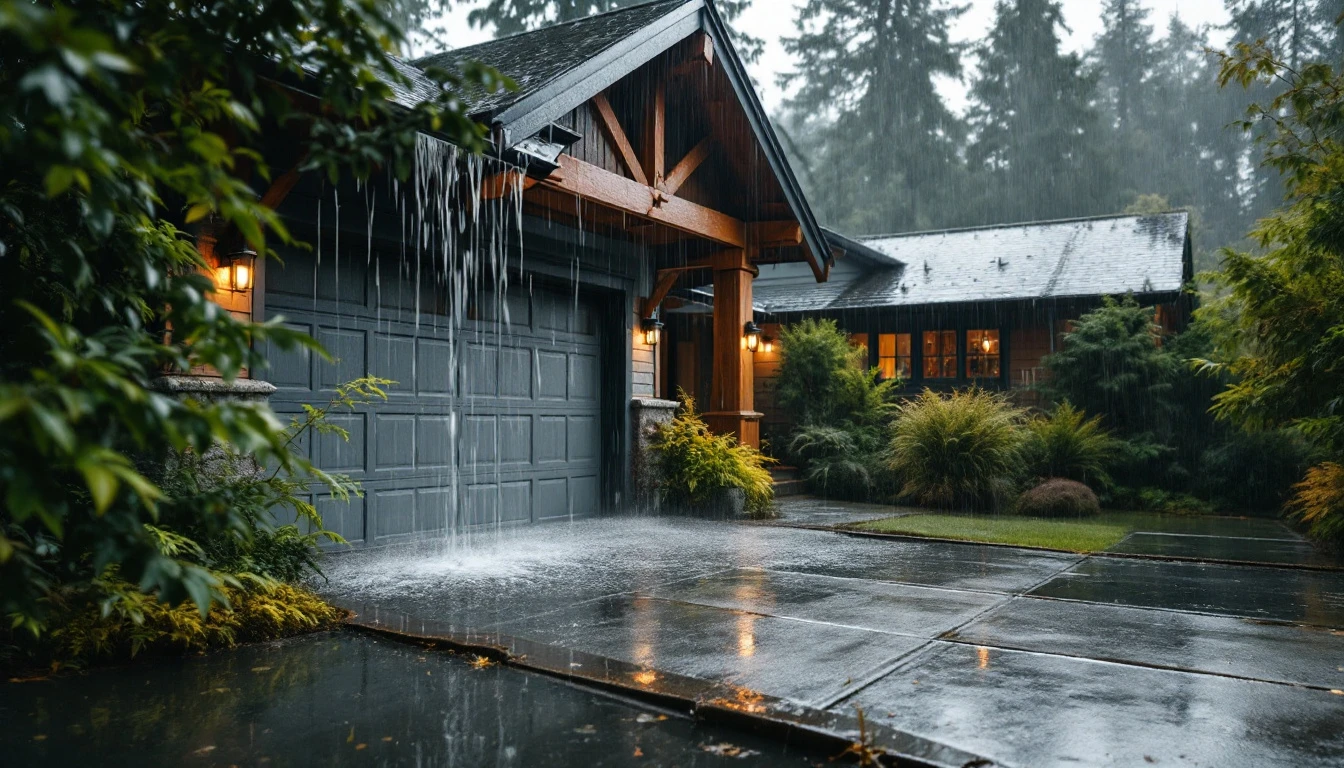
Manufactured homes in Castle Rock and the Longview-Kelso area face unique challenges that make manufactured home garage weatherproofing essential. Their carport-style garages lack the structural protection of traditional enclosed garages, leaving metal components and door systems vulnerable to constant moisture exposure.
Castle Rock’s 40-50 inches annual rainfall
Castle Rock receives between 40 and 50 inches of rain annually, creating persistent moisture exposure that threatens every metal component in your carport-style garage. This volume of precipitation—roughly double what Seattle receives—doesn’t arrive in dramatic storms but through steady, unrelenting rainfall that keeps surfaces damp for extended periods.
Unlike traditional enclosed garages where walls and sealed door systems create barriers against moisture, carport-style structures leave metal posts, beams, and door hardware constantly exposed to rain and humidity. This open design means water reaches critical connection points and fasteners without obstruction, accelerating rust formation on brackets, hinges, tracks, and springs that keep your garage door functioning properly.
Water intrusion causes rust, wood rot,
Water intrusion poses three serious threats to manufactured home carport installations:
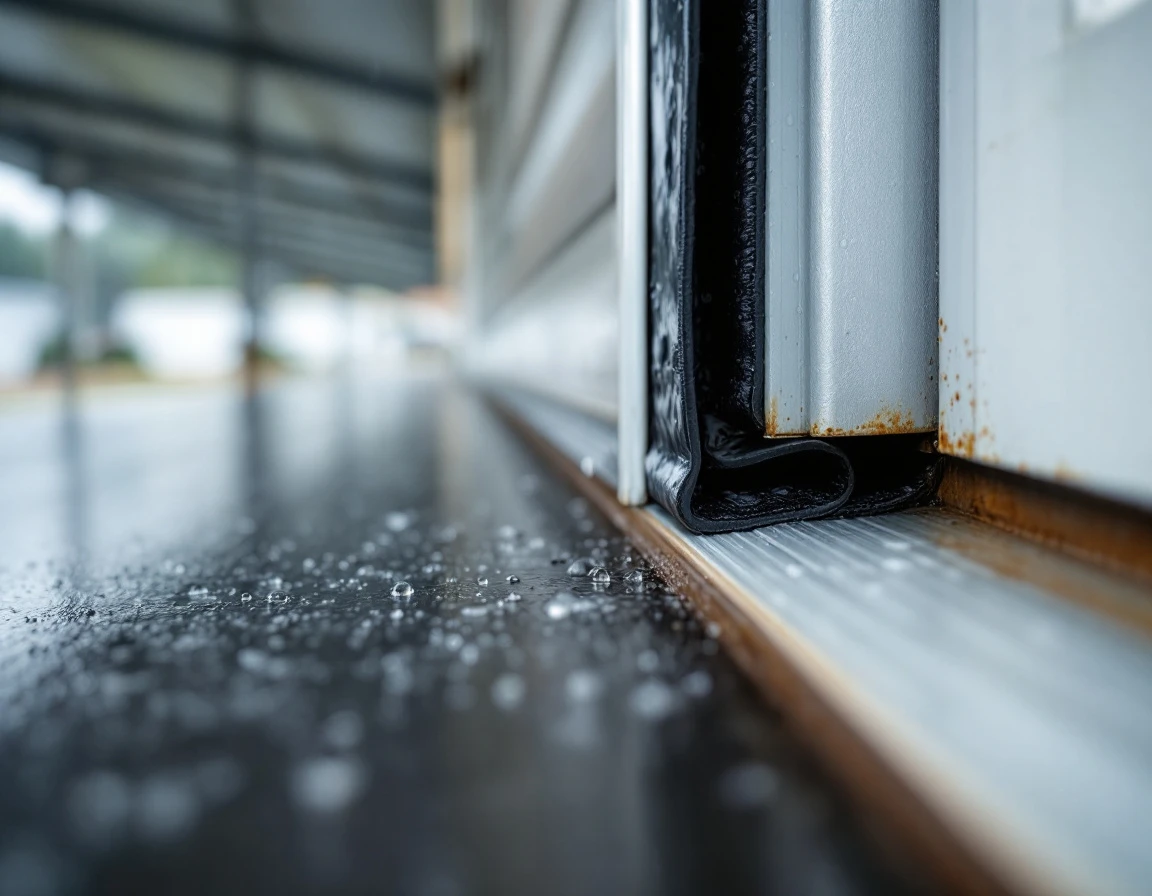
- Moisture seeping through door seals and pooling under metal tracks causes rust that weakens structural components. Attacking hinges, springs, and support brackets first
- Wood framing around door openings absorbs water and develops rot, compromising the attachment points that hold the entire door system in place
- Electrical operators and wiring exposed to moisture short circuit, creating fire hazards and costly replacement needs
Prevention costs a fraction of repairs. Installing flexible door seals runs $50-150. While replacing a rusted door system costs $1,500-3,000. Adding drainage channels prevents foundation damage that requires thousands in structural work.
Flexible Door Seals: Installation and Materials for Castle Rock Manufactured Home Carport Protection
Why do manufactured home carport doors need different seals than traditional garages? The rigid door frames common in these structures settle and shift with temperature changes throughout Castle Rock’s wet-to-dry seasonal cycle. Flexible door seals compress and adapt to these movements, maintaining an airtight barrier even as the structure adjusts to freeze-thaw cycles and manufacturing tolerances in carport openings.
Three seal types work together to protect different gaps:
- Adhesive-backed weatherstripping fits along the top and side frames where the door meets the opening
- Threshold gaskets seal the bottom edge where water accumulates during rain
- Bulb-profile seals work best in high-moisture corners where water tends to pool
Material selection determines long-term performance in wet Pacific Northwest conditions. EPDM rubber resists mold growth and stays flexible in cold temperatures. Silicone handles moisture without degrading. Vinyl offers budget-friendly protection but breaks down faster under constant moisture exposure.
Install seals during the June-to-October dry season before November rain arrives. Start by measuring gaps around the closed door with a feeler gauge. Clean all surfaces with denatured alcohol to remove oils that prevent adhesion. Apply weatherstripping to sides and top, pressing firmly for thirty seconds at each section. Install the threshold gasket last, compressing it evenly when the door closes. Test closure by attempting to slide a dollar bill through sealed edges—proper installation prevents the bill from passing through.
Drainage System Design for Carport Garages and Manufactured Home Moisture Prevention
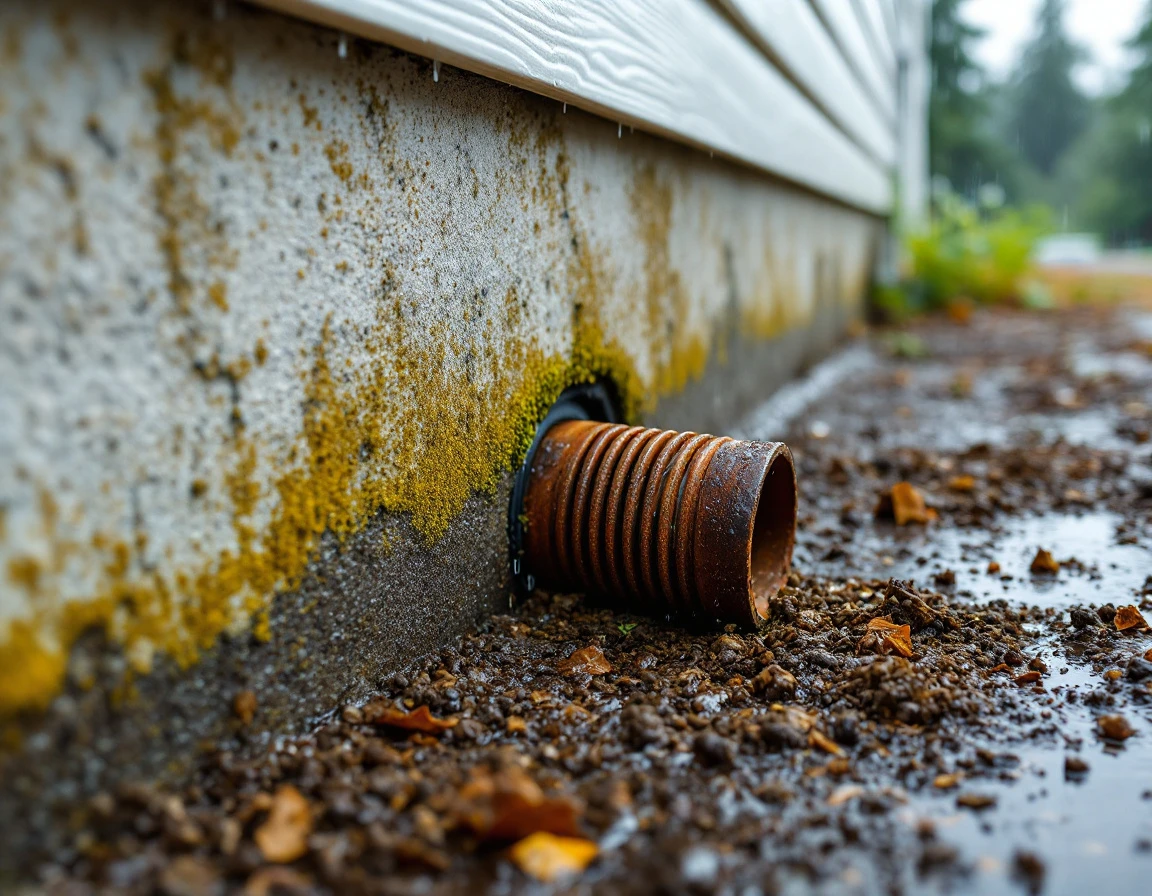
Manufactured homes typically sit on minimal grading with skirting or concrete slabs that offer little natural slope. This flat profile means rainwater pools around carport posts, door tracks, and electrical pedestals instead of flowing away from the structure. Longview-Kelso’s high water table makes this standing water particularly problematic, as saturated soil accelerates metal corrosion and creates persistent moisture that weakens structural components.
An effective drainage system requires three coordinated layers working together:
- Install gutters along the carport roof edge to capture rainfall before it cascades onto door mechanisms and support posts. Use 5-inch K-style aluminum gutters with continuous sections wherever possible to minimize leak points.
- Route downspouts with elbows to direct water 6-8 feet away from the carport structure and any electrical components. Position discharge points where water flows toward the street or designated drainage areas, never toward the manufactured home foundation.
- Create ground-level drainage using French drains or gravel berms around the carport perimeter. Dig trenches 12 inches deep, line them with fabric barrier, fill with crushed rock, and wrap the fabric over the top. This prevents water from pooling even during heavy downpours. Complete all drainage work before June transitions to wetter months.
Maintenance matters as much as installation. Inspect gutters monthly from November through March, removing leaf debris from roof runoff. Check downspout connections after windstorms. Clear the first two inches of gravel in French drains each fall to prevent sediment clogging. This regular attention keeps your drainage system functional through peak rainfall seasons.
Rust Prevention for Metal Components in Wet Climates
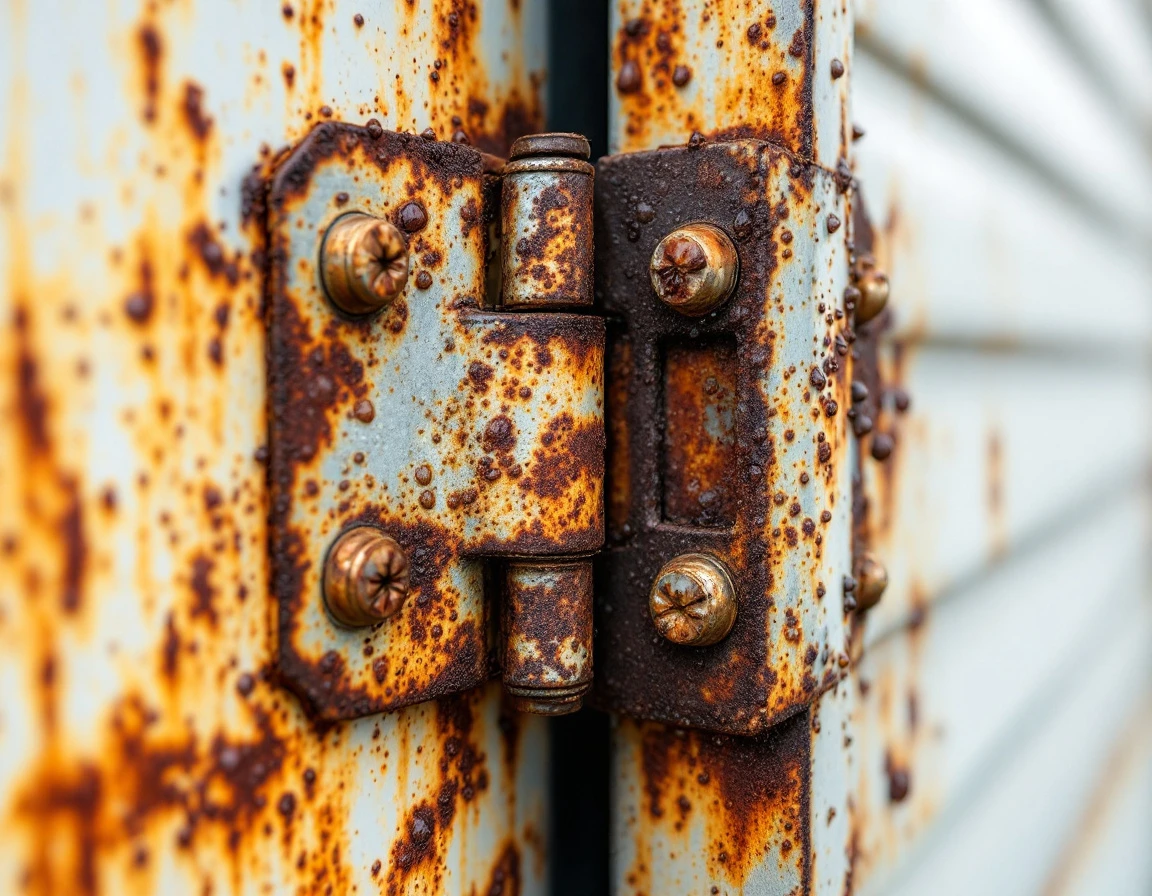
Metal framing, fasteners, and hardware in carport-style garages face constant corrosion threats in Longview-Kelso’s high-humidity environment. Without protective treatment, support posts, door tracks, hinges, and exposed fasteners develop rust within months of installation—eventually compromising structural integrity during the wet season. Rust prevention in wet climate garages requires deliberate action and regular maintenance.
Effective rust prevention combines two complementary approaches. Active protection involves applying rust-inhibiting primers and topcoats to bare metal surfaces. Start with thorough surface preparation: use a wire brush or sandpaper to remove existing rust spots and loose paint, creating a clean foundation. Apply an oil-based rust inhibitor first, followed by a zinc-rich epoxy primer designed for outdoor metal applications. Finish with exterior-grade metal paint rated for wet climates. Look for products specifically labeled for marine or coastal environments—these formulations handle persistent moisture better than standard metal paints.
Passive protection replaces vulnerable components with corrosion-resistant alternatives. Swap standard fasteners for galvanized or stainless steel versions. The zinc coating on galvanized hardware acts as a sacrificial layer, corroding instead of the underlying steel.
Complete all surface treatment and hardware replacement by late September. This timing allows coatings to fully cure before November rains arrive. Once installed, establish a monthly visual inspection routine through March. Check support posts, door tracks, and fastener connections for new rust spots. Touch up any compromised areas immediately—small rust patches spread rapidly in Castle Rock’s 40-50 inches of annual rainfall. Early intervention prevents minor surface corrosion from becoming structural failure.
Pre-Rain Implementation Timeline and Checklist
The June-through-September window provides the only reliable dry weather for completing manufactured home garage weatherproofing installations before Castle Rock’s peak rainfall season begins in November. This four-month period allows manufactured home owners to execute all three protection systems—flexible door seals, drainage improvements, and rust prevention—without fighting moisture that compromises adhesives, paint cures, and inspection accuracy.
Begin in June with inspection and material procurement. Walk your carport perimeter identifying rust spots, drainage problem areas, and door seal gaps. Order all materials while supply chains remain stable and contractors maintain availability. July and August form your primary installation window: mount flexible door seals during warm weather when adhesives bond properly, then grade soil and install French drains while ground remains workable.
Complete rust treatment applications by late September. Allowing primers and topcoats full cure time before October rains arrive. By early October, execute your final pre-rain inspection: press door seals checking for gaps, run water through gutters verifying flow reaches drainage endpoints, and examine all metal components for new rust formation. Any system failing inspection still leaves weeks for corrections before November’s heavy rainfall begins.
This preparation schedule directly supports the core thesis: owners completing these measures by October prevent water damage through the November-March peak rainfall months.
Schedule your next inspection for April or May after winter rains subside, creating an annual maintenance cycle that catches damage early and maintains protection year after year.