Why Kalama’s River Proximity Accelerates Garage Rust Moisture Damage
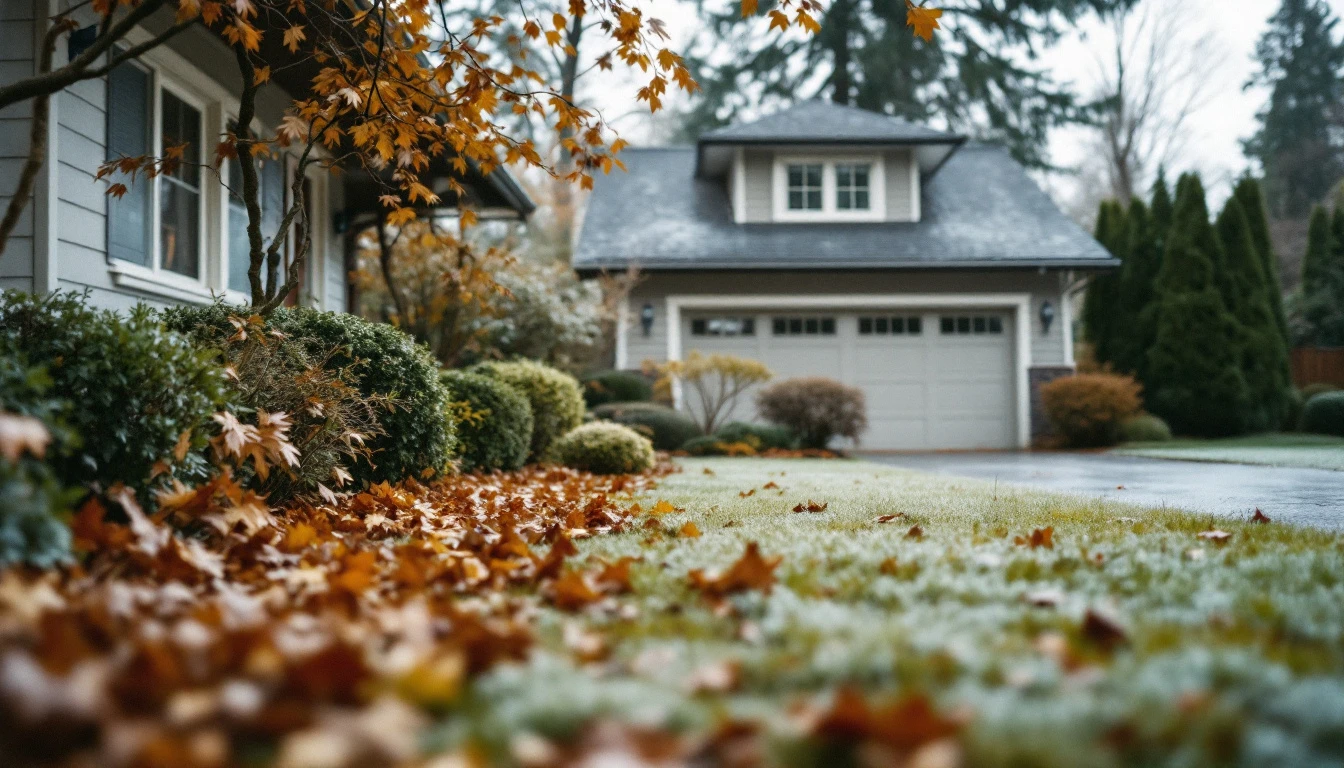
Kalama sits in a unique pocket of the Pacific Northwest where two major waterways converge. The Kalama River flows directly into the Columbia River at the town’s western edge, creating a persistent moisture environment that distinguishes this small riverside community from drier areas just miles inland. This geographic positioning traps humidity between the two rivers, sustaining improved moisture levels year-round that persist even during summer months when other Clark County areas dry out. Understanding how Kalama garage rust and moisture damage develops is the first step to protecting your property from accelerated deterioration that affects riverside properties differently than inland homes.
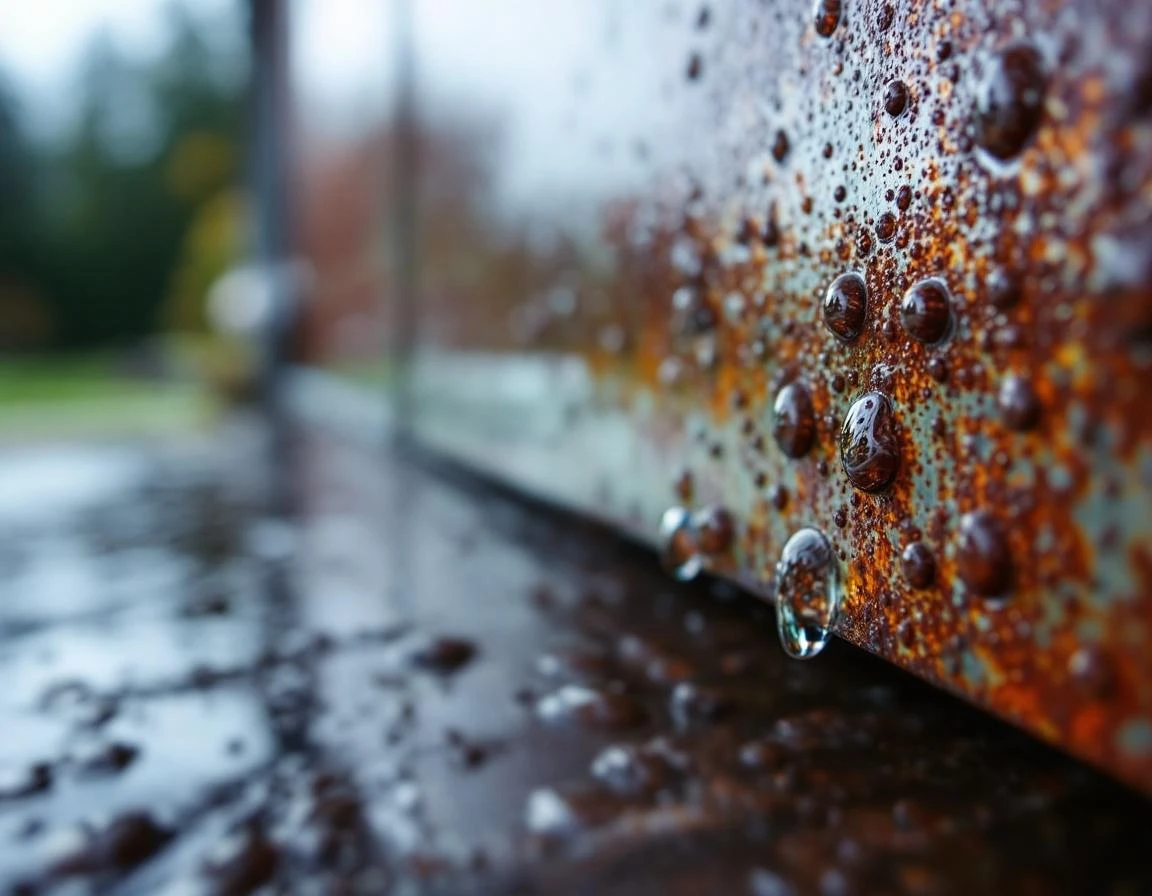
What does this mean for your garage door? Metal components exposed to constant moisture-laden air begin showing rust within weeks rather than months. Steel panels, hinges, and fasteners that might last years in drier climates start deteriorating almost immediately. The problem intensifies in low-lying properties and homes within a quarter-mile of either river, where humidity levels run 15-25% higher than improved areas in the county.
Spring presents a critical window for action. Snowmelt from the Cascade Range swells both rivers, and seasonal flooding raises ground-level moisture that wicks directly into garage foundations and lower wall sections. If you wait until summer heat arrives, you’re not solving the problem—you’re compounding it. Heat combined with trapped moisture creates the perfect environment for rot to spread through wood framing and panel seams.
Understanding your local environment is the first step to preventing these issues. The riverside reality in Kalama demands different maintenance strategies than what works in Vancouver or even Woodland. Your garage faces conditions that require targeted prevention, not generic advice.
Early Warning Signs of Moisture
March and April are the perfect months to inspect your garage door for moisture damage before summer heat intensifies deterioration. Walk up to your door and look closely at the metal panels. Do you see orange-brown rust stains forming at the seams where panels connect? These streaks aren’t just cosmetic issues—they indicate active corrosion where water collects and remains trapped between metal surfaces.
Run your hand along wood components like door frames and trim. If the wood feels soft or spongy rather than firm, early rot has already penetrated beneath the paint. This texture change often appears before visible decay becomes obvious. Catching this now prevents the need for complete panel replacement later in the season when humidity drops and you think the problem has resolved itself.
Check metal surfaces for white, chalky deposits that look like dried salt. This salt bloom signals active corrosion happening beneath the surface—moisture is working its way through protective coatings right now. Does your door stick when opening or struggle to close smoothly? Binding and warping occur when moisture causes wood components to swell or metal tracks to shift from their original alignment.
These warning signs matter urgently in spring because Kalama’s riverside humidity accelerates from winter moisture into summer heat cycles. Ignoring these symptoms leads to structural failure that requires expensive emergency repairs. Learn what happens when early moisture damage goes unaddressed and why acting now protects your investment through the entire season ahead.
Moisture-Resistant Materials for Kalama Properties
Once you’ve identified moisture damage through inspection, choosing the right materials becomes critical for long-term protection. In Kalama’s riverside environment, material selection matters as much as maintenance—poor materials will fail regardless of how well you care for them.
- Galvanized steel panels resist rust better than bare steel by adding a protective zinc coating that sacrifices itself before the underlying metal corrodes
- Aluminum avoids rust entirely since it doesn’t contain iron, making it ideal for properties near the Kalama River (though it dents more easily than steel)
- Composite and vinyl-wrapped panels offer superior moisture resistance compared to wood and won’t rot or warp even with direct water contact
The key is proper installation sealing—gaps around panels let humidity penetrate and undermine even the best materials.
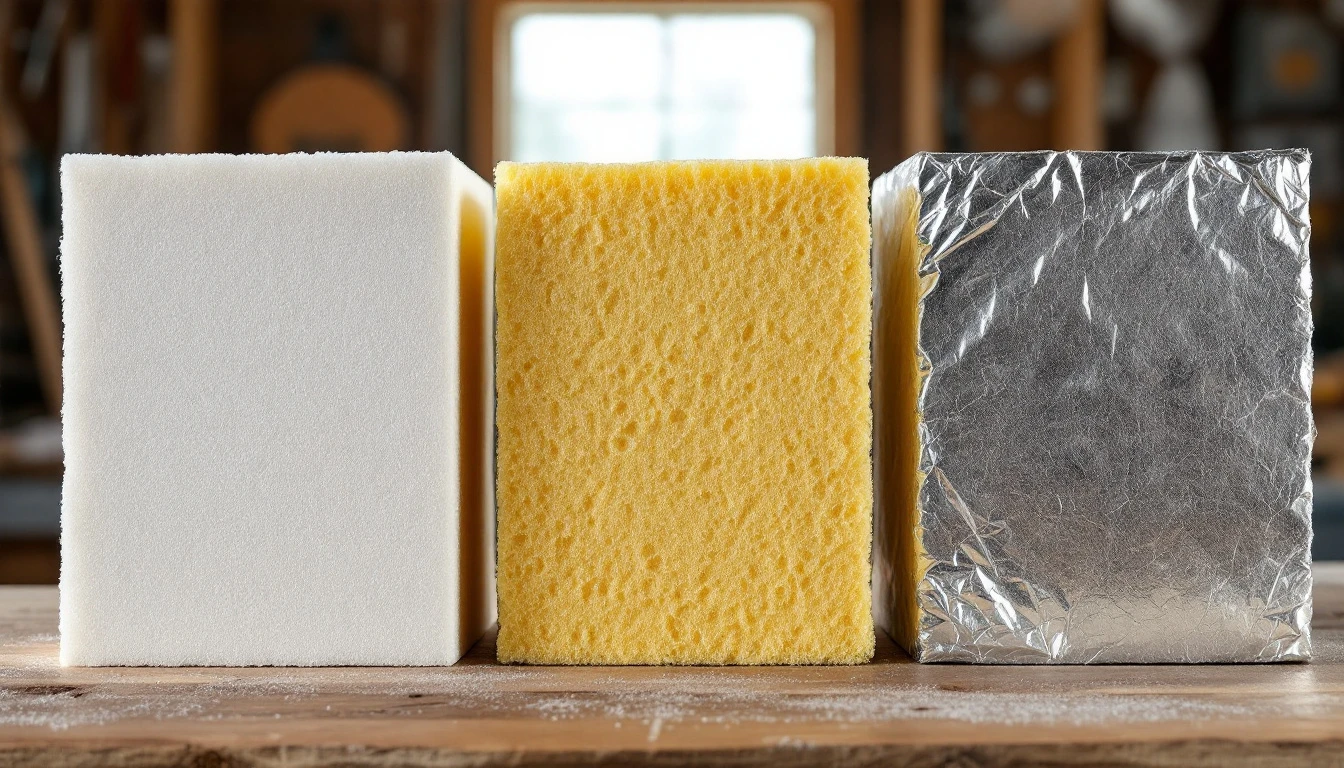
Weatherstripping and sealants deserve equal attention. Rubber weatherstripping and silicone-based sealants outperform felt-based weatherstripping in high-humidity environments because they don’t absorb moisture or deteriorate from constant dampness. Replace felt weatherstripping with rubber versions during your spring maintenance. Selecting moisture resistant garage materials specifically designed for Kalama Washington’s high-humidity conditions prevents the rapid deterioration cycles that plague riverside properties.
Powder-coated finishes and multi-layer protective coatings extend panel lifespan by 5-10 years in Kalama’s conditions by creating a barrier against moisture infiltration. These finishes cost more upfront but eliminate the cycle of repeated repairs that many riverside homeowners experience.
Ready to upgrade your materials rather than continue repairing damage? Our garage door materials guide compares options suited to Columbia River humidity and helps you select the right solution for your property.
March-April Moisture Prevention Checklist
March marks the transition from winter flooding to spring rain in Kalama, making this the most important maintenance window of the year. Completing these tasks before April establishes protective barriers before summer heat locks moisture into vulnerable materials. Delaying even two weeks can mean the difference between preventive maintenance and emergency repairs.
Critical Tasks (Complete by Mid-March)
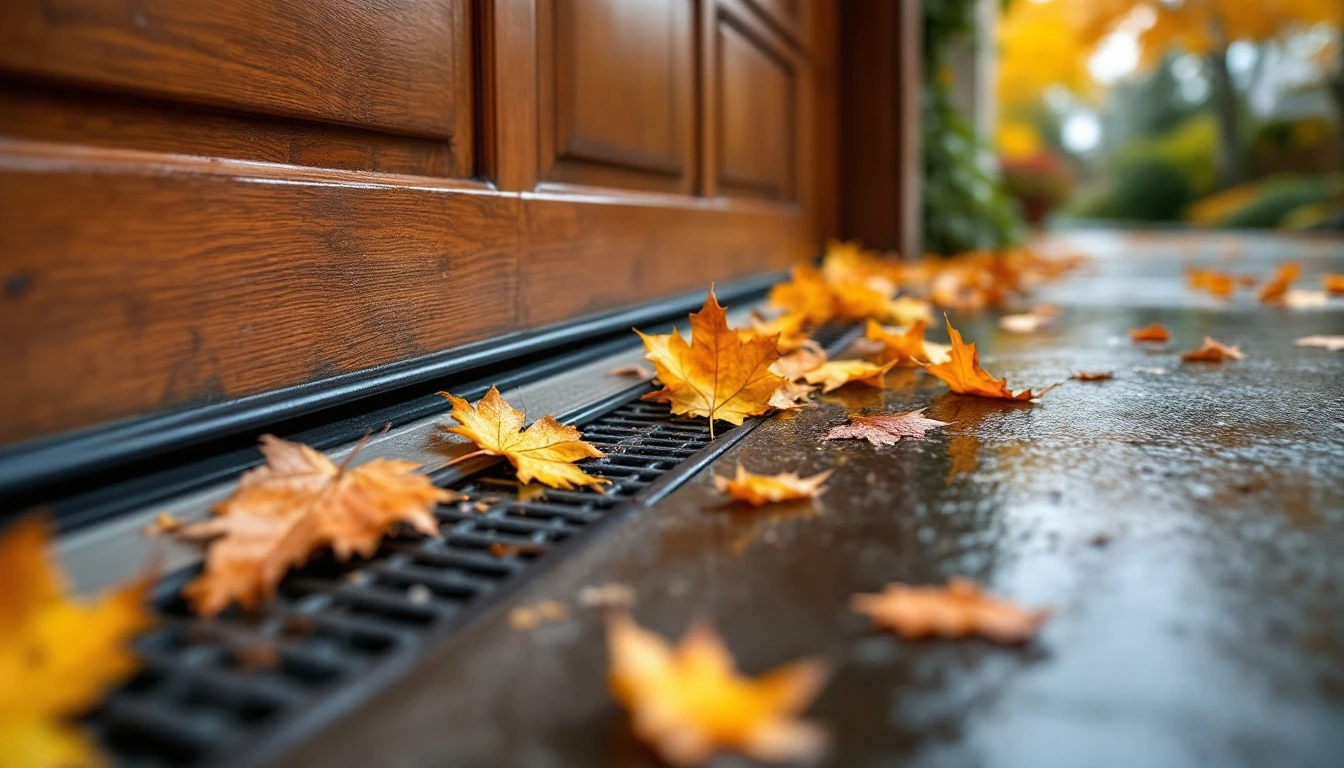
- Weatherstripping inspection and replacement should happen first. Check bottom seals where water pools against concrete slabs—if you can see daylight or feel air movement, replace them immediately. Spring rain will drive water under compromised seals, saturating wood frames and promoting rust on metal tracks. This single task prevents 90% of water intrusion issues.
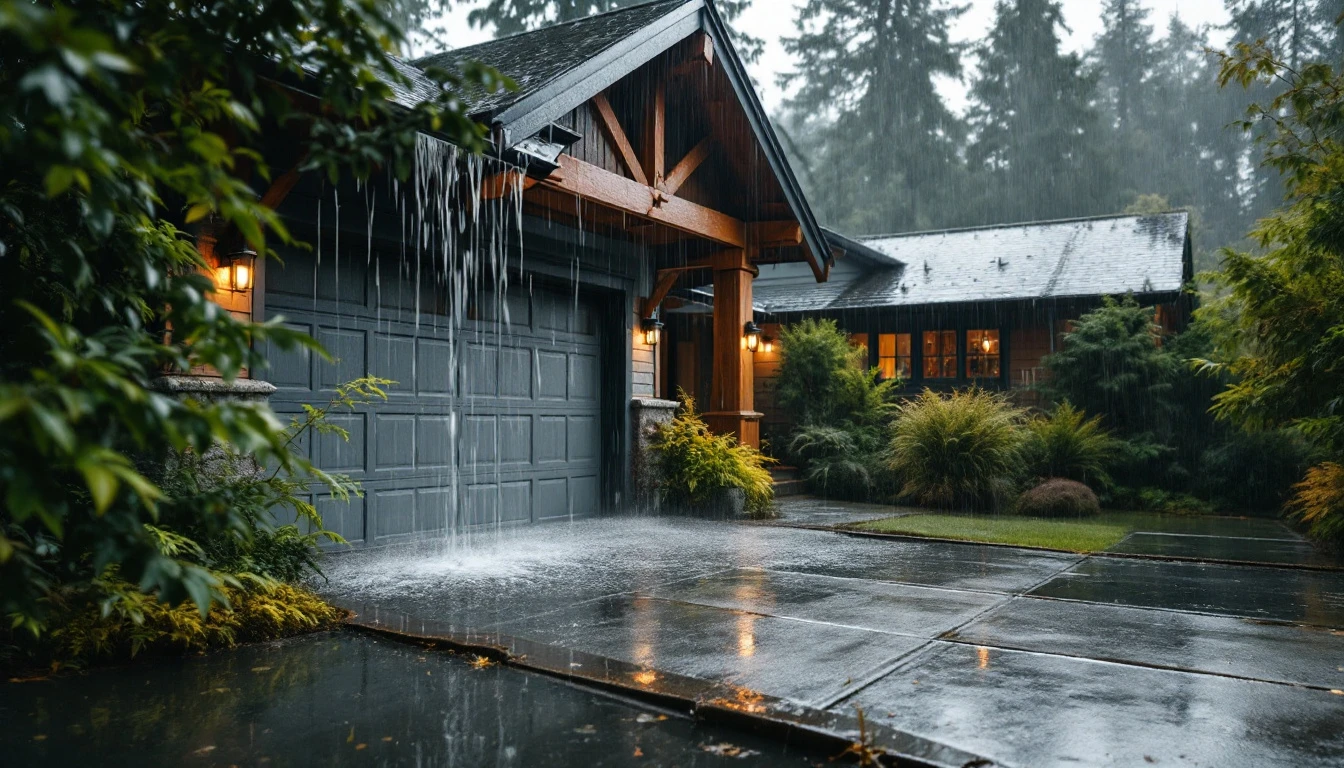
- Gutter and downspout cleaning directs water away from your garage foundation. Walk your property after cleaning to confirm water flows at least six feet from the structure. Poor grading near Kalama River properties allows water to pool against foundations, wicking moisture into wall cavities and floor slabs. Addressing riverside garage maintenance moisture challenges at the foundation level stops problems from spreading upward into door systems.
Recommended Tasks (Complete by Early April)
- Protective coating application works best in cool, dry conditions. Apply rust inhibitor to exposed metal hardware, hinges, and tracks. Seal wood panels with marine-grade sealant—the same products used on boat docks handle Columbia River humidity effectively. These coatings need 48 hours to cure before rain exposure.
- Door balance and lubrication testing catches problems before they escalate. Moisture causes friction that overworks springs and opener motors. Disconnect the opener and manually lift the door halfway—it should stay in place. If it drops or rises, springs need adjustment. Apply silicone-based lubricant to rollers, hinges, and tracks. Metal-on-metal friction accelerates in humid conditions, creating wear that compounds throughout the season.
Need help with your spring maintenance routine? Our spring maintenance guide walks through detailed tune-up procedures for riverside properties.
Ongoing Humidity Monitoring and Maintenance
After completing your March checklist, the next step is establishing a year-round monitoring system that catches problems early. Install a basic digital hygrometer in your garage—these cost $10-20 at hardware stores and provide real-time humidity readings. Your goal is keeping interior humidity below 60% throughout the year. Which prevents the rust and rot cycle that plagues Kalama’s riverside properties. How to prevent rust in humid garages starts with this baseline humidity control, then builds on weatherstripping and coating maintenance throughout the year.
When readings climb above 60% during wet months, run a dehumidifier or improve ventilation through ridge vents or exhaust fans. Opening garage doors on dry days also helps cycle out moisture-laden air. Inspect weatherstripping and caulk every three months. Looking for gaps where humid air infiltrates. In Kalama’s riverside locations, reapply silicone caulk at panel seams every 2-3 years to maintain your moisture barrier.
Document your garage door condition with monthly photos from April through September, when heat accelerates any deterioration. Compare images side-by-side to spot rust bloom, wood softening, or hardware corrosion before damage requires panel replacement. This preventive approach costs pennies compared to $800-1,500 panel replacements or structural repairs from unchecked moisture damage.
When to Call a Professional
Knowing when DIY maintenance has reached its limits is part of smart garage door ownership in Kalama’s high-moisture environment. Some problems require professional intervention immediately—not just for quality, but for safety and long-term cost savings.
Call a professional when you discover structural damage: rust that penetrates beyond the surface layer into metal cores, wood rot spanning multiple panels or door sections, or structural wood that feels soft when pressed. In Kalama’s riverside conditions, surface problems escalate into structural failures faster than in drier regions, making early professional assessment critical.
Garage rot prevention near rivers in Clark County depends on catching these structural issues before they spread beyond repair zones.
Multiple simultaneous failures signal systemic moisture infiltration. If you notice warped panels combined with binding door operation and rusted springs, moisture has compromised your entire system. Professional diagnosis identifies the entry point and prevents recurring damage after repairs.
Material replacement requires specialized expertise. Installing composite or vinyl panels demands specific tools and waterproofing techniques that prevent future leaks at seams and fastening points. Improper installation creates new moisture pathways that accelerate deterioration.
Spring or cable damage requires immediate professional attention. Kalama’s humidity accelerates corrosion that weakens these high-tension components. Attempting DIY spring replacement risks serious injury and property damage. Professional replacement includes safety inspections and proper tension calibration.
Contact Garage Harmony today for a professional evaluation. Our team understands how Columbia River humidity affects garage door systems and can identify problems before they require costly structural repairs.