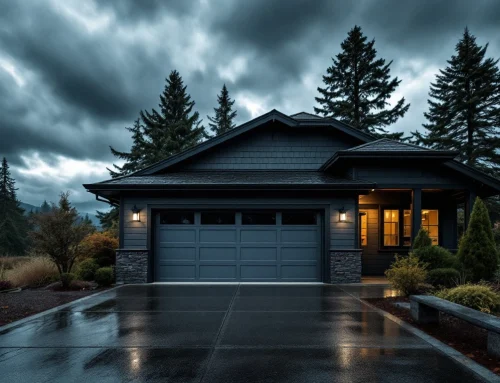
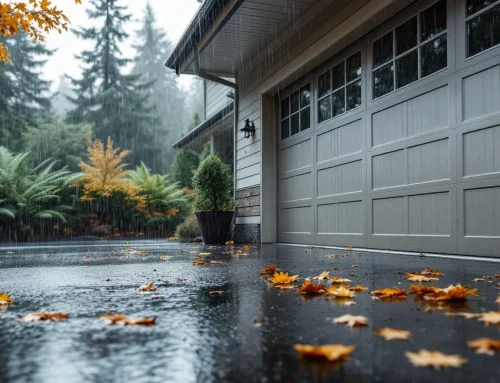
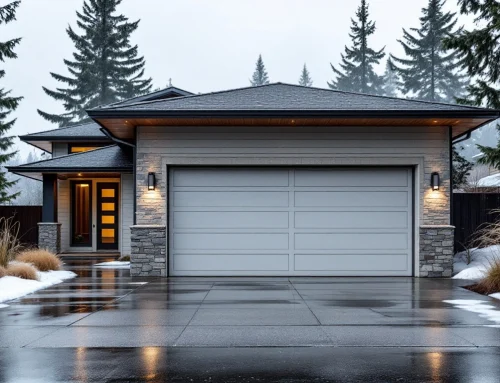
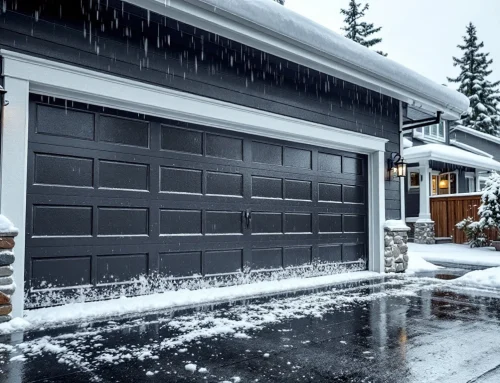
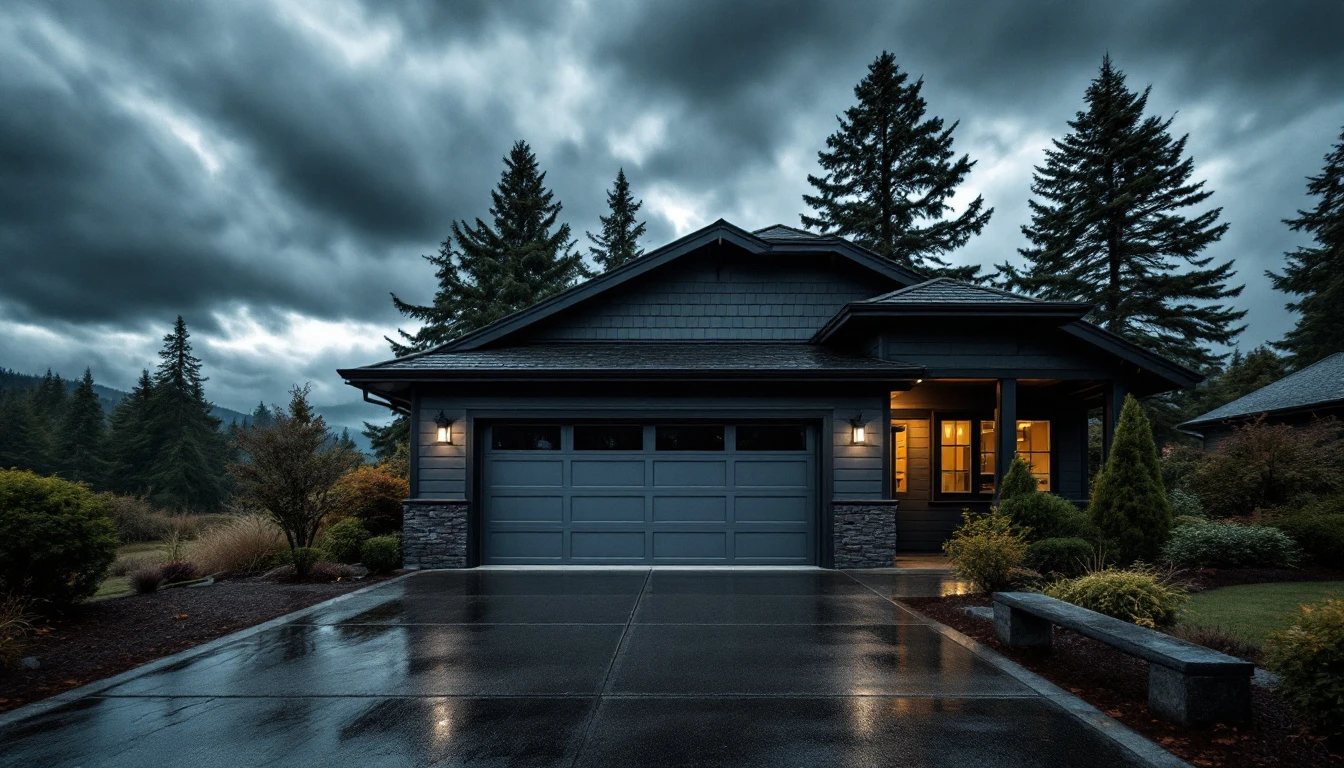
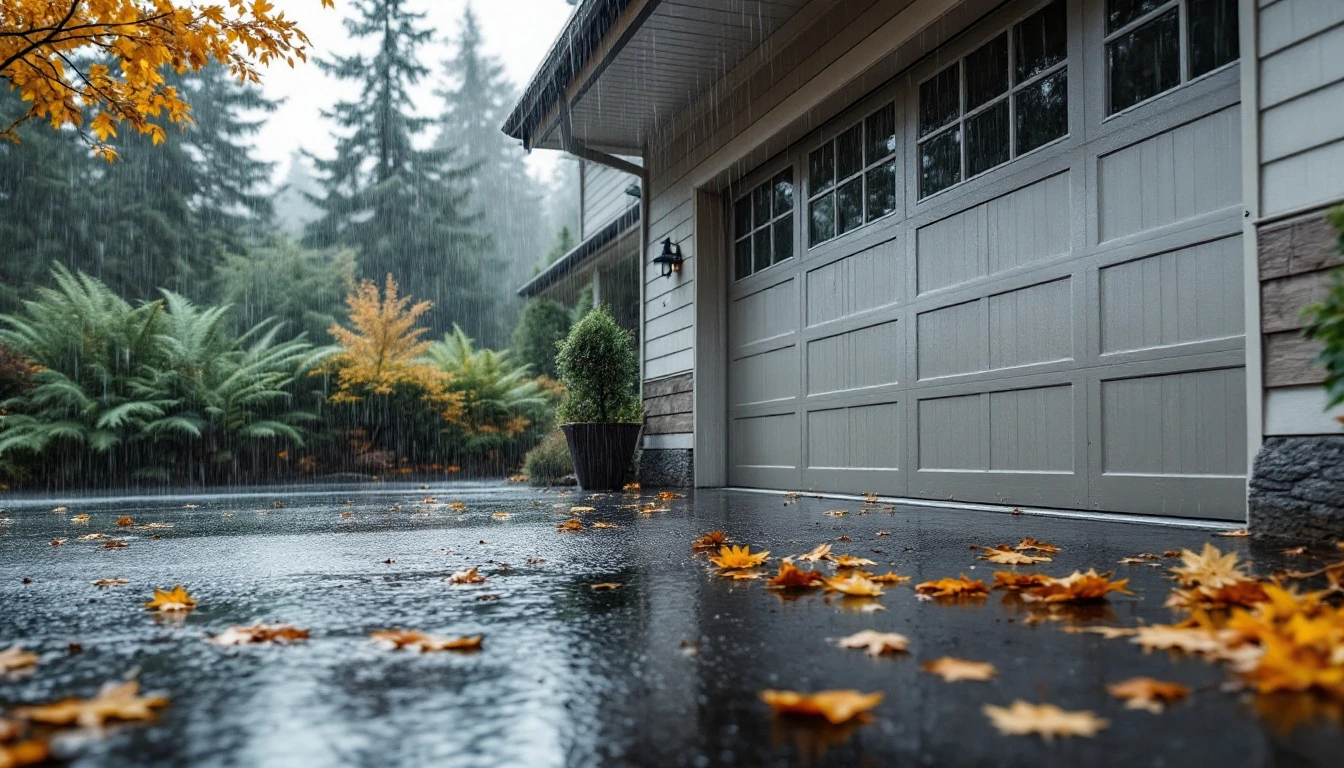
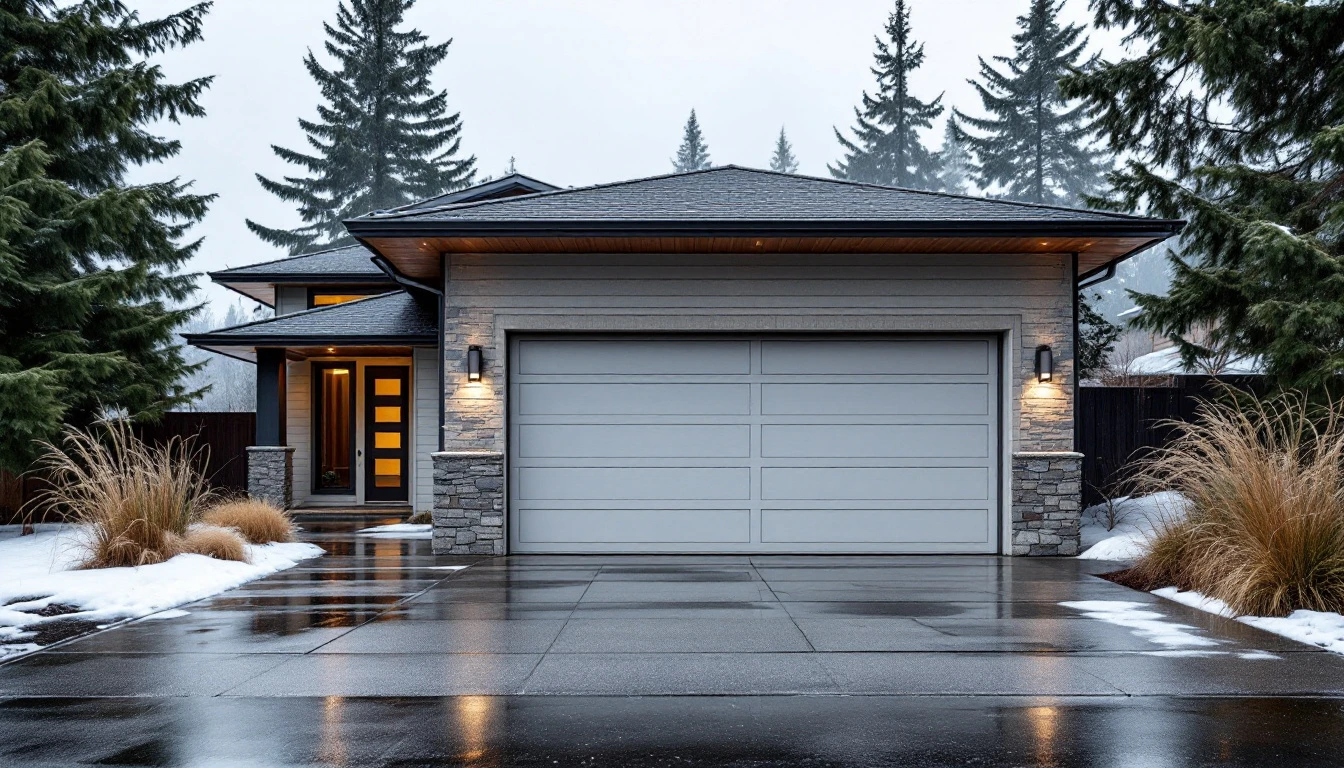
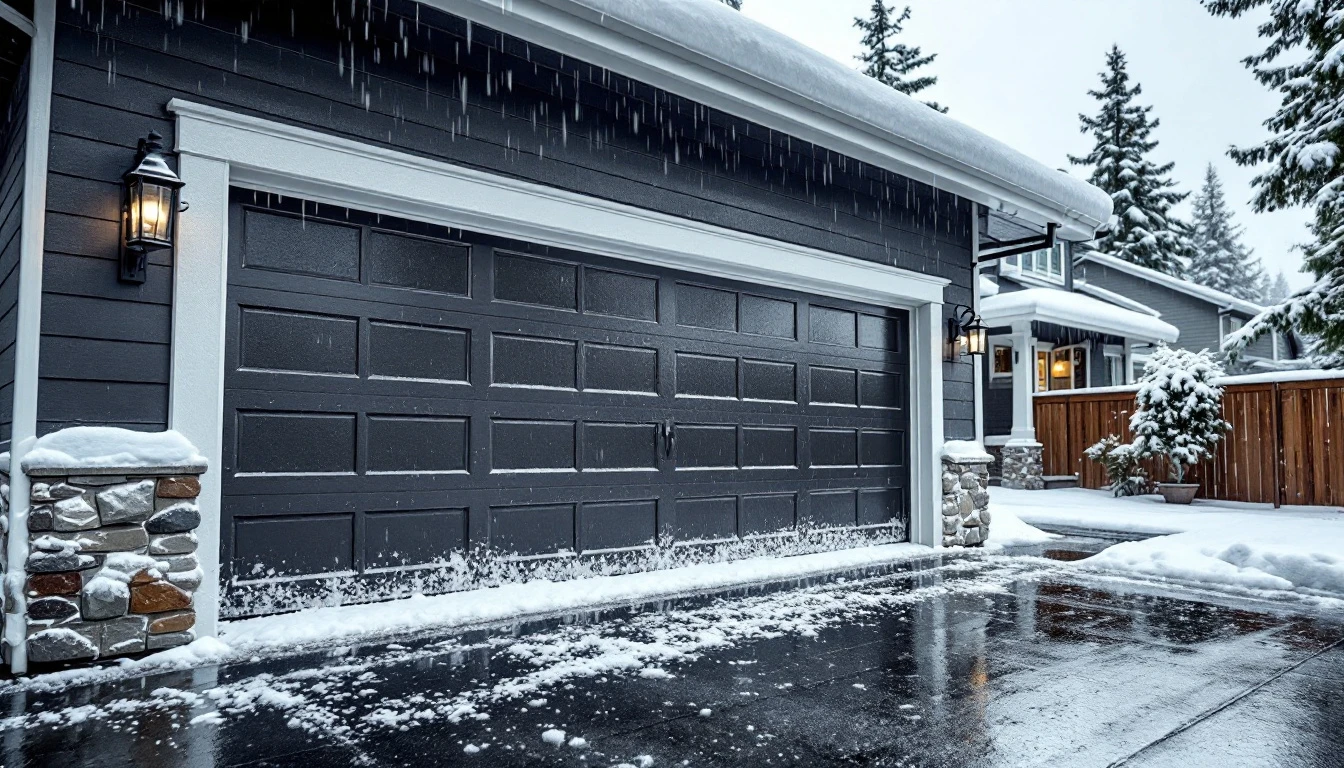
Living in Oregon means enjoying lush evergreen landscapes, but it also means dealing with significant annual rainfall in the Portland metro area. If you’re a homeowner in Portland, Beaverton, or Gresham, choosing the right garage door material Oregon wet climate demands requires careful consideration. The wrong material can lead to rust, warping, and costly repairs that proper planning could have avoided.
Your garage door faces constant moisture exposure from October through June. Pacific Northwest weather creates unique challenges that impact everything from paint adhesion to structural integrity. Understanding how different materials perform in wet conditions helps you protect your home and maintain curb appeal for years to come.
Understanding Oregon’s Wet Climate Challenges
Portland’s notorious drizzle isn’t just a local joke—it’s a serious consideration for building materials. The metro area experiences substantial annual rainfall with persistent moisture that creates an environment where corrosion, mold growth, and material degradation happen faster than in drier climates.
Temperature fluctuations compound the problem. Morning temperatures in the 40s followed by afternoon highs in the 60s create condensation cycles that trap moisture against metal surfaces. Neighborhoods near Forest Park or along the Tualatin River see even higher humidity levels, accelerating wear on vulnerable materials.
What does this mean for your garage door? Steel without proper protective coatings develops surface rust within months. Wood absorbs moisture and begins to warp or split. Even aluminum, while naturally rust-resistant, can suffer from corrosion around fasteners and hardware.
Selecting the right material prevents expensive replacement cycles. A garage door properly matched to Oregon’s climate can provide years of reliable service with routine maintenance, while mismatched materials may require earlier replacement, costing thousands in premature expenses. Understanding how to protect your garage door from winter weather extends lifespan regardless of material, but starting with weather-resistant construction provides the foundation for long-term durability.
Best Garage Door Material Oregon Wet Climate Considerations
Not all weather resistant garage door options Oregon homeowners should consider perform equally. Each material offers distinct advantages and tradeoffs in wet conditions. The best garage door materials Portland Oregon residents install depend on budget, aesthetic preferences, and maintenance tolerance.
Steel Garage Doors: Durability and Rust Prevention
Steel remains the most popular choice for Pacific Northwest homeowners, combining strength with cost-effectiveness. Modern steel garage doors feature multiple protective layers that resist Oregon’s wet climate remarkably well.
Galvanized steel receives a zinc coating that prevents rust by creating a barrier between the base metal and moisture. Premium models add polyester or vinyl coating over the galvanized layer, providing superior weather protection. This multi-layer approach prevents the surface corrosion that plagued older steel doors.
Insulated steel doors with thermal breaks offer an additional benefit: reduced condensation. The insulation prevents cold exterior surfaces from meeting warm interior air, eliminating the moisture buildup that accelerates rust from the inside. This matters particularly in attached garages where temperature differences are most pronounced.
Pro Tip: Apply a protective wax coating to steel doors twice yearly—once before the rainy season begins in October and again in spring. This simple maintenance step creates an additional moisture barrier that extends the life of factory finishes.
Regular maintenance remains essential. Inspect weatherstripping, touch up any paint chips promptly, and keep drainage channels clear. Properly maintained steel doors in wet climates can provide extended service life.
Aluminum and Composite Options for Wet Weather
Aluminum naturally resists corrosion without additional treatments, making it an excellent choice for particularly wet exposures. Homes in Sellwood near the Willamette River or properties in Tigard’s low-lying areas benefit from aluminum’s inherent rust resistance.
The lightweight nature of aluminum reduces strain on opener mechanisms—a consideration during Oregon’s wet season when doors can become heavier from absorbed moisture. Modern powder-coated aluminum maintains its appearance better than older anodized finishes, resisting the chalking and fading that sometimes occurred with earlier products.
Composite materials offer another solution. These doors combine wood fibers with polymer resins, creating a material that mimics wood’s aesthetic appeal while eliminating moisture absorption issues. Composite doors won’t split, warp, or require the intensive maintenance that solid wood demands.
Both aluminum and composite options cost more initially than basic steel but require significantly less maintenance. For homeowners who prefer minimal upkeep, this tradeoff often makes financial sense over the door’s lifetime.
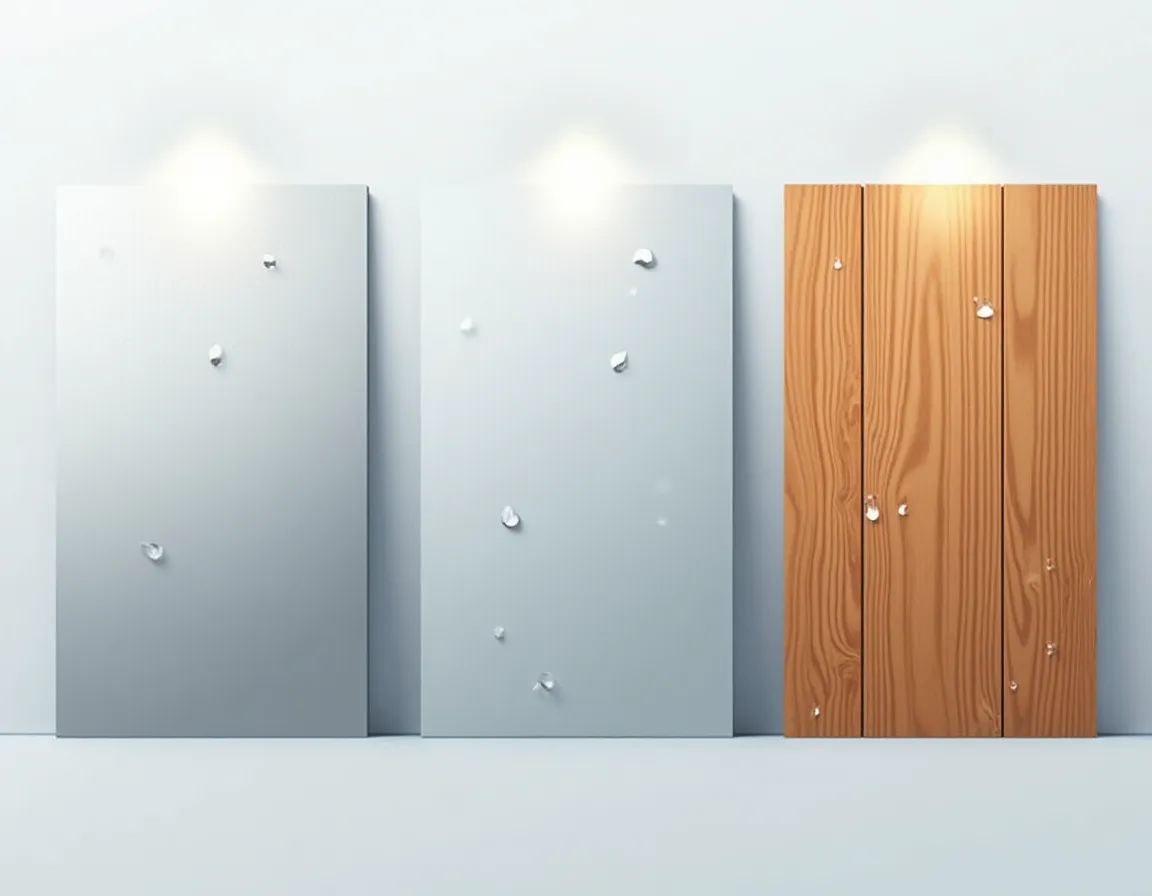
How to Choose Garage Door Material for Your Portland Home
Selecting the right garage door material for rainy climate requires evaluating several factors beyond just weather resistance. Your specific location within the Portland metro affects material performance significantly.
Homes in exposed areas—properties on Bull Mountain in Tigard or along ridge lines in West Linn—face stronger wind-driven rain. These locations benefit from materials with excellent wind resistance and superior water shedding capabilities. Steel or aluminum doors with proper reinforcement handle wind loads better than wood alternatives.
Consider your home’s architectural style. Craftsman bungalows in the Laurelhurst or Irvington neighborhoods might warrant the aesthetic investment in wood garage doors with proper protective finishes. Mid-century homes in Cedar Hills or Progress Ridge often look best with clean-lined steel or aluminum options.
| Material | Initial Cost | Maintenance Level | Wet Climate Performance | Lifespan |
|---|---|---|---|---|
| Galvanized Steel | $ | Low | Excellent | Extended |
| Aluminum | $ | Very Low | Excellent | Extended |
| Composite | $-$ | Low | Excellent | Extended |
| Wood (treated) | $ | High | Good (with maintenance) | 20-25 years |
Energy efficiency matters during Oregon’s cool, damp winters. Insulated doors provide improved thermal performance, reducing heating costs and preventing condensation that leads to mold growth. This consideration becomes particularly important if you’ve converted your garage into a workshop or use it as conditioned space.
Budget considerations extend beyond purchase price. Calculate total cost of ownership including maintenance requirements, expected repairs, and replacement timelines. A composite door costing $2,500 might prove more economical than a $1,800 steel door if it eliminates biannual refinishing requirements.
Weather-Resistant Features and Installation Best Practices
Material selection represents only part of the equation. Proper weatherproofing features and professional installation determine how well any door performs in Oregon’s wet climate.
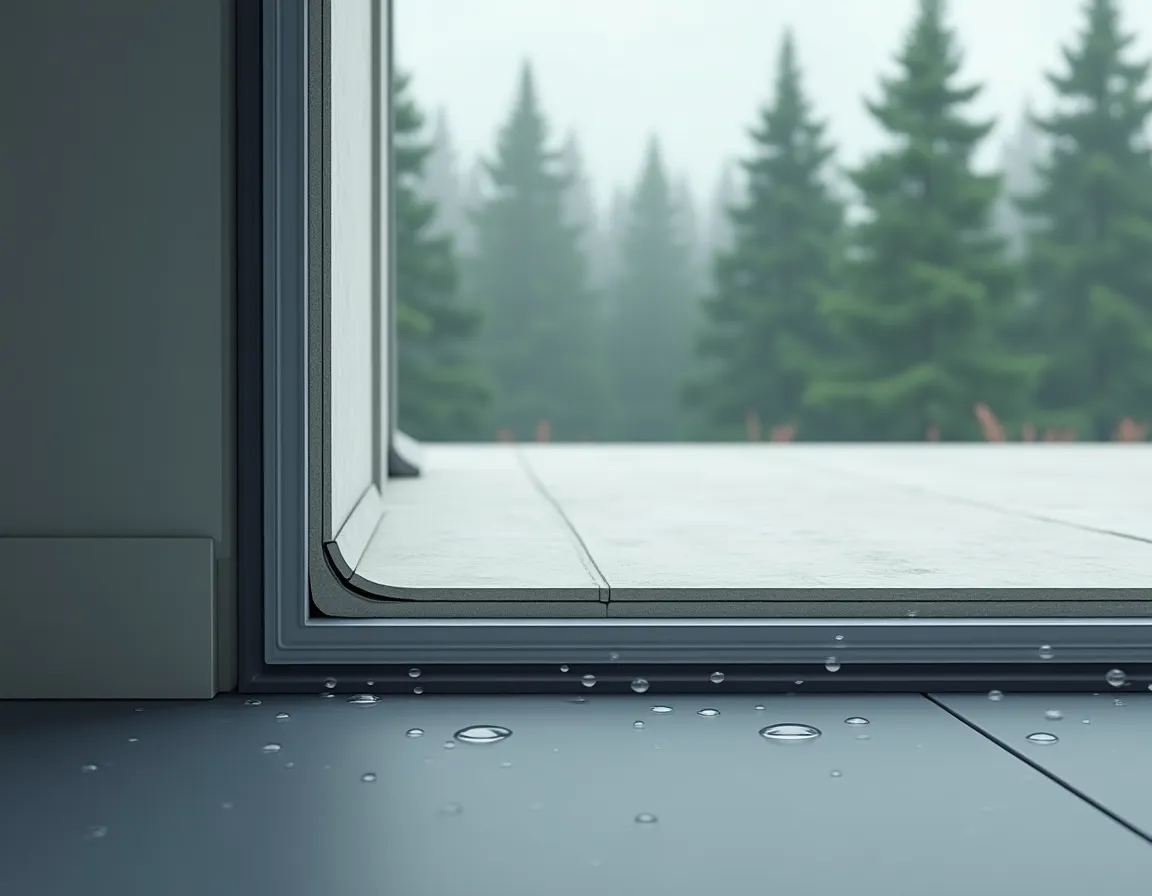
Weatherstripping creates the primary barrier against water intrusion. Quality doors include vinyl or rubber seals along all four edges, with a particularly robust bottom seal that flexes to accommodate uneven garage floors. These seals compress when the door closes, preventing wind-driven rain from entering around the perimeter.
Professional installation ensures correct alignment for optimal water shedding. Doors must hang level with proper slope away from the opening. Even minor misalignment creates low spots where water pools instead of draining.
Drainage design around the garage door opening prevents water from accumulating at the base. Proper grading directs runoff away from the door threshold. In areas with heavy rainfall, consider installing a shallow channel drain if the garage sits at the bottom of a slope or paved driveway.
- Inspect weatherstripping twice yearly—check for compression damage, tears, or gaps that allow water penetration.
- Clean tracks and drainage channels after fall leaf drop to prevent blockages that trap moisture against door panels.
- Test door balance and alignment annually to ensure proper sealing and prevent water intrusion points.
- Apply protective treatments before the rainy season according to manufacturer specifications for your door material.
Regular maintenance schedules prevent small issues from becoming major problems. Following a systematic annual maintenance schedule catches weatherproofing failures before they cause interior damage or structural deterioration.
Maintenance Tips for Garage Doors in Wet Climates
Even the most durable garage door materials Pacific Northwest homeowners can install require consistent care. Preventive maintenance costs far less than premature replacement.
Before each rainy season, inspect all moving parts for signs of corrosion. Hinges, rollers, and springs accumulate moisture and benefit from cleaning followed by application of appropriate lubricants. Use silicone-based lubricants rather than petroleum products, which attract dirt and dust that accelerate wear.
Check door panels for paint chips or coating damage. Small imperfections allow moisture to reach bare metal, starting rust that spreads beneath protective finishes. Touch up any damage immediately using paint matched to your door’s finish.
Clean debris from panel joints and recesses where water can collect. Leaves, dirt, and organic material trap moisture against the door surface, creating ideal conditions for mold growth and finish deterioration. A simple rinse with a garden hose followed by wiping with a microfiber cloth prevents accumulation.
Monitor the door’s balance monthly during wet weather. Moisture absorption can shift weight distribution, causing the door to hang unevenly. An unbalanced door wears hardware faster and may not seal properly at the bottom, allowing water intrusion. Disconnect the opener and manually raise the door halfway—it should stay in position without moving up or down.
Understanding material options and maintenance requirements helps Portland area homeowners develop effective garage door rust prevention wet climate strategies. Building a new home in Happy Valley’s growing neighborhoods or replacing an aging door on your Craftsman bungalow in Alberta Arts—matching materials to our unique climate protects your investment.
At Garage Harmony, we help Portland metro homeowners select and maintain garage doors that withstand our wet climate while enhancing curb appeal. Our team understands the specific challenges Oregon weather presents and can recommend solutions tailored to your home’s exposure, architectural style, and budget. Explore our full range of garage door materials or contact us today to discuss which option works best for your Pacific Northwest home.