Why Hillsboro’s Climate Demands Specialized Garage Maintenance
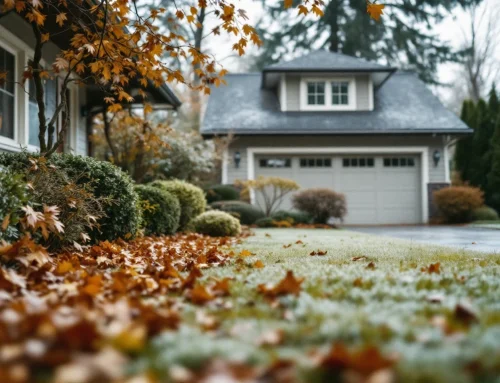
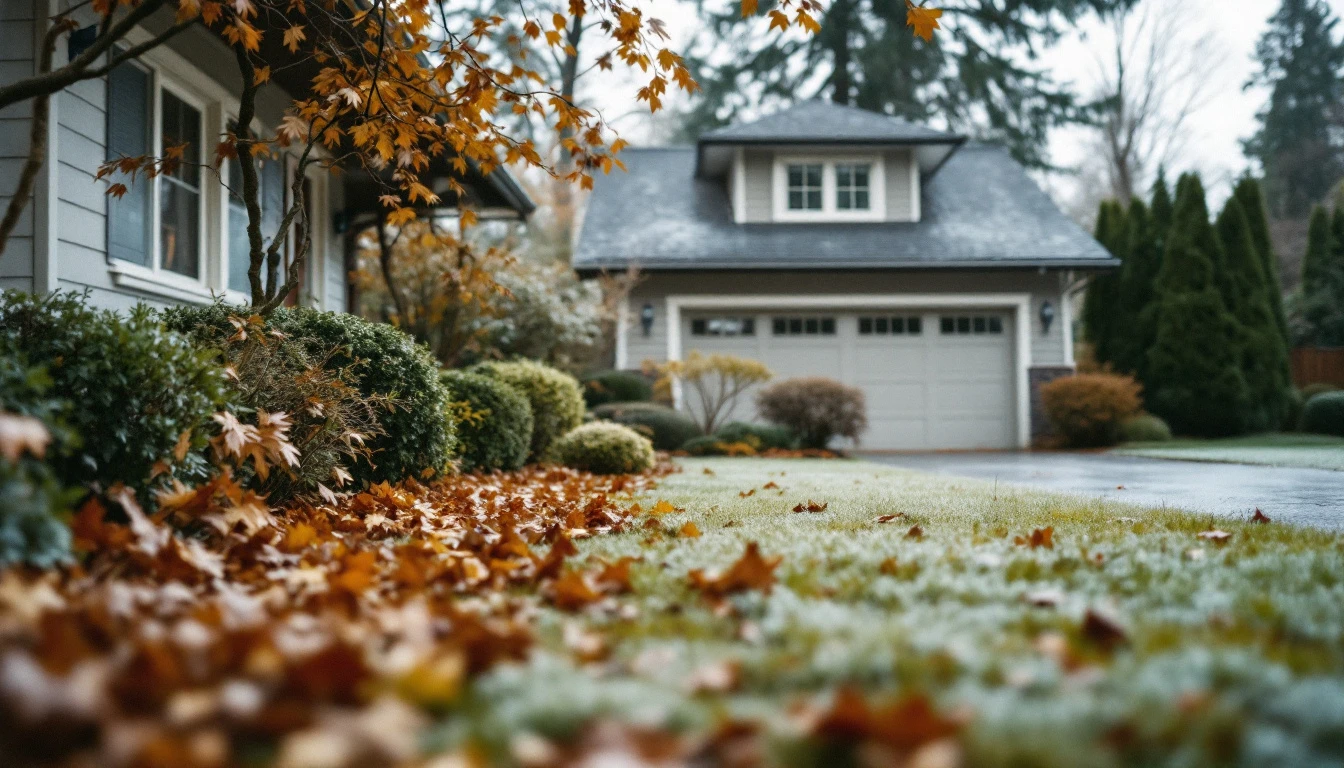
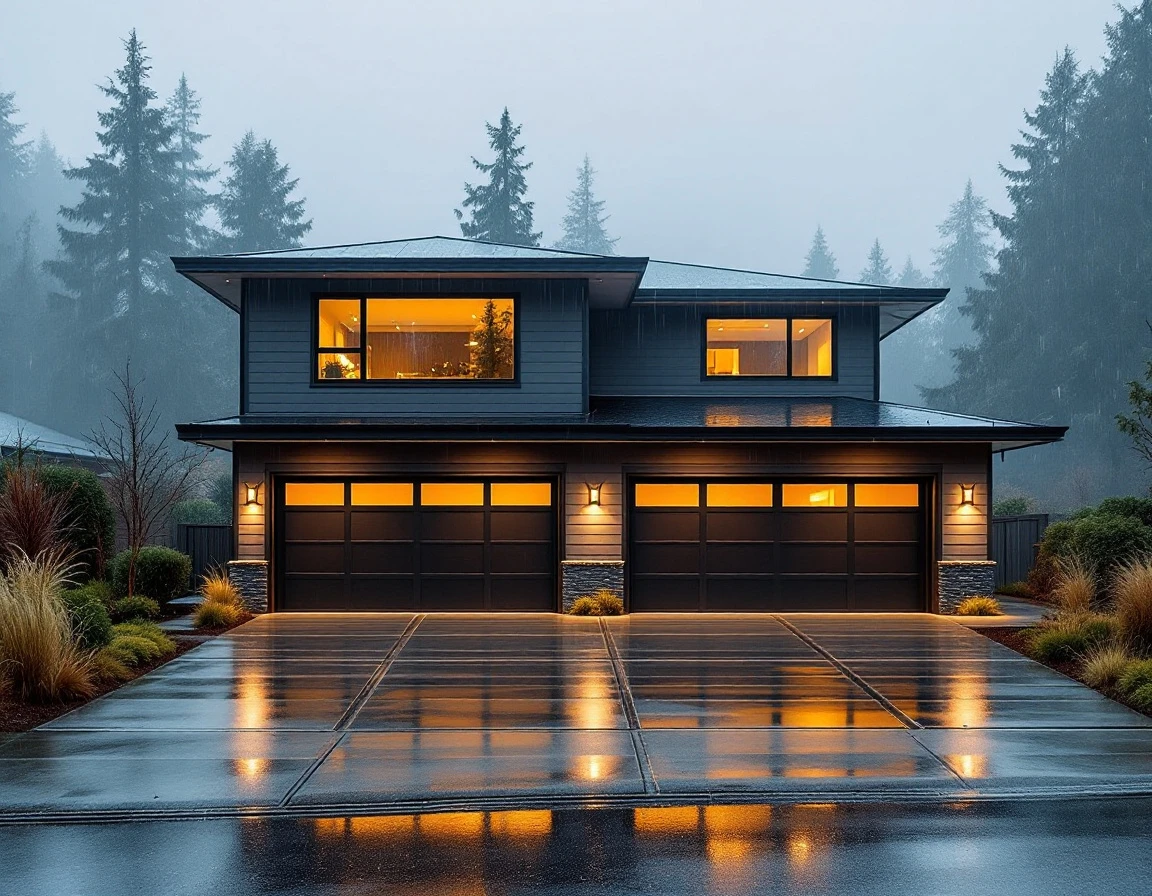
Hillsboro’s explosive growth since the Intel expansion transformed the Tualatin Valley into a hub of modern master-planned communities. These newer neighborhoods—from Orenco Station to Tanasbourne—feature contemporary two and three-car attached garages with electronic openers, complex track systems, and weather seals designed for efficiency. Hillsboro garage maintenance for these systems differs from care requirements for older single…”-car detached garages, because the valley’s cool, wet winters and persistent fog create conditions that older garage systems rarely faced.
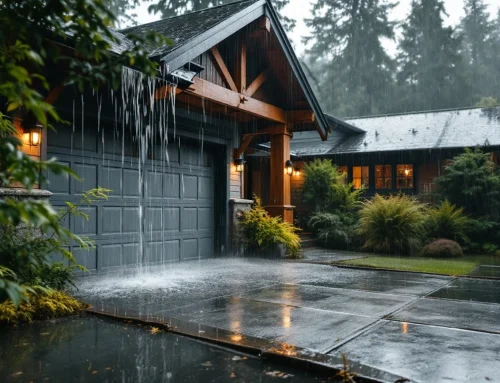
Unlike traditional single-car detached garages with simple manual mechanisms, today’s multi-door garage systems include sensitive electronic components, torsion springs under tension, and rubber seals that respond poorly to moisture. The Tualatin Valley’s climate—with temperatures hovering between 34°F and 47°F from November through March—creates a perfect environment for rust on metal tracks, corrosion on springs, and premature seal deterioration. Morning fog settles in the valley floor, leaving moisture on every surface.
June is the critical maintenance window. Before fall rains begin in October and freeze-thaw cycles stress every component through winter, homeowners who perform preventive tasks protect their investment.
A broken torsion spring in December means emergency service calls during holidays. Corroded tracks discovered in January can require full replacement rather than simple lubrication. Master-planned home garage protection requires materials that demand different care—synthetic lubricants instead of petroleum-based options, stainless hardware in moisture-prone areas, and regular seal inspections that older systems never needed.
Five Climate-Specific Maintenance Tasks for Hillsboro Garage Maintenance
These five tasks form a complete June preparation checklist designed specifically for Tualatin Valley weather conditions. Completing all five before fall creates a protective maintenance shield that prevents the emergency repairs that typically strike between November and February when fog, freeze-thaw cycles, and persistent rain create the most demanding operating conditions.
Task 1: Clean and Inspect Weather Seals and Rubber Gaskets
Remove dirt and debris from all weather seals using a damp cloth and mild detergent. Examine the rubber gaskets along door edges for cracks, brittleness, or gaps where the seal no longer contacts the frame. Rubber gaskets shrink in cool, dry weather then absorb moisture during wet months, causing door misalignment and allowing water infiltration. Replace any damaged seals now to prevent winter water pooling that leads to rust on interior door panels. You’ll need replacement weather stripping (available at hardware stores), a utility knife, and adhesive. Budget 45 minutes for this task.
Task 2: Lubricate Hinges, Rollers, and Tracks
Apply garage door-specific lubricant to all hinges, roller bearings, and track surfaces. Tualatin Valley fog deposits salt-like compounds and atmospheric moisture that corrode metal hinges without proper lubrication. Use a silicone-based or lithium-based garage door lubricant—never WD-40, which attracts dirt and breaks down in wet conditions. Wipe away excess lubricant to prevent dirt accumulation. Focus special attention on roller bearings, which freeze in place when corrosion binds the internal mechanisms. This task takes 30 minutes and prevents the binding, grinding noises that indicate advanced corrosion damage.
Task 3: Test Door Balance and Opener Sensors
Disconnect the opener and manually lift the door halfway—it should stay in place without drifting up or down. An unbalanced door indicates spring tension problems that will worsen under winter ice loads. Test photo-eye sensors by passing an object through the beam during closing; the door should reverse immediately. Sensor misalignment causes safety failures during wet weather when expanding wood frames shift sensor positions. Adjust sensors until indicator lights show solid alignment. This 20-minute test identifies problems while you have time to schedule professional spring adjustment before emergency conditions arrive.
Task 4: Clear Drainage Channels and Weep Holes
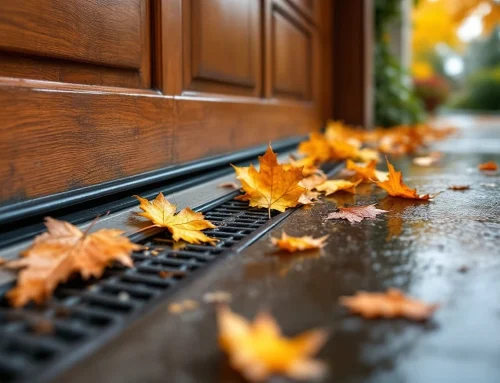
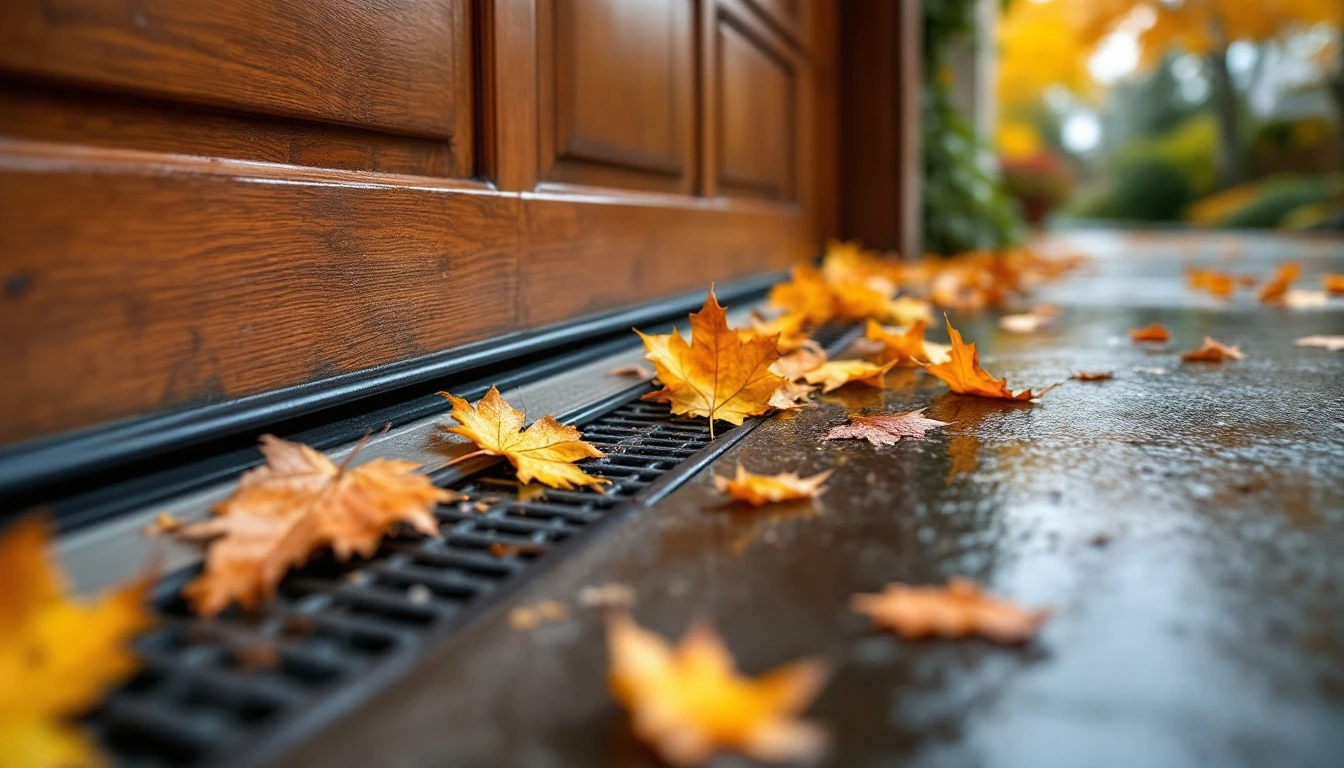
Locate the small weep holes at the bottom of door track channels and clear them using a wire or compressed air. These drainage points prevent water pooling that causes track rust and roller corrosion. Tualatin Valley’s high annual rainfall makes this task especially important—blocked weep holes create standing water that rusts through steel tracks within two seasons. Check garage floor drainage as well, so water flows away from the door area. Plan 15 minutes for this task.
Task 5: Inspect Springs and Cables for Corrosion and Proper Tension
Visually examine torsion springs above the door and extension springs along tracks for rust spots, gaps between coils, or cable fraying. Do not adjust spring tension yourself—this task requires professional expertise due to extreme tension forces. Look for rust streaking, which indicates moisture penetration that weakens spring steel. Check cables for broken strands or fraying near attachment points. If you spot corrosion or damage, schedule professional service in June while technicians have availability. Visual inspection takes 10 minutes and provides early warning of failures that typically occur during the first cold snap when metal contracts.
Task 1: Seal and Gasket Inspection
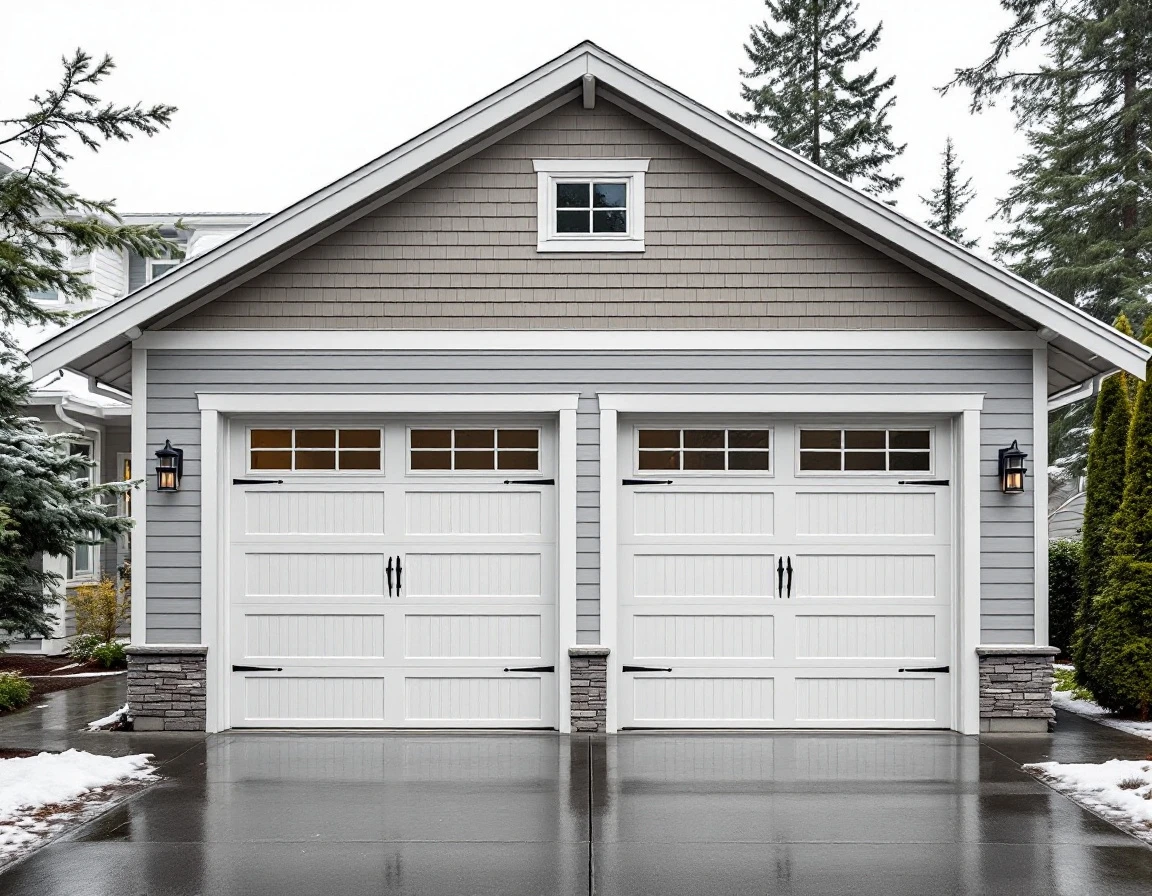
Start your June maintenance routine with a thorough seal inspection—the easiest task on your checklist. Hillsboro’s cool, wet climate accelerates rubber breakdown through constant temperature swings that cause contraction and expansion. Morning fog deposits moisture and salt on weatherstripping, while persistent humidity hardens rubber compounds over time.
Walk around each door and examine all weatherstripping along the edges. Look for cracks, shrinkage, or hardened rubber that no longer compresses when pressed. Check the bottom seal where the door meets the concrete and inspect gaskets around the opener assembly. Healthy seals feel pliable; degraded seals feel brittle or show visible gaps.
When seals fail, water enters your garage, rusts door panels, and damages opener electronics. Replacement costs $50–$150 for DIY or $200–$300 for professional installation. Budget 15–20 minutes per door for inspection—a small investment that prevents major water intrusion problems.
Task 2: Lubrication and Track Cleaning
Tualatin Valley’s persistent fog and humidity create ideal conditions for metal tracks and rollers to oxidize and corrode. This corrosion causes jerky, binding door movement that strains springs and leads to expensive winter repairs when temperatures drop and fog persists for days.
Start by vacuuming or sweeping tracks to remove debris, dirt, and algae buildup that accumulates in wet climates. Next, spray silicone-based lubricant on all hinges, rollers, and track rails. Why silicone instead of oil? Oil-based products attract dirt and moisture, creating sticky residue that worsens binding problems.
Open and close the door several times to distribute the lubricant throughout the moving parts, then wipe away any excess with a clean cloth. This prevents drips and keeps the system operating smoothly.
This task requires modest materials and can be repeated during wet seasons to prevent the oxidation and corrosion that cause binding, premature wear, and costly emergency service calls when your door fails on a foggy December morning.
Task 3: Door Balance and Sensor Testing
Unbalanced doors place extra load on springs and openers, particularly during Tualatin Valley’s cold winter months when metal contracts and fog creates operating stress. This isn’t optional maintenance—it’s a safety checkpoint that prevents emergency calls on frozen February mornings when you’re stuck in your driveway.
Testing Door Balance
Disconnect the opener by pulling the emergency release cord. Manually raise the door halfway and release it. A properly balanced door should stay at rest without moving up or down. If the door falls or rises, your springs are out of balance and require professional adjustment. This imbalance forces your opener to work harder during freeze-thaw cycles, accelerating wear on both springs and motor components.
Checking Safety Sensors
Test your photo eye sensors by closing the door, then blocking the sensor beam with your hand at waist height. The door should immediately stop and reverse. If it doesn’t respond, sensors need cleaning or alignment. Wipe the sensor lenses with a clean cloth, then check that both units face each other directly with solid indicator lights. Misaligned sensors are a DIY fix following your opener’s manual, but persistent issues warrant professional service. Clean, aligned sensors prevent the door from crushing obstacles—a critical safety feature when kids or pets use the garage.
Task 4: Drainage Channel and Weep Hole Clearing
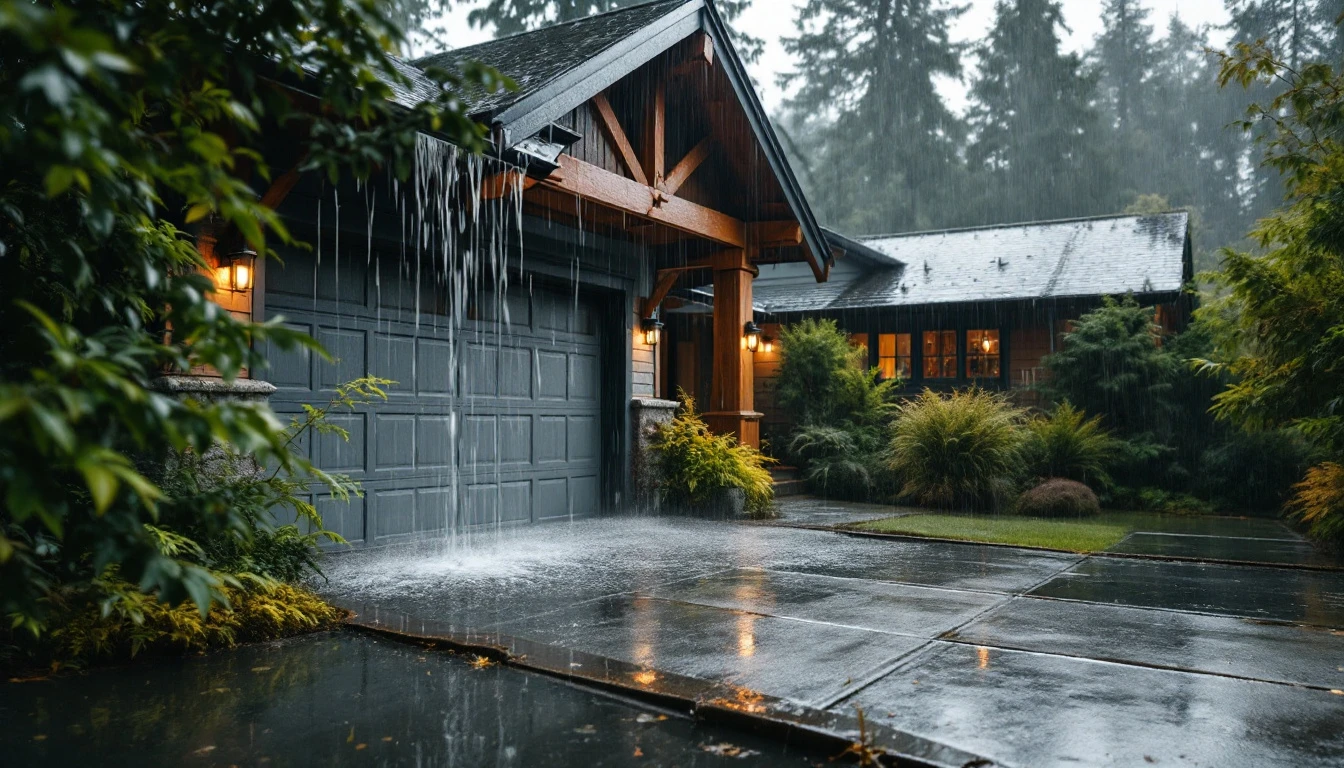
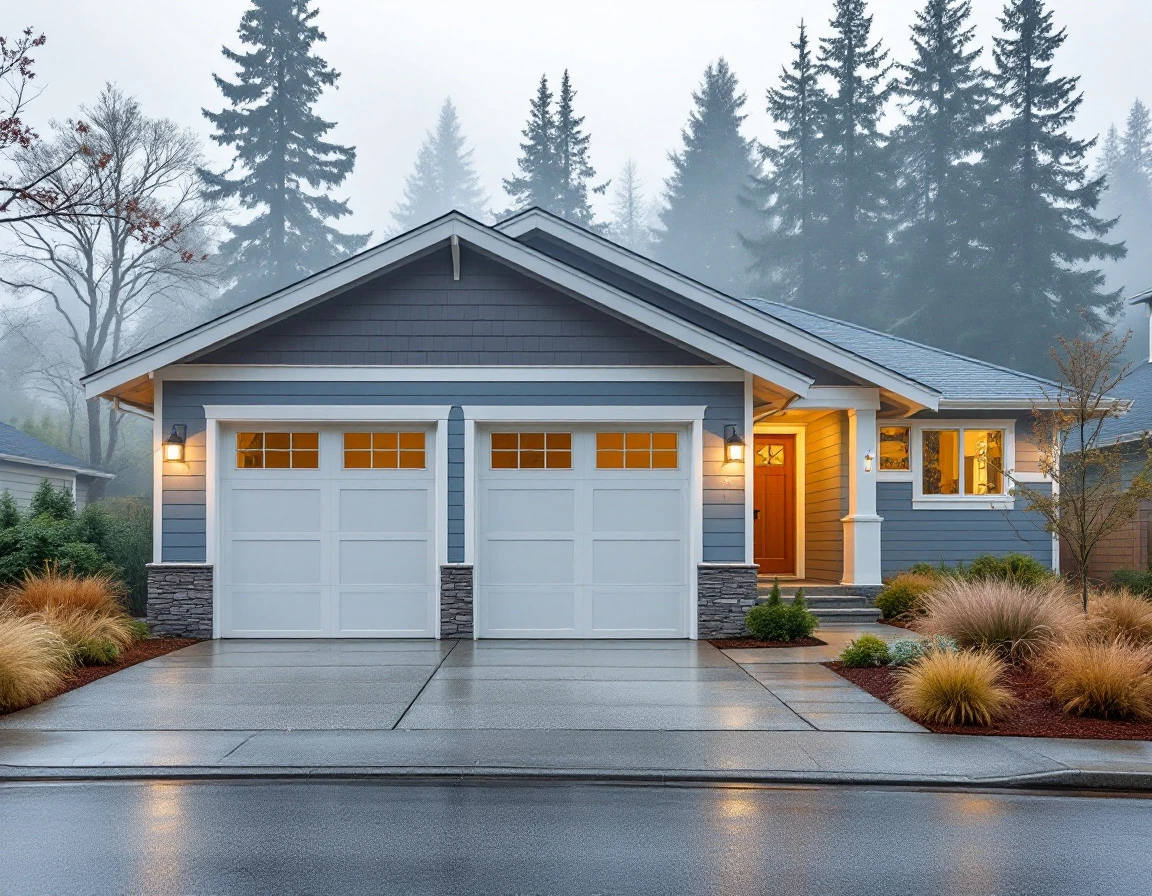
Look at the bottom of your garage door frame, and you’ll spot small holes or channels built into modern doors—these weep holes allow water to escape rather than pool inside the frame. Hillsboro’s Tualatin Valley fog and persistent winter rain cause water to accumulate at the base of door frames and in tracks, and when those drainage paths clog with leaves, dirt, and debris, that moisture has nowhere to go.
Grab a flathead screwdriver and a stiff brush to clear debris from each weep hole. Once clean, pour a small amount of water along the bottom channel to verify it flows outward, away from your garage interior. This 10-minute inspection per door costs nothing and prevents rust stains on the bottom panel, spring corrosion, and ice formation that causes door binding when temperatures drop.
Pooled water rusts the bottom panel, corrodes springs, and creates ice dams during winter freezes. Master-planned communities throughout Hillsboro—from AmberGlen to Orenco Station—include these drainage features in newer construction, but they only work when maintained. This quick win delivers outsized protection against moisture damage that escalates into expensive repairs.
Task 5: Spring and Cable Inspection
Let’s address the reality: garage door springs are the most dangerous component on your door and the most expensive to repair. Tualatin Valley’s freeze-thaw cycles—temperatures oscillating above and below freezing from November through March—cause metal fatigue and corrosion that weaken springs until they snap. A visual inspection in June can catch early corrosion and prevent a mid-winter failure that leaves you stranded.
What should you look for during your inspection? Examine both torsion springs (mounted above the door) and cables for discoloration, white or orange powder indicating rust, visible cracks, or signs of stretching. Do not attempt to adjust or replace springs yourself—the tension required to lift a 150-pound door makes this work genuinely dangerous.
Instead, frame this inspection as a decision point. If you see rust on your springs today, you’re likely facing an emergency repair during peak winter demand when costs spike and schedules fill quickly. Professional inspection gives you advance notice and lets you replace springs on your own timeline rather than during a February ice storm when availability is limited and service calls are rushed. You’ll gain schedule control and peace of mind by addressing corrosion early.
DIY vs. Professional Service Decision Framework
Not all garage door maintenance tasks carry the same risk. Understanding which jobs are safe for DIY and which require professional expertise protects both your safety and your investment.
- Tasks 1–2 (weatherseal replacement and track lubrication) are safe DIY projects for any homeowner with basic tools—you’re working with static components at ground level with zero spring tension involved.
- Task 3 (balance and sensor testing) is DIY-friendly if you’re comfortable using a ladder and following step-by-step instructions. However, if testing reveals an imbalanced door, stop immediately and call a professional. Spring adjustments involve components under extreme tension and require specialized tools and training.
- Task 4 (drainage clearing) is a simple visual inspection anyone can perform with a screwdriver or wire.
- Task 5 demands absolute caution: you can visually inspect springs for rust and corrosion, but spring replacement or adjustment is always a professional-only job. Springs are under extreme tension and can cause serious injury or death if mishandled.
When in doubt, schedule a professional tune-up this June. A service visit includes balance testing, sensor verification, and spring inspection—a smart investment in preventing winter emergencies.
Choose DIY for the simpler tasks this weekend. Schedule a professional check-up for the more complex tasks before July if you’re uncertain about any component.
Next Steps: Protect Your Investment Before Winter
Hillsboro’s newer master-planned homes are built to last—but garage systems need proactive care to deliver decades of reliable service. These five climate-specific tasks, completed by the end of July, extend system lifespan by more than ten years and prevent emergency winter repairs when Tualatin Valley fog and freeze-thaw cycles put maximum stress on springs, seals, and openers.
You can complete tasks one and two this weekend in about ninety minutes: inspect and replace weather seals, then clean and lubricate tracks and rollers. Schedule a professional for tasks three through five—spring inspection, balance testing, and opener safety checks—before July 15th. By August 1st, your garage is weatherized and winter-ready.
Set a calendar reminder for quarterly lubrication every three months and annual balance checks to maintain system health. Hillsboro homeowners who maintain multi-door garage systems proactively avoid thousand-to-twenty-five-hundred-dollar emergency repairs when springs fail or openers freeze during December ice storms.
If you’re unsure about spring condition or door balance, schedule a professional inspection now. Contact Garage Harmony’s Hillsboro team for expert service customized to Tualatin Valley’s wet climate. With the right maintenance now, your investment protects your family and vehicle for decades.