Why Pacific Northwest Humidity Destroys Garage Door Springs Faster
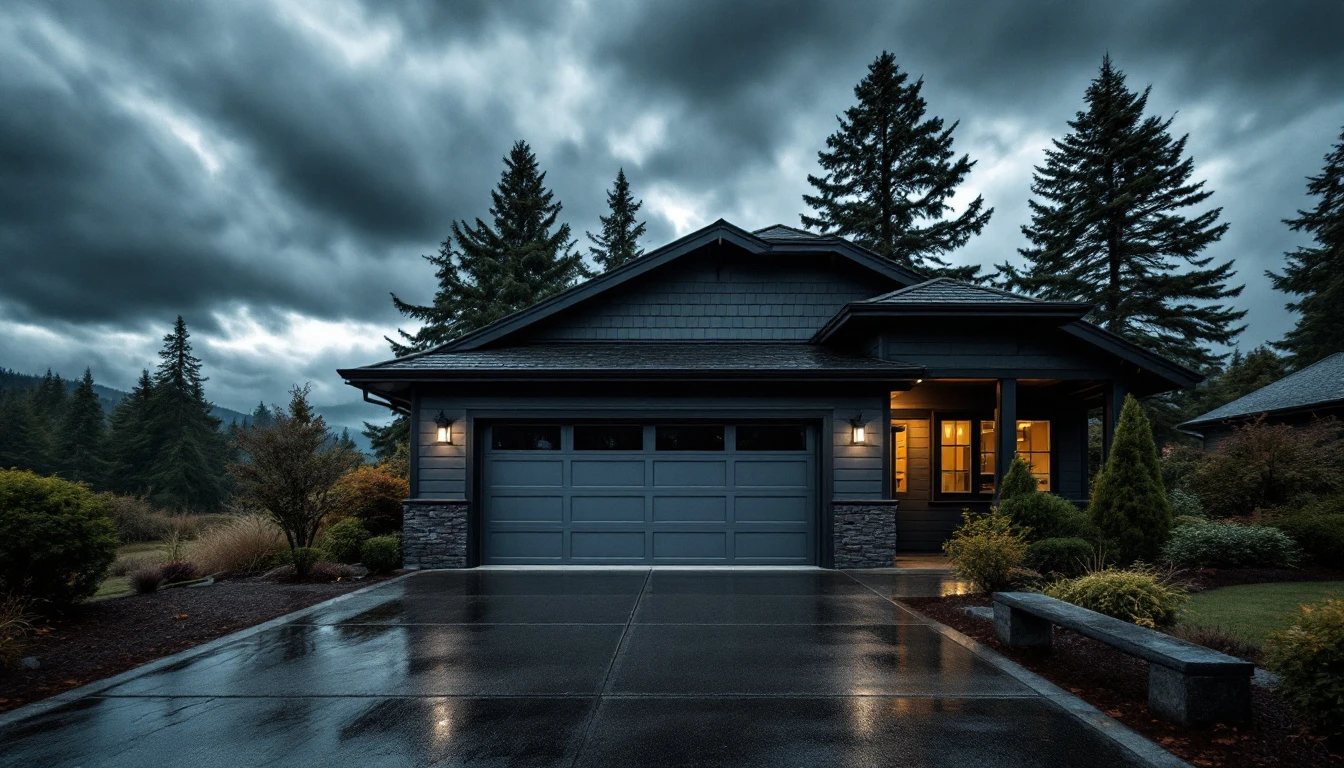
If you live in the Portland metro area, your garage door springs face a relentless enemy: moisture. With more than 220 rainy days annually in our region, uncoated steel springs are constantly exposed to the humidity and precipitation that accelerate rust formation. When water contacts bare metal, it triggers oxidation—a chemical reaction that forms iron oxide (rust) and systematically weakens the spring’s tensile strength. Proper garage door spring maintenance in the Pacific Northwest is essential to combat these conditions.
This isn’t just a cosmetic issue. Spring failure rates increase significantly in wet climates when homeowners skip preventive maintenance designed for high-humidity environments. The rust eats away at the steel coils, creating weak points that suddenly snap under tension—most often during cold winter months when you’re rushing to leave for work or returning home after dark.
Here’s the good news: spring lifespan can be extended by 3–5 years with climate-specific maintenance routines.
Generic care advice from manufacturers doesn’t account for our unique Pacific Northwest conditions. By implementing moisture management strategies tailored to wet climates, you can prevent those emergency winter failures and protect your investment.
Four-Season Garage Door Spring Maintenance Pacific Northwest Checklist
Living in the Portland metro area means your garage door springs face different challenges than homeowners in drier regions. Here’s how to protect your investment through each season, with tasks timed to Pacific Northwest weather patterns.
Fall: Pre-Rain Preparation (September–November)
Before winter storms arrive, inspect springs for any surface rust or corrosion. Apply the following products to springs, cables, and rollers:
- 3-IN-ONE Silicone Spray
- Blaster Silicone Lubricant
These products repel water without trapping moisture like oil-based alternatives. Check your garage floor drainage and clear debris from door tracks that could block water runoff. This is your most critical maintenance window for how to maintain garage door springs in wet weather.
Winter: Active Monitoring (December–February)
During our wettest months, visually inspect springs monthly for moisture accumulation. Wipe down any visible condensation with a dry cloth before it promotes rust. Check that your garage door seals are intact—gaps let in moisture that settles on metal components. Verify floor drains aren’t blocked by leaves or sediment, especially after ice storms common in January.
Spring: Drying and Assessment (March–May)
As rainfall decreases, thoroughly inspect springs for rust damage that developed over winter. Look for the following warning signs:
- Reddish-brown discoloration
- Pitting or flaking
- Gaps in spring coils
- Grinding noises during operation
Dry all components completely and reapply silicone lubricant. This is when you’ll discover whether winter moisture caused significant deterioration. If you notice any of these issues, contact Garage Harmony immediately—springs may be compromised.
Summer: Protective Hardening (June–August)
Our dry summer months offer your best opportunity for protective coating renewal. Clean springs with a degreaser, let dry completely, then apply a fresh coat of silicone spray. Avoid WD-40 or petroleum-based products that attract dust and degrade in moisture. Test door balance by disconnecting the opener and lifting manually—springs should hold the door at hip height. An unbalanced door signals weakening springs that need professional attention.
Print this checklist and keep it near your garage for quarterly reminders. Consistent seasonal maintenance prevents the costly emergency repairs that peak during Portland’s wettest winter months.
How to Inspect Springs for Rust and Early Corrosion
Catching rust early is the difference between a simple maintenance fix and an emergency spring replacement during a February ice storm. But how do you tell if that orange-brown discoloration on your springs is just surface oxidation or a serious structural problem?
Surface rust appears as light, powdery orange patches that might wipe off partially with a cloth. This is manageable with proper lubrication. Deep corrosion, however, shows up as dark, pitted areas where the metal looks eaten away, flaking rust that crumbles off, or visible gaps between coils. If you see pitting deeper than a pinhead or rust that’s worked its way into the coil gaps, it’s time to call professionals like Garage Harmony rather than attempt DIY fixes.
For safe inspection, stand to the side of the door—never directly under it or in its path. Look for rust accumulation around cable drums where moisture collects, at connection points where hardware meets the spring, and in tight coil gaps that trap water. With the door closed, shine a flashlight along the spring length, checking for moisture beads or rust patterns.
Here’s a safe listening test: operate the door from the wall button while standing clear. Rusty springs often produce grinding, squeaking, or popping sounds distinct from normal operation noise. Notice any jerky movement or hesitation—these indicate weakening from corrosion.
Document what you find with dated photos every season. Portland’s wet fall-to-spring cycle means rust can progress rapidly between October and April. Comparing photos helps you track whether surface rust is stable or advancing to dangerous levels, enabling informed decisions about repair timing before you’re facing a broken spring on a rainy Monday morning.
Lubrication and Drainage: The Core Rust Prevention Strategy
In Portland’s rainy climate, preventing water accumulation matters more than applying lubricant. Standing water creates rust hotspots that silicone spray alone can’t fix.
Your first priority is to check drainage points where water pools and accelerates corrosion.
Start with your bottom seal—the rubber strip at the door’s base. Water that seeps past this barrier collects in track channels, targeting spring coil ends where metal meets mounting brackets. Next, inspect the small drainage holes along each track section. Debris from fallen leaves and moss clogs these openings throughout fall and winter, trapping moisture exactly where springs attach. Finally, examine cable pulley areas above the door. These recessed spaces collect condensation during our long wet seasons.
Once drainage paths are clear, apply silicone-based lubricant—never petroleum or lithium products that trap moisture beneath an oily film. Target spring coil ends, cable attachment points, and all hardware connections in early fall before heavy rains begin, then again in late spring after winter moisture subsides. Use short bursts rather than heavy coating. The goal is moisture displacement, not saturation.
This two-step approach—drainage first, strategic lubrication second—directly addresses rust prevention for garage door springs in Portland and wet climates. Clear water pathways, protect vulnerable metal, and you’ll prevent the costly emergency replacements that plague homes without climate-specific maintenance routines.
When to Call a Professional: Decision Tree for Wet-Climate Spring Issues
Some garage door maintenance tasks are safe for homeowners to handle, but spring tension adjustments, cable work, and spring replacement are dangerous DIY projects that can cause serious injury. Springs hold hundreds of pounds of tension, and improper handling can lead to broken bones or worse. Stick to safe tasks like cleaning, visual inspection, and applying lubricant.
When should you call Garage Harmony? Watch for these red flags specific to wet climates:
- Doors sagging on one side (indicating corrosion-induced imbalance)
- Loud cracking sounds during operation (moisture-accelerated metal fatigue)
- Doors binding halfway up (rust-related friction)
If you notice any of these, stop using your door immediately and schedule professional service.
Cost-wise, preventive maintenance visits (-200) are dramatically cheaper than emergency spring replacement during Portland’s rainy season (-500+).
Regular seasonal maintenance prevents the emergency calls that spike during wet months.
Schedule your annual inspection during summer’s dry windows (July-September) when technicians can thoroughly assess and address moisture damage before fall rains return.
Don’t wait for a breakdown during January’s ice storms. Contact us today to schedule your pre-winter inspection while weather cooperates.
Protect Your Springs and Skip the Winter Emergency Repair
By implementing these four seasonal maintenance tasks—fall preparation, winter moisture monitoring, spring corrosion assessment, and summer protective coating renewal—Pacific Northwest homeowners can extend garage door spring lifespan significantly. The benefits are clear: investing in preventive maintenance now prevents substantial costs associated with emergency replacement calls when your springs fail during a December ice storm.
Start with a fall inspection before the rainy season begins. Walk through the visual inspection checklist, clear drainage points, and apply fresh silicone-based lubricant to all moving parts. If you spot deep corrosion, hear unusual noises, or feel uncertain about what you’re seeing, schedule a professional assessment immediately.
Prevention is substantially cheaper than emergency replacement. Contact Garage Harmony today to schedule your pre-winter inspection, or commit to performing the DIY checklist within the next two weeks. Your garage door springs—and your winter peace of mind—depend on it.