Improved Terrain Snow Risk in Amboy
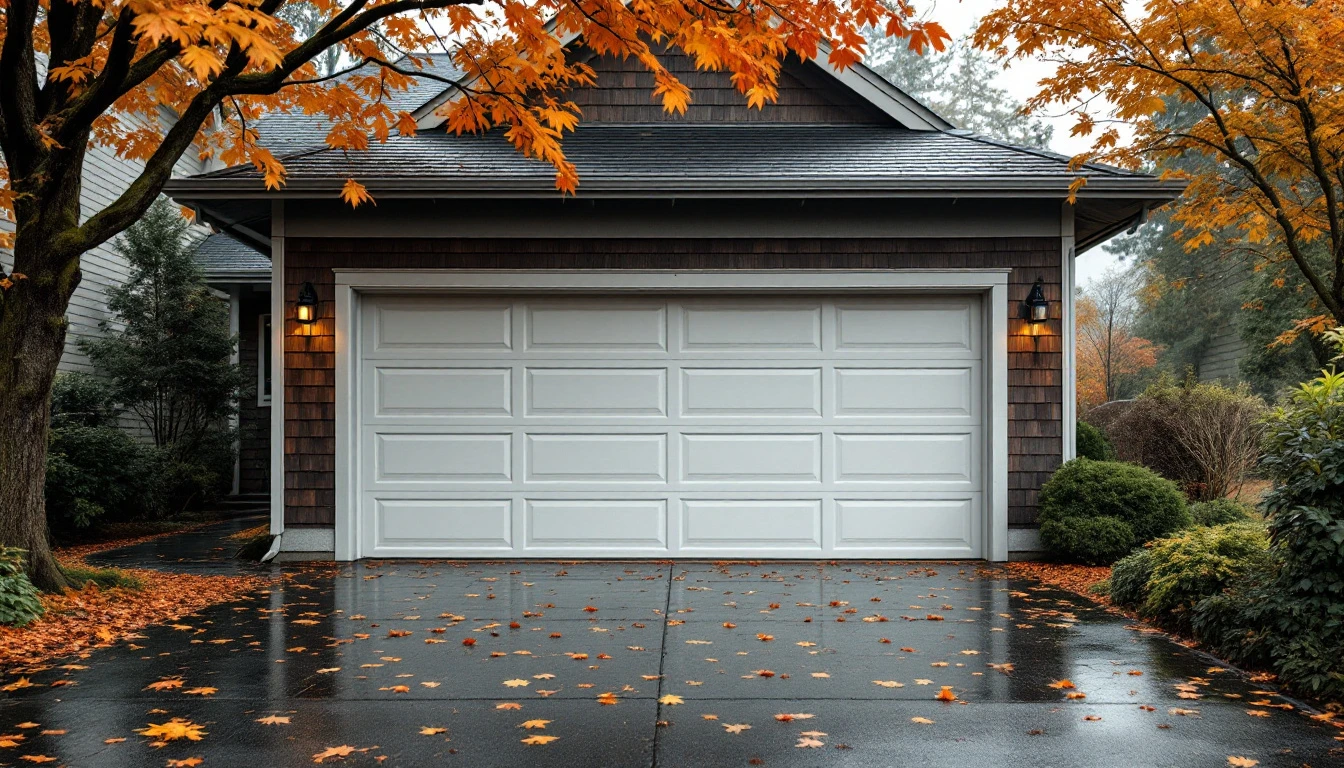
Why do Amboy properties face more winter damage than homes just fifteen miles away in Woodland? Elevation tells the story. Amboy sits in the foothills east of the lowland cities, and that difference in terrain creates a dramatic shift in snow accumulation. Properties in the Amboy area receive 40-60% more snowfall than lowland Clark County locations during typical winter storms. This heavy snow damage garage doors in Amboy more severely than properties at lower elevations.
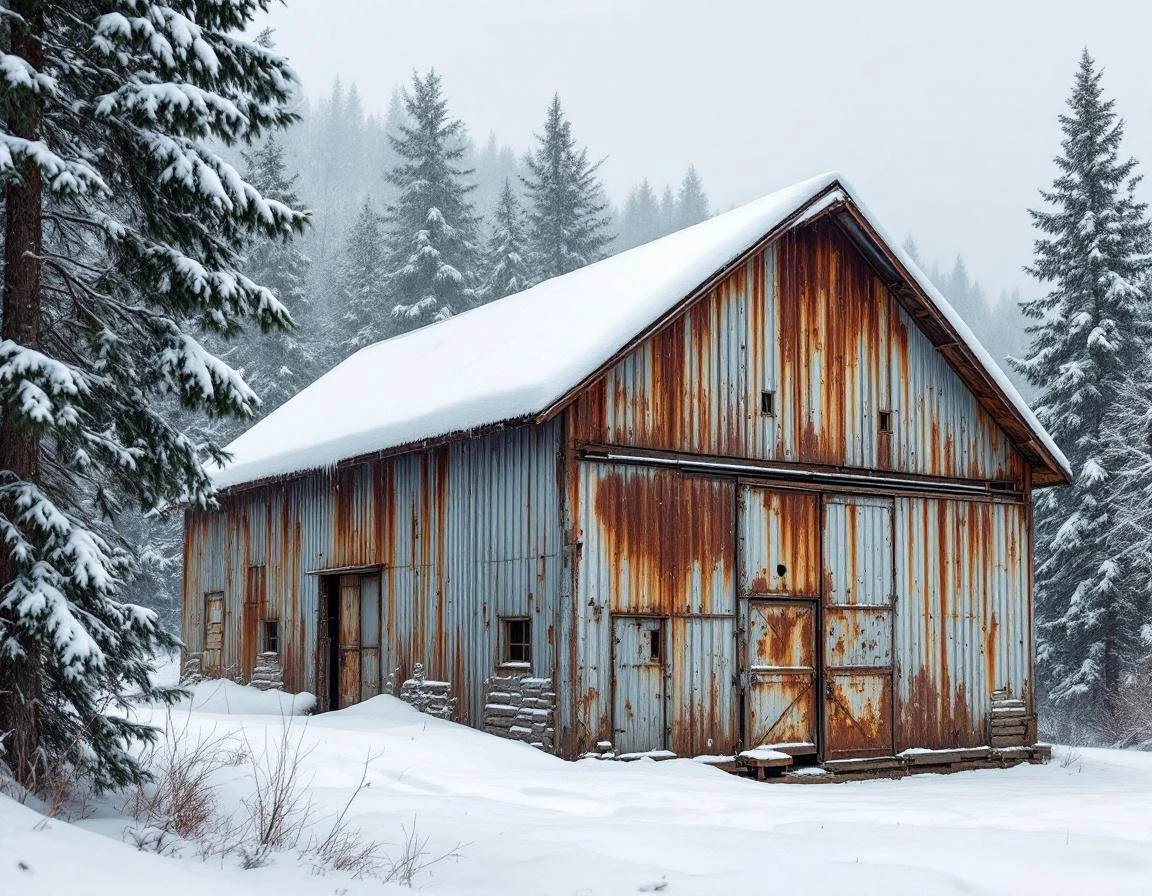
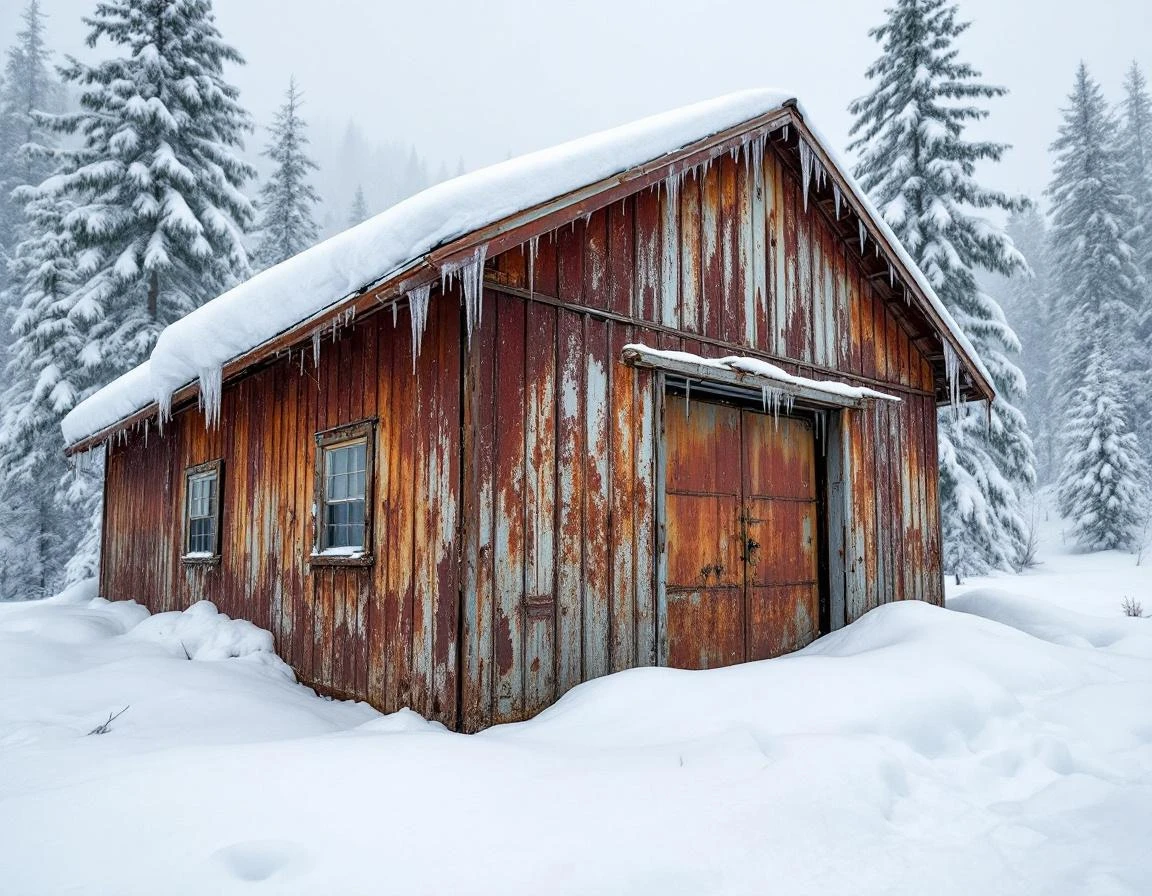
That extra snow isn’t just an inconvenience. Heavy wet snow creates loads exceeding 120 pounds per linear foot on garage door panels. Springs, and tracks. Detached structures face the greatest risk. Unlike attached garages that benefit from home heating and structural support, detached workshops and agricultural buildings in rural Amboy stand exposed to the full force of winter weather.
Spring thaw cycles compound the problem. As temperatures swing between freezing nights and warm April afternoons, ice forms in weatherstripping channels and track assemblies. This freeze-thaw action creates progressive damage that worsens through May as heat accelerates deterioration. What starts as a minor seal gap becomes a track alignment failure that requires emergency repair instead of simple preventive maintenance.
Spring Failure & Track Misalignment Signs
After a heavy winter in Amboy’s foothills, your garage door springs might be silently approaching catastrophic failure. Torsion springs under heavy snow loads fracture at stress points. Often showing no warning until they snap completely—leaving your door inoperable and potentially dangerous. The challenge is catching the damage before it becomes an emergency.
Ice buildup in horizontal tracks creates a chain reaction that accelerates spring failure. When frozen moisture binds the tracks, your springs bear excessive tension asymmetrically instead of distributing the load evenly. This spring failure ice buildup scenario in garage doors weakens metal components through uneven stress that creates micro-cracks. These cracks propagate during spring’s warm-weather expansion cycles, turning minor winter damage into summer breakdowns.
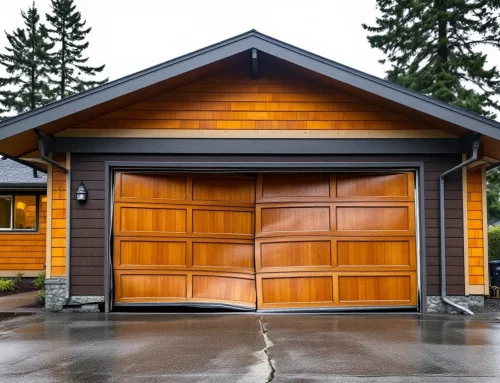
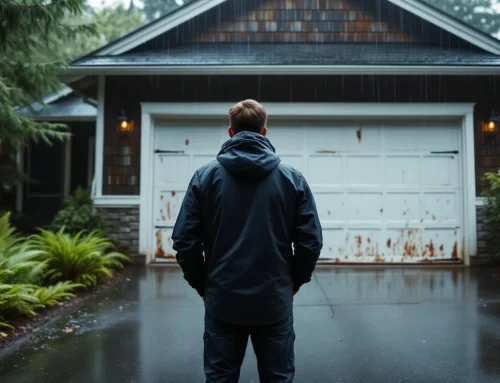
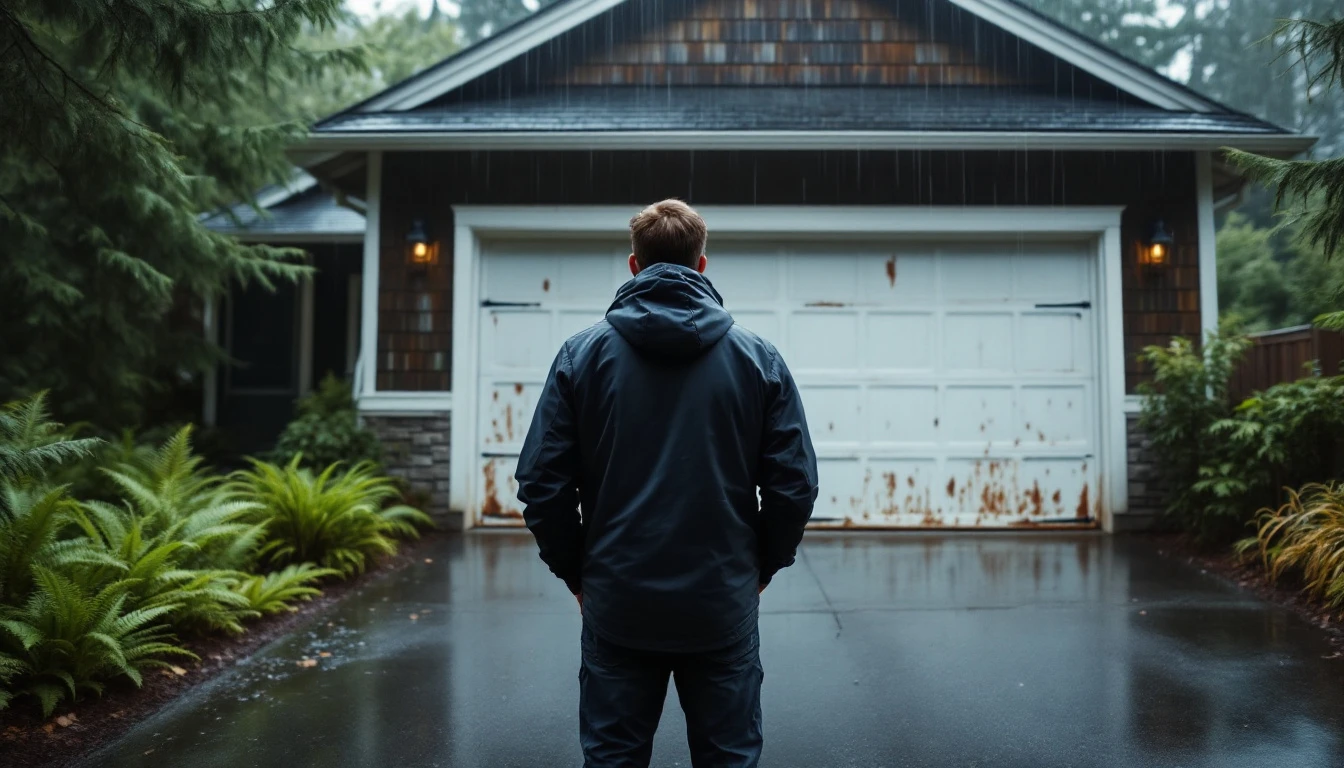
What should you look for during your post-winter inspection? Visible rust streaking down the springs indicates moisture penetration and internal weakening. Watch your door operate: uneven descent on one side signals spring imbalance from winter stress. Listen for audible grinding during operation—this scraping sound means track misalignment or roller damage from ice binding.
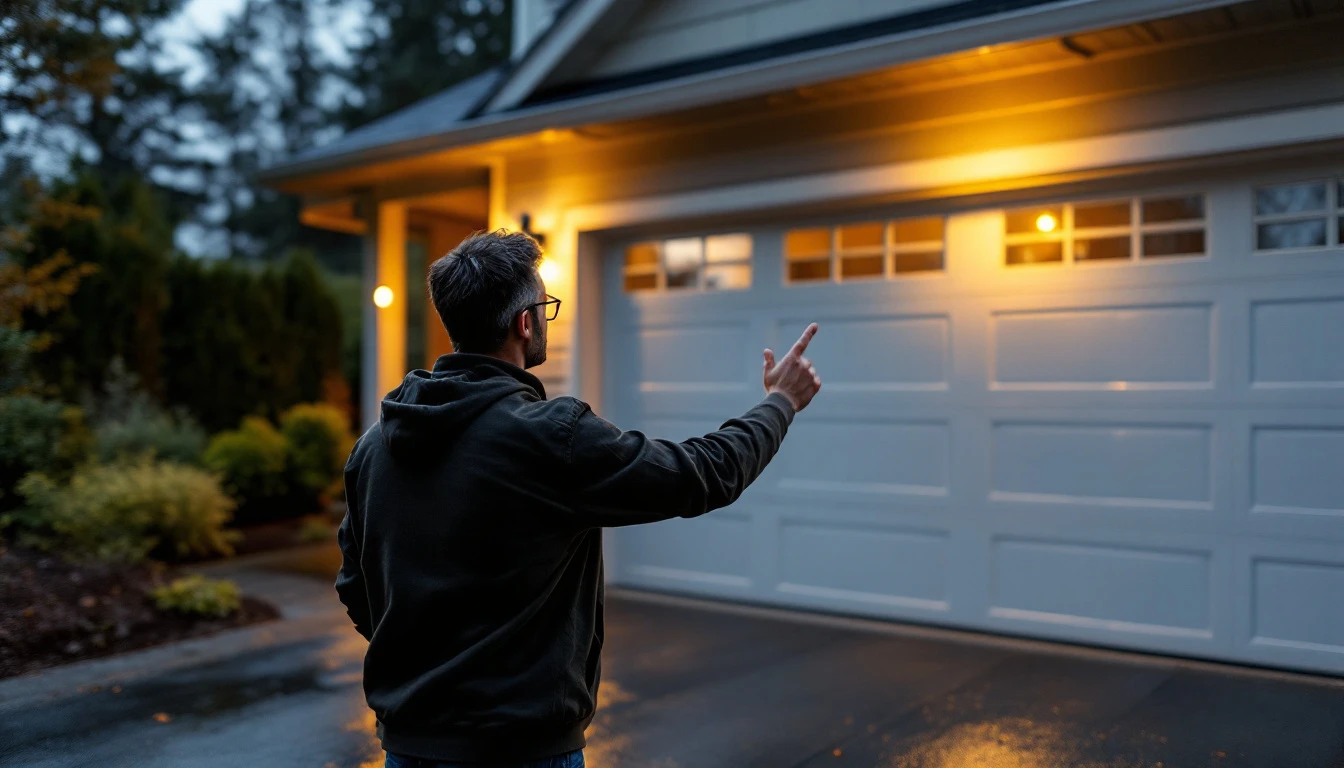
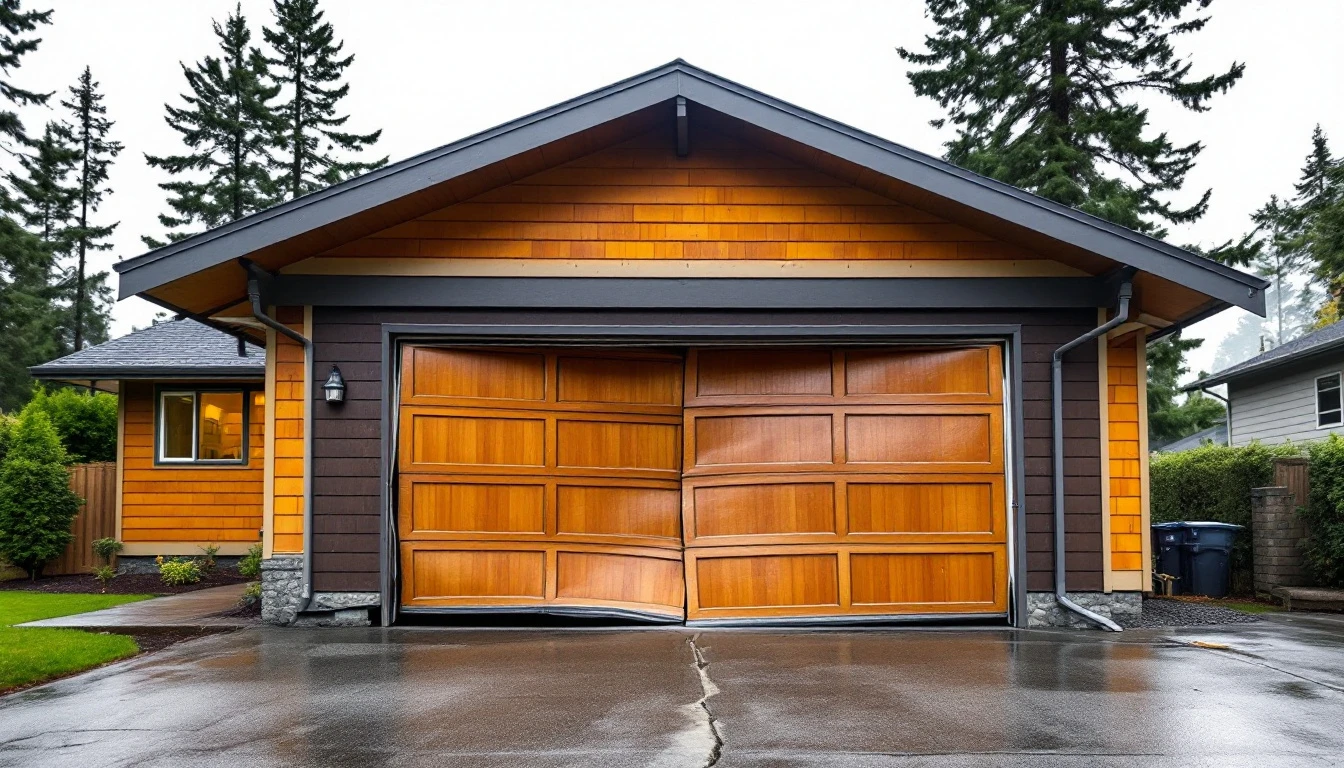
Check for visible gaps between the door and frame when closed. These gaps reveal track misalignment that ice and snow forced into your system. While you can conduct these visual inspections yourself, professional assessment becomes mandatory if you spot rust streaking, hear grinding, or notice uneven movement. Spring replacement under tension requires specialized tools and training—attempting DIY repairs risks serious injury.
Weatherstripping Collapse & Seal Failure
Heavy snow loads compress weatherstripping along garage door bottoms and side seals, permanently deforming the rubber and reducing sealing effectiveness even after the snow melts. Weatherstripping failure from heavy snow in Clark County creates gaps that allow moisture infiltration during spring rains. The freeze-thaw cycles that continue through May in Amboy and the foothills compound the problem, causing bottom seals to crack and split where they contact concrete.
Failed weatherstripping might seem minor, but it opens the door to serious moisture problems. Water seeping under damaged seals accelerates corrosion on metal tools, shop equipment, and exposed fasteners. In agricultural structures and detached workshops common to rural foothills garage door repair in Amboy, this moisture infiltration also promotes wood rot in floor plates and framing members.
Replacing weatherstripping costs between $150-300 for materials and a few hours of DIY work. That small investment prevents water damage to contents and structural components that can easily exceed $2,000 in repairs. Tackle this maintenance task during the April-May window before June heat makes rubber installation more difficult and before July moisture arrives.
April-May Window: Why Timing Matters for Heavy Snow Damage Garage Doors Amboy
Clark County foothills residents face a critical six-week window for addressing snow damage. Spring temperatures between 50°F and 70°F create the perfect environment for metal components to stabilize and rubber seals to harden properly after installation. Wait too long, and you’ll face compounding problems as summer arrives.
Heavy April rainfall in the Amboy area exposes every weakness in compromised weatherstripping. Water intrusion accelerates rust formation and damages stored equipment. Meanwhile, before summer heat reaches 90°F and above, thermal expansion can trigger secondary failures in springs and tracks already weakened by winter snow loads.
The cost difference tells the story clearly: addressing damage promptly keeps repair bills manageable for standard work. Defer until peak summer heat when your garage door fails, and emergency service calls become a financial burden. Summer breakdowns happen at the worst times—when you need reliable access most and when service companies charge premium rates for urgent calls.
DIY Checks vs. Professional Repairs
Homeowners can safely perform visual inspections that protect their families without risking injury. Check springs for visible cracks, rust spots, or corrosion that indicate wear. Look for uneven tension by watching how the door rises—does one side lift faster than the other? These observations help you assess condition without touching dangerous components.
Never attempt torsion spring replacement yourself. These springs store extreme tension that requires professional winding bars and specialized training to handle safely. A spring releasing unexpectedly can cause severe injuries or death. Professional technicians have the tools and expertise to replace springs without putting your family at risk.
Track alignment issues fall into two categories. You can safely check whether tracks appear bent or misaligned by visual inspection. However, straightening or replacing bent tracks typically requires professional equipment for proper door operation and safety. Track misalignment from snow damage in detached garages often requires specialized assessment to prevent further deterioration.
Some repairs work well as DIY projects for rural Amboy property owners. Weatherstripping replacement requires only basic tools and protects against moisture damage. Cleaning debris from tracks and applying proper lubricant to rollers and hinges are safe maintenance tasks anyone can handle. Bottom seal replacement similarly requires no special expertise—just measure, order, and install.
There’s no shame in calling professionals for complex repairs. Protecting your family and property matters more than saving a service fee.
Cost Comparison: Preventive Action Now
What does spring maintenance actually cost compared to letting problems slide? A post-winter inspection combined with weatherstripping replacement runs $150-350 whether you tackle it yourself or hire a professional. Add spring pre-failure service—lubrication, tension checks, and adjustments—and you’re looking at $250-400 total. That’s your investment in prevention.
Now consider the alternative. Emergency spring replacement during peak season climbs to $800-1,500+ per spring when you’re competing with everyone else who waited too long. But the real financial pain comes from secondary damage. Neglected weatherstripping on an agricultural building in Amboy means moisture sneaks inside all spring. By summer, you’re facing $2,000-10,000+ in equipment rust, structural rot, and ruined hay or feed storage.
Think of April maintenance as buying insurance for your home’s long-term health. Investing in preventive care now protects you from the financial burden and stress of emergency repairs down the road.
Next Steps: April Maintenance Checklist
Week 1 (April 1-7): Walk through visual inspection of springs, tracks, and weatherstripping. Take photos of any rust streaking, gaps, or misalignment you spotted. Document grinding noises or jerky movement during operation.
Week 2 (April 8-14): Replace damaged weatherstripping using measurements from Week 1. Clean debris from tracks with a stiff brush and apply silicone-based lubricant to rollers and hinges. Test door operation through 10 complete cycles, listening for changes.
Week 3 (April 15-21): If Week 1 inspection revealed spring wear, track damage, or persistent binding, schedule professional assessment now. Spring installation slots fill quickly as May approaches.
Week 4 (April 22-30): Complete any professional repairs before May 31 to avoid summer service backlog when temperatures make workshop repairs uncomfortable and emergency calls spike. Retest door balance and document completion with dated photos.
Amboy property owners who finish this checklist prevent spring failure, track misalignment, and weatherstripping collapse before summer heat arrives. Research shows that garage door damage during severe weather can lead to associated roof damage. Making preventive maintenance critical for protecting your entire structure. Contact Garage Harmony today to schedule professional spring inspection before May slots disappear.