Seismic Vulnerability in SW Washington & Earthquake Damage to Garage Doors
SW Washington sits in a moderate to high seismic zone, with documented earthquake risk stemming from the Cascadia Subduction Zone and several regional faults. The Cascadia megathrust has produced magnitude 9.0+ events historically, and smaller crustal faults remain active throughout the region. Earthquake damage to garage doors is a frequent consequence of this seismic reality, making preparation essential for homeowners entering fall 2026.
Garage doors are often the weakest structural link in a home during earthquakes. Unlike rigid walls with internal bracing, garage door assemblies rely on flexible framing, springs, and track systems that absorb lateral motion poorly. When the ground shifts, frames can warp, tracks misalign, and springs snap under stress—leaving your garage inoperable.
Attached garages amplify structural movement as the entire home sways, transferring seismic energy directly to door components. Detached units may shift or separate from foundations, creating gaps and misalignments that prevent normal operation.
Three Common Damage Patterns from Earthquake Damage Garage Doors
When seismic forces shake your garage, three damage patterns typically emerge. Understanding what to look for helps you assess severity quickly and decide when to call for help.
Track misalignment and binding occur when horizontal shear forces push the building structure sideways while the garage door tries to stay in place. You’ll notice the door suddenly refuses to close smoothly, stops mid-cycle, or makes grinding noises as rollers catch on bent or shifted tracks. Most damage happens when doors shift off their tracks or when frames lose balance. This happens because the tracks—mounted to wall framing—move with the building while the door panels want to follow their original path.
Spring failure or loss of tension becomes apparent when lateral movement exceeds the capacity of the springs. Listen for loud snapping sounds during or immediately after shaking. You might also notice the door feels unusually heavy when lifting manually, or the opener struggles and reverses unexpectedly. Springs under constant tension are vulnerable when sudden sideways motion adds unexpected stress.
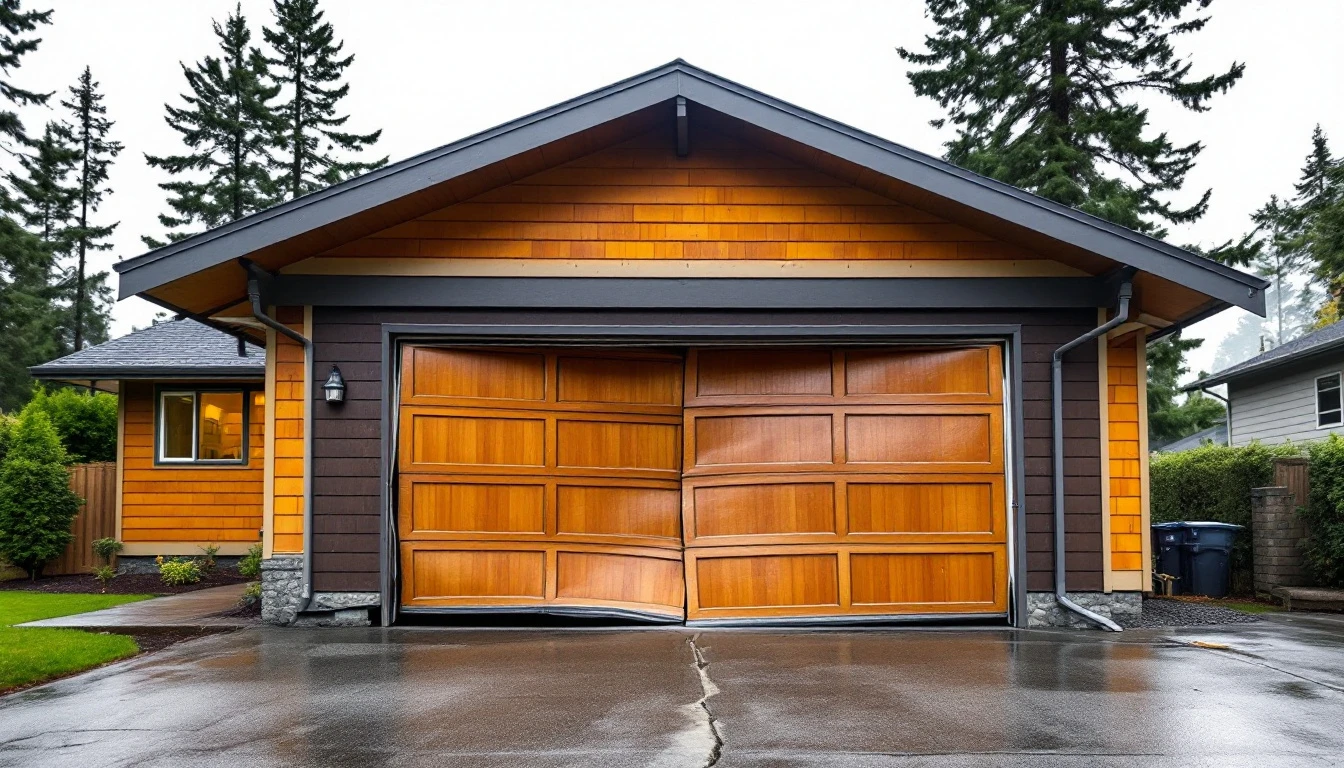
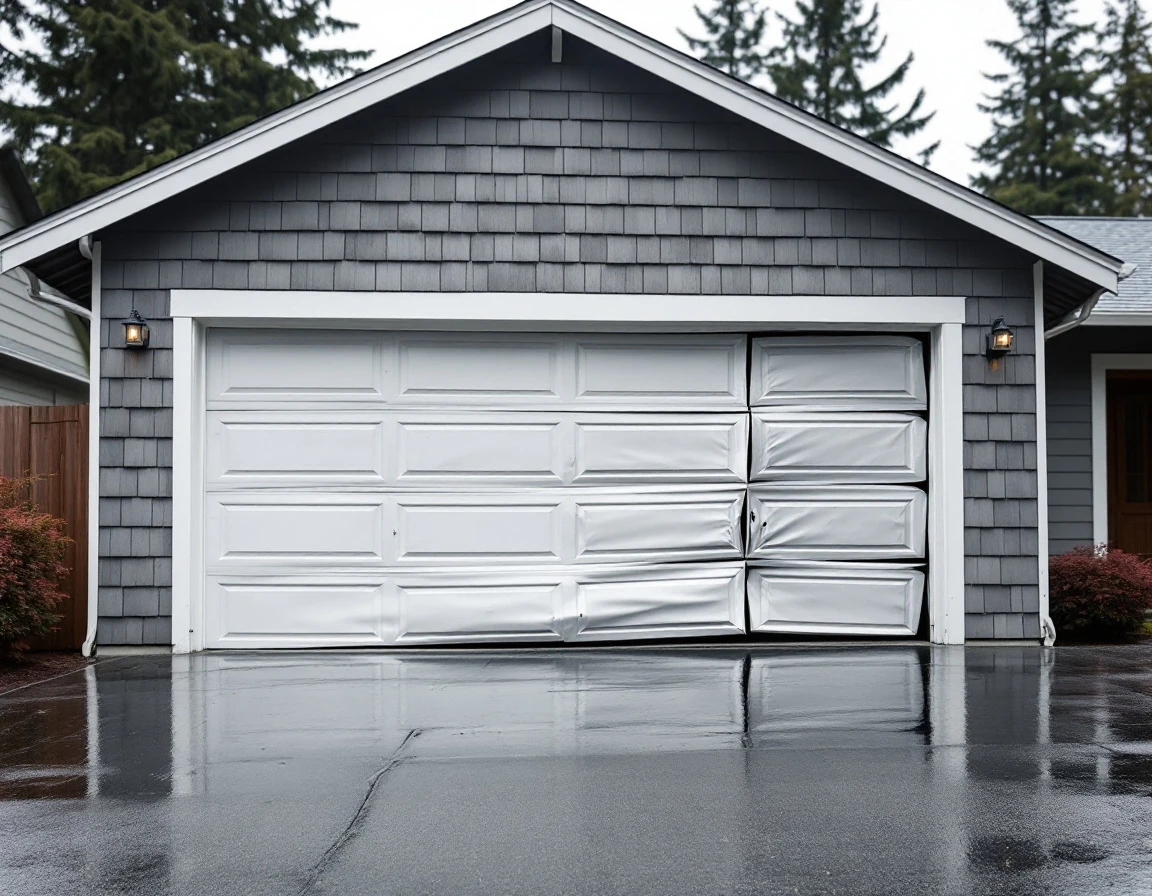
Frame warping and panel buckling show up as visible twisting in the door frame itself or ripples across panel surfaces. When frames bow out of square, the opener can’t function properly—sensors misalign, and the motor strains against binding components.
Post-Earthquake Safety Inspection
Within 24 hours of seismic activity, perform a careful inspection while structural damage is fresh and before secondary failures compound the problem. Begin with visual checks. Walk around the door and examine tracks for bends, dents, or separation from mounting brackets. Look closely at the frame where it meets the wall—gaps or misalignment indicate structural shifting.
Next, test springs by hand without operating the door. Gently press on horizontal tracks to check for looseness, and visually inspect springs for breaks or unusual gaps between coils. Check each panel for cracks, warping, or separation at hinges. If you notice any visible damage, do not operate the door—movement can turn minor issues into complete failures or cause injury.
Why does 24-hour timing matter? Rain, debris shifts, and temperature changes worsen initial damage. Document your findings with photos from multiple angles. These images support insurance claims and help professionals assess repair urgency during your consultation.
Immediate vs. Deferred Repairs
After completing your post-earthquake inspection, you’ll need to triage damage by urgency. Not all garage door issues demand immediate attention—but some pose real safety and security risks that can’t wait.
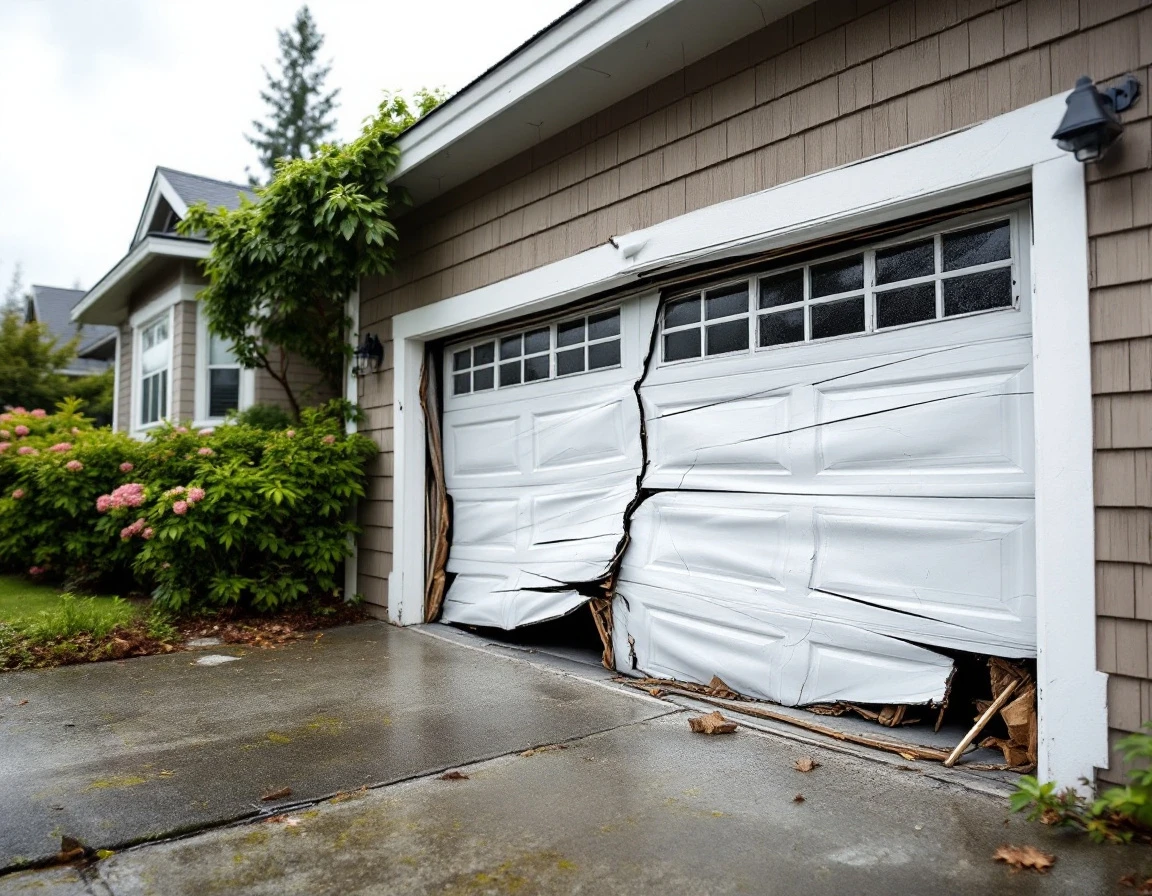
Immediate repairs fall into three categories. First, any damage preventing the door from closing fully creates a security vulnerability and leaves your home exposed. Second, visible frame or panel damage—warped sections, broken panels, or twisted framing—prevents safe operation and can worsen with each use. Third, spring failure requires urgent attention because these components remain under extreme tension and pose injury risk if they fail suddenly.
Deferrable repairs include the following:
- Minor track binding that doesn’t prevent basic function
- Cosmetic dents without structural impact
- Sensor misalignment that you can temporarily work around
These can wait a few weeks without creating additional hazards.
Timing matters in SW Washington. September marks the entry into our rainy season, and any exposed gaps or unsealed damage allows water intrusion that accelerates deterioration. Ground conditions also become unstable through fall and winter, complicating contractor access and repair scheduling. Contact us today to assess your repair timeline.
Professional Assessment & Next Steps
If your post-earthquake inspection revealed any of the damage patterns covered earlier—track misalignment, spring issues, or frame warping—contact a local garage door professional within 48 to 72 hours. Garage Harmony serves SW Washington and can prioritize post-earthquake calls to help you get back on track quickly. When you reach out, provide photos and your inspection notes to accelerate diagnosis and help the technician prepare an accurate repair scope.
Why does professional intervention matter? Garage door springs operate under lethal tension. And determining whether repair or replacement is the safer path requires specialized training and tools. A qualified technician can assess spring integrity, frame alignment, and track condition in ways that protect both your safety and your investment.
Timing is essential. Schedule your assessment before October rain arrives in SW Washington. Delaying allows water infiltration and freeze-thaw cycles to worsen structural damage, turning a manageable repair into a costly replacement. Contact us today to restore your garage door’s safety and function.