

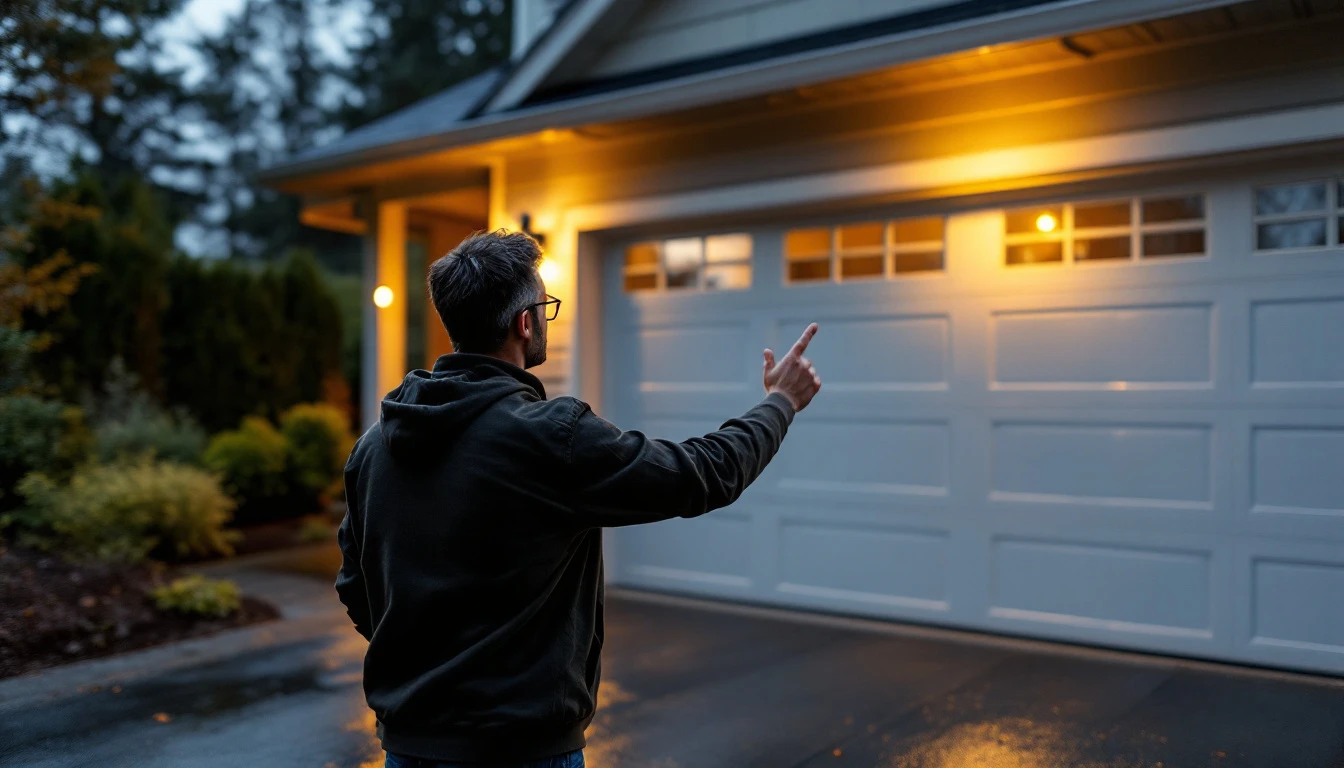
Diagnose Your Garage Door Failure and Won’t Open Troubleshooting
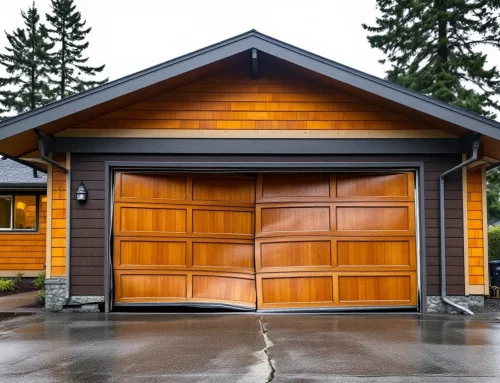
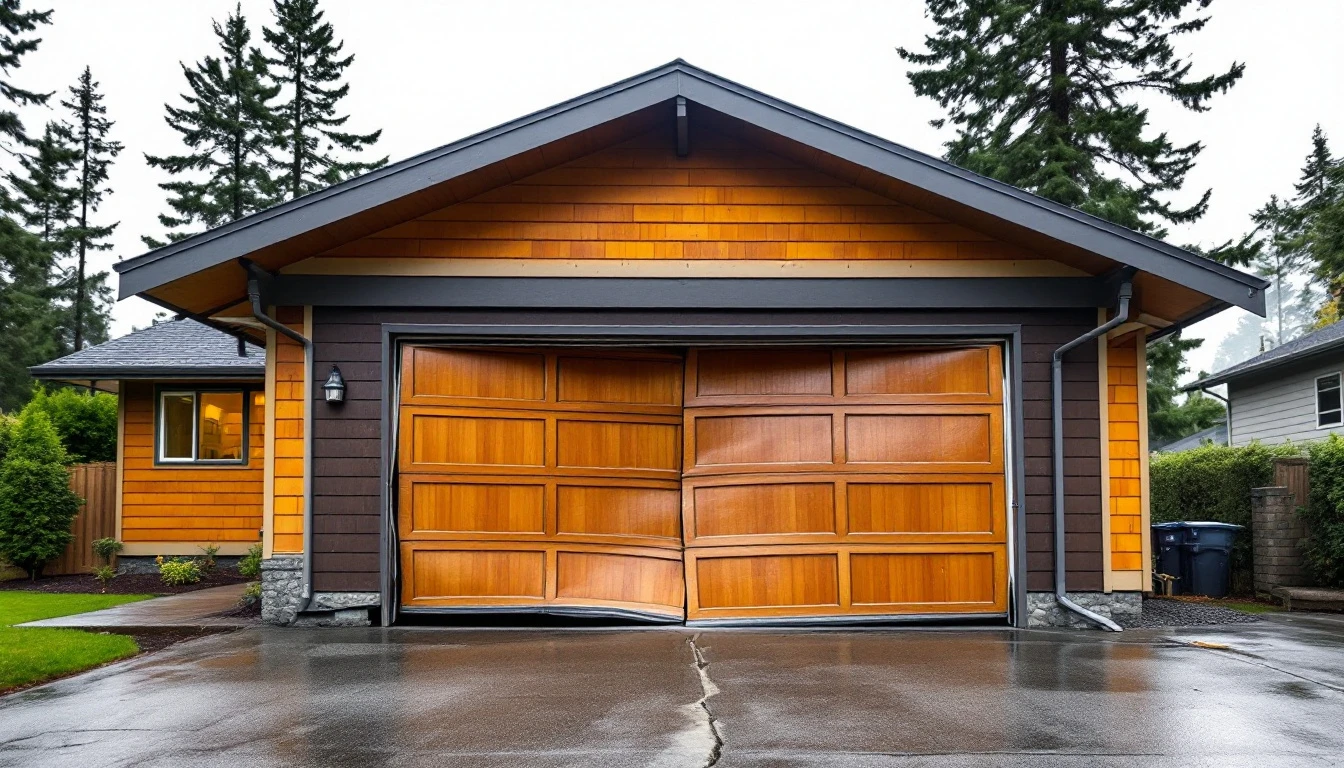
Before you reach for tools or call a technician, spend five minutes identifying the exact symptom by working through garage door won’t open troubleshooting. Is your door completely unresponsive when you press the remote? Does it start to move but stop mid-cycle? Or does the motor hum while the door stays frozen in place? Each symptom points to a different underlying cause, and accurate identification prevents you from wasting time on irrelevant fixes.
Portland’s high humidity and freeze-thaw cycles create unique failure patterns. Metal tracks contract in cold snaps, weatherstripping swells with moisture, and lubricants thicken when temperatures drop overnight. These environmental stressors accelerate wear on springs, cables, and rollers—failures that often appear suddenly during October’s first cold stretch when repair companies are already booking two weeks out.
Your answers narrow the field from dozens of potential issues to just two or three likely culprits. This baseline assessment is the foundation of systematic troubleshooting—and the difference between a fifteen-minute fix and a costly emergency call.
Run through this quick checklist before you troubleshoot: Does the door move at all when you press the opener button? Do you hear the motor running? Is the door physically stuck, or does it reverse immediately?
Remote and Power Supply Checks
Before diagnosing complex mechanical problems, start with the most common culprit: dead batteries. A garage door that seems “broken” often simply needs fresh batteries in the remote. Pop open your remote and replace the battery—most use CR2032 coin cells or standard 9-volt batteries. Test the remote from several distances, including right next to the opener unit.
Next, try your hardwired wall button. Does it operate the door? If the wall switch works but your remote doesn’t, you’ve isolated the problem to the remote itself. If neither the remote nor the wall button activates the opener, you’re dealing with a power supply issue or opener motor problem, not a remote malfunction.
Check that the garage outlet is live by plugging in another device or testing with a voltage tester. This three-minute electrical check rules out simple causes and points you toward the real source of failure.
Physical Obstruction and Track Alignment
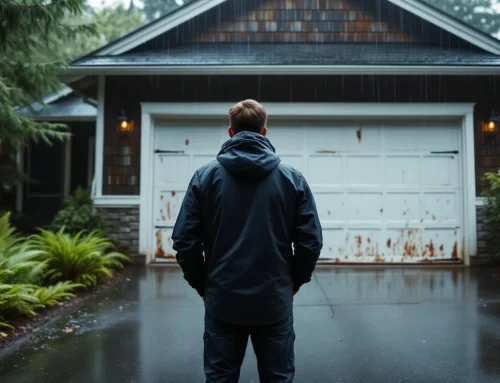
Once you’ve ruled out electrical issues, turn your attention to the tracks. Portland’s wet fall and winter months create ideal conditions for rust formation and debris accumulation—leaves, mud, and standing water all work their way into the vertical and horizontal channels that guide your door’s movement. This is a common reason why a garage door won’t open or why it gets stuck.
Start with a visual inspection of both tracks from top to bottom. September through October brings a steady rain of maple and oak leaves that wedge between rollers and track walls, creating binding points. Look for rust spots, particularly where water pools near the bottom horizontal section, and check for any visible gaps or bends in the metal.
Here’s a simple hands-on test: disconnect the opener by pulling the emergency release cord, then manually lift and lower the door. Does it move smoothly, or do you feel resistance at certain points? That binding sensation tells you exactly where debris or misalignment is causing problems with your garage door stuck situation.
To address track issues, follow these steps:
- Clear out any visible leaves, dirt, or ice with a stiff brush or damp cloth
- Check for minor track misalignment where the track has shifted slightly from the wall bracket. Which can sometimes be corrected with a wrench and gentle adjustment
- Inspect for significant bends or warping in the track itself. Which require professional replacement
Never force a stuck door. Aggressive pulling can snap cables or damage extension springs.
Spring and Cable Tension Issues
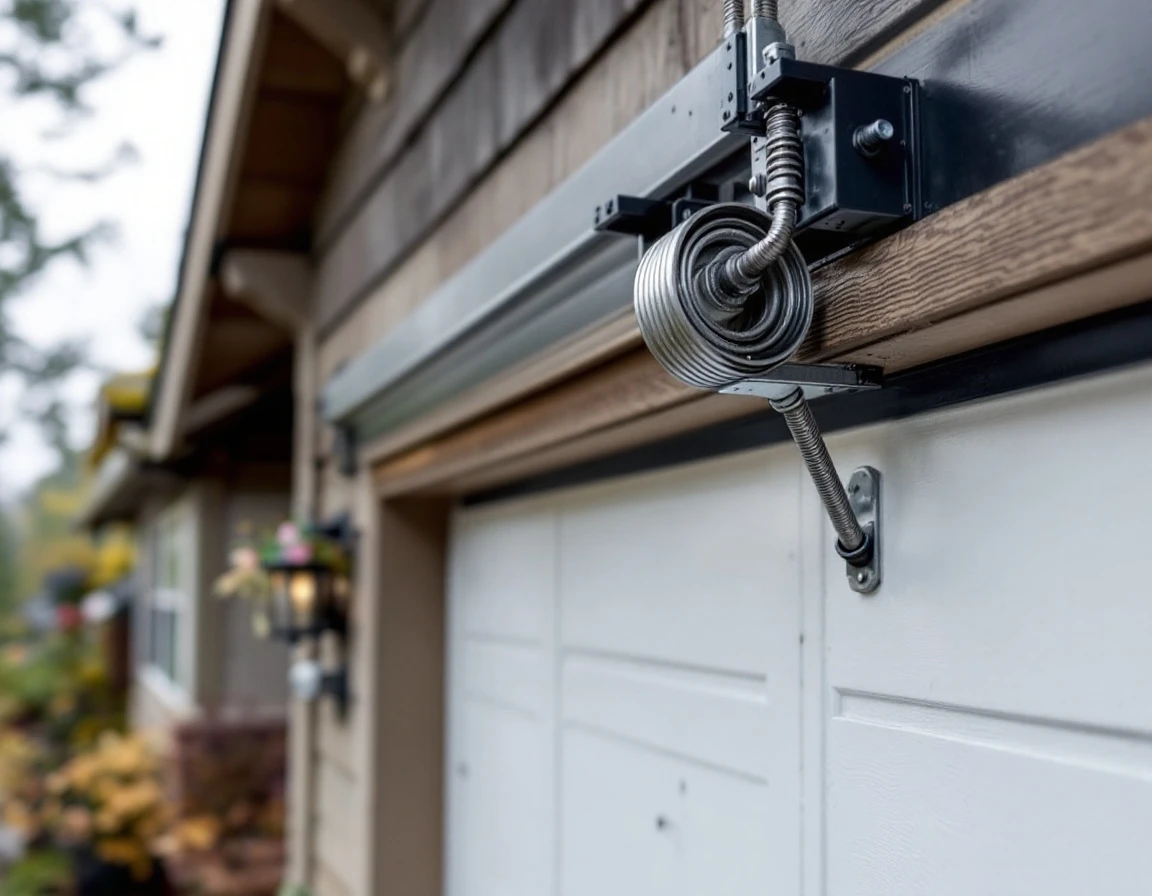
If your door suddenly drops when opening, rises unevenly, or hangs at an angle, you’re likely dealing with a broken spring or cable. These components store enormous tension—hundreds of pounds of force—and represent the second-most common garage door failure mode. This is not a DIY repair. Attempting spring replacement without proper tools and training can result in severe injury or death.
Portland garages typically use one of two spring systems. Torsion springs mount on a bar above the door and break with a loud bang, leaving the door extremely heavy and immobile. Extension springs run along the tracks on each side and may cause one side to sag or the door to tilt when they fail. Both scenarios make the door unsafe to operate manually or with the opener.
Never force a door with a broken spring. The unbalanced weight can crush the door panels, damage the opener, or cause the door to fall suddenly. In the Portland area, professional spring replacement represents a worthwhile investment that varies based on door size and spring type. Emergency calls during October—when service demand peaks before winter—command a premium rate.
If you spot broken coils, frayed cables, or a door that won’t stay up when manually lifted halfway, stop troubleshooting immediately and call a professional.
Sensor Malfunction and Alignment
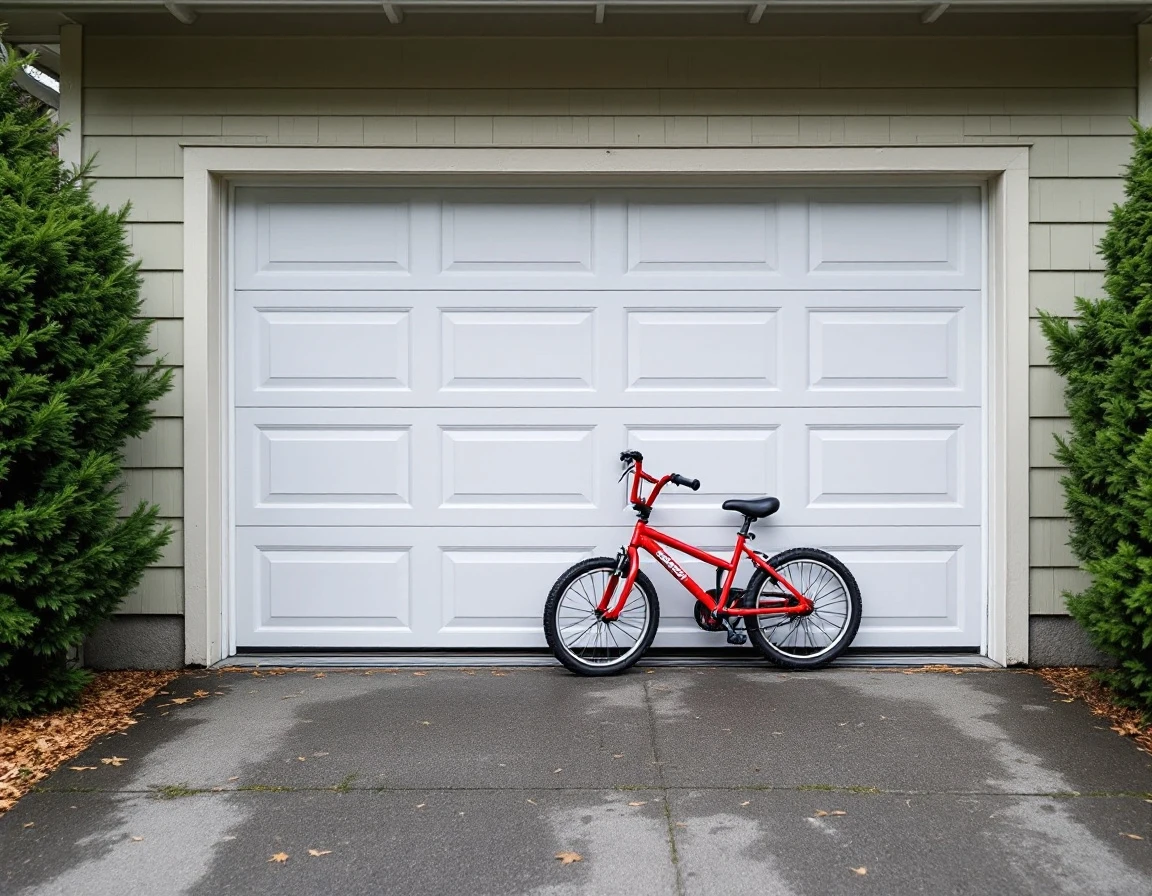
Does your garage door reverse immediately when you try to close it? The culprit is likely your photo-eye safety sensors. These paired infrared units sit on either side of the door opening, about six inches above the floor, and prevent closure if anything—a bike, a pet, or even a cobweb—breaks the invisible beam between them.
Start by checking whether both sensors are at the same height and aimed directly at each other. Portland’s damp fall weather can cause brackets to shift or lenses to collect moisture and dust. Clean each sensor lens with a soft cloth, then test the beam by waving your hand between the units while closing the door. It should reverse instantly.
If the door still won’t close and one sensor light is blinking, gently adjust the bracket until both indicator lights glow solid. Misalignment is often fixable in under ten minutes. When sensors remain dark or unresponsive despite being clean and aligned, replacement units run $50–$100 online and require only basic wiring skills to install.
When to Call a Professional
You’ve worked through the 15-minute troubleshooting sequence—checked batteries, tested the wall button, inspected tracks, and examined sensors. If your garage door still won’t cooperate, or if you spotted broken springs, frayed cables, bent tracks, motor failures, or damaged drum assemblies during your inspection, it’s time to call a professional. These five failure types require specialized tools, training, and safety equipment that make DIY repair both dangerous and impractical.
Timing matters more than you might think. Scheduling a routine service call in late September typically costs $150–$200 and allows technicians to arrive within one to two weeks. Wait until late October when heating season begins and demand spikes? That same repair jumps to $300–$400, and you may face a two-week wait while your garage sits unusable.
When choosing a technician, ask for references from recent customers and confirm they offer service guarantees on both parts and labor. Spring replacement should happen before winter—proactive maintenance prevents failures during freezing temperatures when you need reliable garage access most. Contact Garage Harmony for fast scheduling and transparent pricing.
Most failures can be diagnosed in 15 minutes. Knowing the difference between DIY-solvable problems and professional-only repairs saves you hundreds of dollars before winter demand peaks hit Portland.




Leave A Comment