Central Oregon Climate & Garage Insulation Comparison Guide
If you live in Bend or the surrounding Central Oregon region, your garage faces insulation challenges that homeowners in Portland or Eugene simply don’t encounter. A garage insulation comparison for Central Oregon needs to account for your area’s 3,600-foot elevation, where winter temperature swings can plunge from -10°F overnight to a sunny 40°F by midday. This extreme variability, combined with the area’s seasonal humidity shifts, demands insulation solutions engineered for high-altitude performance.
Why does this matter for your heating bill? Garages that share a wall or ceiling with your living space act as thermal bridges. When your garage walls aren’t insulated, your heat literally walks right out of there—every month, all winter long. That’s money disappearing that could stay in your wallet instead. This heat loss compounds month after month, making it one of the most avoidable drains on your heating budget.
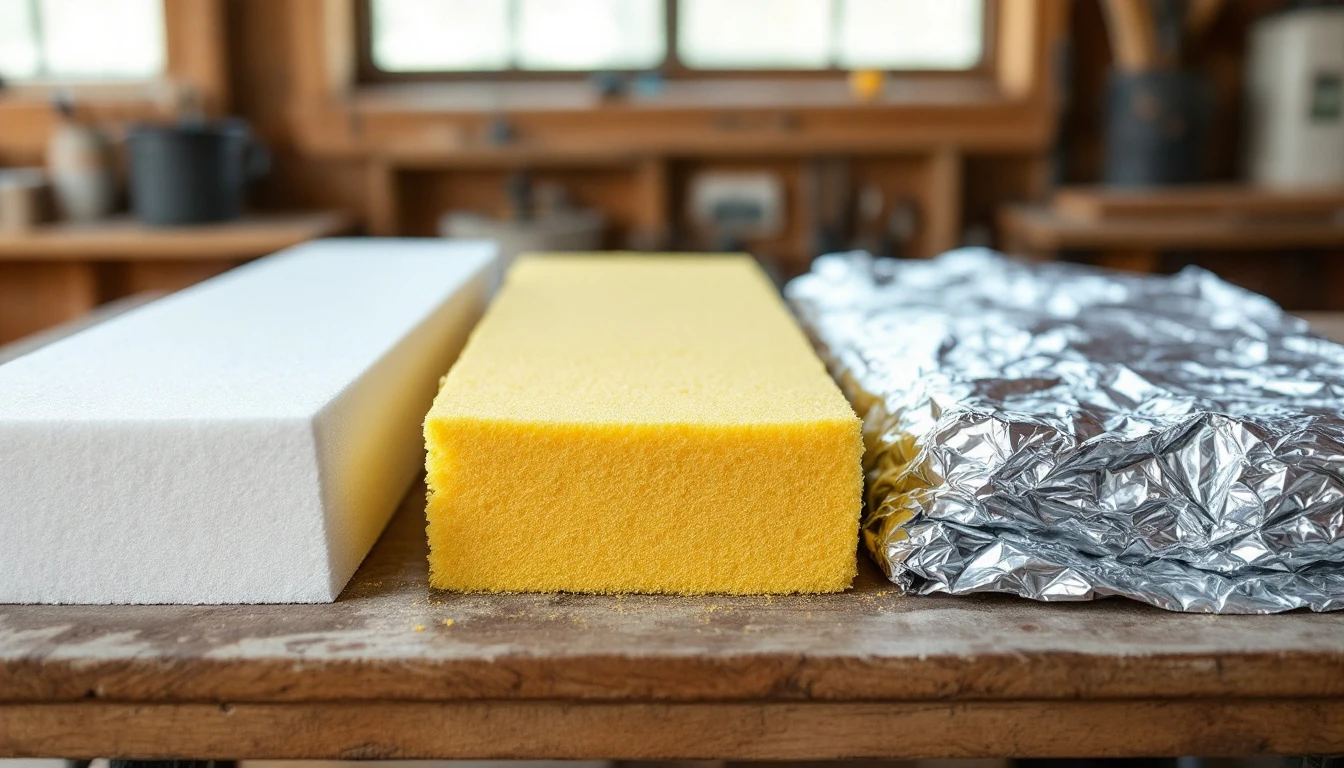
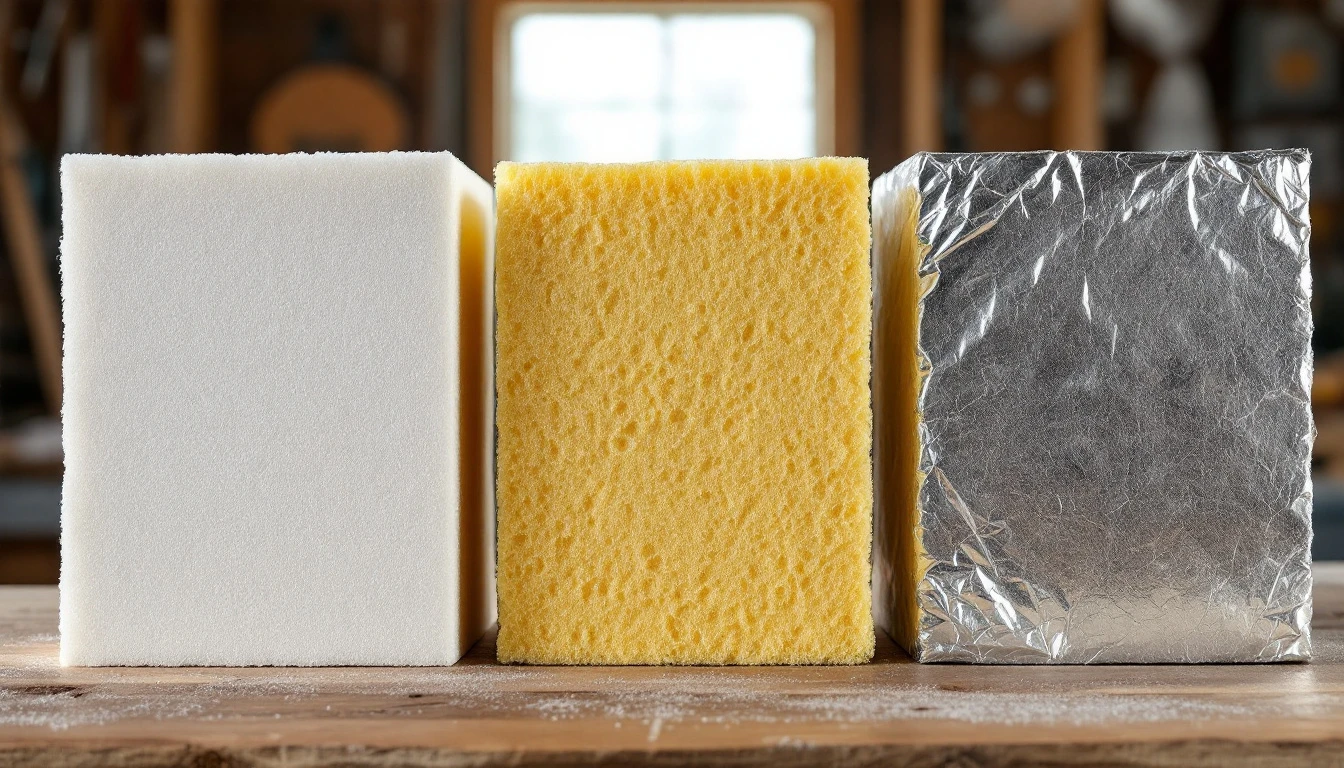
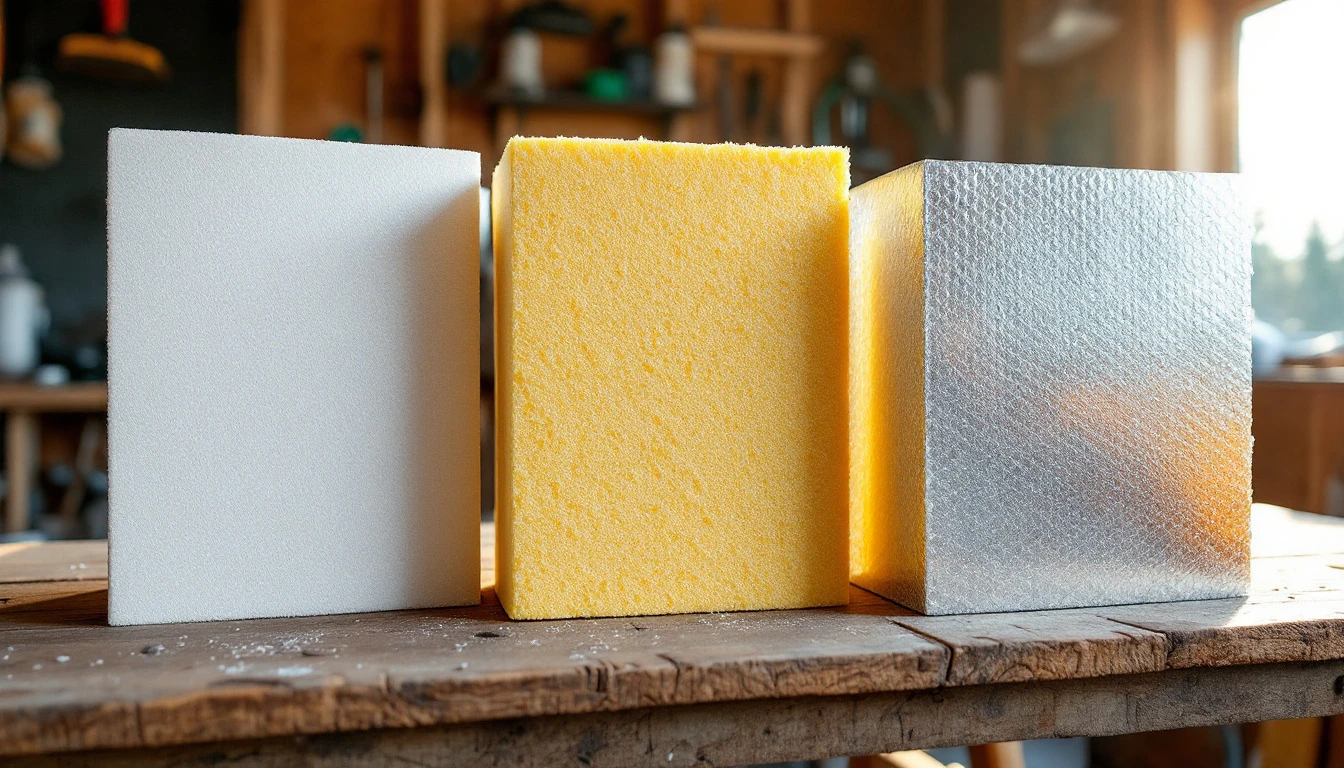
The difference between a conditioned garage—one that’s actively heated—and an unconditioned space changes the entire insulation equation. A conditioned garage needs continuous thermal protection, while an unconditioned garage benefits most from preventing heat loss at the shared boundary. The choice between polystyrene, polyurethane, and reflective barriers isn’t academic. With the fall installation season drawing to a close, picking the right insulation type now translates directly to lower heating costs this winter.
Polystyrene Insulation: Cost-Effective Baseline
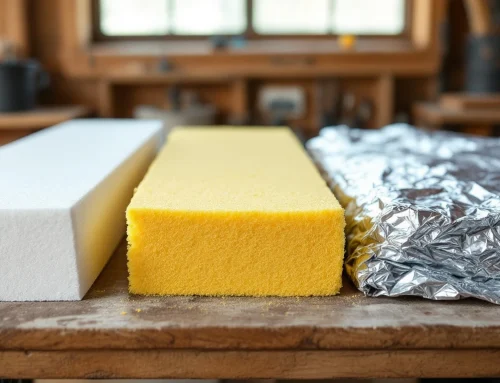
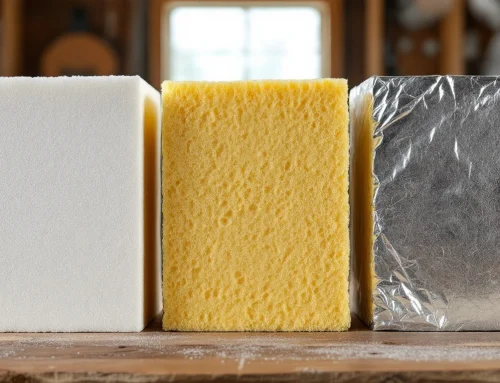
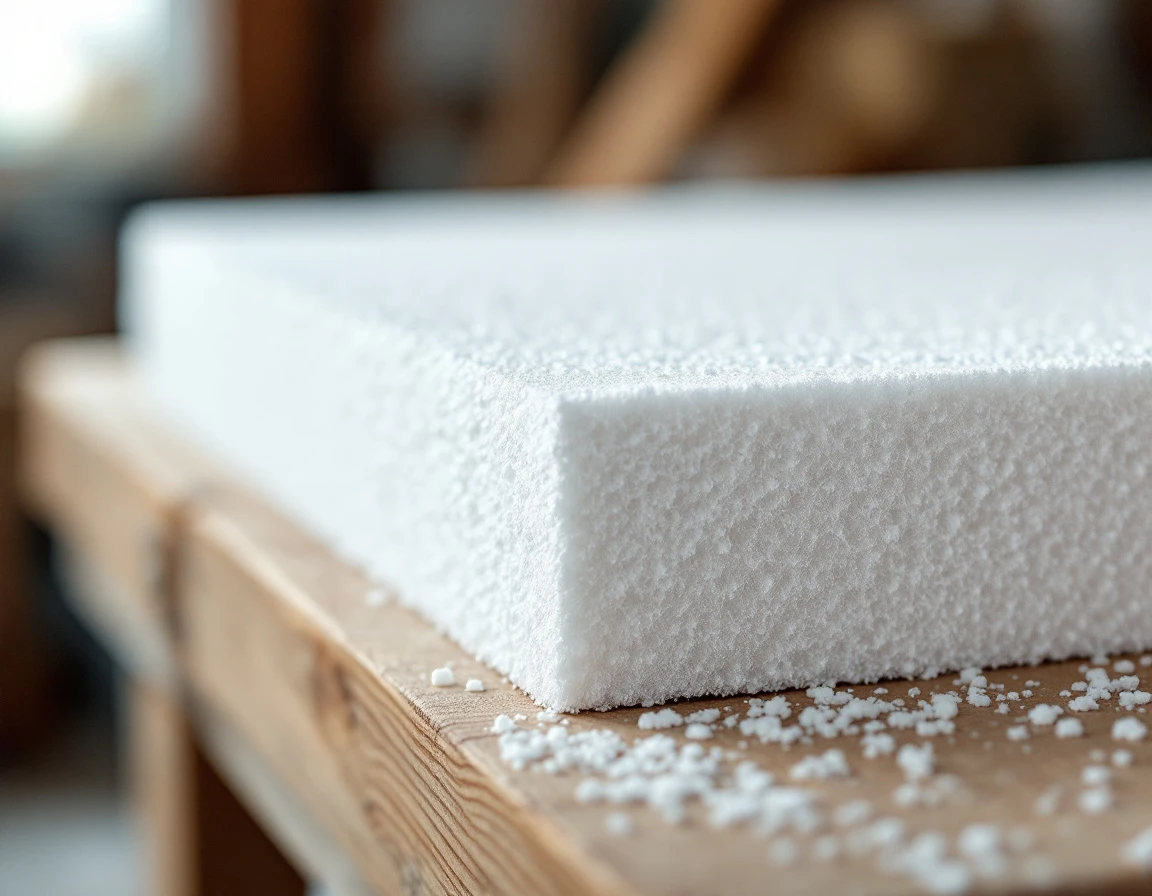
For Central Oregon homeowners working within tight budgets, polystyrene presents an accessible entry point into garage insulation. Expanded Polystyrene (EPS) provides about 3.6 units of insulation per inch of thickness—that’s roughly R-15 to R-21 when installed in your garage walls. It’s solid performance for the price, though not the strongest option out there.
What makes polystyrene attractive is the price tag. Installed costs in the Bend and Redmond area typically run $0.50 to $1.00 per square foot. Putting a 400-square-foot garage project in the $200 to $400 range for materials and labor combined. Polystyrene insulation offers cost effectiveness for DIY homeowners: lightweight panels install quickly—many complete the job over a weekend—and EPS handles moisture reasonably well during Central Oregon’s dry summer months.
But here’s where trade-offs emerge. Polystyrene degrades rapidly under direct UV exposure, a real concern given the high-altitude sun intensity common in the region. Without protective drywall or facing, panels become brittle and lose insulating capacity within just a few seasons. The material also settles over time, creating gaps that reduce effectiveness.
Polystyrene makes practical sense for detached, unconditioned garages where temperature control isn’t critical or when immediate budget constraints outweigh long-term performance. For attached, conditioned spaces where you’re counting on sustained heating cost reductions, the lower R-value and maintenance requirements often push homeowners toward more durable alternatives.
Polyurethane Insulation: Premium Performance
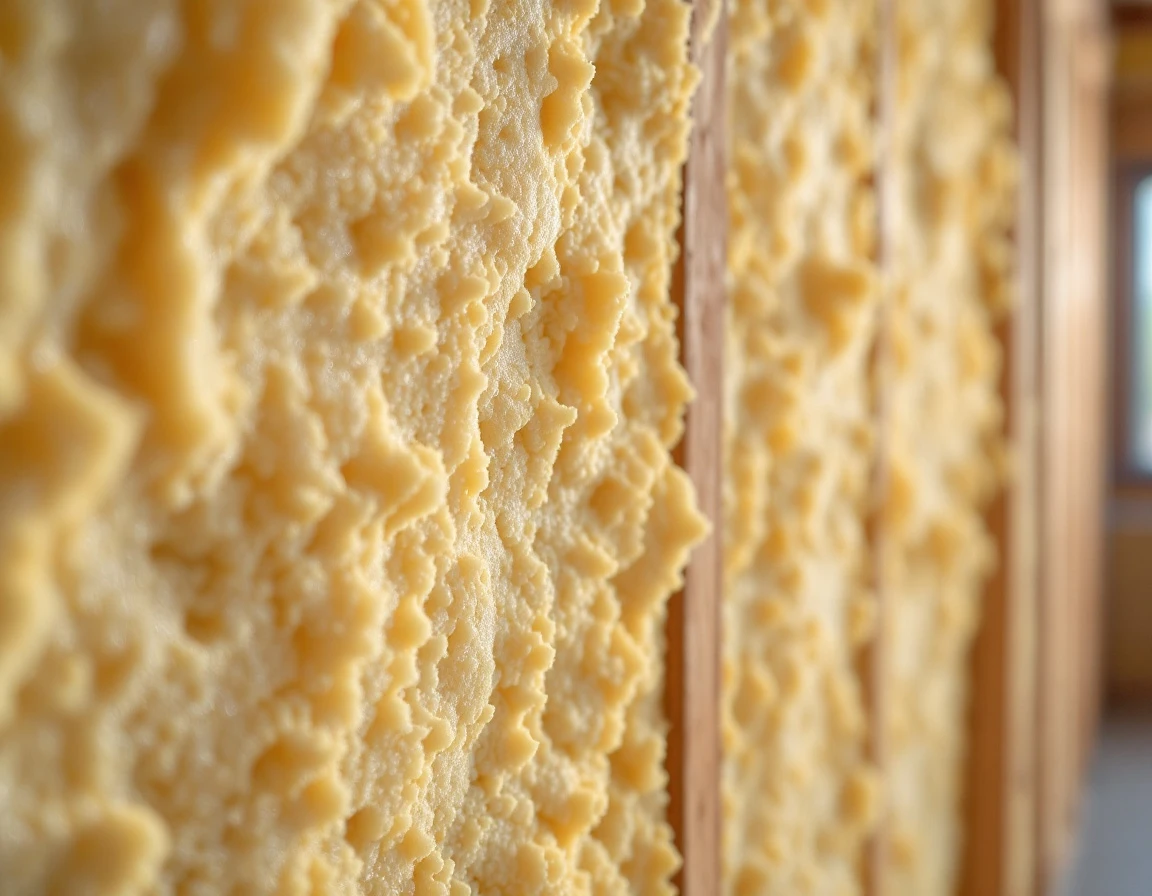
For Central Oregon homeowners targeting maximum heating savings in conditioned or heated garages, closed-cell polyurethane spray foam delivers the highest thermal performance available. Closed-cell polyurethane spray foam hits R-6.5 to R-7.0 per inch. In your garage, that means R-21 to R-28 installed—nearly double what polystyrene delivers in the same thickness. For Central Oregon’s temperature swings, that matters.
What sets polyurethane apart is its dual function: superior insulation and air sealing in a single application. Unlike rigid foam panels that leave gaps at seams, spray polyurethane expands to fill every crack, eliminating drafts that undermine other insulation types. Polyurethane garage insulation benefits include a closed-cell structure that resists moisture infiltration and maintains stable R-values for decades, even in high-altitude environments where freeze-thaw cycles stress materials.
Expect installed costs between $1.50 and $2.50 per square foot for professional application in the Bend/Redmond area—roughly double polystyrene pricing. Professional installation is mandatory; spray equipment and proper ventilation protocols protect against VOC off-gassing during curing. That higher upfront investment pays dividends in heated garages, where polyurethane’s combined thermal and air-sealing properties deliver the full 15–20% heating-cost reduction that makes insulation upgrades worthwhile.
Does your garage stay heated through winter? Then polyurethane is worth the investment. Contact Garage Harmony today at our scheduling page to discuss whether spray foam fits your project and budget.
Reflective Barriers: Radiant Heat Strategy
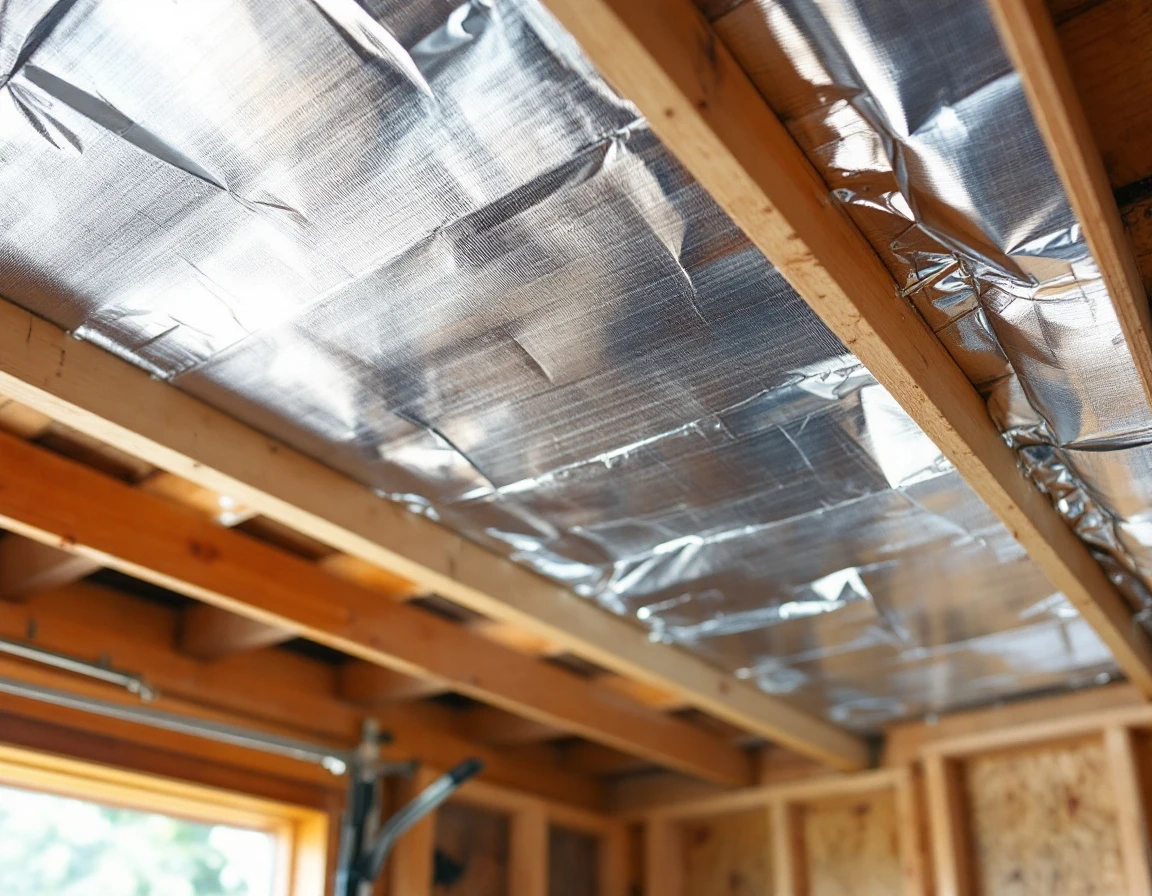
Reflective foil barriers offer a specialized approach for Central Oregon’s high-altitude, high-solar environment. Unlike foam insulation that resists conductive heat transfer, reflective barriers tackle radiant heat—the infrared energy that radiates from hot surfaces like your garage ceiling on a sunny Bend afternoon. When installed with an air gap, these barriers effectively interrupt radiant heat transfer, a capability that distinguishes them from bulk insulation products, though their measured R-value alone typically ranges from R-3 to R-5.
Installation costs for reflective barrier garage insulation in Bend remain competitively priced for both materials and labor, making it an affordable complement to foam insulation or a standalone solution in unconditioned detached garages. This option excels in Bend’s low-humidity climate where moisture isn’t a primary concern, and the lightweight aluminum facing bounces back summer solar gain while remaining resistant to water vapor.
The catch? Reflective barriers need proper air gaps to perform—without that space, they lose most of their effectiveness. They also don’t address conductive heat loss, which means they work best as a secondary layer over foam in conditioned spaces or as a primary solution in unconditioned garages where radiant heat is the main culprit. Tears and punctures during installation can compromise performance, so careful handling matters.
Should you choose reflective barriers alone? Rarely. But paired with closed-cell foam or polystyrene, they create a hybrid defense against both conductive and radiant heat loss—perfect for maximizing savings in Central Oregon’s intense sun and cold nights.
Conditioned vs. Unconditioned: Type Matters
Before choosing your insulation material, you need to identify whether your garage is conditioned or unconditioned—this single factor determines which products deliver the best return on investment. Does your garage share walls with your home? Is it heated or integrated into your HVAC system? If yes, you own a conditioned garage.
Conditioned garages demand high-performance insulation. Because these spaces share thermal boundaries with living areas, poor insulation forces your heating system to work harder. Target R-values between R-21 and R-28, combined with tight air-sealing, to prevent heat loss through shared walls. Polyurethane foam excels here—its superior thermal resistance and self-sealing properties justify the premium cost when you’re protecting conditioned space.
Unconditioned detached garages present a different picture. These unheated storage spaces need minimum R-15 to prevent freezing and protect stored items, but heating-cost savings remain minimal. Polystyrene panels or reflective barriers deliver faster payback in these scenarios, providing adequate thermal protection without the expense of spray foam.
The decision framework is simple: shared walls with living spaces require premium insulation; stand-alone garages can use budget-friendly options with longer payback periods but lower upfront costs.
Installation Timing & Central Oregon Fall
If you’re planning to insulate your garage, October and November are your best window for scheduling professional installation in the Bend, Redmond, and Sisters area. Once December arrives, freeze-thaw cycles and snowfall can slow contractor schedules and drive up costs as demand peaks for winter emergency work. Professional polystyrene and polyurethane installations typically take one to three days, while reflective barriers wrap up in one to two days—but only if weather cooperates.
Choosing the right insulation type is just half the battle. Proper installation by a qualified local contractor is what delivers the heating-cost reductions you’re counting on. When you’re evaluating quotes, verify that contractors hold current licensing, ask for recent references in your specific climate zone, and confirm warranty coverage that includes labor. Don’t skip the post-installation air-sealing inspection—gaps around doors and penetrations can undermine even the best foam insulation.
Ready to move forward? Contact Garage Harmony today at our scheduling page to lock in your fall installation slot before winter weather complicates the work.