Why Portland Heat Drives AC Bills Higher
Portland summers bring a unique challenge that catches many homeowners off guard. Unlike the humid East Coast, where moisture in the air provides some buffering effect, Portland’s dry heat hits hard and direct. When temperatures climb to 95–105°F during June through August. That radiant heat doesn’t just warm the air—it bakes into every surface of your home. Understanding how to reduce summer cooling costs in Portland starts with recognizing these climate-specific pressures on your air conditioning system.
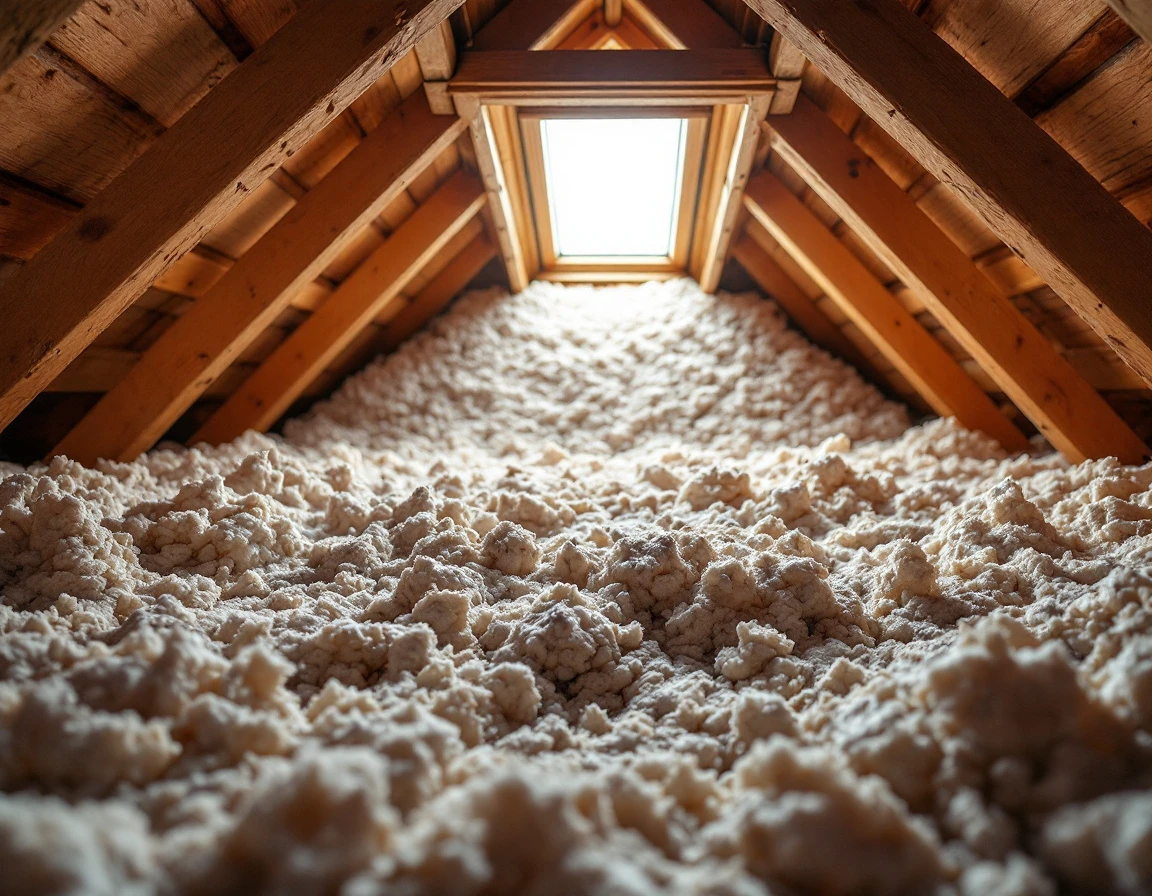
Your attic becomes the frontline of this thermal assault. Most Portland homes built before 2000 carry R-19 to R-30 attic insulation, which falls well short of modern efficiency standards calling for R-38 to R-49. That gap matters more than you might think. Inadequate insulation allows radiant heat to penetrate downward into your living spaces, forcing your air conditioning system to run longer cycles to maintain comfort.
Poor ventilation compounds the problem by trapping superheated air in your attic space. This creates a secondary heat source that radiates into the rooms below, making your AC work against two enemies instead of one. The result? Your cooling system runs longer and harder than it would in a properly insulated home, driving up your energy bills month after month.
Portland’s climate simply demands different strategies than the cooling advice designed for humid regions. The dry, intense heat that defines our summers requires specific solutions built around blocking radiant heat transfer and promoting proper airflow in attic spaces.
Attic Insulation R-Values: How to Lower Energy Bills in Summer Heat
Portland metro homes need R-38 to R-49 attic insulation to handle summer heat peaks between 95 and 105°F. Homes still running R-19 or R-30 lose far more cooling energy to the attic—often enough to drive monthly AC bills up by a third. National standards don’t account for the intensity of Portland’s dry summer radiation, which makes higher R-values essential for comfort and cost control.
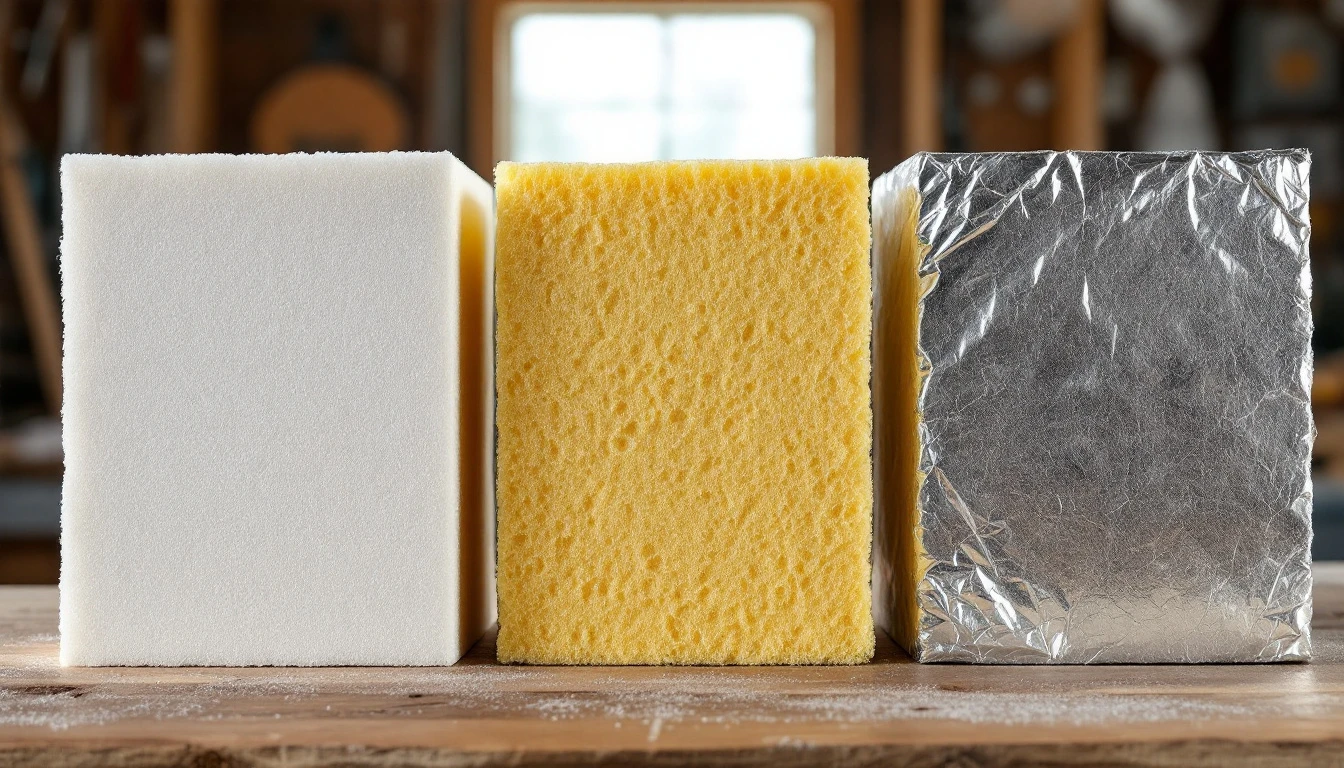
Three insulation types dominate the local market:
- Fiberglass batts cost $1.50–$2.00 per square foot installed and work well in attics with standard joist spacing, but they compress easily and leave gaps around framing
- Blown-in cellulose runs $1.75–$2.50 per square foot, fills irregular spaces better, and resists settling over time
- Spray foam delivers the highest R-value per inch at $2.50–$3.00 per square foot, seals air leaks as it cures, and lasts decades without settling—but the upfront cost makes it better suited for problem areas than whole-attic coverage
Installation quality matters as much as the material itself. Gaps between batts, compression around recessed lights, and unaddressed air leaks can reduce R-value effectiveness by 10 to 20 percent. Professional installation pays off here—crews trained in air sealing and proper coverage deliver performance that matches the rated R-value.
Most Portland homeowners recoup their investment through summer cooling savings alone. By upgrading insulation to higher R-values, you can reduce your peak-season cooling costs enough to justify the initial expense.
Attic Ventilation: Ridge Vents & Soffit Airflow
Insulation without ventilation is like putting a lid on a pressure cooker. Proper attic ventilation works hand-in-hand with insulation to create a complete thermal barrier. Here’s how it works: hot air trapped in your attic radiates downward through insulation, forcing your air conditioning to work harder. When ridge vents and soffit vents create continuous airflow, that hot air escapes before it penetrates into living spaces below. This combination of home insulation and ventilation is what keeps cooling costs down across Portland neighborhoods.
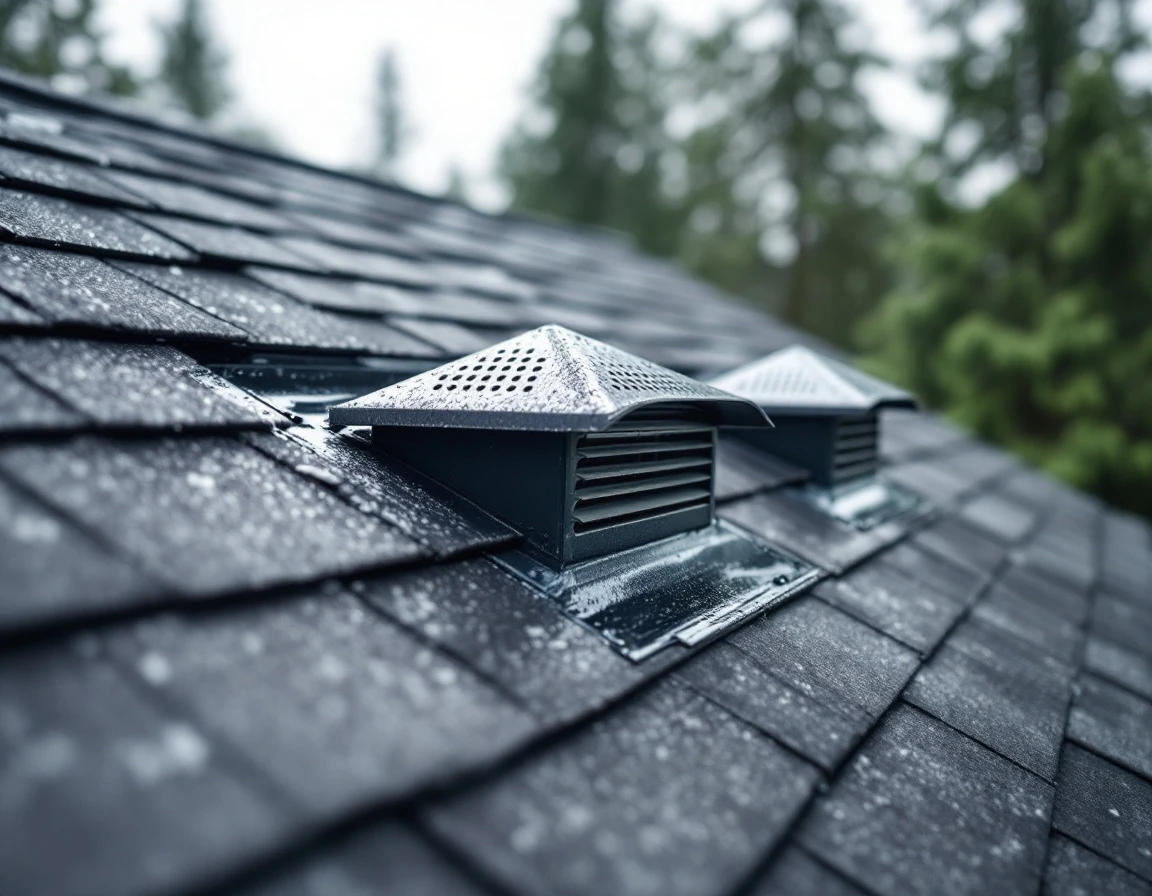
Ridge vents run along the peak of your roof, allowing hot air to exit naturally. Soffit vents, installed under the eaves, draw cooler outside air into the attic from below. This creates a convection current that can reduce peak attic temperatures by 10 to 20 degrees. The system only works when both components are present and properly sized.
The most common ventilation failure in Portland homes? Blocked or undersized soffit vents. Paint, insulation pushed too far to the eaves, or debris prevent cooler air from entering the attic. Without intake, your ridge vent can’t exhaust hot air effectively. The whole system stalls.
The standard rule calls for one square foot of net ventilation area per 150 square feet of attic floor space. Most Portland homes built before 2000 fall short of this benchmark. Walk your property and look for soffit vents—if you see fewer than one vent every few feet, or if existing vents are painted shut, your attic likely can’t breathe properly.
Think of ventilation and insulation as partners. Insulation slows heat transfer. Ventilation removes heat before it builds up. Together, they keep your home cooler and your cooling costs lower all summer long.
Timing Your Upgrades: June Strategy & Deferred Action Plan
June is the worst time to tackle major attic upgrades in Portland. With temperatures hitting 95 to 105 degrees, crawling through a 140-degree attic to install insulation is miserable work—and contractors know it. Labor rates spike during peak cooling season, and scheduling delays stretch for weeks as crews book solid through August. You’ll pay a premium for the privilege of waiting.
Instead, focus on quick ROI improvements you can handle now:
- Seal air leaks around attic hatches and recessed lights using expanding foam or weatherstripping
- Patch soffit gaps where insects or debris block ventilation openings
- Clean your air conditioner’s condenser coils—caked-on dust forces the unit to work harder, driving up energy use
- Install shade cloth or exterior blinds on south-facing windows to block radiant heat before it enters your home
These summer heat energy efficiency tips cost between $50 and $300, deliver immediate cooling relief, and pay for themselves in weeks.
For deeper savings, defer major work to September or October. Cooler weather makes attic work tolerable, contractor demand drops, and you’ll save 15 to 25 percent on labor by avoiding summer urgency. Start with ventilation repairs—fixing blocked soffits or adding ridge vents takes one to two weeks and costs $500 to $1,500. Follow with insulation upgrades in late fall—two to three weeks of work at $1,500 to $4,000. This phased approach spreads costs across months and lets you compare quotes without pressure. Bookmark this timeline now, or start planning your fall project today.
DIY Quick Wins vs. Professional Insulation Work
You can tackle several attic improvements yourself without climbing into challenging spaces or handling specialized equipment. Sealing air leaks around recessed lights, plumbing penetrations, and attic hatches is a manageable weekend project that requires only basic materials like caulk, spray foam, and weatherstripping. Installing soffit repair patches to restore ventilation airflow or applying reflective window film to west-facing glass are both safe, ground-level tasks with clear instructions.
Attic insulation installation, however, demands professional expertise. Working at height in confined spaces requires fall protection and proper ventilation to avoid heat exhaustion. More importantly, incorrect installation compromises R-value through gaps, compression, or moisture trapping, undermining the entire purpose of the upgrade. Professional installation through blown-in cellulose represents a meaningful investment, while DIY materials offer a budget-friendly alternative. However, improper installation can degrade R-value enough to drain your cooling budget year after year—potentially negating your savings within a few seasons and leaving you worse off than before.
Blown-in and spray foam insulation require professional equipment and trained operators. DIY fiberglass batts are possible but labor-intensive and prone to gaps around joists and edges. Hiring a licensed contractor costs 20 to 30 percent more upfront but eliminates rework expenses, confirms building-code compliance, and protects your investment with warranty coverage. Professional installation turns risk mitigation into long-term value for your home’s energy performance.
Measuring Savings & Next Steps for Portland
Start by tracking your baseline. Pull your May electricity bill—before AC season kicks in—and compare it to August or September, after you’ve completed upgrades. Most homeowners see a 15 to 25 percent reduction in cooling costs when they combine insulation and ventilation fixes.
Portland General Electric and Pacific Power both offer insulation rebates ranging from $100 to $500, plus contractor referral programs. Check their websites in June to confirm current incentives, then schedule upgrades for fall when labor costs drop.
Get multiple contractor quotes in September. Look for licensed, bonded professionals with references from nearby Portland neighborhoods. A professional attic assessment identifies R-value gaps, ventilation failures, and air leaks—use this report to calculate your ROI and prioritize upgrades.
Whether you tackle quick wins this June or plan a full upgrade for October, you’re taking control of your air conditioning costs Portland homes face each summer. Need help identifying the right contractor or assessing your attic’s current condition? Contact Garage Harmony today for expert guidance on home efficiency projects that pay for themselves.