Garage Door Freeze Damage Prevention in Portland Winters
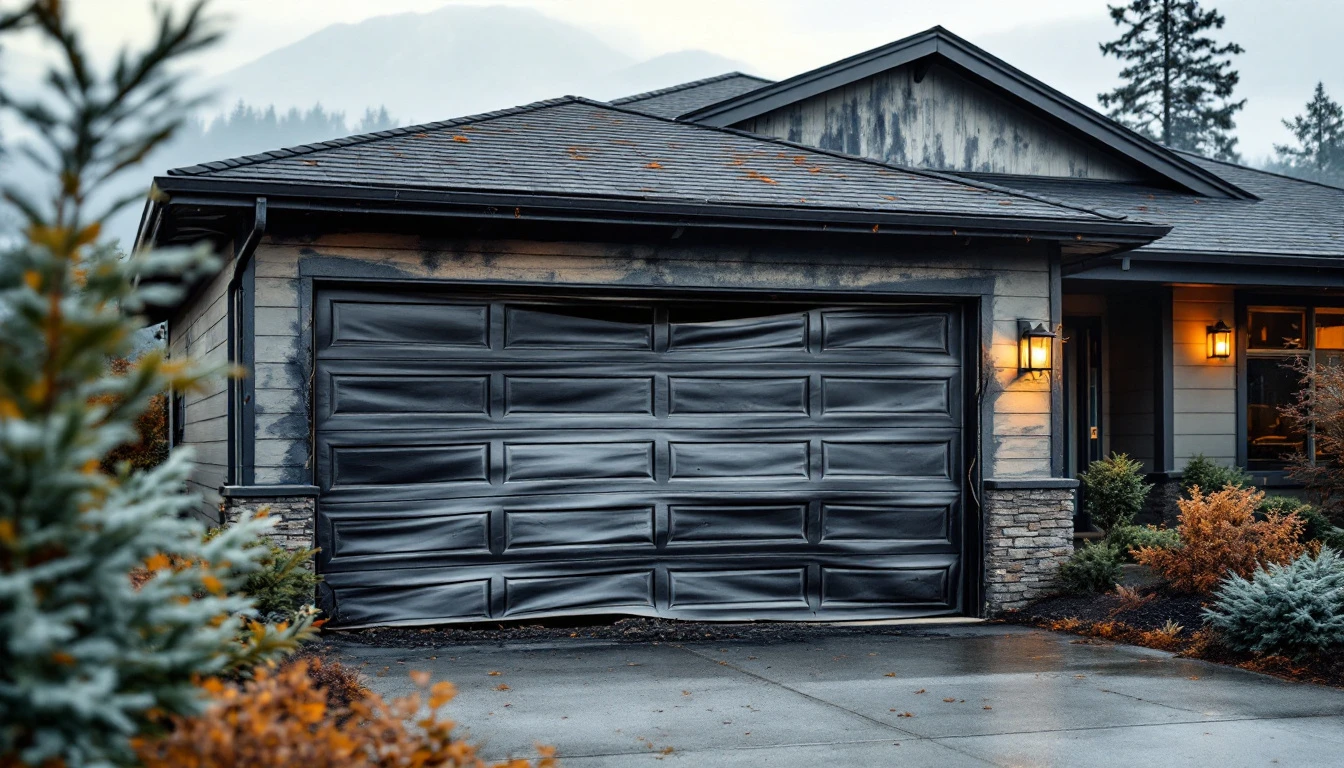
Portland’s climate presents a unique challenge for garage doors: mild temperatures punctuated by sudden freezes. Unlike regions with sustained cold, the Pacific Northwest experiences repeated freeze-thaw cycles that allow water to seep into door seals, tracks, and panel joints. When temperatures drop, this trapped moisture expands as it freezes, splitting seals and cracking materials from the inside out. Understanding garage door freeze damage prevention Portland strategies now prevents costly repairs later.
Frozen lubricants turn grease into hardened paste, while metal components contract and bind against moving parts. This combination creates mechanical failure at the worst possible time—when you need emergency access during a freeze event. The damage compounds with each cycle, making seemingly minor issues spiral into $3,000 to $8,000 repair bills by spring.
Emergency repairs during winter freezes cost far more than preventive maintenance completed in October. Why? Because technicians face limited availability, hazardous conditions, and parts shortages when everyone’s garage door fails at once.
Five-Task October Checklist for Cold Weather Garage Door Care
Before November arrives, complete these five ranked maintenance tasks to protect your garage door from freeze damage. Each one addresses specific cold-weather vulnerabilities that worsen when temperatures drop toward freezing.
- Task 1: Inspect and seal gaps in door frame and weather stripping. Look for cracks, tears, or compressed sections where cold air and moisture enter. Replace worn weatherstripping to prevent water infiltration that freezes inside tracks and panels. Skipping this allows ice buildup that damages rollers and seals. You’ll need: new weatherstripping, utility knife, measuring tape.
- Task 2: Lubricate hinges, rollers, and springs with cold-weather silicone. Standard lubricants thicken in cold temperatures, causing binding and motor strain. Apply silicone-based lubricant rated for freezing conditions. Without this, your opener works harder and parts wear faster. You’ll need: cold-weather silicone spray.
- Task 3: Test door balance and opener force settings before freezing temperatures. Disconnect the opener and manually lift the door halfway—it should stay in place. Adjust springs if needed and verify force settings prevent damage from ice resistance.
- Task 4: Clear and inspect drainage holes and track debris. Remove leaves, dirt, and blockages that trap water. Frozen drainage holes cause water backup and panel damage.
- Task 5: Verify emergency manual release lever function without power. Test the red release handle to confirm manual operation works smoothly—your winter emergency exit depends on it.
Materials and Tools Required
Before starting your pre-winter maintenance, gather the right supplies. Standard lubricants like WD-40 freeze and fail below 32°F. Making cold-weather silicone spray essential—look for products labeled for sub-freezing use at Home Depot or McLendon Hardware.
You’ll also need weatherstripping tape or foam seal replacement kits, which compress and crack during freeze-thaw cycles and must be replaced annually. A wire brush removes debris from tracks, while a cloth cleans surfaces before resealing. Keep a small flashlight handy for inspecting tight areas around hinges and rollers where moisture accumulates.
When to Call a Professional
Some garage door problems signal dangerous conditions that require immediate professional attention. If your door won’t open or close smoothly even after proper lubrication, you’re likely dealing with spring tension or track alignment issues that need expert diagnosis.
Spring damage poses serious safety risks. If your balance test revealed uneven movement or you noticed frayed cables, broken coils, or gaps in the spring, contact Garage Harmony before attempting any repairs. Garage door springs store tremendous energy and can cause severe injury during replacement.
Structural frame cracking or severe rust on metal components indicates problems beyond routine maintenance. These issues can compromise your entire door system, especially when freeze-thaw cycles begin stressing weakened materials.
Garage Door Winter Emergency Access
Portland’s ice storms can knock out power without warning, leaving you stranded outside or trapped inside if you don’t know how to operate your garage door manually. Test your manual release lever monthly from October through February to stay prepared for freezing rain events.
Before ice arrives, practice this procedure: pull the emergency release cord while the door is closed. Then lift the door manually using both hands with balanced force. Document these steps for every household member, and keep the release cord accessible even during storage season.
This simple monthly test prevents expensive emergency service calls when technicians face peak demand during winter storms—and more importantly, it protects your family’s ability to access vehicles and exit safely when power fails.
Prevent Five-Figure Repair Bills with Freeze Damage Prevention
Spending $150–$300 on October maintenance now protects you from emergency winter repair bills that regularly run $3,000–$8,000. When freeze damage cracks panels or destroys seals, spring replacement often costs more than installing a new door entirely. The financial math is simple: investing a few hours and modest dollars this month saves thousands when the first hard freeze arrives.
If you’re uncertain about any of the five tasks covered or discover issues during your assessment, schedule a professional inspection before November. Contact us today! Our team will identify vulnerabilities in your garage door system before winter weather creates expensive emergencies.