Best Insulation for Garage Central Oregon: Climate Solutions
Central Oregon’s high-altitude climate brings extreme seasonal swings—freezing winters and hot summers—demanding solutions to find the best insulation for garage Central Oregon that can handle rapid temperature changes year-round.
High altitude and temperature extremes unique
Central Oregon sits at elevations ranging from 3,000 to over 4,000 feet, creating thinner air that amplifies heat loss during winter and intensifies solar radiation in summer. These high-altitude conditions produce temperature swings that can shift 40 degrees in a single day, stressing garage materials and insulation systems.
Freeze-thaw cycles hit garages especially hard here. When daytime sun warms surfaces above freezing, then nighttime temperatures plummet, moisture expands and contracts repeatedly—cracking concrete, warping door panels, and degrading poorly chosen insulation materials over time.
Energy Efficiency Impact on Heating and Cooling
Proper insulation directly affects your energy bills by reducing heat transfer through garage walls and doors. In Central Oregon’s climate, uninsulated garages lose warmth rapidly during winter nights and overheat during summer afternoons, forcing HVAC systems to work harder.
Moisture presents another challenge for Central Oregon garages. Temperature fluctuations create condensation on cold surfaces, potentially damaging stored items and encouraging mold growth. Choosing insulation with moisture-resistant properties protects your investment while maintaining consistent interior temperatures year-round.
Polystyrene Rigid Foam Garage Insulation
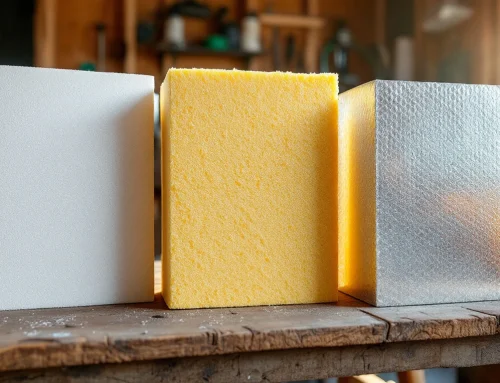
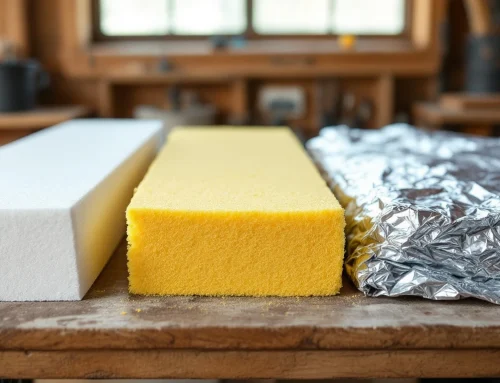
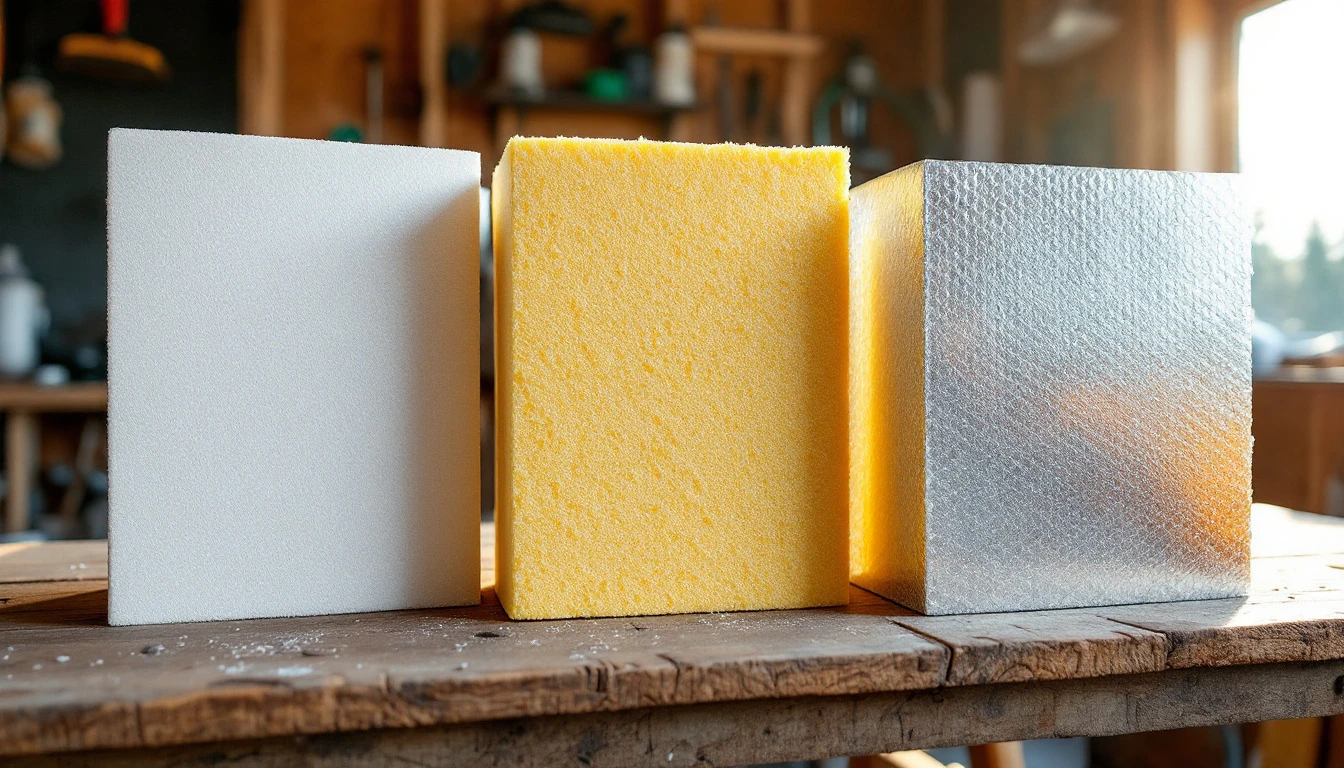
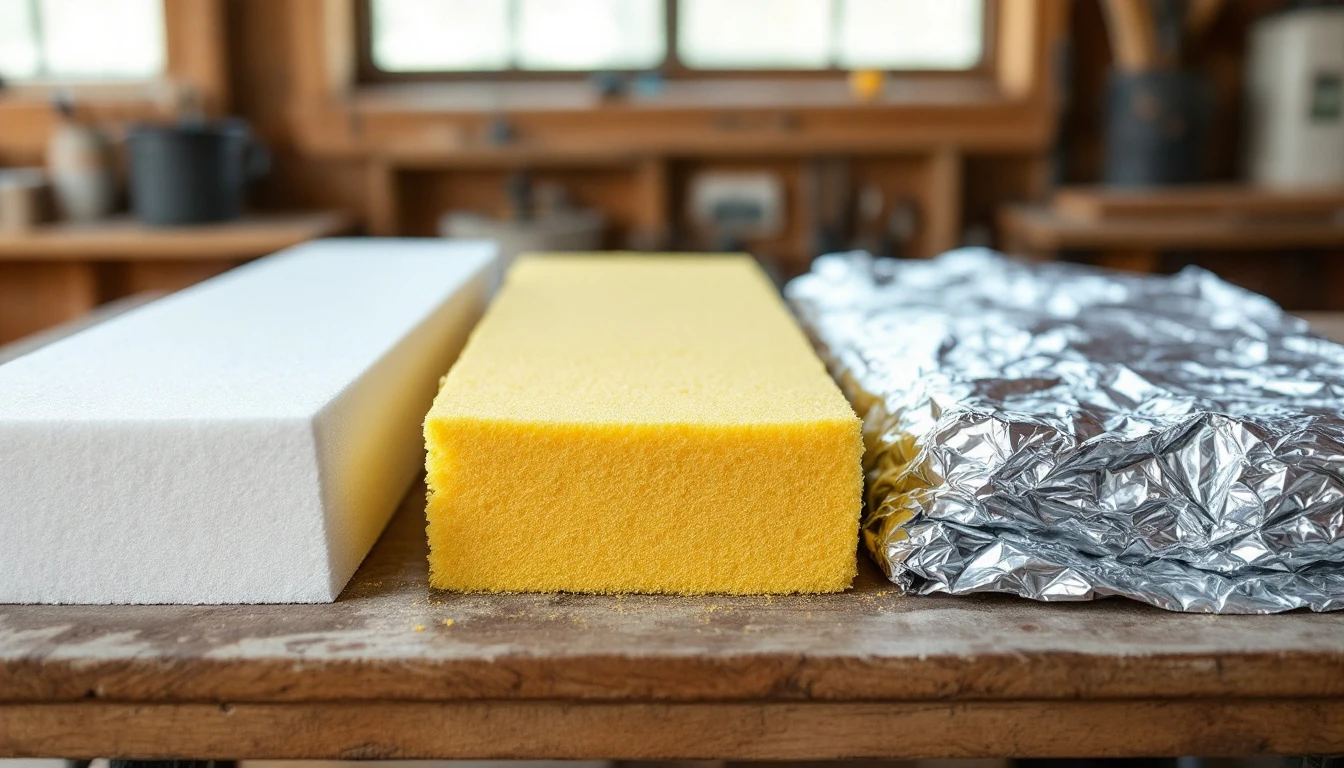
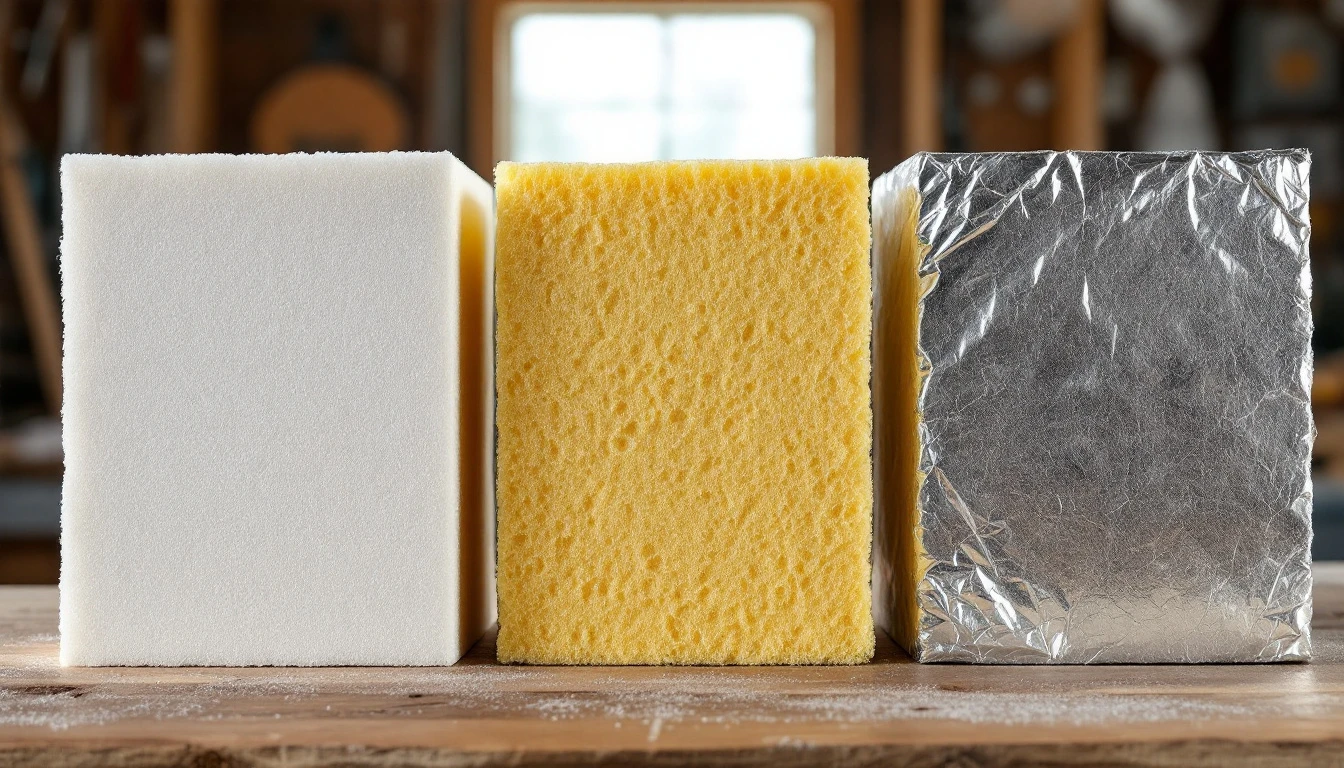
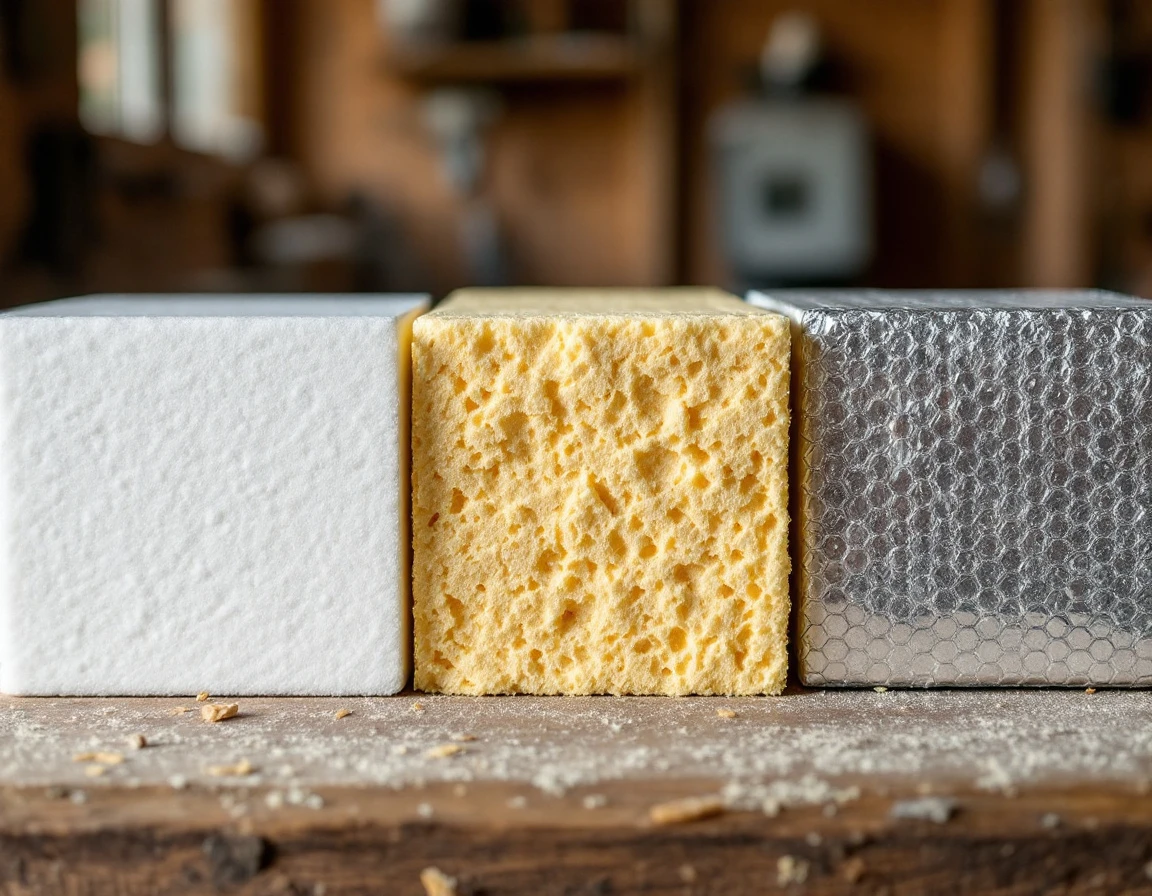
Polystyrene rigid foam boards offer a practical middle-ground solution for Central Oregon garage owners seeking solid thermal performance without breaking the budget. With an R-value ranging from R-3.6 to R-4.2 per inch. Polystyrene requires more thickness than premium alternatives but delivers reliable insulation at a fraction of the cost. For Central Oregon’s climate zone, most garages benefit from 4 to 6 inches of polystyrene to maintain comfortable temperatures during winter cold snaps and summer heat waves.
One of polystyrene’s standout advantages is its excellent moisture resistance. The closed-cell structure prevents water absorption, making it particularly well-suited to handle the freeze-thaw cycles that plague Central Oregon throughout winter and early spring. When comparing polystyrene vs polyurethane insulation. You’ll find that rigid foam maintains its insulating properties even when temperatures swing wildly. Unlike fiberglass batts that can sag and lose effectiveness when exposed to condensation, polystyrene keeps its performance. You’ll still want to consider a vapor barrier on the warm side of the insulation to prevent moisture from reaching wall cavities.
For DIY-minded homeowners, polystyrene boards are relatively easy to work with—they cut cleanly with a utility knife or handsaw and can be secured directly to wall studs or garage door panels. The affordability factor makes polystyrene especially appealing for budget-conscious projects. You can insulate an entire garage for less than many premium options would cost for a single wall.
That said, polystyrene does have limitations. Air gaps between boards can undermine thermal performance, so careful installation with proper sealing is essential. During Central Oregon’s most extreme temperature swings—those sudden 40-degree daily shifts—polystyrene may not respond as quickly as reflective barriers or provide the same airtight seal as spray foam options. Still, for many garage types and budgets, polystyrene strikes an appealing balance between performance and cost.
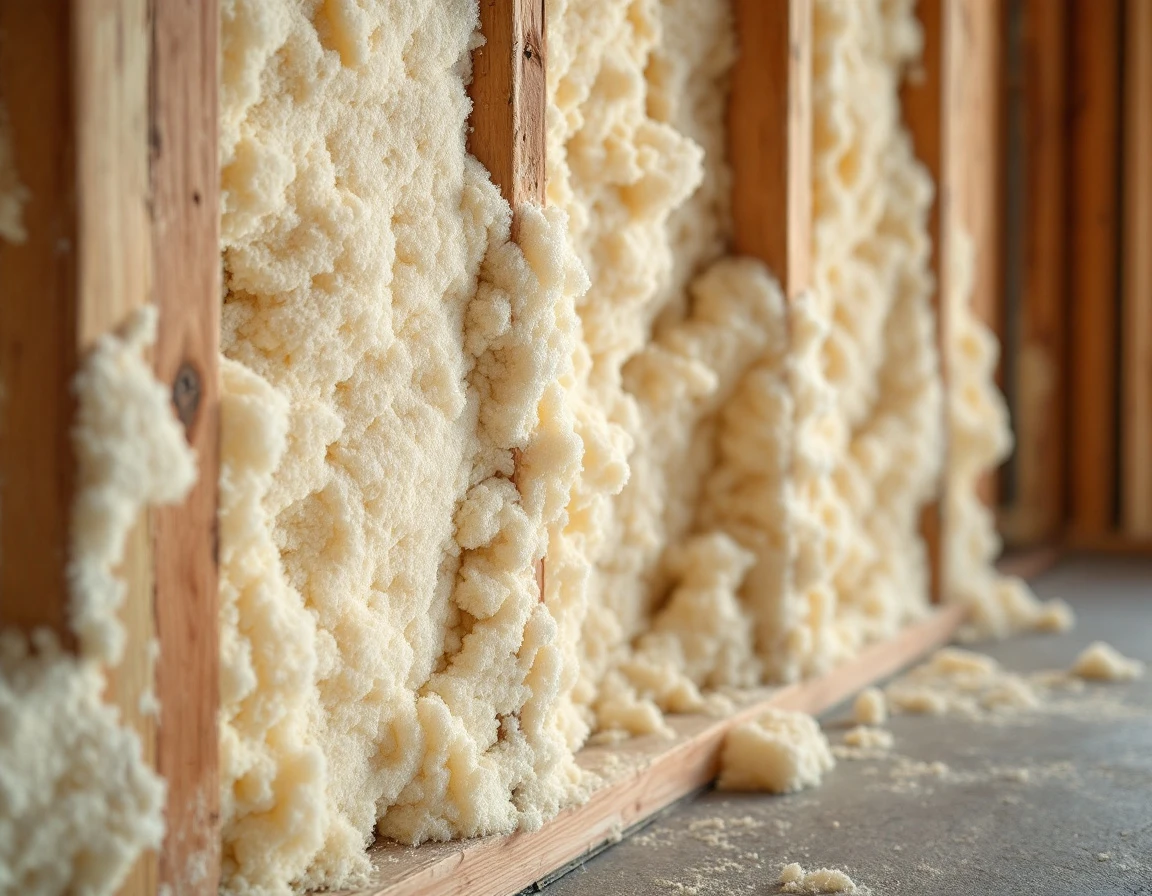
Polyurethane Spray Foam Insulation
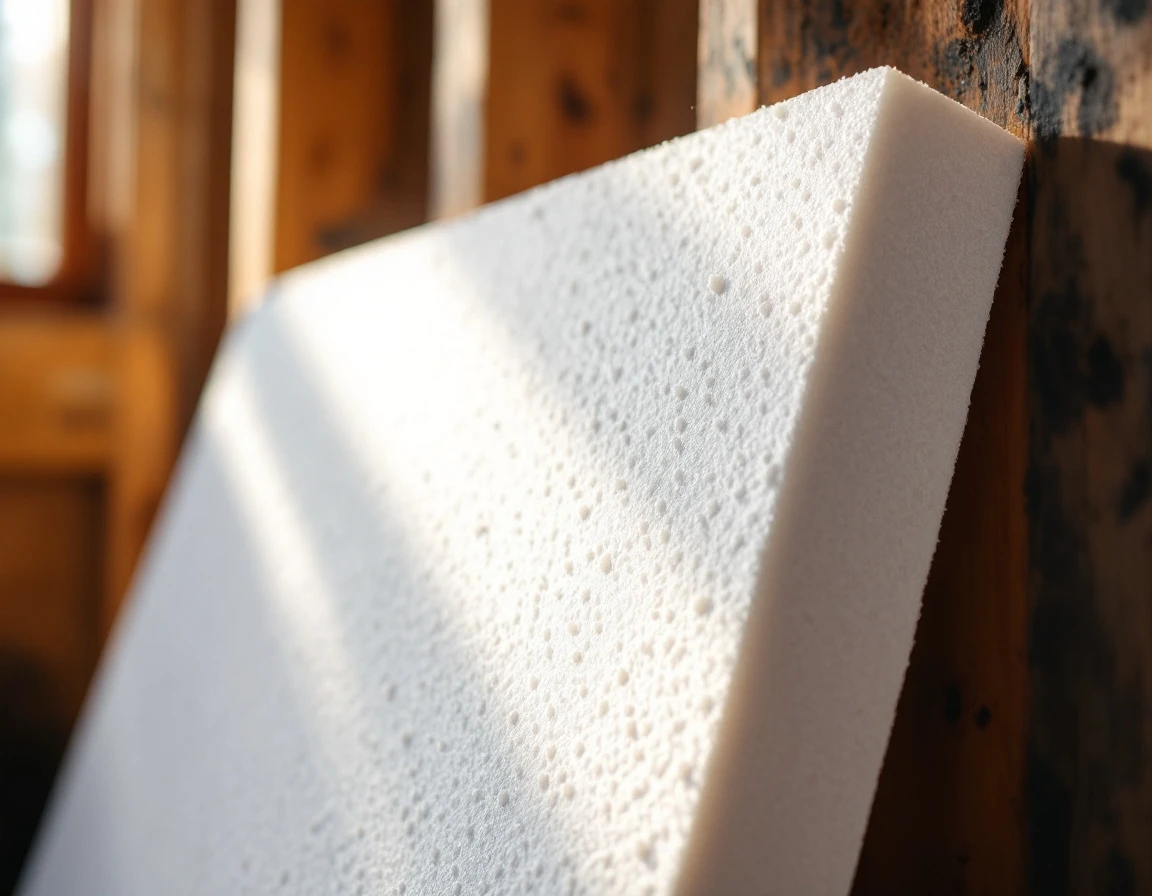
When Central Oregon’s overnight lows plunge and daytime temperatures soar, polyurethane spray foam insulation delivers the highest thermal protection available for garage spaces. With an R-value ranging from R-6 to R-7 per inch. Spray foam outperforms both polystyrene and reflective barriers by creating an airtight seal that eliminates drafts and blocks heat transfer. Unlike rigid foam panels that can leave gaps at seams and edges, spray foam expands on contact to fill every crack, crevice, and irregular surface—forming a continuous thermal envelope.
This air-sealing capability makes spray foam especially valuable in high-altitude environments where wind-driven cold penetrates standard insulation systems. Central Oregon’s rapid temperature swings—40-degree shifts between morning and afternoon—demand insulation that prevents conditioned air from escaping. Understanding polyurethane foam insulation benefits shows why spray foam’s closed-cell structure resists moisture infiltration, reducing condensation risk when warm garage air meets cold surfaces during winter months.
Professional installation is mandatory for polyurethane spray foam applications. Trained technicians use specialized equipment to mix and apply the foam at precise temperatures, achieving proper expansion and adhesion. This requirement raises upfront costs compared to DIY-friendly polystyrene options, making spray foam the most expensive insulation choice per square foot. However, polyurethane provides better insulation with superior thermal resistance and extended durability—spray foam maintains its R-value for decades without sagging or settling.
Is the higher price justified for your garage? If you’re heating a workshop year-round. Storing temperature-sensitive equipment, or simply want the best protection against Central Oregon’s weather extremes, spray foam delivers unmatched performance. The combination of maximum R-value, complete air sealing, and moisture control makes polyurethane the gold standard for garage owners prioritizing efficiency and long-term durability over initial cost savings.
Reflective Barrier Insulation
How do reflective barriers work differently from traditional insulation? Instead of absorbing and slowing thermal energy, these aluminum foil-backed products reflect radiant heat away from your garage. This mechanism makes them particularly effective against Central Oregon’s intense summer sun, which can rapidly heat garage surfaces and drive interior temperatures skyward during those long, high-altitude summer days.
Here’s the trade-off: reflective barriers alone deliver minimal R-value, often less than R-1. They’re not absorbing or resisting heat flow through conduction—they’re bouncing back radiant energy. While this provides excellent summer cooling support by preventing solar heat gain through your garage door and roof, it offers little protection against the winter cold that defines Central Oregon’s harsh season. Relying solely on reflective barriers leaves your garage vulnerable when temperatures plummet below freezing.
That said, reflective barriers shine as part of a layered strategy with reflective foil facing for radiant heat control. Using a reflective barrier insulation garage approach combined with polystyrene or polyurethane foam delivers year-round performance: the foam handles winter’s conductive heat loss while the reflective surface tackles summer’s radiant heat. Bonus benefit? Many reflective products double as vapor barriers. Helping manage moisture and condensation—critical when temperature swings create humid conditions inside your garage.
Position reflective barriers as specialized supplementary protection, not your primary winter defense. They’re a smart addition to boost summer comfort and moisture control, but Central Oregon’s climate demands more thermal resistance when snow flies and temperatures drop.
Choosing the Right Type for Your Garage
How do you decide which insulation works best for your Central Oregon garage? Start by evaluating four key factors that will guide your selection: your climate zone and elevation, your available budget, whether you’ll install it yourself or hire professionals, and how you actually use the garage space.
For budget-conscious DIYers in moderate elevation zones, polystyrene rigid foam offers a practical entry point. You can install it yourself with basic tools, and it delivers solid thermal performance without breaking the bank. If your garage serves primarily as storage or an occasional workshop, this garage insulation comparison shows the option balances cost and protection effectively.
Properties at higher elevations or attached to living spaces demand maximum thermal control. Polyurethane spray foam provides the highest R-value per inch and eliminates air gaps that compromise performance during extreme temperature swings. Yes, professional installation increases upfront costs, but the superior air sealing and moisture control pay dividends when your garage doubles as a climate-controlled workshop or connects directly to your home.
Need relief from Central Oregon’s intense summer sun? Reflective barriers work best as a supplementary layer rather than your primary defense. Combine them with foam insulation to reflect radiant heat during hot months while maintaining winter warmth.
Target an R-value between R-20 and R-30 for Central Oregon garages—your specific goal depends on elevation and intended use. Before purchasing materials, check local building codes for minimum insulation requirements. Deschutes County may have specific standards that affect your project scope and material selection. Match your insulation choice to your situation rather than following generic recommendations.
Installation and Maintenance Considerations
Proper installation separates effective insulation from costly failures, especially in Central Oregon’s freeze-thaw environment where water intrusion can destroy even premium materials. Understanding your options—DIY or professional—helps you budget accurately and avoid structural damage down the road.
DIY Polystyrene Installation
Installing polystyrene boards requires measuring your garage wall cavities, cutting panels to fit using a utility knife or saw, and securing them with construction adhesive or mechanical fasteners. Seal all edges and seams with expanding foam or tape to prevent air gaps. This project typically takes a weekend for a standard two-car garage and demands careful attention to consistent coverage.
Professional Spray Foam Application
Polyurethane spray foam requires professional equipment and expertise. Installers prepare surfaces, mask windows and doors, and apply foam in controlled passes to achieve uniform thickness. Most residential garage projects take four to six hours, with a 24-hour cure time before you can use the space again.
Reflective Barrier Installation and Maintenance
Install reflective barriers with the shiny surface facing the air gap (minimum three-quarters inch) to maximize radiant heat reflection. Secure with staples or adhesive, then seal seams with reflective tape to control moisture migration. Clean surfaces annually to maintain reflectivity—dust and debris reduce summer cooling performance.
Inspect polystyrene installations each spring for settling or air leaks. Check spray foam for cracks or separation. Monitor all systems for moisture accumulation. Now assess your garage type and materials with different R-values based on your climate zone, and decide whether to tackle installation yourself or contact professional installers who understand Central Oregon’s demanding conditions.