Central Oregon Garage Climate & Insulation Needs
Central Oregon garage owners face a unique challenge that sets them apart from their Pacific Northwest neighbors. The high-desert climate delivers freeze-thaw cycles and temperature extremes—winter lows hovering near 0°F and summer highs routinely exceeding 90°F—that demand insulation capable of performing across a wider range than standard PNW climates. A one-size-fits-all approach simply fails here.
What works in Portland’s mild winters won’t hold up when Bend experiences twenty-degree swings in a single day.
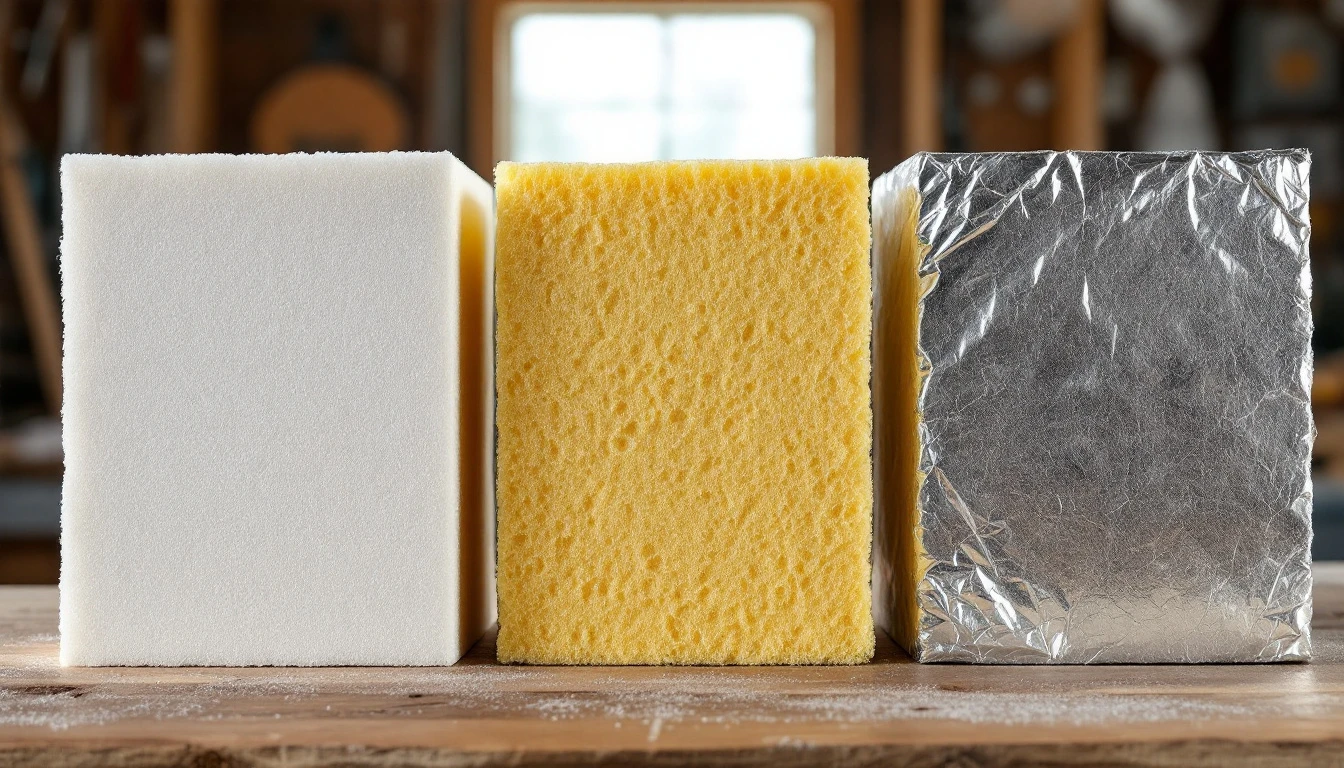
Understanding these local climate extremes helps rule out mismatched insulation types before you waste money on installation. Three main options dominate the market:
- Polystyrene foam boards
- Polyurethane spray foam
- Reflective barriers
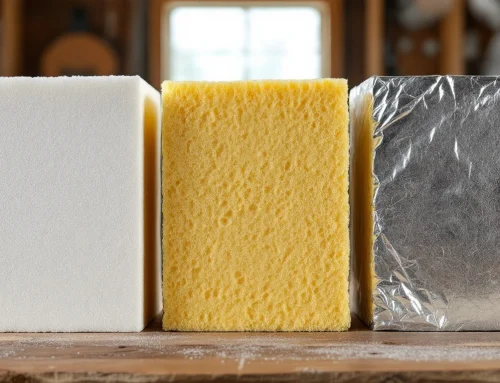
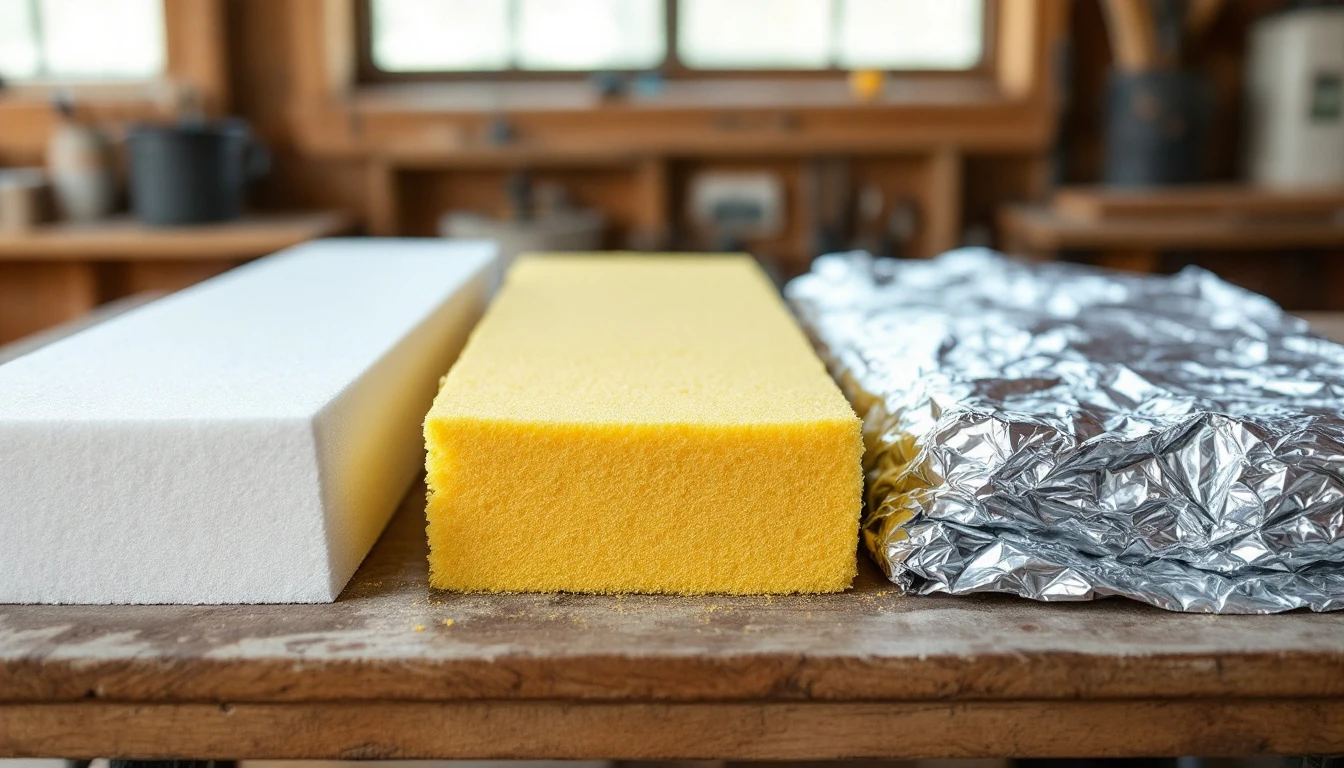
Each handles Central Oregon’s temperature swings differently. Polystyrene offers consistent R-value but can crack under repeated freeze-thaw stress. Polyurethane seals air gaps and flexes with thermal movement, though it costs more upfront. Reflective barriers excel at blocking radiant heat in summer but provide minimal protection during winter cold snaps.
How you use your garage determines which insulation type makes sense. A conditioned workshop attached to living space demands year-round thermal performance and higher R-values. An unheated storage garage may only need summer heat reduction.
Matching your insulation choice to your garage type and Central Oregon’s seasonal temperature ranges prevents energy waste and premature failure—saving you from re-doing the job when the wrong material gives out.
Polystyrene Insulation: Performance & Limitations
Polystyrene foam boards deliver R-3.6 to R-4.2 per inch. Making them the most budget-friendly insulation option at roughly $0.50–$0.75 per square foot installed. For garage owners watching every dollar, the upfront savings are hard to ignore. But Central Oregon’s punishing freeze-thaw cycles demand a closer look at long-term performance.
Here’s the challenge: polystyrene expands and contracts as temperatures swing from subzero winter nights to warm spring afternoons. Over 10+ years, these repeated cycles cause the foam to crack, shrink, and lose structural integrity. Gaps form along seams, allowing cold air infiltration that undermines your initial R-value investment. The cost-per-BTU looks attractive on paper, but durability concerns chip away at those savings in harsh high-desert conditions.
Does this mean you should avoid polystyrene entirely? Not necessarily. Unheated storage garages where you’re protecting tools and equipment—not conditioning workspace—benefit from polystyrene’s low cost without demanding maximum longevity. Temperature swings matter less when you’re not heating the space, and condensation risk stays minimal with proper ventilation.
For heated workshops or attached garages, though, thicker polystyrene installations still fall short of polyurethane’s durability. Need help deciding what fits your garage type? Check our winter maintenance guidance for readers weighing this budget-conscious option.
Polyurethane Insulation: Superior Performance
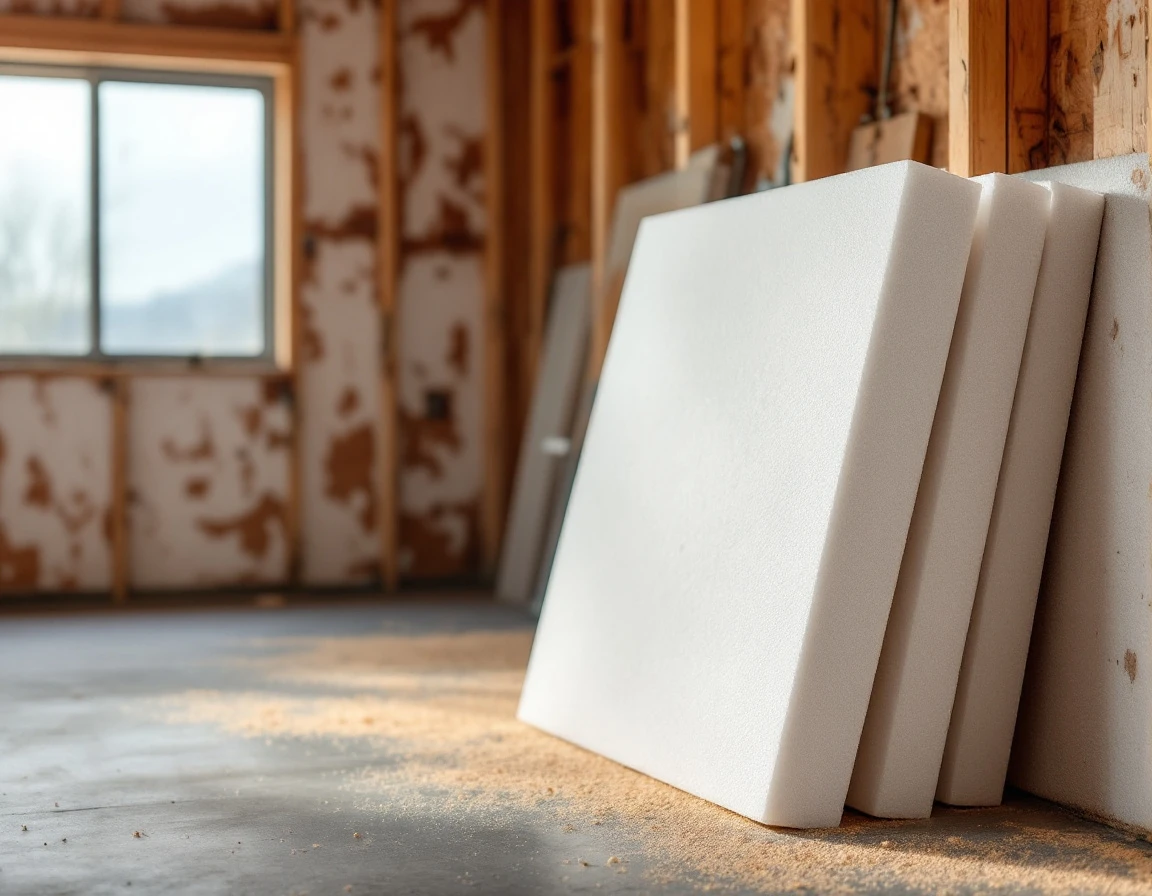
Polyurethane foam delivers R-6 to R-7 per inch—nearly double polystyrene’s rating—meaning you achieve better thermal performance with half the material thickness. For Central Oregon garage owners working with limited ceiling height or wall depth, this space efficiency translates to stronger insulation protection without sacrificing interior room.
The real advantage lies in polyurethane’s closed-cell structure. Unlike polystyrene, which absorbs moisture through tiny gaps between beads, polyurethane’s sealed cells prevent water infiltration entirely. During Central Oregon’s harsh freeze-thaw cycles, this moisture resistance prevents the expansion cracks and thermal degradation that plague foam board systems over time.
You’ll pay $1.25 to $1.75 per square foot installed—roughly double polystyrene’s cost. But polyurethane maintains its R-value for 20-plus years with minimal degradation, meaning the higher upfront investment recovers through sustained heating efficiency throughout Central Oregon’s extended winter season. Avoided re-insulation costs further improve the payback timeline to 15–20 years.
Polyurethane makes the most sense for conditioned workshop garages where you need consistent interior temperatures year-round. And for garages attached to living spaces where heat transfer directly impacts home comfort. If your garage functions as workspace rather than storage, polyurethane’s long-term durability justifies the premium price.
Reflective Barriers: Radiant Heat Control
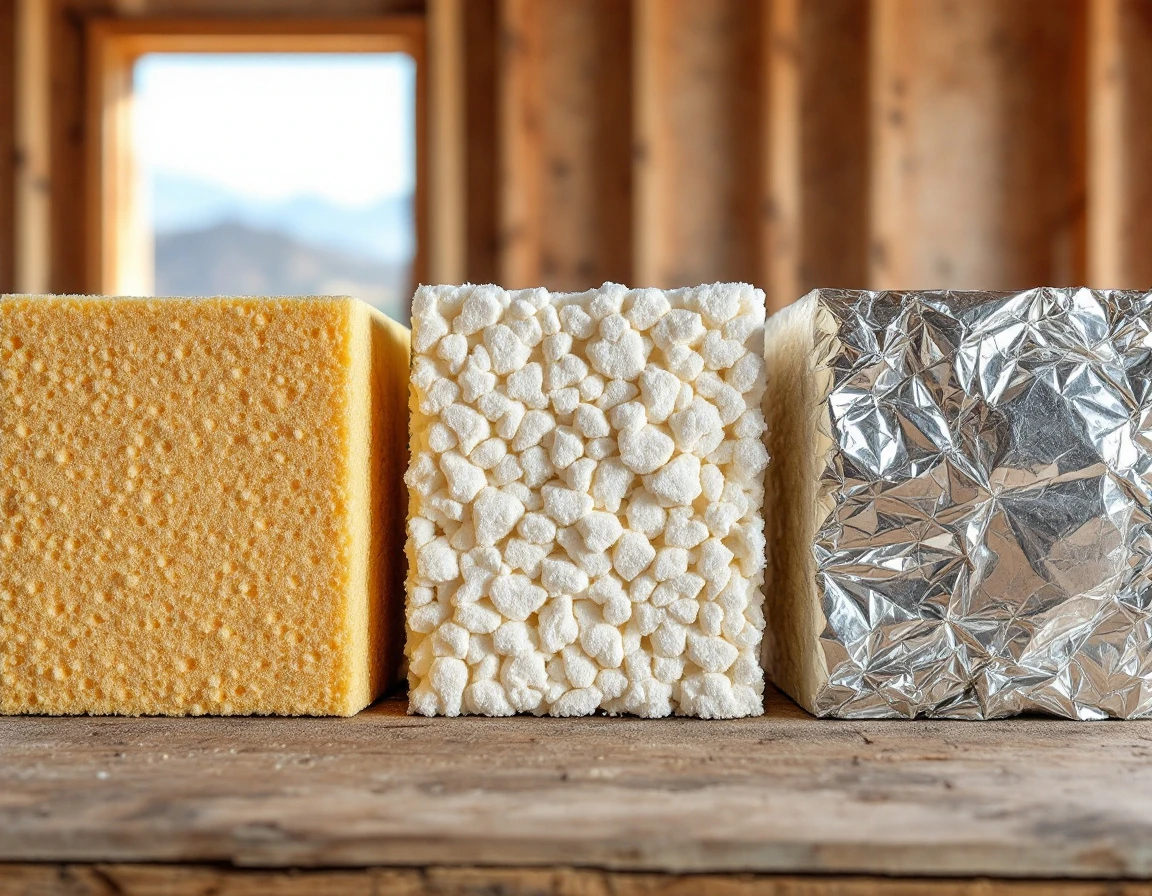
Reflective barriers work through an entirely different mechanism than foam insulation—they reflect radiant heat rather than resisting thermal transfer through thickness. This fundamental difference means traditional R-value comparisons are misleading. Most reflective barriers rate between R-0.5 and R-3, but that number doesn’t capture their actual function in blocking radiant energy.
When do reflective barriers solve real problems in Central Oregon? They excel at summer heat mitigation in unfinished garages with metal roofing. Where intense 90°F+ days turn metal panels into radiant ovens. That same reflective property offers minimal benefit during winter cold snaps, making them a poor match for the region’s heating-dominated climate priorities.
Here’s the installation challenge: reflective barriers require a 1-inch air gap to function properly. In space-constrained garages where every inch of headroom or wall thickness matters, this requirement often proves impractical. The added complexity of creating and maintaining that gap drives up installation costs without proportional winter performance gains.
The best application? Use reflective barriers as a complementary layer on garage ceilings while installing polystyrene or polyurethane on walls. As a standalone solution for Central Oregon’s winter-priority climate, the cost-benefit analysis rarely pencils out.
Insulation Type Selection Matrix & Payback
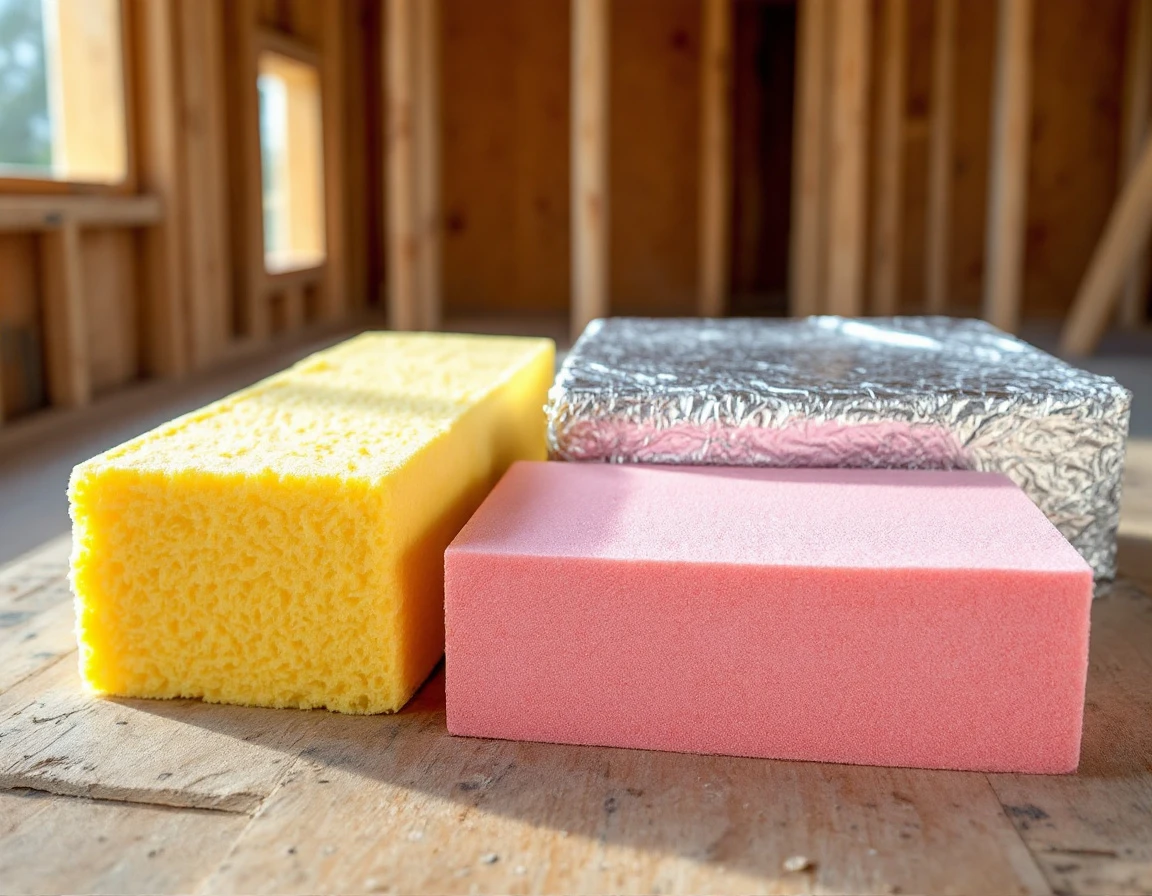
Which insulation belongs in your garage? Match your situation to the right material:
- Unheated storage garages work well with polystyrene—the budget option suits spaces where you’re not paying to heat or cool the air.
- Conditioned workshops or attached garages benefit from polyurethane’s closed-cell durability and moisture resistance, especially if you plan to stay in your home beyond 15 years.
- Metal-roofed garages with summer overheating problems can add reflective barriers as a supplement, but pair them with foam for winter performance.
How fast will you recoup a polyurethane upgrade over polystyrene? Divide the cost difference between the two materials by your annual heating or cooling savings. For an unheated garage, payback takes decades—polystyrene wins. For a conditioned workshop running space heaters or minisplits, polyurethane’s superior thermal resistance pays back within the warranty period. Central Oregon’s freeze-thaw cycles accelerate polystyrene degradation. Making polyurethane’s upfront premium recover faster here than in milder climates where foam doesn’t face the same stress.
Local installer expertise matters as much as material choice. Ask contractors about their experience with Central Oregon’s temperature swings and what warranties they offer against freeze-thaw failure. Get multiple quotes, compare warranty terms, and verify references before committing. Contact us today for guidance on matching insulation to your garage’s specific needs and connecting with qualified installers in the region.
Installation & Freeze-Thaw Durability Expectations
Even the best insulation material fails without proper installation. Air leaks and vapor barrier gaps allow moisture into foam insulation, where it freezes and expands during Central Oregon’s winter nights, cracking and degrading the structure from within.
Polyurethane’s closed-cell properties only protect your garage if the installation air-seals the entire thermal envelope—every seam, penetration, and junction point.
Polyurethane demands professional installation to achieve its performance promise. Polystyrene permits DIY approaches in some applications, but cutting corners in a harsh climate risks performance failures within years. When vetting contractors, use this checklist:
- freeze-thaw warranty duration (look for 10+ years)
- air sealing certification from recognized programs
- local Central Oregon references who’ve weathered multiple freeze-thaw seasons
A contractor unwilling to warranty against freeze-thaw failures doesn’t trust their own work—and neither should you.