Why October Inspection Matters for Garage Drainage Rainy Season Oregon
Pacific Northwest rainfall patterns shift abruptly in October, transforming Portland’s mild autumn into a months-long deluge. This seasonal transition creates an urgent risk window for garage owners preparing their homes for heavy rain Oregon winters bring. Most homeowners wait until water already pools on their garage floor before addressing seal failures and drainage problems—a reactive approach that turns preventable maintenance into expensive emergency repairs.
A two-hour garage inspection completed in early October stops water damage before the wettest months arrive. Your garage protects more than just your vehicles. Stored seasonal equipment, power tools, recreational gear, and critical home mechanical systems like water heaters and HVAC units all depend on a watertight enclosure. When door seals crack or floor drains clog, one heavy November storm can compromise everything inside.
The financial stakes are clear: checking weather stripping, testing floor drains, and examining foundation cracks now costs you an afternoon. Ignoring these systems until water invades means emergency service calls, ruined belongings, and potential structural repairs—expenses that dwarf the investment of preventive inspection. Why wait for a problem when you can stop it before the rains begin?
Garage Door Seals Inspection: Check Garage Door Seals Before Rain
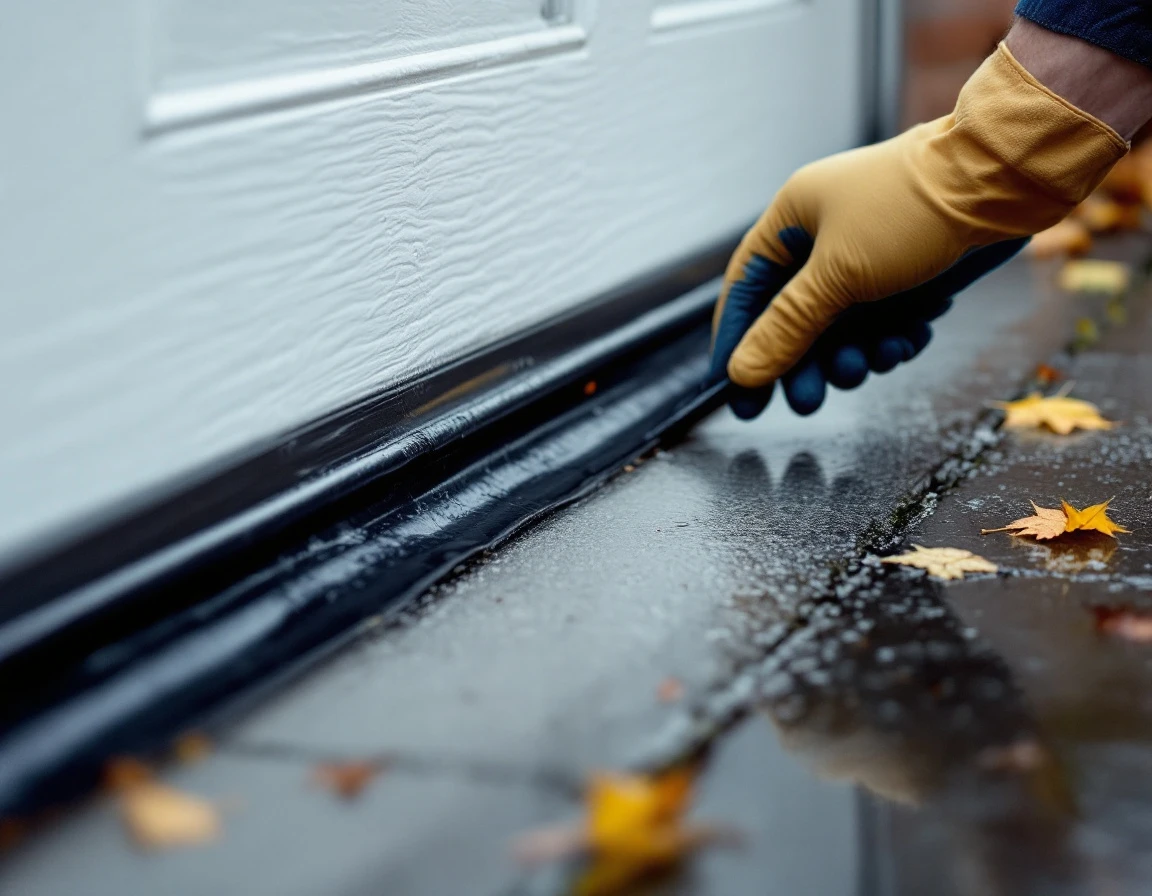
Weather stripping around your garage door frame provides the first line of defense against water infiltration at one of the most vulnerable entry points in your home. Before Pacific Northwest storms arrive, a quick visual inspection can reveal problems that lead to interior flooding and ice formation during winter freezes.
Set aside 10–15 minutes to examine the rubber seals running along the top, sides, and bottom of your garage door. What should you look for? Start with visible cracks in the rubber stripping—these develop as UV exposure and temperature fluctuations break down the material over time. Next, check for gaps between the seal and the frame when the door is fully closed. Run your hand along the perimeter while someone stands inside the garage with the lights on; any visible light indicates compromised weatherproofing.
Here’s a simple test for compression loss: close the garage door and gently tug on the rubber seal. Does it spring back into place, or does it stay compressed? Seals that no longer rebound properly won’t keep water out during driving rain.
When to DIY vs. Call a Professional
Minor compression loss or cracked rubber? You can tackle this yourself. DIY replacement of rubber seals requires only basic materials and takes about an hour to complete. Most home improvement stores carry adhesive-backed weatherstripping that you can install without special tools. Clean the frame surface, measure and cut the new seal to length, peel the backing, and press firmly into place.
But if you notice damaged or warped door frames. Gaps wider than half an inch, or water stains suggesting persistent leakage, schedule a professional assessment. These issues point to structural problems that require expert diagnosis—and attempting DIY repairs could mask deeper damage.
Professional installation runs $200–400 but includes frame inspection and warranty coverage. For homeowners confident in their skills, proper seal replacement prevents moisture intrusion and protects your garage from winter ice buildup that can crack floors and damage stored items.
Floor Drain and Sump Readiness: Garage Floor Drain Maintenance Portland
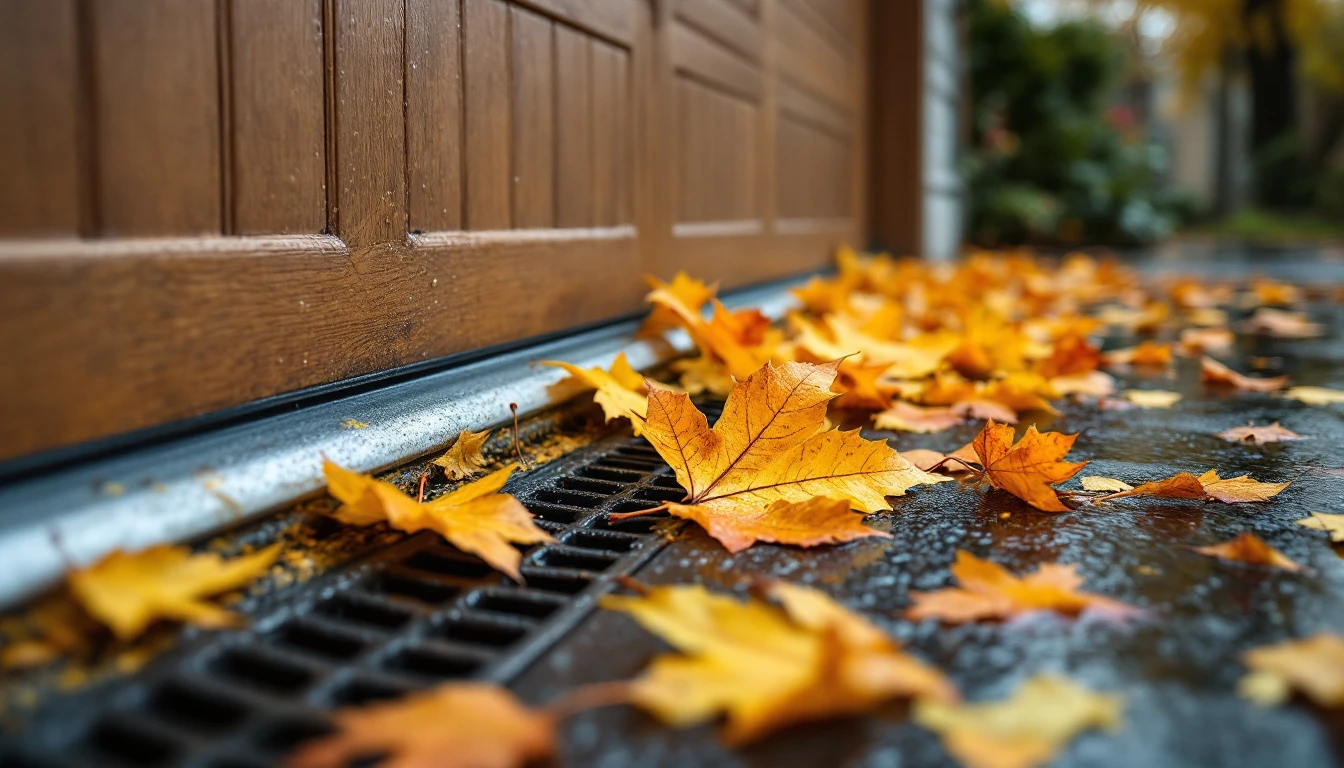
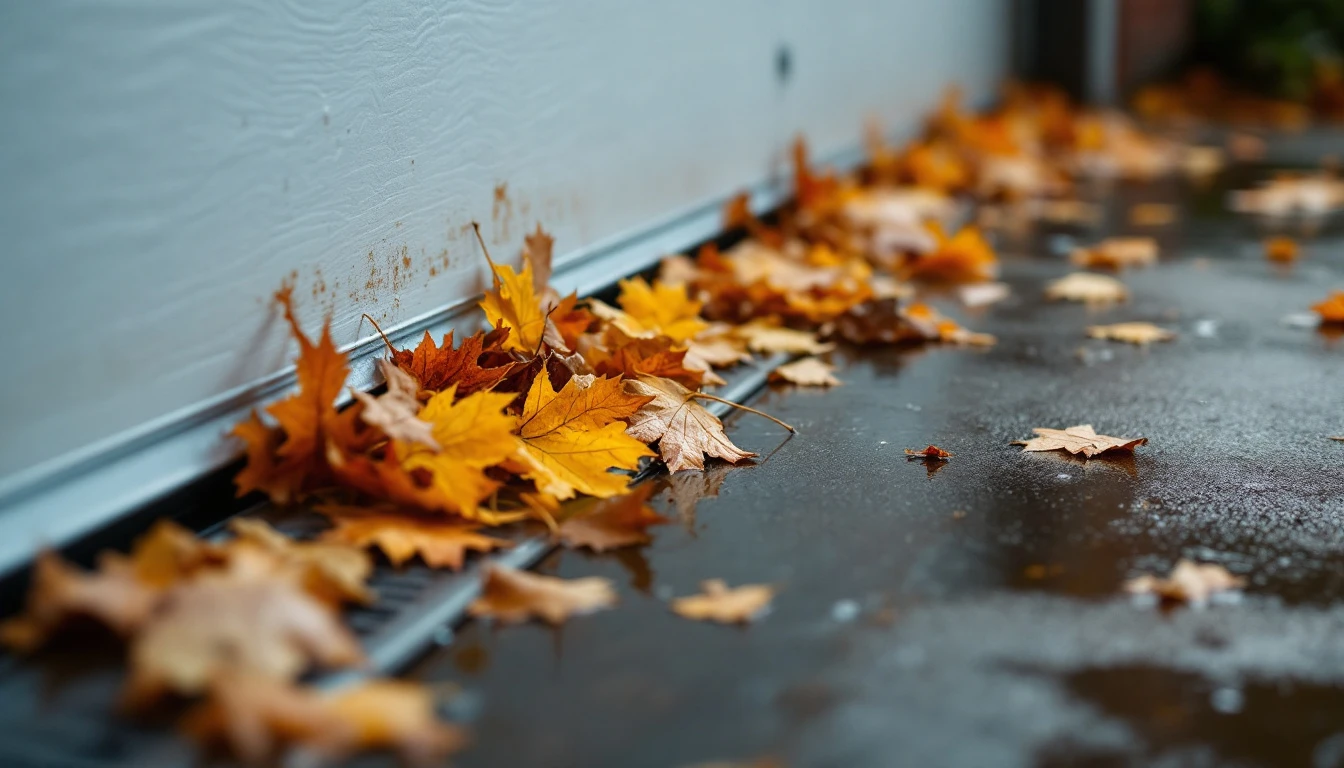
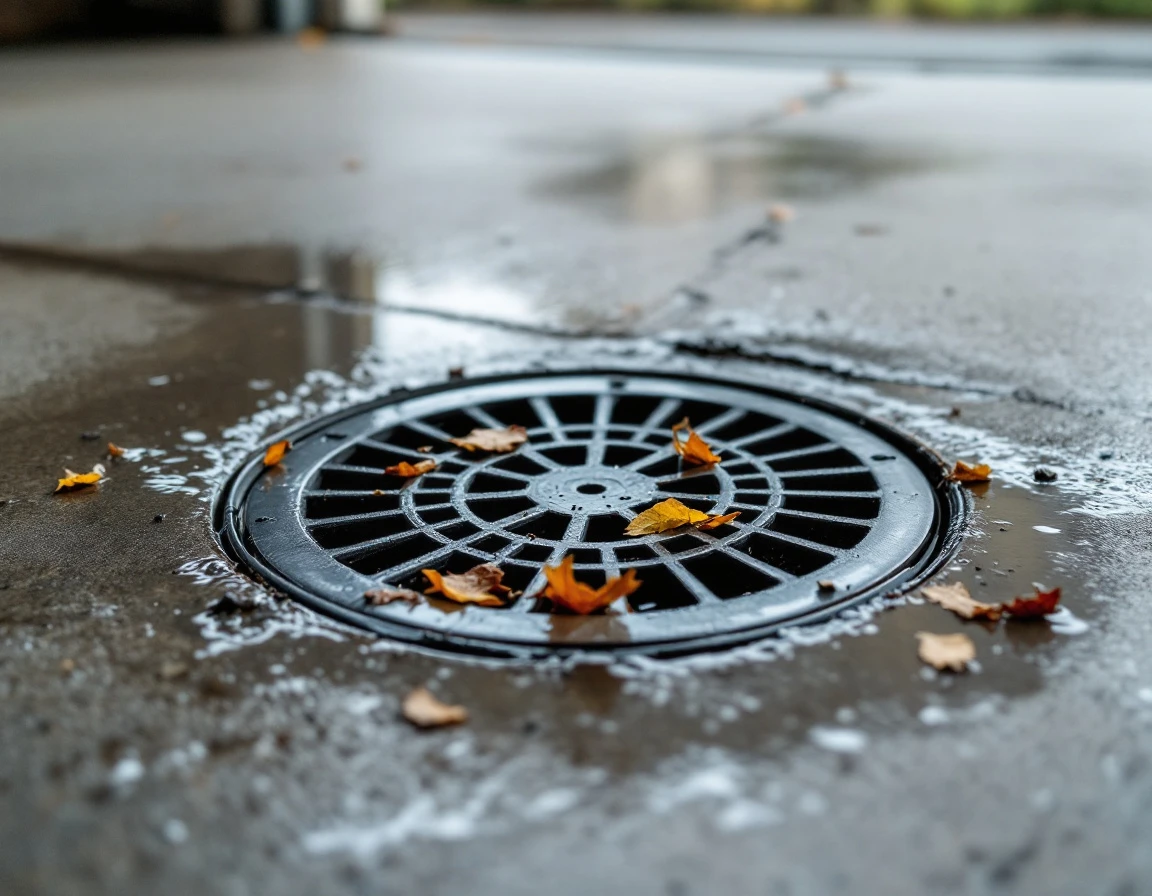
After inspecting your door seals, turn your attention downward. Garage floor drains and sump pumps serve as your second line of defense against water pooling on your concrete slab. During fall, leaves blow in every time you open the door, mixing with dirt, concrete dust, and the fine debris that settles in corners throughout the year. By mid-October, this accumulation can completely block drain grates—and when November rains arrive, backed-up water has nowhere to go.
Start your inspection by removing the drain grate. Look for standing water or visible debris buildup around the opening. If you spot leaves or sediment, use a wet-dry vacuum to clear the surface layer, then flush the drain with a garden hose. Does water drain quickly, or does it pool and disappear slowly? A sluggish drain indicates deeper blockage that may require a plumber’s snake or professional clearing.
If your garage has a sump pump, test it now rather than discovering failure during a storm. Pour a bucket of water into the sump pit until the float rises. The pump should activate immediately and discharge water through the outlet pipe. Listen for unusual grinding sounds or motor strain. Check that the outlet directs water away from your foundation, not back toward the garage or into landscaping beds where it can seep underneath.
When to Call for Professional Help
Simple cleaning often restores full function—if clearing debris gets your drain flowing freely and your sump pump cycles normally, you’ve handled the task yourself. But if the drain remains slow after cleaning, if your sump pump fails to activate or runs continuously, or if you notice water stains on your floor that suggest chronic pooling, professional assessment is warranted. Many homes in Gresham and throughout the Portland metro area have legacy drainage systems installed decades ago, before modern standards. Persistent water issues may indicate your system needs an upgrade to handle today’s rainfall patterns.
Checking Concrete Condition
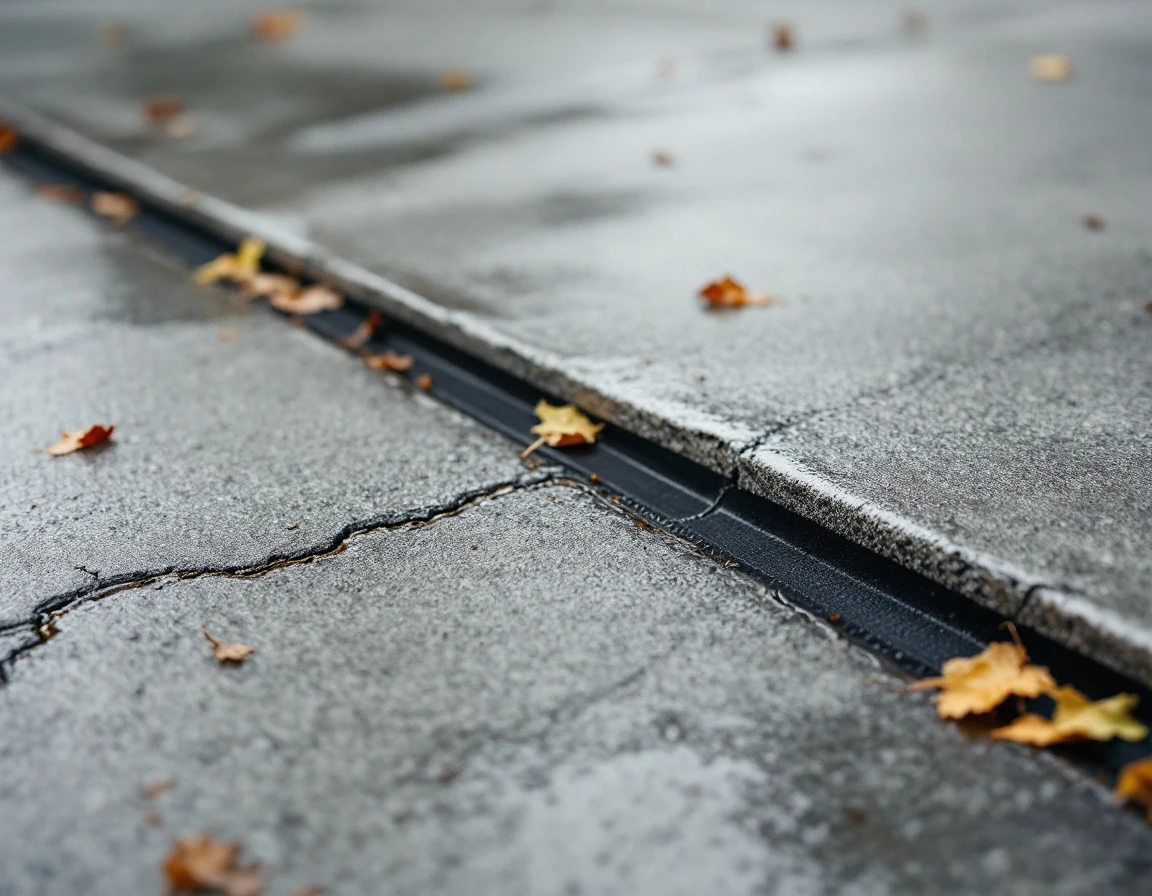
Once your drainage system is ready for winter, turn your attention to the garage floor itself. Water can’t flow properly if cracks allow it to seep beneath the surface or if damaged concrete traps standing pools. Before the October rains arrive, walk your garage floor and look for telltale signs of trouble.
Start with a visual inspection for the following issues:
- Visible cracks
- Discoloration from past water intrusion
- Spalling along edges
- Damp spots that linger after cleaning
Hairline cracks narrower than 1/8 inch can often be sealed with DIY concrete crack filler from your local hardware store—a simple weekend project that prevents water penetration and freeze-thaw damage expansion. Apply filler according to package directions, and you’ve stopped a small problem before it becomes expensive.
Wider cracks or spalling concrete require professional assessment. Once water infiltration begins, surface deterioration worsens rapidly, especially during freeze-thaw cycles common in Portland winters.
Sealing cracks now prevents winter ice damage and structural compromise that could cost thousands to repair. When in doubt, call a professional—catching foundation issues early keeps your garage dry and your repair budget intact.
Gutter and Foundation Drainage
Your garage interior drainage can’t keep up if gallons of water are pooling at the foundation during heavy rain. When gutters clog with leaves or downspouts dump water right against the walls, that runoff has nowhere to go but toward—and eventually into—your garage. This exterior layer of water management is what prevents your door seals and floor drains from being overwhelmed during November storms.
Start your inspection by clearing gutters and downspouts of leaves and debris. October gutter clearing is simpler than addressing water damage in January. Check that downspouts extend at least four to six feet from the foundation—short extensions dump water directly at the base of your garage walls. Walk the perimeter and assess ground slope: soil should angle away from the structure, not toward it.
Most homeowners can handle gutter clearing and downspout extension themselves. Severely eroded grading, where water visibly pools against the foundation after rain, may need professional regrading. This preventive work protects everything you’ve already inspected inside the garage.
DIY vs Professional: Decision Guide
After completing your inspection, the next step is deciding which tasks you can handle yourself and when to call in professional help. This decision tree simplifies the choice and helps you avoid costly mistakes.
DIY-Friendly Tasks: If your inspection revealed worn weather stripping, clogged gutters, minor surface debris in floor drains, or hairline cracks smaller than a quarter-inch, you’re looking at projects most homeowners can tackle:
- Weather strip replacement runs $50–150 in materials and takes an afternoon
- Gutter cleaning costs nothing but your time
- Sealing hairline cracks with epoxy filler adds another $30–80 to your budget
Call a Professional When: Sump pump failure, structural cracks wider than a quarter-inch, water pooling against your foundation, or visible frame damage all require expert assessment. These issues signal deeper problems that DIY repairs won’t solve—and attempting fixes yourself can void warranties or create liability issues.
Portland-area contractors typically offer quick inspection appointments in October, before the November rush when emergency calls spike and availability vanishes. A preventive service call runs $150–300 for assessment and minor repairs. Compare that to emergency water damage restoration, which starts at $5,000 and can climb past $20,000 when structural repairs enter the picture.
This is why October matters. Between October and April, heavy rainfall saturates the ground and increases pressure on drainage systems.
Two hours of inspection time plus $100–300 in preventive maintenance eliminates the risk of winter flooding. One avoided emergency pays for a decade of seasonal maintenance. That’s not just cost savings—it’s peace of mind through rainy season.