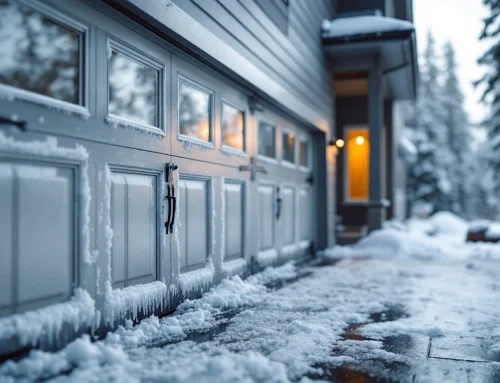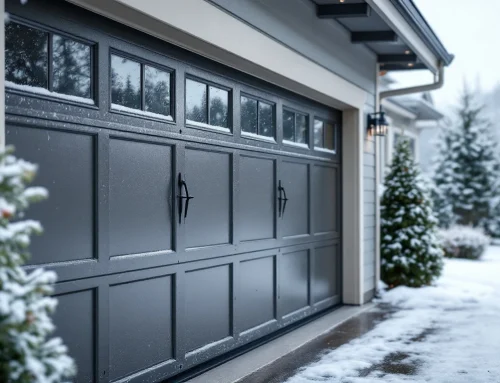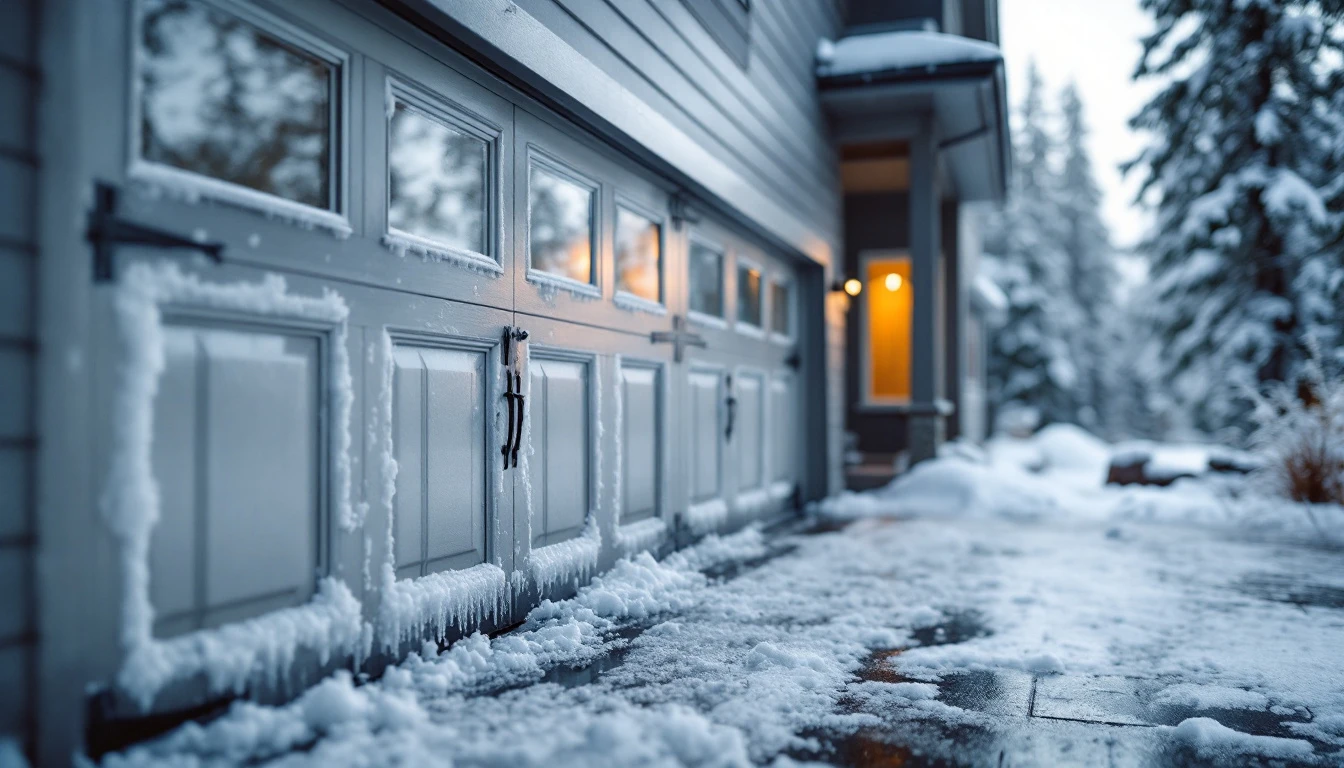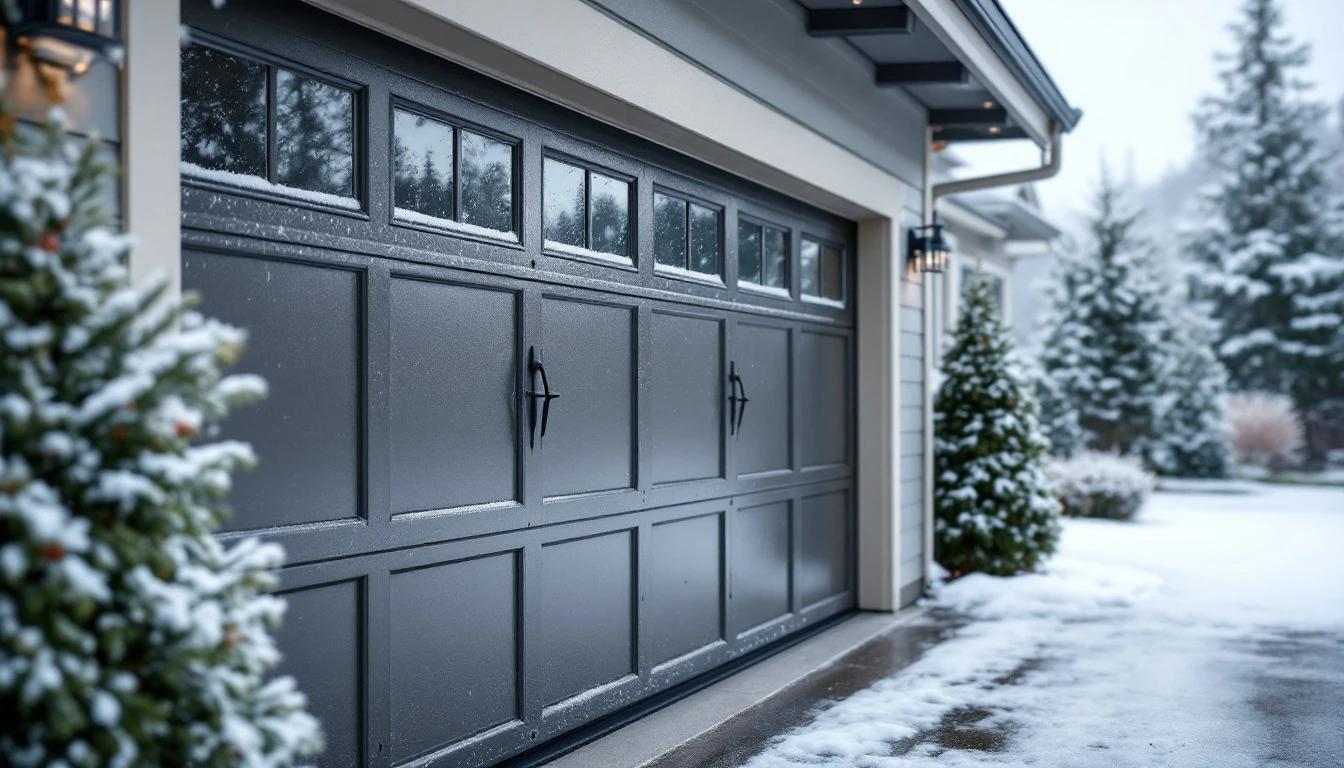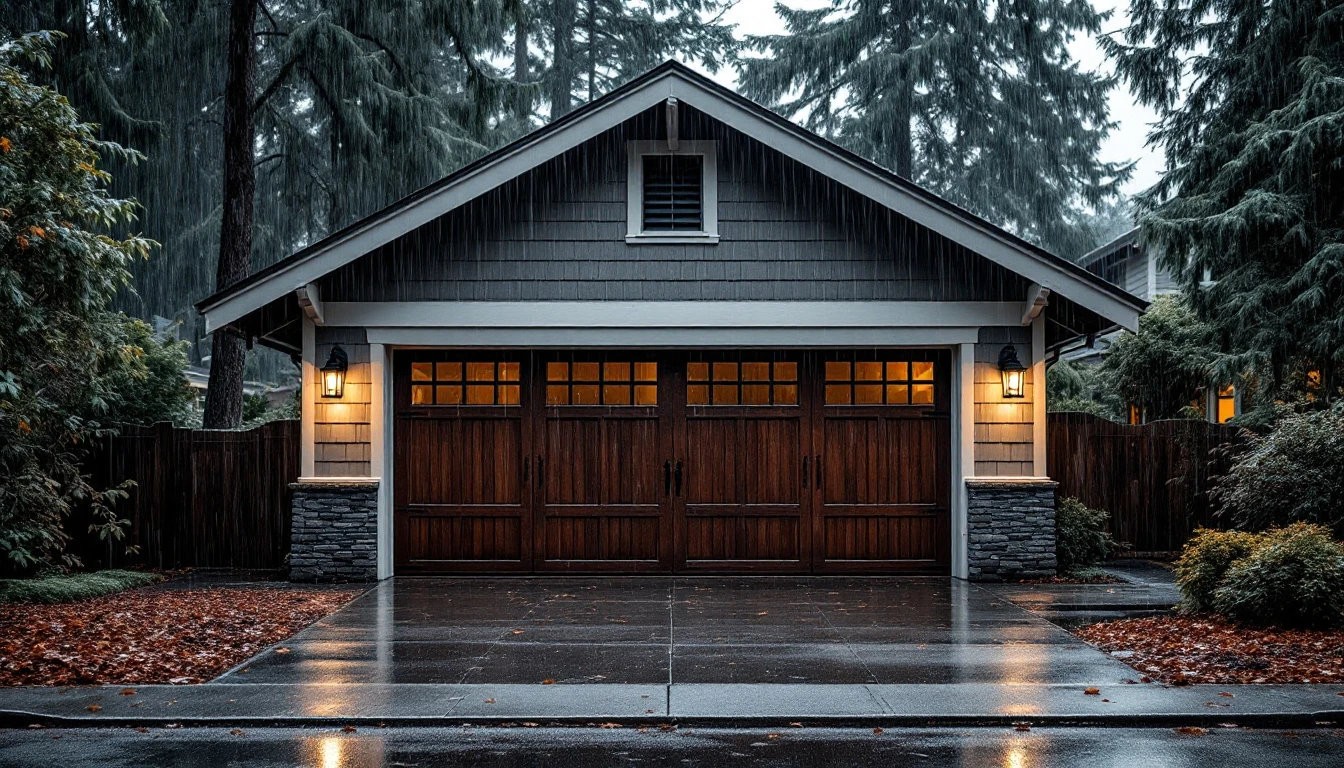
September Rain Risk in Portland: Preparing Your Garage Door for Heavy Rain
When September arrives in the Pacific Northwest, Portland’s dry summer weather gives way to steady fall rains that last through October and beyond. This seasonal shift brings a hidden danger: unprepared garage doors allow water to seep into attached garages, basements, and homes, causing damage that costs homeowners hundreds or even thousands in emergency repairs. Your garage door’s ability to handle heavy rain in Portland depends on proper weatherproofing and maintenance done before the wet season arrives.
The financial difference between acting now and waiting is stark. Proactive weatherproofing materials run between $50 and $150, while emergency repair calls during peak rain season typically start at $500 and climb from there. Spending two hours on a DIY inspection and weatherproofing project this month protects your property and keeps professional labor costs in your pocket.
Attached garage setups face particular vulnerability to water infiltration. Rain-driven leaks around door seals, threshold gaps, and weatherstripping failures create pathways for moisture that damages stored items, encourages mold growth, and threatens the structural integrity of connected living spaces.
Four Critical Inspection Tasks
Grab a flashlight, tape measure, and straightedge—you can complete these four essential checks in under an hour. Each task targets a specific vulnerability that Portland’s fall rains will exploit if left unaddressed.
- Visual Seal and Weatherstripping Inspection
- Bottom Panel and Threshold Assessment
- Drainage System Check
- Hardware Function Test
1. Visual Seal and Weatherstripping Inspection
Close your garage door and inspect every inch of weatherstripping where the door meets the frame. Press the rubber seal firmly—it should compress under your finger and spring back immediately. Look for cracks, hardening, or gaps where light peeks through. Any separation between the seal and the door frame creates a direct pathway for rainwater. In Portland’s damp climate, compromised weatherstripping allows moisture to seep into your garage. Damaging stored items and promoting mold growth.
2. Bottom Panel and Threshold Assessment
Open the door and examine the bottom seal. Run your hand along the entire length, feeling for tears, flat spots, or missing sections. Place your straightedge along the threshold—any dips or gaps larger than a quarter-inch will channel water directly inside during heavy downpours.
3. Drainage System Check
Walk the perimeter of your garage door, looking for leaves, debris, or soil buildup blocking drainage paths. Water should flow away from the foundation, not pool near the door frame. Clear any obstructions from gutters and downspouts within six feet of the door.
4. Hardware Function Test
Test your garage door opener by triggering the safety sensors—place an object in the door’s path and confirm it reverses. Check your backup battery system if equipped. Functional hardware prevents your door from jamming open during storms, when water protection matters most.
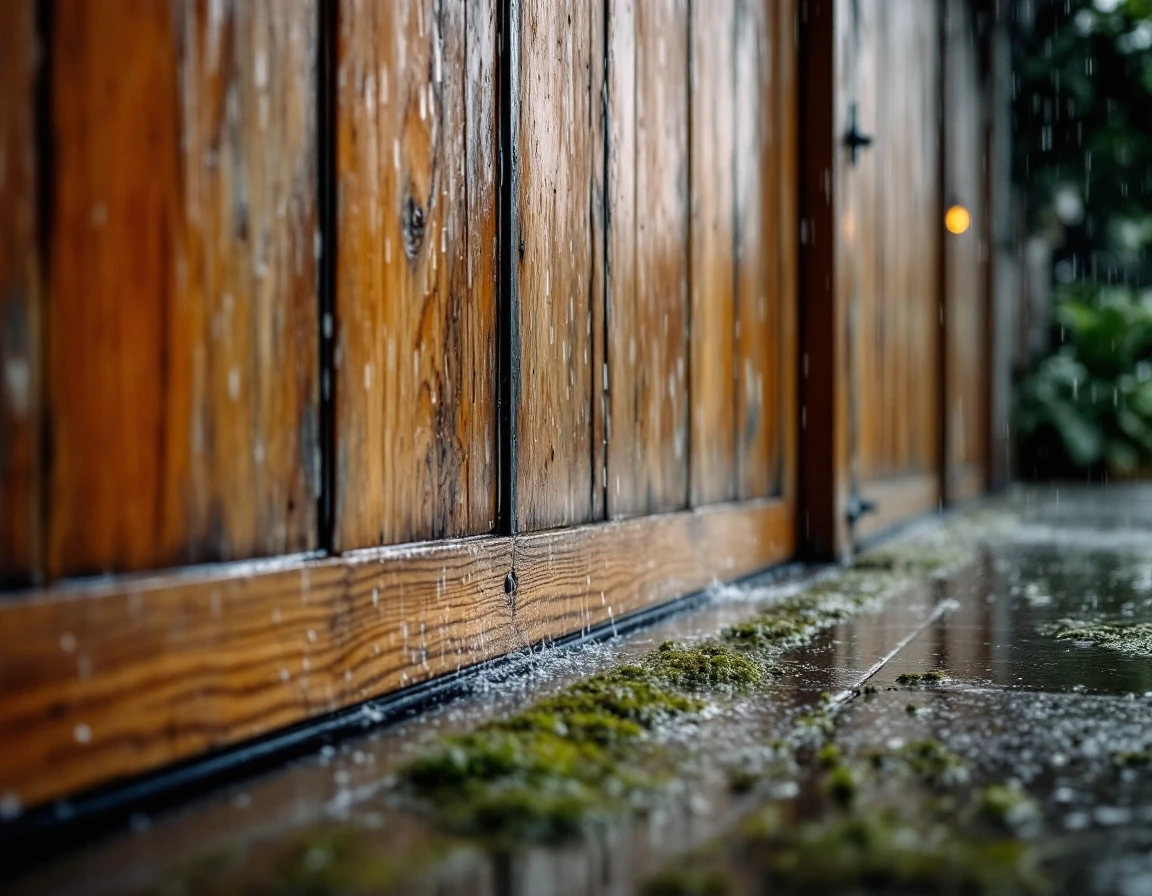
Weatherproofing Materials and Local Vendors
What materials do you need to weatherproof your garage door in Portland, Oregon before the heavy rain season arrives? The right choice depends on your budget and how long you want the protection to last. Rubber weatherstripping stands up best to the Pacific Northwest’s wet conditions, resisting mold and maintaining flexibility in cold weather. Foam options cost less but compress over time in heavy rain exposure. Silicone seals offer excellent water resistance and longevity. Though they come with a higher price tag.
You’ll find quality weatherproofing materials at local Portland hardware stores like Parr Lumber, McLendon Hardware, or the major big-box retailers. A basic bottom seal replacement typically runs $40-80 for materials, while a complete DIY weatherproofing kit ranges from $50-120. Compare that to professional installation at $300-500, and the savings become clear.
Budget-conscious homeowners can start with foam kits for immediate rain protection, then upgrade high-wear areas to rubber or silicone as needed. This phased approach lets you build your waterproofing system incrementally, addressing the most vulnerable spots right away before moving to additional areas.

Seal Failure Warning Signs
Catching seal problems early can save you from expensive emergency repairs down the road. Start with a simple light test: close your garage door on a sunny day and look for brightness peeking through at the bottom or sides. If you can see light under a closed door, water will find those same gaps during the next rainstorm.
Check for water stains or dampness along the door frame and on adjacent walls after wet weather—these marks tell you exactly where water is sneaking in. Look closely at the seal itself for visible separation from the door panel or threshold, which creates entry points for rain.
Does your garage smell musty or mildewy during rainy periods? That odor indicates moisture is already getting inside. Even if you haven’t spotted standing water yet. These warning signs are your chance to fix small problems before they become water damage disasters.
DIY Repair vs Professional
Before the fall rains arrive, take 30 minutes to assess whether you can handle garage door rain protection yourself or need professional backup. This final risk assessment protects you from emergency situations when storms hit.
Strong DIY candidates: If your door opens and closes smoothly, panels are intact, and you’re simply replacing worn weatherstripping with new seals, you can confidently tackle this yourself. The materials cost under $150 and the work takes two hours or less.
Call a professional when: Bent tracks, broken springs, sensor misalignment, or panels with dents indicate deeper problems that require specialized tools and safety training. Springs under tension pose serious injury risks to untrained hands.
Here’s your decision framework: Complete the inspection tasks from earlier sections. If you identify only weatherstripping wear, proceed with DIY. Begin by inspecting hinges, rollers, and bearings for cracks, rust, or wear. If repair estimates exceed $400, replacement often delivers better long-term value. For Portland-area contractors, verify licensing through Oregon CCB and request references specific to weatherproofing work. Having professional contacts established now—before emergencies occur—gives you peace of mind when October storms arrive.