Central Oregon Sun & High-Altitude UV Risk
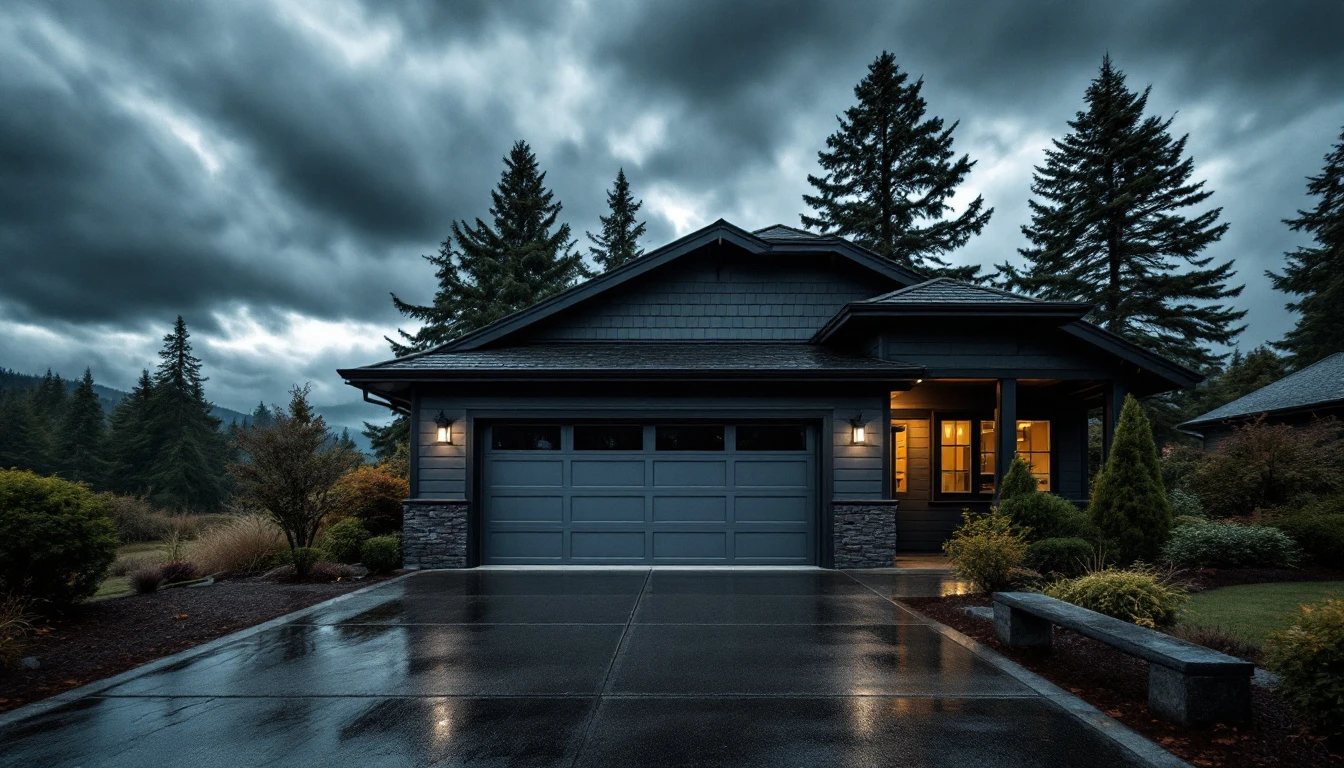
Central Oregon’s 3,600-foot elevation intensifies ultraviolet exposure, creating conditions where garage doors face accelerated fading, cracking, and finish degradation during the region’s 300+ sunny days each year. Understanding UV damage garage doors in Central Oregon is essential for protecting your investment against the region’s relentless high-altitude sun.
Central Oregon’s elevation (3,600+ feet) and 300+
Central Oregon sits at elevations above 3,600 feet, where the thin atmosphere filters out less ultraviolet radiation than lower-altitude regions. Combined with more than 300 sunny days each year, this creates 25–40% more intense UV exposure than Portland or Seattle experience. Your garage door absorbs this relentless bombardment every single day.
Low humidity and reduced atmospheric density work together to amplify UV penetration, meaning those rays reach deeper into paint layers and surface finishes. Aluminum doors lose their factory sheen faster. Steel coatings chalk and oxidize. Wood garage doors develop hairline cracks that widen with each season. The high desert climate offers no mercy to unprotected surfaces, turning what might last a decade at sea level into a five-year replacement cycle here.
Summer (June–August) UV intensity peaks; June
June represents your last chance to apply protective coatings before July and August deliver the most destructive UV exposure of the year. During these peak summer months, Central Oregon’s high-altitude sun beats down with relentless intensity, rapidly breaking down unprotected wood stains, causing sun fading of garage door paint in Central Oregon, and making vinyl brittle and prone to cracking.
Signs of UV Damage on Your Door
How do you know if your garage door is already suffering from UV damage? The earliest warning sign is chalking—a powdery residue that appears on sun-facing surfaces when paint begins breaking down. Run your hand across the door’s exterior; if you see a fine dust on your fingers, UV rays have already started degrading the finish.
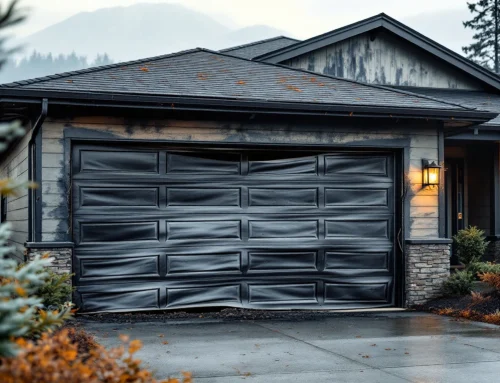
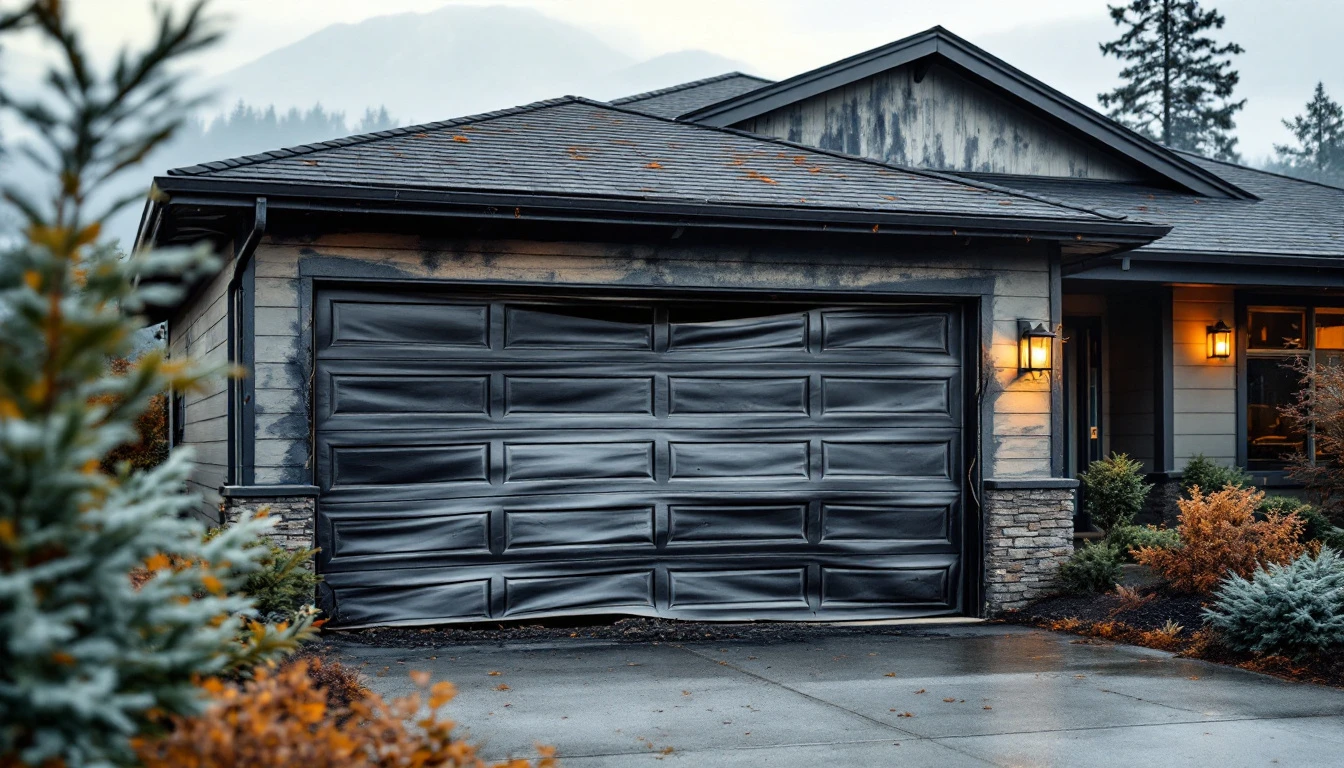
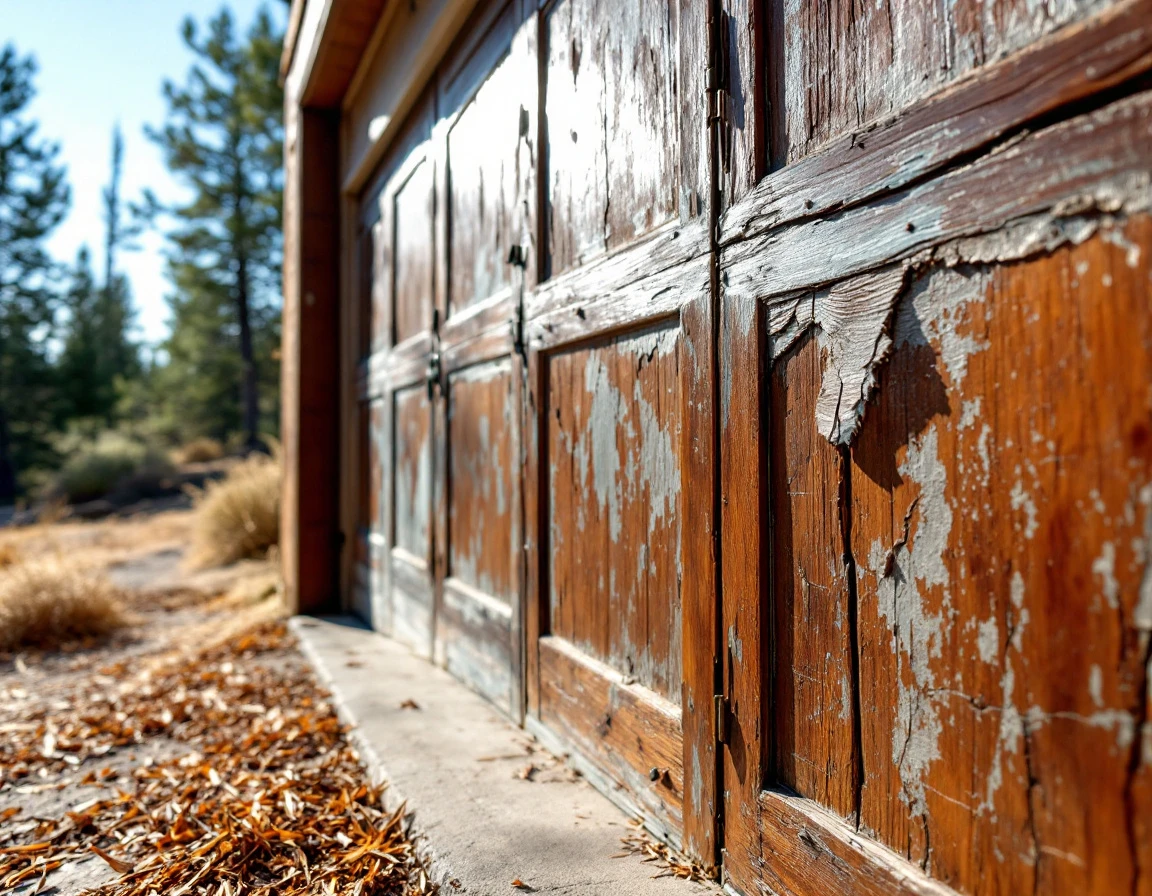
As damage progresses, you’ll notice uniform color loss on south- and west-facing panels. Aluminum doors develop a dull, oxidized appearance and lose their factory sheen. Steel doors show rust streaks where paint has failed, typically along edges and fastener points. Wood doors exhibit the most dramatic changes: splintering grain, peeling stain, and visible hairline cracks that trap moisture.
Here’s a reliable diagnostic test: compare your door’s interior and exterior panels. Notice a two-tone appearance. The protected interior panels retain their original color while sun-exposed exterior sections fade noticeably lighter. This contrast reveals exactly how much damage UV exposure causes over time.
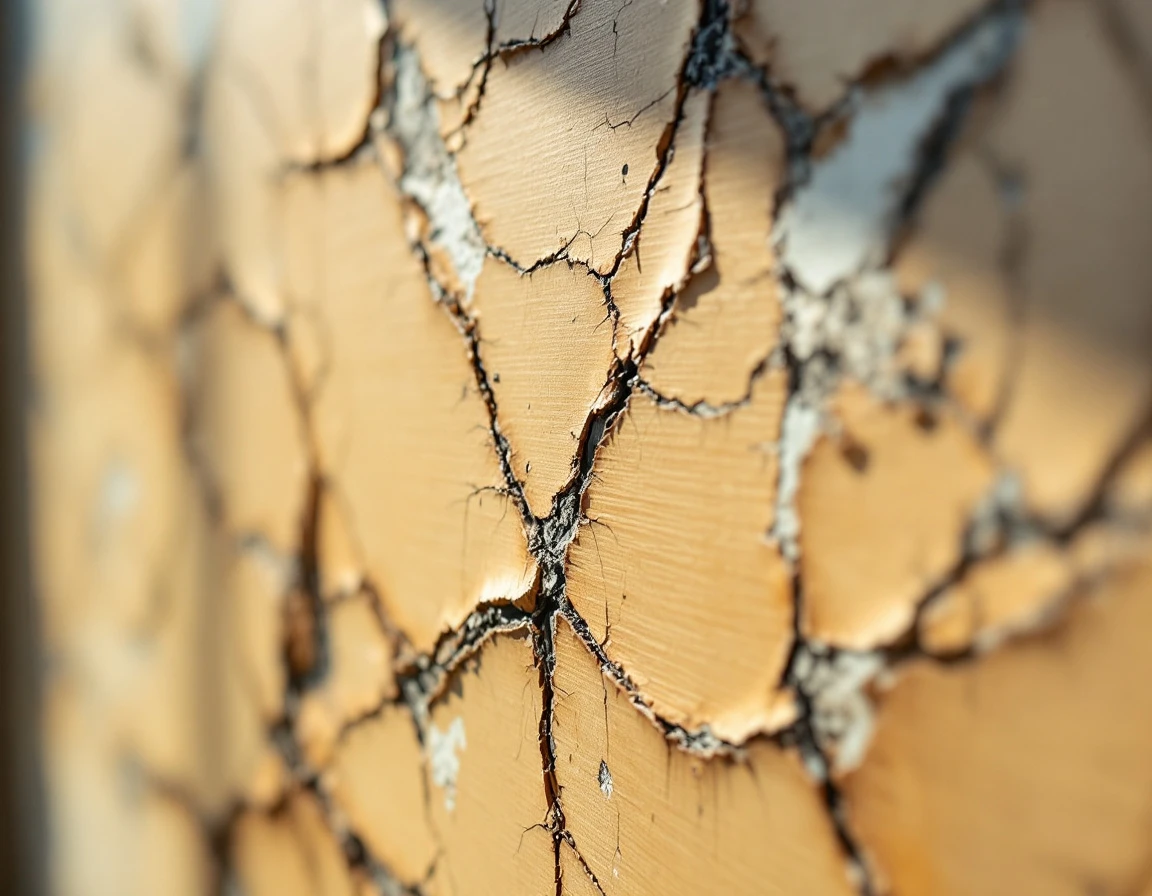
Within two to three years of unprotected exposure, micro-cracks appear—hairline fractures visible only in direct sunlight that eventually widen into structural damage. Are the cracks concentrated on sun-facing areas? Is fading patchy rather than uniform? These patterns confirm garage door cracking from sun exposure rather than normal aging, making now the right time to take protective action before refinishing becomes necessary.
How to Protect Garage Door from UV Damage: Methods Ranked by Durability
When choosing UV protection for your Central Oregon garage door, you’re weighing three distinct investment tiers. Each offers different longevity, upfront costs, and protection levels against the region’s intense high-altitude sun.
Budget-Friendly: Clear UV-Blocking Coatings
Clear polyurethane coatings with UV inhibitors represent the most accessible entry point for protection. These products preserve your door’s original appearance while blocking damaging rays. For a standard two-car garage door, DIY application costs between $150 and $300 in materials, and these coatings deliver three to five years of reliable protection. They work particularly well if you’re planning to reapply protection regularly and want to maintain your existing finish.
Premium Tier: Ceramic and Film Protection
Ceramic coatings designed specifically for exterior applications outperform automotive products in Central Oregon’s dry climate. Why? Automotive ceramics focus on water repellency, but residential-grade formulations prioritize UV filtration and thermal expansion resistance—exactly what your door needs in low-humidity, high-sun conditions. Professional application represents a worthwhile investment for typical door sizes, and these coatings outlast multiple refinishing cycles while preventing the cracking that demands expensive restoration work down the road.
Long-Term Investment: UV-Resistant Repainting
Complete repainting with modern UV-resistant finishes extends your door’s lifespan well beyond its original timeline. This option makes sense if your door already shows moderate damage or if you’re ready to change colors. Light or reflective colors naturally deflect more solar radiation than dark finishes, compounding the sun damage garage door finish protection benefits.
The math is clear: investing in ceramic protection today prevents the costly refinishing bill that follows unchecked UV damage. Which tier fits your timeline and budget?
Application Timing & Summer Maintenance
June stands out as the perfect month to apply UV protection to your Central Oregon garage door. Why? Temperatures typically hover between 60 and 75°F—the sweet spot for coating products to cure properly and bond with door surfaces. Low humidity during this window prevents the bubbling and adhesion failures that plague applications in wetter climates. Most importantly, protecting your door in June means your barrier is fully cured and ready to deflect UV rays before July and August deliver their most intense solar punishment.
What does a sensible maintenance calendar look like?
- Start with a May inspection each year to spot micro-cracks and early chalking. Address these small issues before they spread.
- In June, reapply clear coatings if you’re on a three-year schedule, or touch up any areas showing wear.
- Come September, assess how well your protection held up through peak summer and note any sections that need attention next spring.
Central Oregon’s dry climate actually simplifies your maintenance routine compared to coastal regions. You won’t need seasonal moisture barriers or worry about trapped water causing rot. Instead, focus your energy on maintaining UV reflection and finish integrity—the real threats at high altitude.
When to Refinish vs. Repair
Not every faded garage door needs a full refinishing job. If your door shows uniform color loss and only hairline surface cracks, you’re catching the problem early—and a protective coating application can stop further damage in its tracks. This preventive step costs $200–$400 and adds years to your finish without the expense of stripping and repainting.
When should you commit to full refinishing? Look for these specific thresholds:
- Cracks deeper than 1/8 inch
- Damage covering more than 30% of the door surface
- Any signs of structural deterioration
At this stage, a coating alone won’t halt the breakdown. Full refinishing runs $1,500–$3,000. But it’s necessary to restore both protection and appearance.
Material type changes the decision point. Wood doors showing splintering or rust stains bleeding through the finish need immediate refinishing—surface coatings can’t reverse structural damage. Steel doors with active rust require the same treatment. Aluminum doors offer more flexibility: if you catch oxidation early, a quality coating may restore the surface. Wait too long, and the pitting becomes permanent.
The cost-benefit calculation is simple. Spending $200–$400 on protective coating today prevents that $1,500–$3,000 refinishing bill in two years. Know your door’s current condition, match it to these thresholds, and you’ll make the right call.
Next Steps: Protect Your Door This June
June 2026 gives you a narrow window to act before Central Oregon’s peak UV months arrive. Start by inspecting your garage door now using the fading and cracking checklist from earlier sections. Photograph your sun-facing surfaces today—these images become your baseline for tracking future damage and measuring how well your chosen protection works.
Select your protection method based on what you found during inspection. Caught early fading? A clear coating stops progression and extends the life of your finish. See moderate oxidation or color loss? Ceramic treatment provides durable, long-term defense against environmentall damage. Already dealing with deep cracks or widespread finish breakdown? Full UV-resistant refinishing restores your surface to like-new condition with protection that lasts for years to come.
Apply your protective coating immediately or schedule refinishing service before July arrives. Set a reminder for May 2027 to inspect and touch up any worn spots, then repeat this inspection annually. This simple calendar keeps you ahead of UV damage before it requires expensive repairs.
Taking action now extends your door’s lifespan by 5–10 years and eliminates costly refinishing down the road.
Need expert guidance? Contact a local Bend or Central Oregon garage door specialist to assess your door’s current condition and apply professional-grade protection before summer’s intense sun arrives.