Spring Flood Risk in West Longview
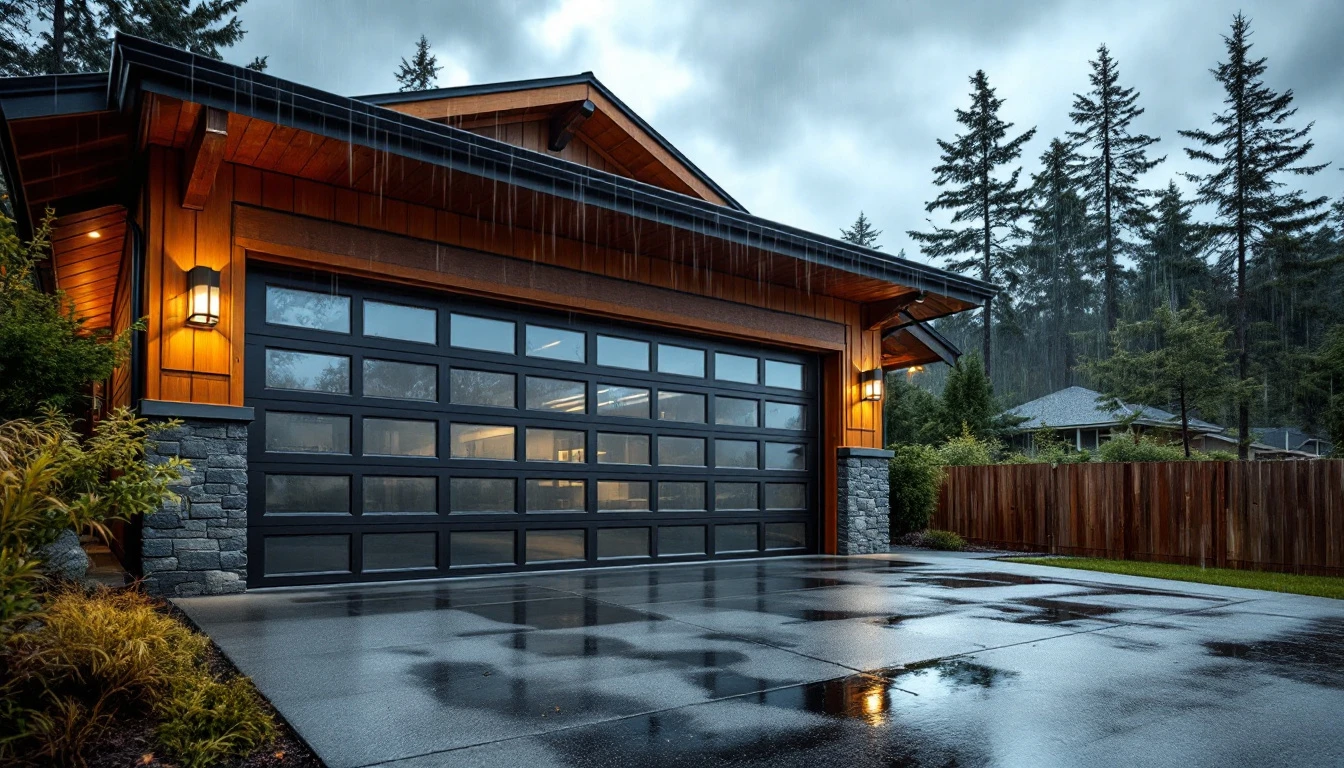
West Longview faces improved flood risk each spring when snowmelt combines with heavy rainfall near the Cowlitz and Columbia Rivers. Installing flood-proof garage doors in Longview before peak water levels arrive protects your home from the $5,000-$15,000 in potential water damage.
Cowlitz and Columbia Rivers create predictable
Longview’s geography at the confluence of the Cowlitz and Columbia Rivers creates predictable flooding patterns each year. March and April bring peak water levels as snowmelt from upstream watersheds combines with spring rainfall, pushing water into low-lying neighborhoods.
West Longview and Mint Valley face the highest water intrusion risk during these seasonal floods. These neighborhoods sit in natural drainage basins where rising river levels force groundwater upward and surface water pools around foundations and garage structures.
Water damage to garages can impose serious financial and structural consequences for homeowners.
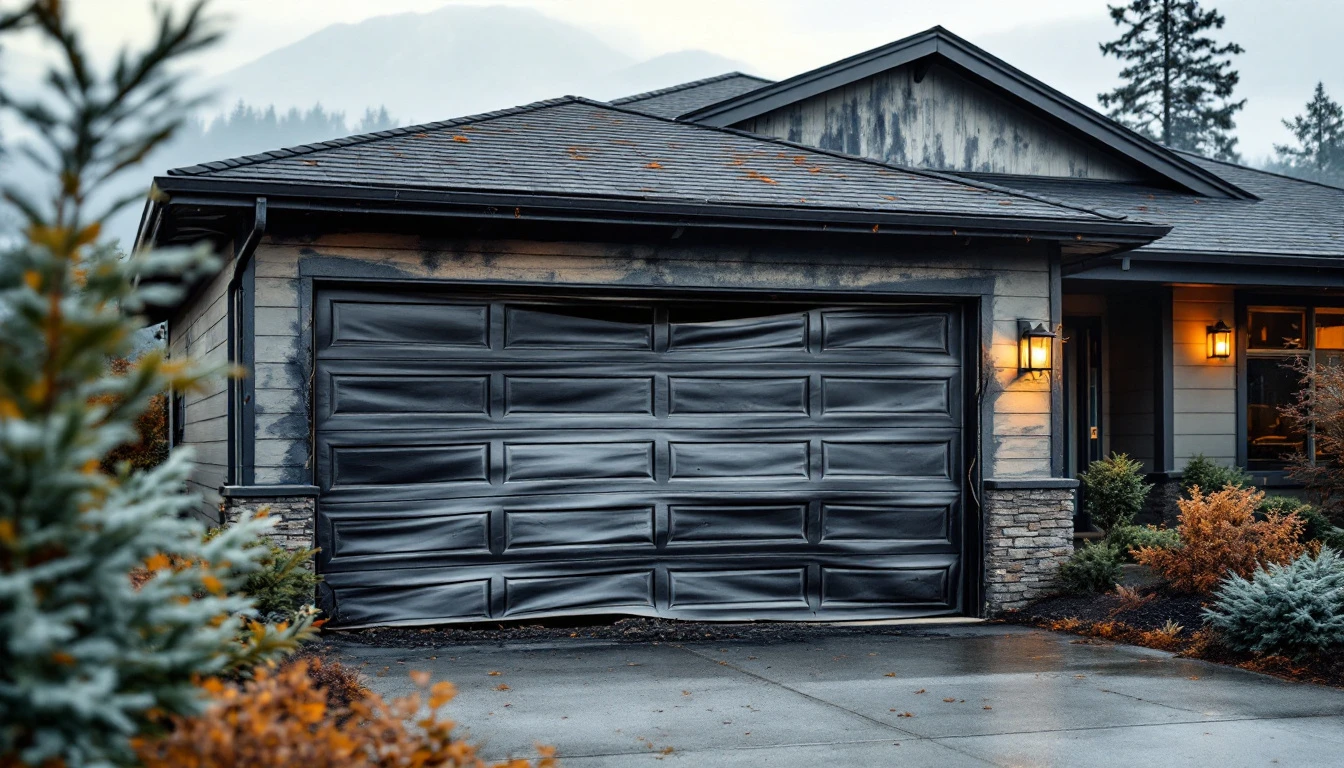
Without preventive measures, water damage to garages can cost $5,000-$15,000 in repairs when spring flooding hits West Longview and Mint Valley. The Cowlitz and Columbia Rivers typically flood in March and April, giving you time to install flood-proof garage doors now instead of calling for emergency repairs during peak flood season.
Weatherstripping Installation Basics
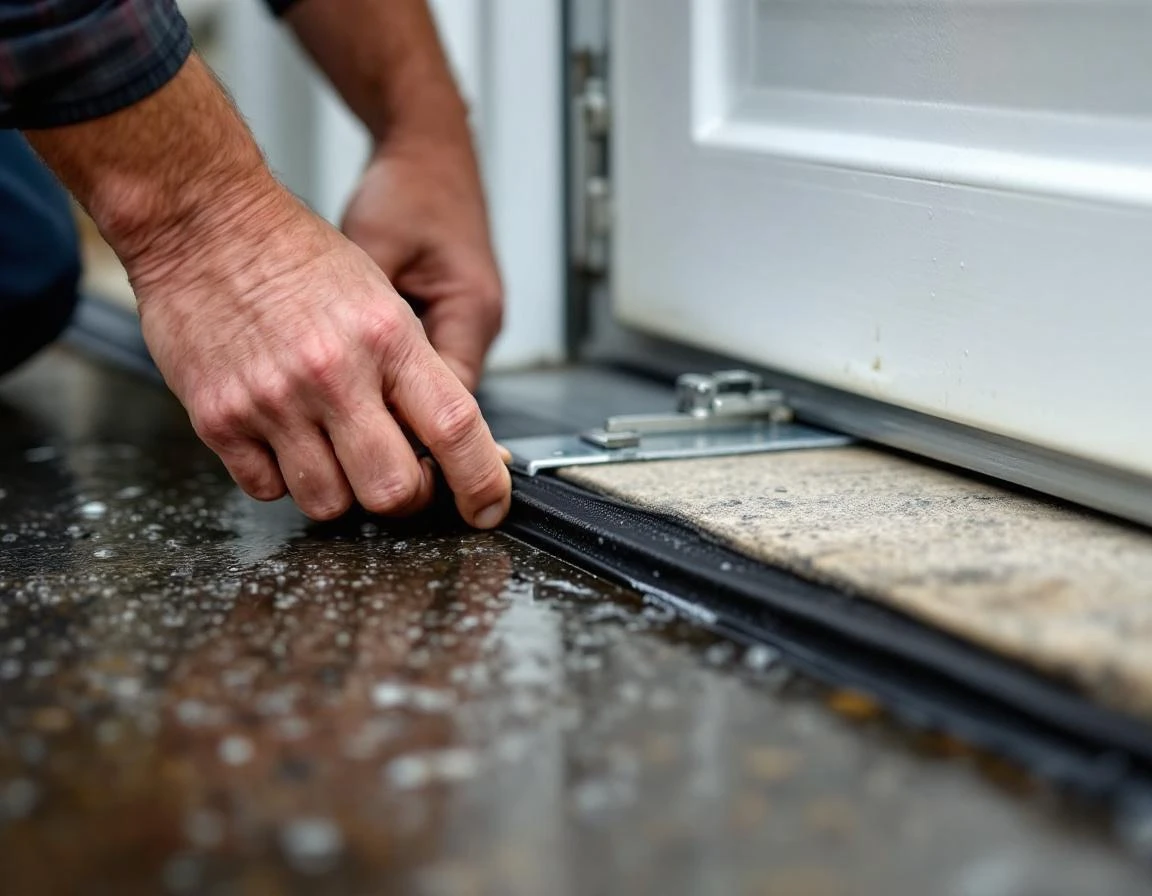
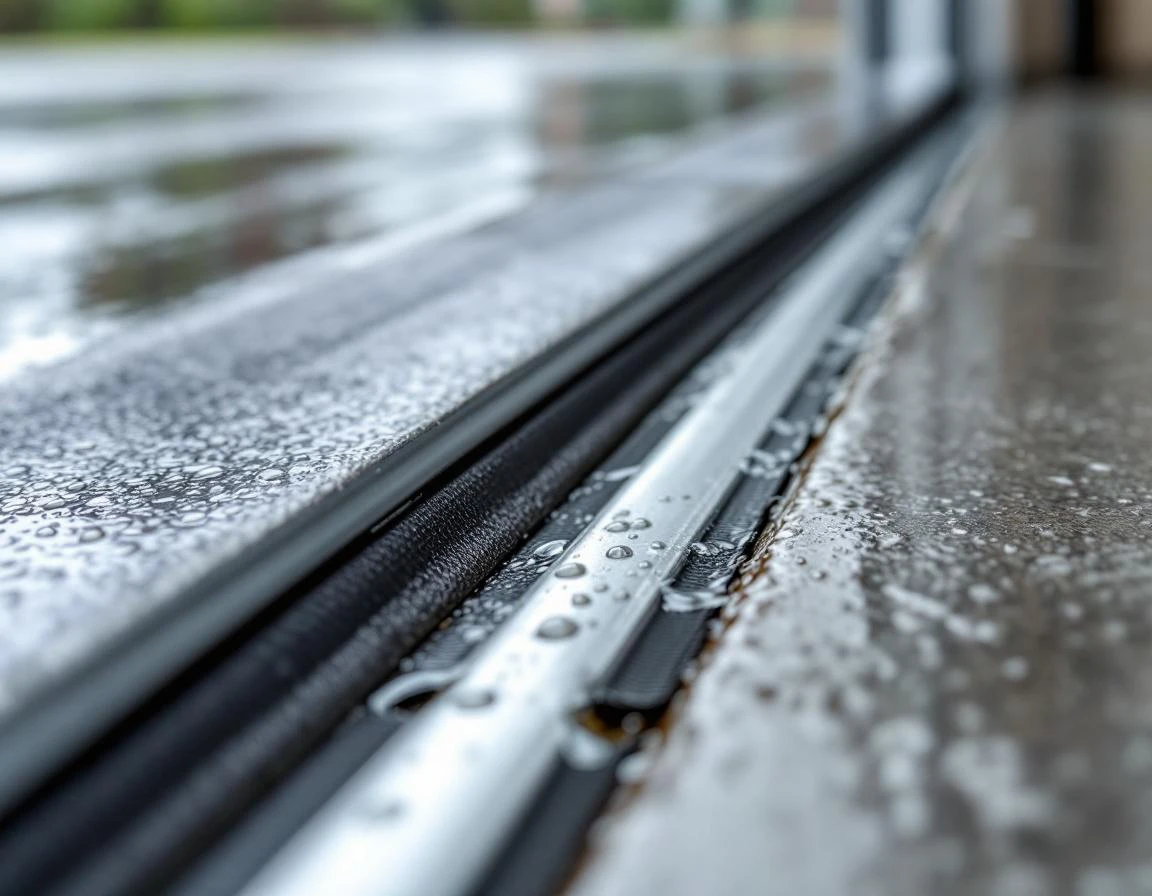
Weatherstripping forms the first line of defense against flood water entering your garage. This flexible material seals the horizontal gaps along the bottom of your door and the vertical gaps along the sides, blocking water that would otherwise flow directly into your garage during spring floods. Weatherstripping for garage doors and water intrusion prevention stops even minor flooding in West Longview and Mint Valley from sending water streaming under your garage door.
You have three material options when shopping for weatherstripping in Longview. Rubber strips provide the best water resistance and durability but cost more upfront. Foam strips offer easier DIY installation at lower prices but compress over time and need replacement every few years. Brush-style weatherstripping works well for uneven floors but allows more water through than solid materials during heavy flooding.
For DIY installation, measure each gap carefully before purchasing materials. Clean all surfaces thoroughly, cut your weatherstripping to exact lengths, and apply firm pressure during installation to create proper adhesion. The bottom seal attaches to the door’s base, while side seals mount to the door frame. Professional installation guarantees airtight seals and typically includes a warranty, making it worth considering for homeowners who want certainty before March flooding arrives.
Garage door weatherstripping is an affordable investment that prevents costly water damage repairs during spring floods. Protect your garage by choosing between DDIY or professional installation options built to fit your specific needs. Contact us today to discussuss which approach makes sense for your situation.
Garage Door Threshold Installation for Flood Protection
While weatherstripping seals the perimeter gaps. A threshold system creates a raised barrier at the base of your garage door—the critical second layer in your flood protection strategy. Think of it as a speed bump that prevents standing water from entering your garage during Longview’s March and April flood events. Garage door threshold installation for flood situations works best when combined with other flood-resistant garage door measures.
Thresholds come in three primary materials, each suited to different water levels. Rubber thresholds offer excellent flexibility and seal against uneven concrete floors common in older West Longview homes. Aluminum thresholds provide the highest durability for workshop-style garages that see vehicle traffic, while vinyl options balance cost and water resistance for moderate flood risk areas. Most systems add 2-4 inches of water protection—enough to handle typical Cowlitz River overflow situations.
Installation requires removing your existing door seal, thoroughly cleaning the garage floor surface, measuring the door width precisely, and securing the threshold with concrete anchors or heavy-duty adhesive. Proper sealing at the ends prevents water from bypassing the barrier. If your garage floor has significant cracks, slopes, or drainage issues, professional installation addresses these structural concerns before mounting the threshold.
The investment ranges from $200-$500 installed. Protecting garage contents worth thousands. When combined with weatherstripping, you’ve created a physical barrier system that works together to keep flood water outside where it belongs.
Drainage System Setup Around Doors
Even the best weatherstripping and threshold system can’t withstand constant water pooling at your garage door. Proper drainage prevents water from reaching your door in the first place, making your first two protection layers far more effective. West Longview garage door drainage solutions prevent water from reaching your door before your sealing systems face constant pressure.
Passive drainage starts with ground grading — sloping the ground away from your garage door so water naturally flows elsewhere. Your lot should drop at least two inches for every ten feet of distance from the door. For properties where natural grading isn’t enough, a French drain installed along the garage foundation intercepts groundwater and directs it to a safer location through a gravel-filled trench and perforated pipe.
West Longview and Mint Valley properties face unique challenges. Sloped lots can channel water directly toward garages, while low-lying areas in Mint Valley may sit below the natural water table during heavy Cowlitz River flooding. In these situations, active drainage becomes necessary. A sump pump installed in a pit near your garage foundation automatically removes water when passive systems get overwhelmed.
Does your property slope toward your garage, or do you notice standing water after heavy rain? Professional drainage assessment helps identify whether grading adjustments, French drains, or sump pumps will protect your investment. Installing proper drainage before March means your weatherstripping and threshold can focus on blocking splashes rather than fighting constant water pressure.
Emergency Repair Protocol Checklist
When flood water reaches your garage despite protective measures, having a clear emergency plan prevents costly delays. The moment you notice water intrusion or a malfunctioning door, your response timeline directly affects repair costs and insurance recovery.
Document everything immediately. Before removing any water, take detailed photos and videos showing water depth, damaged components, and affected belongings. Insurance adjusters need visual evidence of the initial damage state. Capture images of rusted tracks, water-logged panels, and failed weatherstripping while conditions remain unchanged.
Prioritize repairs based on urgency. A garage door that won’t open or close poses immediate security risks and requires same-day attention. Active rust on metal tracks spreads quickly in wet conditions and needs prompt treatment. Cosmetic panel damage and minor track misalignment can wait until contractors catch up with demand.
During March-April peak flooding, Longview repair companies face overwhelming call volumes. Contact professionals early in the flooding event rather than waiting for water to recede. Homeowners who pre-arrange service relationships with local contractors often receive faster response times when widespread flooding hits West Longview and Mint Valley simultaneously.
Timeline and Next Steps
With peak flooding season just weeks away, timing matters more than most homeowners realize. Installing your three-layer protection system before April rains arrive requires strategic planning and immediate action.
Start weatherstripping this weekend. This fastest protection layer takes only 2-4 hours for DIY installation or 1-2 days if you schedule professional help. You can complete this measure immediately without waiting for contractor availability.
Schedule threshold installation for mid-March. Professional installation requires 1-3 days depending on your garage configuration and material choice. Contact installers now to secure appointments before the March rush overwhelms local contractors.
Drainage work demands the longest timeline at 1-2 weeks for assessment and installation. If you suspect grading issues or need French drain installation in West Longview or Mint Valley properties, request contractor estimates this week. Drainage projects often uncover unexpected complications that extend timelines.
Contact Garage Harmony today to schedule your flood protection consultation. Our team can assess all three protection layers and create an installation timeline that protects your garage before spring floods arrive in the Longview area.