El Niño Fall Garage Door Maintenance for 2026
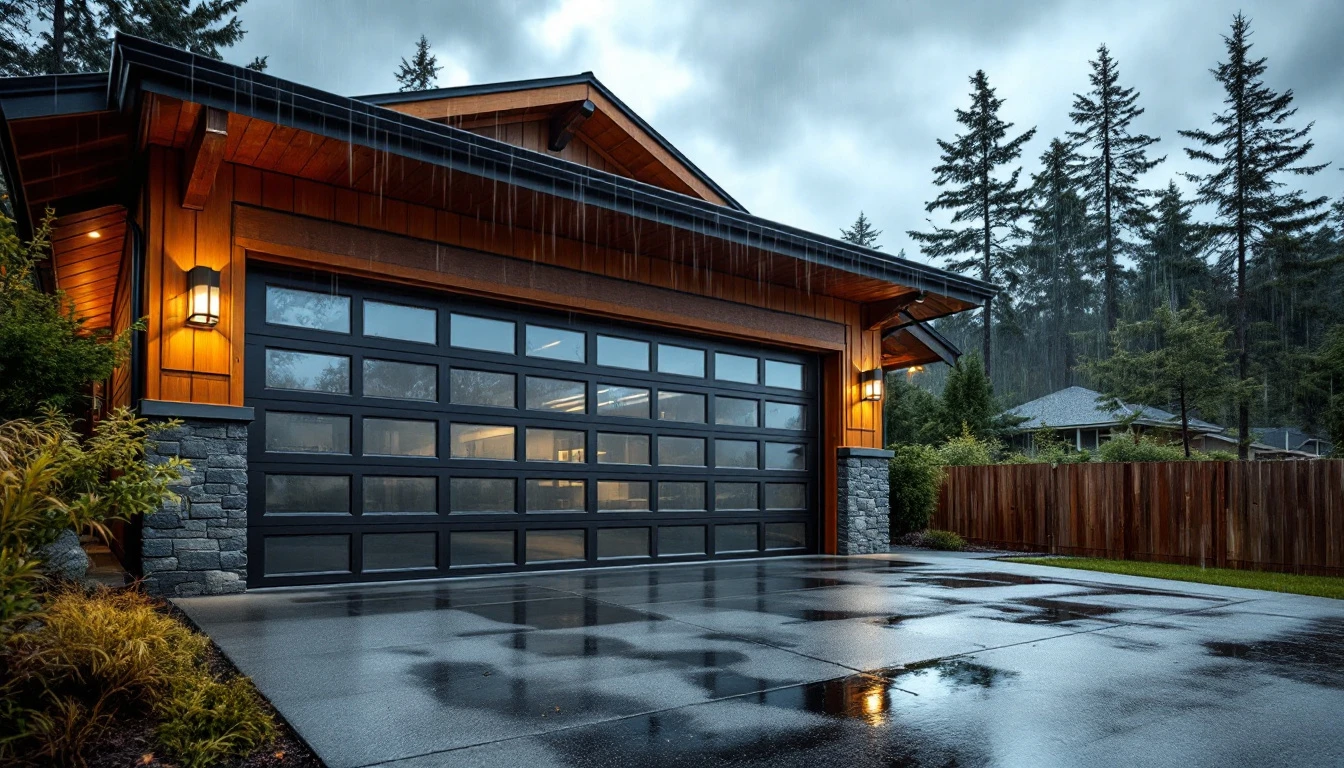
El Niño is a recurring climate pattern that warms Pacific Ocean waters, shifting weather systems across North America. Meteorologists forecast that this fall, Oregon and Washington will experience warmer, wetter conditions than usual—a combination that spells trouble for garage doors. Proper El Niño fall garage door maintenance starts now, before the wet season intensifies.
Excess moisture and improved humidity accelerate weatherstripping degradation and seal failure, leaving your garage vulnerable to water intrusion.
Without preventive action taken now in September, the October and November storms will test every weak point in your door’s defenses. Water damage to garage interiors, rusted hinges, and compromised door mechanisms become far more likely when seals can’t keep moisture out. Acting before the heavy rains arrive protects your investment and keeps your garage dry.
Three Priority Maintenance Tasks
Before the first heavy storms arrive, tackle these three high-impact maintenance tasks to protect your garage from the warm wet fall weather expected across Oregon and Washington. Each takes under an hour and helps you catch problems before they turn into expensive repairs.
Task 1: Inspect and Clean Garage Door Seals
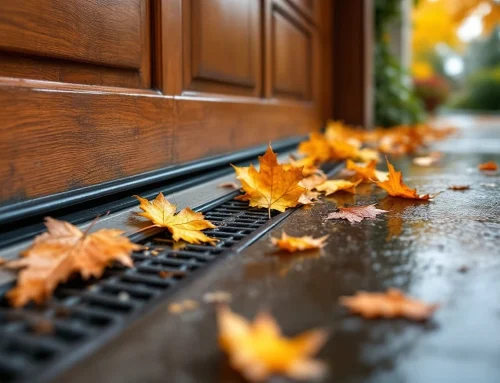
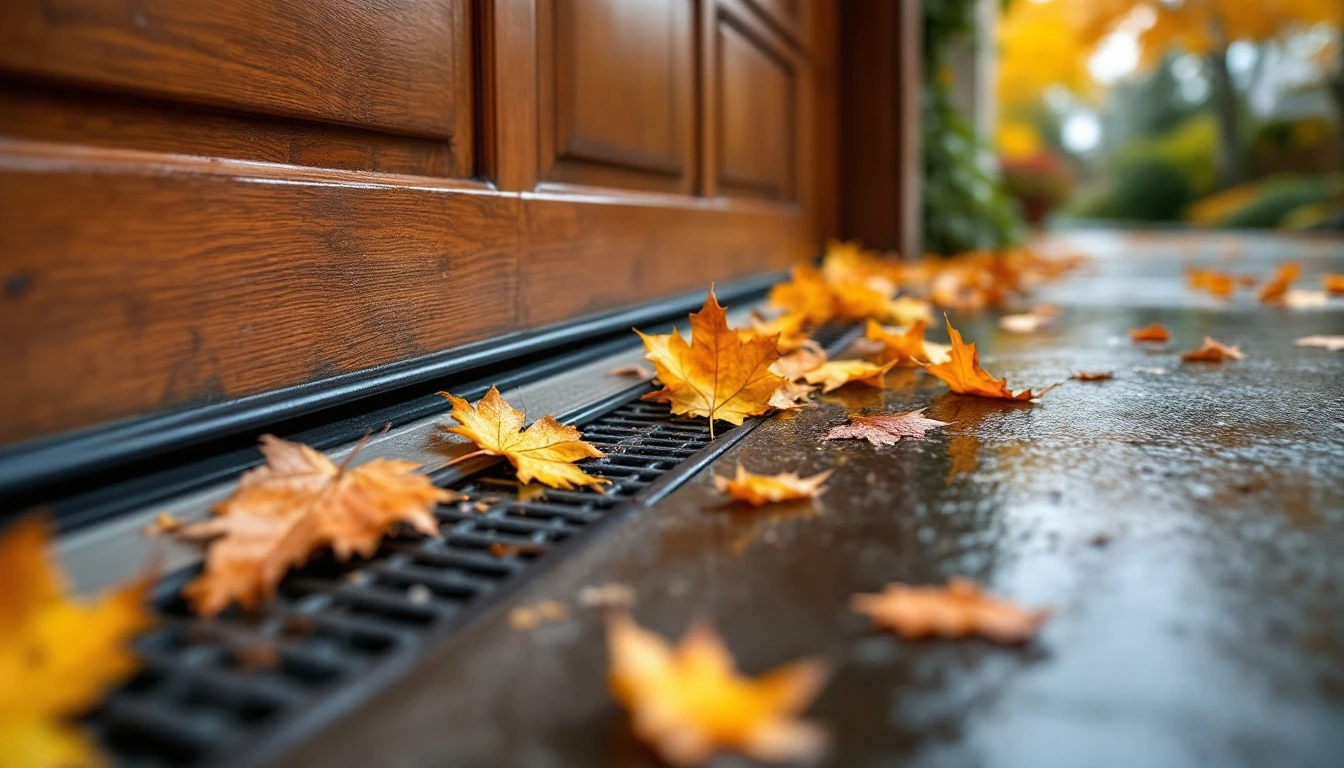
Check the rubber seal along your door’s bottom edge, side channels, and threshold. Look for dark discoloration, visible gaps, or brittle texture—all signs that moisture has compromised the seal. Run your hand along the seal while the door is closed; you shouldn’t feel air movement. Clean debris from channels using a stiff brush and wipe seals with a damp cloth. Moisture amplifies deterioration by allowing water to seep behind the seal, causing rot in wooden components and rust in metal tracks. If you find cracks wider than a credit card or material that crumbles when touched, replacement is needed.
Task 2: Examine Weatherstripping for Compression Damage
Inspect weatherstripping around the door frame, paying attention to corners where water pools. Press the material gently—it should spring back. Permanent indentations or stiffness indicate compression failure from humidity exposure. Humidity softens adhesives and causes weatherstripping to lose its seal, letting rain drive through during storms. This inspection takes 15 minutes. Minor gaps can be addressed with adhesive-backed replacement strips; widespread failure requires professional attention.
Task 3: Lubricate Moving Parts to Prevent Rust
Apply white lithium grease or silicone spray to hinges, rollers, and springs. Excess moisture accelerates rust formation, which causes mechanical parts to seize or fail under stress. Listen for grinding sounds during operation—they signal corrosion has already started. This 20-minute task prevents costly spring replacements and keeps your door operating smoothly through wet months.
Weatherstripping Upgrades for Wet Seasons
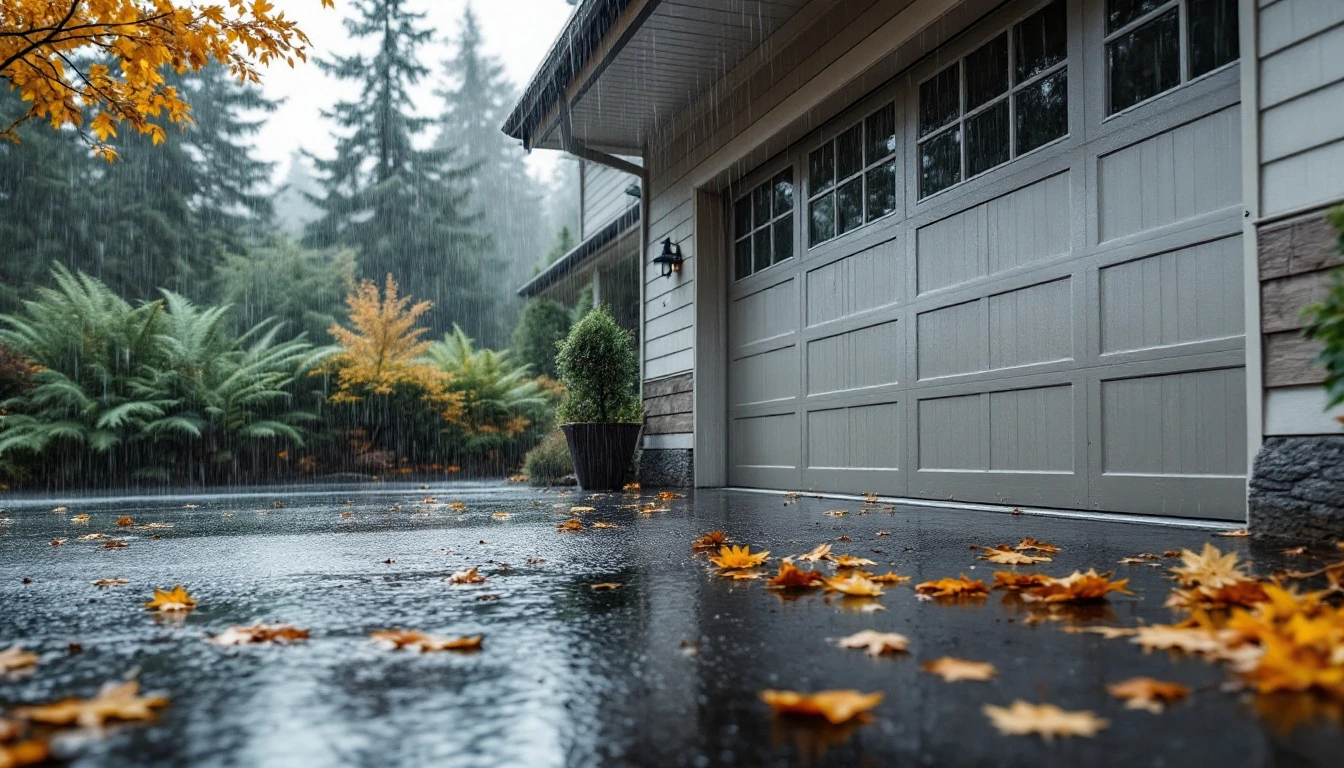
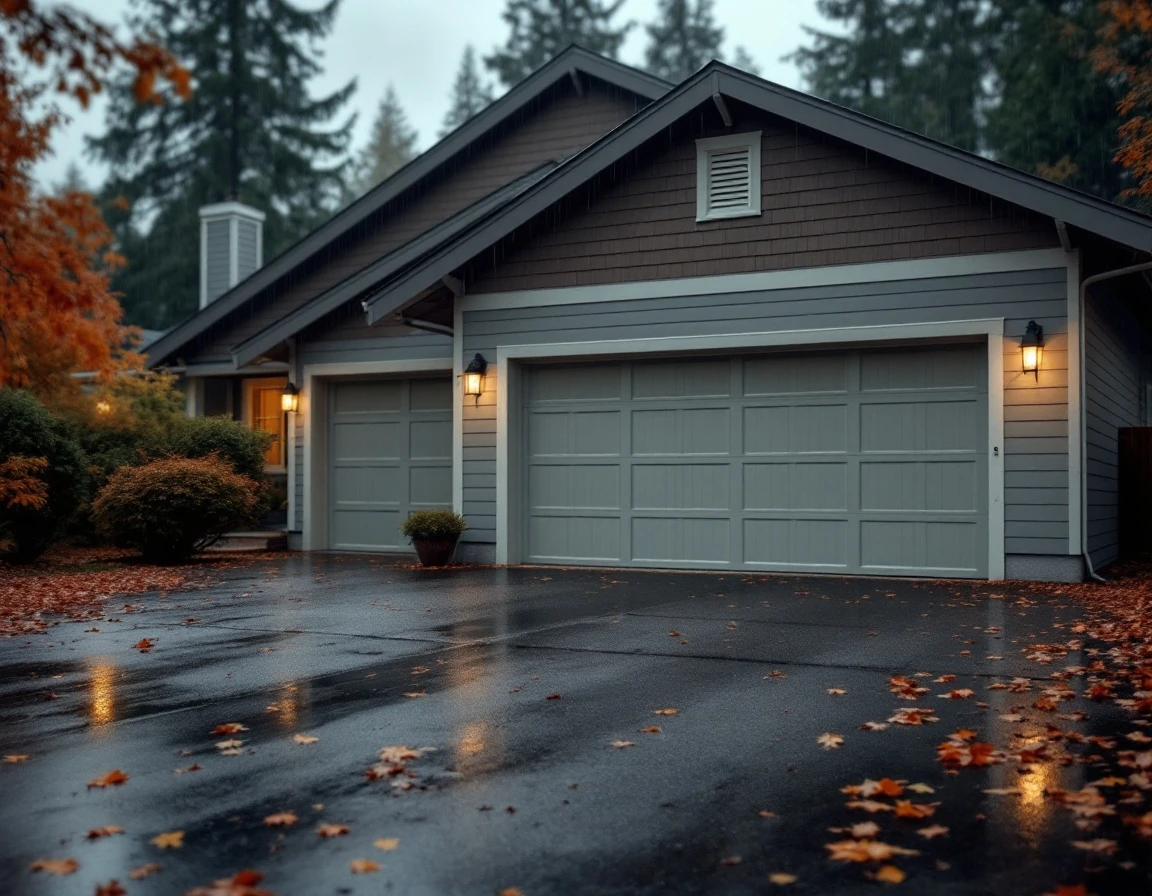
Weatherstripping fails faster in high-humidity, warm climates—and El Niño weather impact on garage weatherstripping accelerates this deterioration by combining moisture with temperature swings. When rubber or vinyl seals absorb water repeatedly without drying fully, they lose elasticity and begin to crack. Is your weatherstripping still protecting your garage, or has it already started breaking down?
Focus your inspection on three high-priority zones:
- the bottom door seal (which takes the most abuse from pooling water)
- side channels where wind-driven rain penetrates
- the top threshold that often goes unnoticed until leaks appear
Look for permanent compression where the seal no longer springs back, visible cracks in the material, or hardening that makes rubber feel brittle. These are signs the seal is beyond cleaning and needs replacement.
When choosing replacement materials, silicone outperforms standard rubber in wet climates because it resists water absorption and maintains flexibility longer. Quality upgrades cost more upfront—professional installation typically runs higher than DIY kits—but the return on investment becomes clear when you avoid emergency water damage repairs during peak storm season.
Ask yourself: Can this seal be cleaned and still function? If it springs back when pressed and shows no cracks, cleaning may work. Can I replace it myself? Bottom seals are typically homeowner-friendly, while side and top installations often require professional tools and experience. When in doubt, call Garage Harmony for an assessment before the rains arrive.
DIY vs. Professional
Can you handle your garage door prep yourself? Homeowners can safely clean seals and check for visible damage in under an hour—wiping down weatherstripping, inspecting for cracks, and applying lubricant to hinges requires no special tools. These simple tasks fit perfectly into a September afternoon.
But replacing weatherstripping or repairing mechanical issues requires professional tools and expertise. Door track alignment, spring tension adjustments, and seal replacement demand precision that prevents injury and validates proper function. Attempting these repairs without training often creates bigger problems than you started with.
Here’s the timing challenge: El Niño urgency makes September the last safe month to schedule pros before the fall rush. Once October rains arrive, service calls spike and wait times stretch to weeks.
A professional inspection costs a modest fee, while water damage from failed seals can ravage drywall, flooring, and stored belongings, necessitating costly replacement.
Contact us today to schedule your pre-storm inspection before the October scheduling crunch begins.
Action Checklist for September 2026
Ready to protect your garage before the wet season hits? Break your prep work into manageable weekly tasks that fit into any schedule.
Week 1: Inspect all seals, thresholds, and channels around your garage door. Document any gaps, discoloration, or hardening with photos. This visual baseline takes 15–20 minutes and reveals what needs attention.
Weeks 2–3: Clean seals, channels, and hinges using mild detergent and a soft brush. Test door operation—listen for grinding noises or feel for unusual stiffness. Budget 30–45 minutes for this deep clean.
Week 4: Schedule professional inspection or seal replacement if you discovered visible water stains, doors that won’t close fully, or rust on springs and hinges. These red flags demand expert attention before October storms arrive.
Complete these steps now and you’ll prevent water damage, mold growth, and emergency repair costs during the wet season ahead. Contact us today to schedule your professional inspection! For more guidance on seasonal garage door maintenance throughout the year. Consider following a complete maintenance schedule.