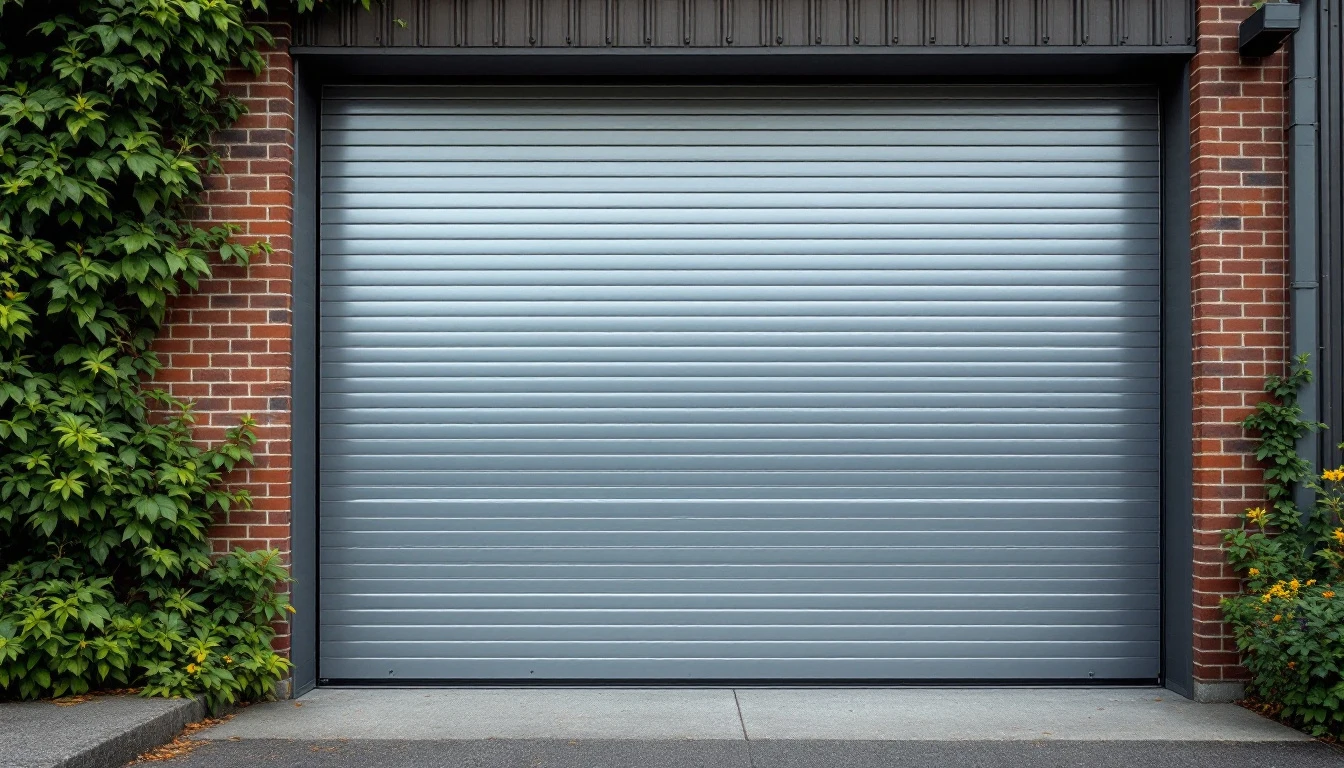
Why August Is the Ideal Inspection Window for Your Commercial Door Inspection Portland
Portland’s late summer offers a narrow but valuable opportunity for commercial property managers to get ahead of the season. August brings stable, dry conditions that allow for thorough door inspections and any necessary repairs. All before the Pacific Northwest’s fall storm season arrives in force. A commercial door inspection Portland now prevents costly emergency repairs once fall weather arrives.
When September rolls around, the weather shifts. Rain, wind, and temperature fluctuations put stress on commercial doors, exposing weaknesses that may have gone unnoticed during calmer months. Doors that seemed fine in summer suddenly refuse to close properly during heavy downpours, or hardware fails when wind gusts test every component. These failures don’t happen on a convenient schedule—they create emergencies that demand immediate attention.
That’s when contractors get slammed. Emergency repair calls spike in fall, creating backlogs that push routine work into longer wait times. Property managers who need urgent service face not only delays but also premium pricing when crews are stretched thin responding to crisis after crisis.
Scheduling inspections now, while weather is predictable and contractor calendars have openings, gives you scheduling flexibility and better pricing. You’ll identify potential problems before they become urgent, complete repairs during favorable conditions, and avoid the scramble when fall storms arrive. Proactive inspection during late summer prevents the costly emergency calls that disrupt operations and drain maintenance budgets.
Pacific Northwest Weather Damage Risks
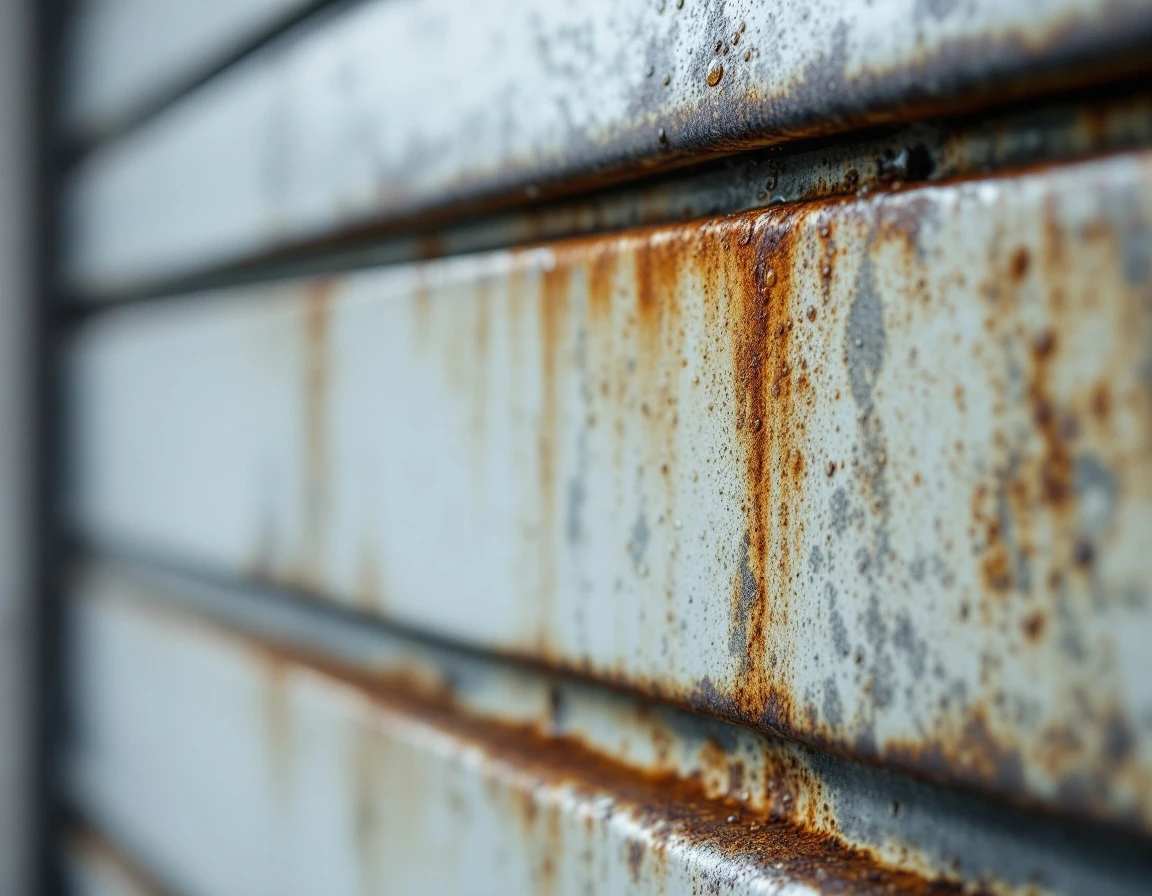
What happens when commercial doors face months of Pacific Northwest rain? Prolonged moisture exposure creates rust on metal components, degrades rubber seals, and causes panel warping that leaves gaps in weatherstripping. Portland’s fall brings relentless rainfall that accelerates these issues, turning minor surface corrosion into structural failures that compromise building security and energy efficiency.
Fall wind events in the region place enormous stress on door hardware. Hinges, rollers, and structural mounting points bear the brunt of gusts that can destabilize improperly maintained systems. A door that seems fine during calm summer weather may fail catastrophically when October storms arrive, leaving loading docks exposed and operations disrupted at the worst possible time.
The Pacific Northwest’s dramatic temperature swings between day and night create their own challenges. Lubricants that work perfectly at 70°F become sluggish or too thin as temperatures fluctuate. Causing increased friction and misalignment. Metal panels expand and contract, stressing mounting hardware and creating gaps where water can intrude.
Water intrusion through degraded weatherstripping doesn’t just threaten the door itself—it compromises tenant comfort and drives up heating costs. When seals fail, cold air and moisture enter warehouse spaces, creating condensation problems and forcing HVAC systems to work harder.
By inspecting in August, property managers can identify seal degradation before fall rains expose these vulnerabilities under emergency conditions.
Pre-Fall Commercial Door Inspection Checklist
A thorough inspection requires more than a quick glance at your commercial doors. Breaking the process into specific categories helps your maintenance team identify problems before Portland’s fall storms turn minor wear into emergency repairs. Use this checklist to inspect each door on your property during late summer, when you can address issues at your own pace.
Visual Assessment
Start by examining door panels for dents, cracks, or warping that could allow water intrusion when rain arrives. Check frames for rust spots or paint deterioration—these areas will expand rapidly once exposed to fall moisture. Inspect weatherstripping along all edges, looking for compression, cracking, or gaps that indicate seal failure. Even small gaps let wind-driven rain penetrate into your building.
Mechanical Function Tests
Open and close each door through its full range of motion. Does it bind, scrape, or require extra force? Misalignment causes stress on hardware during high winds. Test automatic doors multiple times to catch intermittent issues—sensors that struggle in summer may fail completely when fall temperatures drop. Check door closers for consistent speed and proper latching; sluggish closers allow moisture entry during storms.
Hardware Inspection
Examine hinges, handles, locks, and mounting brackets for rust, corrosion, or loose fasteners. Surface rust now becomes structural failure after weeks of fall rain. Test all locking mechanisms—doors that don’t secure properly create security risks during off-hours. Look for metal fatigue or stress cracks where hardware connects to doors or frames, as wind loading will worsen any weakness.
Seal and Insulation Integrity
Run your hand along door perimeters to feel for air movement indicating seal failure. Check threshold seals for wear patterns—these take the brunt of foot traffic and water exposure. Inspect the door sweep for proper contact with the threshold across the entire width. Poor seals cause heat loss when heating systems kick on, while allowing moisture that damages interior finishes and inventory.
Common Commercial Door Failures Found in Late Summer
What issues do late summer door inspection before fall typically reveal at Portland commercial properties? Common problems include:
- Worn weatherstripping with cracked or compressed seals that allow air and water infiltration, which once October rains arrive, funnel water directly into entryways and loading areas, creating slip hazards and interior damage
- Misaligned doors from previous storms or thermal cycling that show up as uneven gaps along the frame or difficulty latching, and summer heat can warp door frames slightly. So if not corrected before fall wind events, the misalignment worsens under pressure, sometimes preventing doors from closing at all
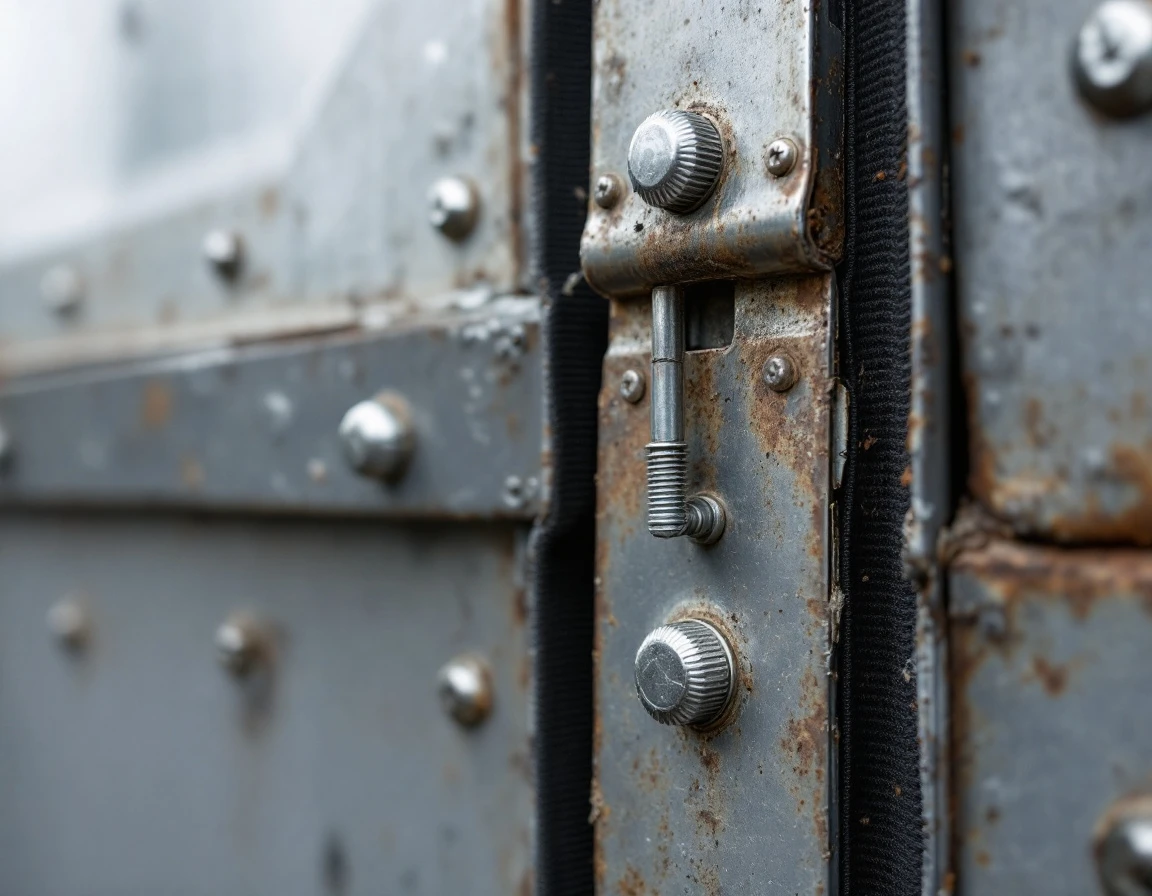
- Corroded hardware at hinge points and locking mechanisms, accelerated by Portland’s coastal air and summer moisture, which may seem minor in August but fall humidity expands the corrosion rapidly, leading to seized hinges or failed locks during storm conditions
- Failed seals in loading dock doors and entry points that often appear as compressed or torn rubber, creating openings that become water intrusion paths when autumn weather hits
What Requires Immediate Professional Attention
Not every issue uncovered during your commercial door maintenance before winter can wait for a convenient service window. Some defects compromise safety, security, or weather protection and demand immediate professional repair.
Broken or severely corroded hinges, rollers, or springs create safety hazards and leave your building vulnerable to break-ins, and doors that won’t close fully or operate unevenly signal misalignment or frame damage that will worsen once fall storms arrive.
Visible panel damage, rust penetrating through metal, or structural bending indicates deterioration that accelerates rapidly when exposed to Portland’s autumn rainfall. Gaps in weatherstripping or seals larger than 1/4 inch allow water intrusion that damages interior floors and inventory. If your inspection reveals any of these conditions, schedule professional repair now—August still offers faster contractor turnaround than the bottleneck that begins in September when emergency calls flood service lines.
Cost and Scheduling Benefits of Early Action
What’s the real cost of waiting until October to fix a commercial door problem? That minor weatherstripping issue identified in August for around $500 can easily balloon into $1,500 or more once water intrusion damages the door frame, electrical components, or surrounding structure. Emergency repairs come with premium pricing because fall storms create urgent service demands across Portland at precisely the same time.
Contractor availability tells the same story. Schedule an August service call and you’re looking at a response time measured in days. Wait until September or October when storm damage creates a surge in emergency requests, and those same contractors may quote you weeks of lead time. Portland’s commercial door services face seasonal booking saturation during fall, leaving property managers competing for limited appointment slots.
Early repair work delivers another advantage: protecting tenant access and building operations during the months that matter most. A door that fails in November doesn’t just cost more to fix—it disrupts deliveries, employee access, climate control, and security during the busy fall and winter business cycle. Property managers who book repairs in August avoid the operational headaches and tenant complaints that come with emergency service calls when weather conditions make every delay more painful.
Next Steps: Schedule Your Inspection Now
You now have a clear framework for protecting your Portland commercial property from fall weather damage. The inspection checklist gives your maintenance team and contractors a consistent approach to identifying problems before storm season arrives.
Start by contacting a Portland commercial door service to schedule a thorough pre-fall inspection. Share the inspection checklist with your maintenance staff and contractors to maintain consistency across all door systems. Once the inspection is complete, use the urgency framework to prioritize repairs—addressing immediate safety hazards, security risks, and weather vulnerabilities before tackling routine maintenance items.
Document all findings and schedule repair completion before September. Why September? Because that’s when fall weather typically begins in the Pacific Northwest. And contractor availability drops as emergency calls increase. August gives you the advantage of stable weather, faster turnaround times, and standard pricing.
Ready to protect your property? Contact Garage Harmony today to schedule your commercial door inspection Portland.