Protect Your Garage from Atmospheric River Flooding in Washington
Atmospheric rivers bring powerful moisture corridors across the Pacific Ocean, delivering sustained heavy rainfall to the Pacific Northwest each winter. From November through December, these storm systems pose peak flooding risk to Washington homes. Dumping inches of rain over days rather than hours. Your garage needs protection during atmospheric river season. This guide shows you practical steps to defend your garage from water intrusion during these extreme weather events.
Your garage faces unique challenges during these storms. Ground-level or below-grade positioning, combined with sloped driveways, creates multiple entry points for water. Door seals age and crack. Weatherstripping fails. Floor drains get overwhelmed when atmospheric rivers stall overhead.
Taking action before November storms arrive makes the difference between minor maintenance and emergency repairs costing thousands of dollars.
Proactive preparation protects your garage from structural damage and saves you the headache of dealing with flooding during peak storm season.
Four Garage Door Maintenance Tasks That Stop Heavy Rain
Before November storms arrive, four targeted maintenance actions form your primary defense against garage flooding. Each task addresses a specific spot where water typically gets in during atmospheric river events.
The four tasks are:
- Door seal inspection and replacement stops water from sneaking in along the bottom and sides of your garage door—the most common entry point during heavy rainfall
- Drainage system clearing and maintenance prevents water from pooling near your foundation when gutters and drains get overwhelmed
- Foundation crack sealing blocks pathways for moisture penetration through your garage’s structural base
- Threshold and flooring upgrades create a final barrier against water that breaches your perimeter defenses
Most homeowners can handle door seal replacement and drainage clearing over a single weekend with basic tools. Foundation crack sealing and major threshold modifications typically need professional assessment to determine the extent of structural concerns and get proper waterproofing.
Inspect and Seal Garage Door Weather Stripping
Your garage door’s weather stripping serves as your first defense against November’s atmospheric river storms. Walk around your door and check for signs of failure: cracks in the rubber, missing sections along the sides, hardened material that’s lost flexibility, or visible daylight peeking through at the bottom seal.
Replacing worn seals is a manageable DIY project for most homeowners. Home improvement centers stock foam tape, rubber gaskets, and bottom seals made for garage doors. Look for materials rated to handle Pacific Northwest moisture and temperature swings—cheap seals crack quickly in our wet-dry cycles. Expect to spend $50–$150 for materials. Depending on your door size.
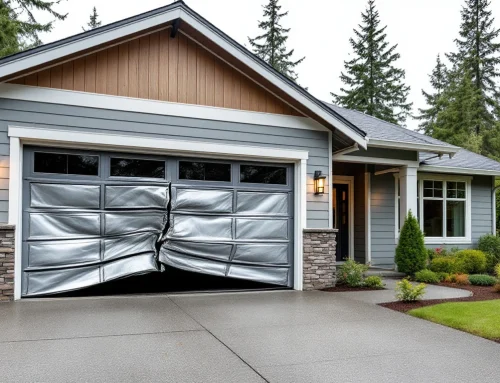
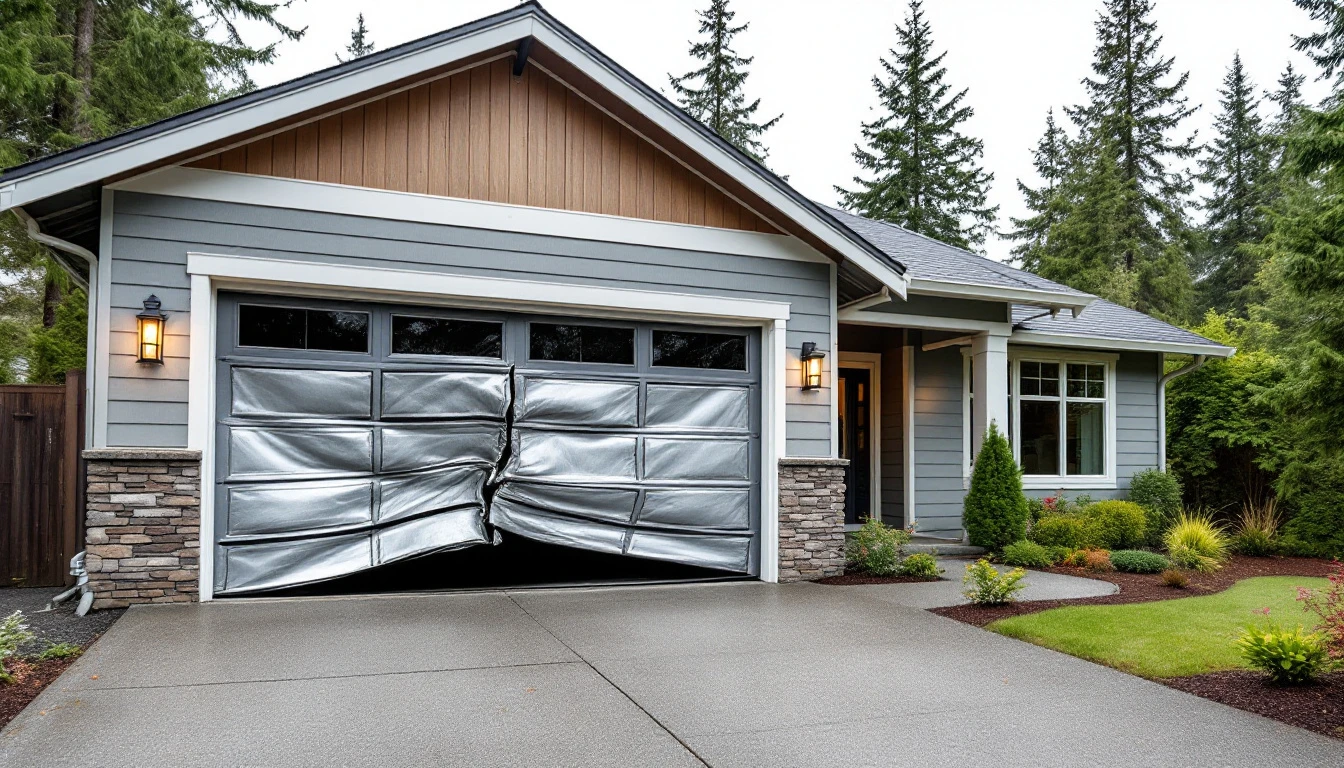
If the door itself appears bent or sits unevenly in the frame, contact Garage Harmony for a professional inspection before investing in new seals. A misaligned door won’t seal properly regardless of weather stripping quality.
Clear and Grade Garage Drainage
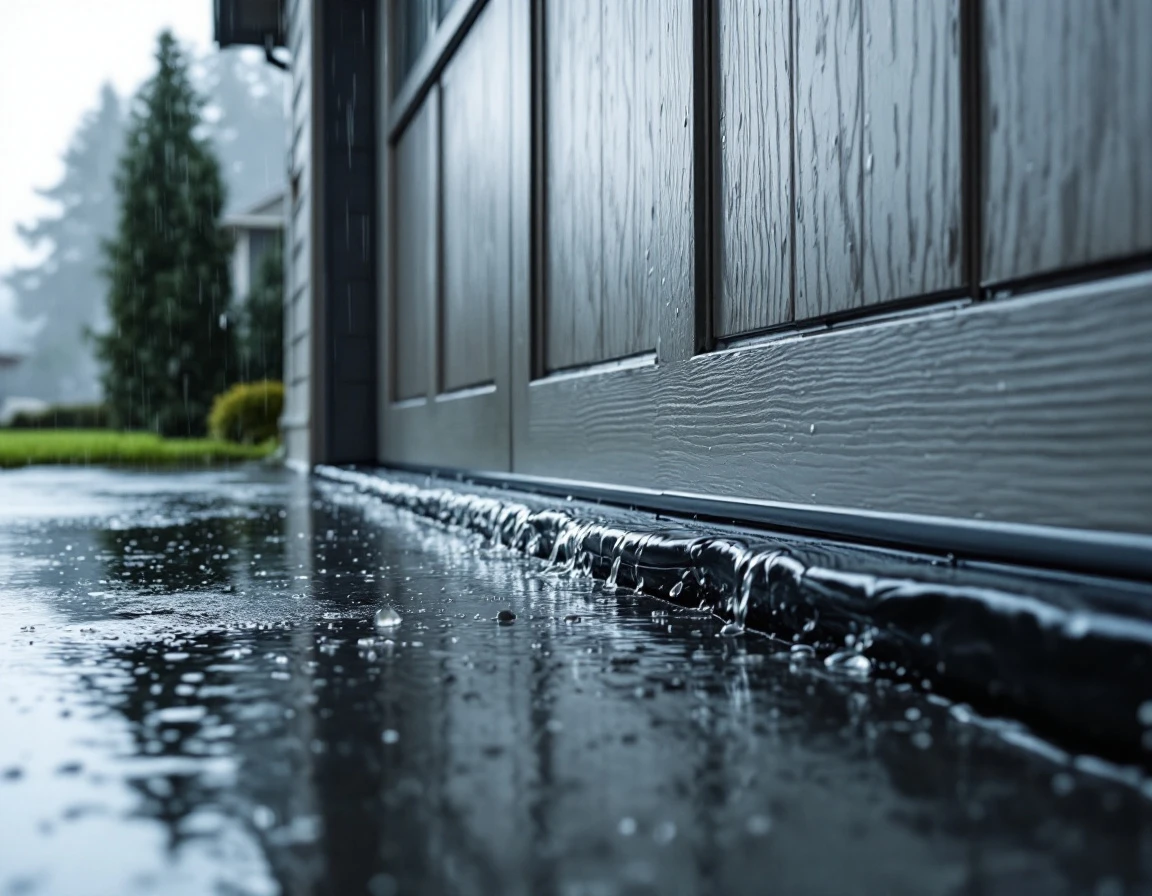
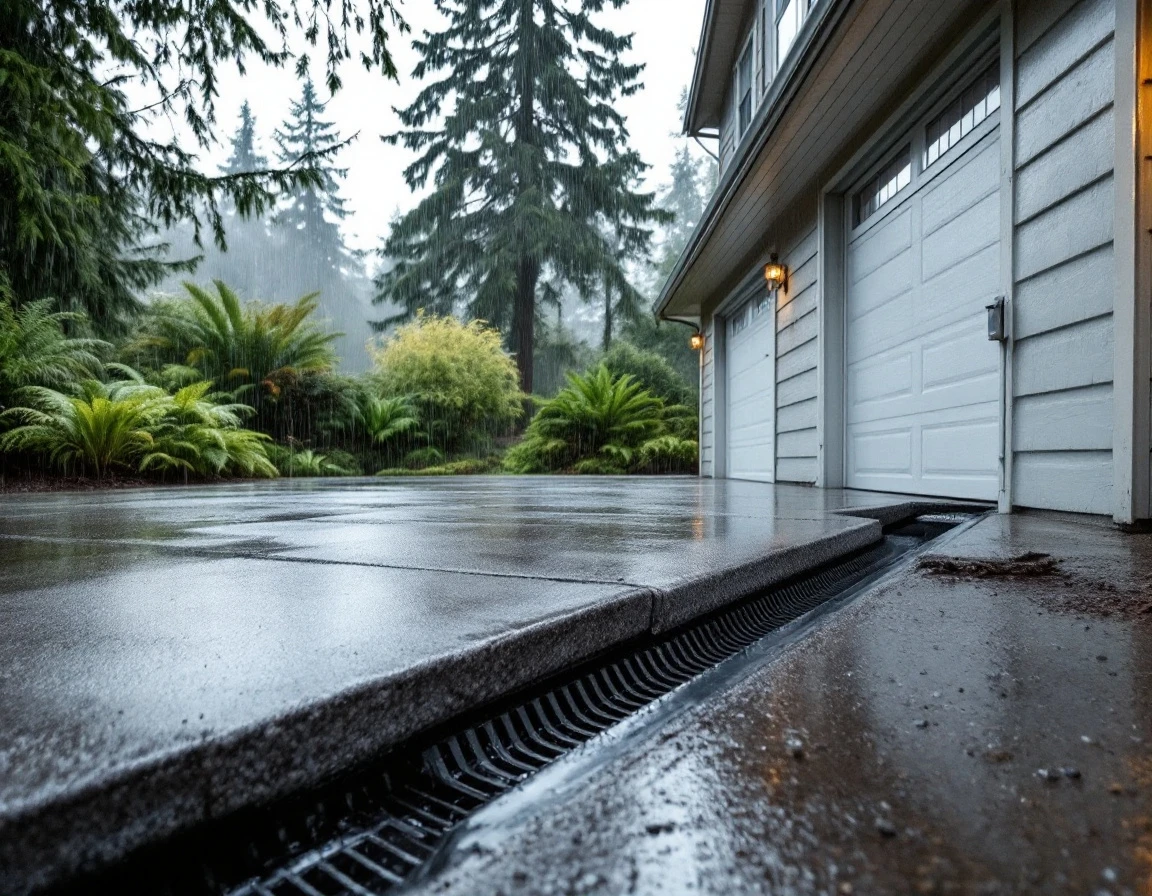
Atmospheric rivers deliver sustained rainfall that can quickly overwhelm clogged or poorly designed drainage systems. Before November storms arrive, remove all debris, leaves, and sediment from your gutters, downspouts, and any ground-level drains or catch basins near your garage. A blocked downspout can send gallons of water pooling directly against your foundation.
Next, check the slope around your garage. Water should always flow away from the foundation and door threshold, not toward it. After a light rain, walk your garage perimeter and look for standing water—those puddles signal inadequate slope. Simple fixes include adding soil to create a gentle slope, extending downspouts at least six feet from the building. Or installing a French drain (a gravel-filled trench that redirects water) in persistently wet areas.
Most slope adjustments fall within the DIY realm, requiring only basic materials you can source affordably. When your terrain shows serious erosion or drainage issues that create low spots, contact a professional grading contractor. This investment protects your property from costly water damage.
Maintain Garage Door Opener and Safety Features
A garage door stuck halfway open during an atmospheric river storm invites water and debris to flood your space. Before November arrives, spend 15–30 minutes testing three safety systems that keep your door functioning and sealed tight.
Start by testing the auto-reverse mechanism. Place a 2×4 flat under the closing door. The door should reverse immediately on contact. If it doesn’t, the system needs adjustment. Next, check photo-eye alignment (the safety sensors near the floor) by waving your hand across the beam while the door closes—it should stop and reverse instantly. Finally, pull the manual release cord to confirm you can operate the door by hand if power fails.
Does your opener have battery backup? Test it by unplugging the unit and cycling the door. Pacific Northwest storm outages can last days. And a working backup keeps you from being locked out—or worse, trapped with a door that won’t close against driving rain.
Schedule a Professional Inspection or Upgrade to Prevent Garage Flooding
You can tackle weekend tasks like weather seal replacement, drain clearing, and door sensor testing. But a professional inspection catches what homeowners miss. Our Garage Harmony technicians spot door frame rot from past water exposure, foundation settlement that prevents thresholds from sealing properly, and misaligned tracks that leave gaps during storms.
Call the pros when you notice recurring water leaks despite DIY fixes, visible structural damage around the door frame, doors that won’t close fully even after adjustment, or severely compromised slopes that need reworking. Some repairs—like full door replacement or foundation-level slope work—need licensed contractors with specialized equipment.
Timing matters. November brings peak call-out volume as atmospheric rivers arrive, so book inspections or upgrades in late October.
Contact Garage Harmony today to schedule your pre-storm inspection. Early scheduling gets your garage protected before storm season peaks and gets you the appointment slot you need.