Why Garage Door Lubrication Matters
Your garage door moves up and down hundreds of times each year, creating friction across metal parts that wear down without proper care. Regular garage door lubrication keeps these components moving smoothly, prevents costly repairs, and extends your door’s working life by years.
Friction causes wear on springs, rollers, hinges
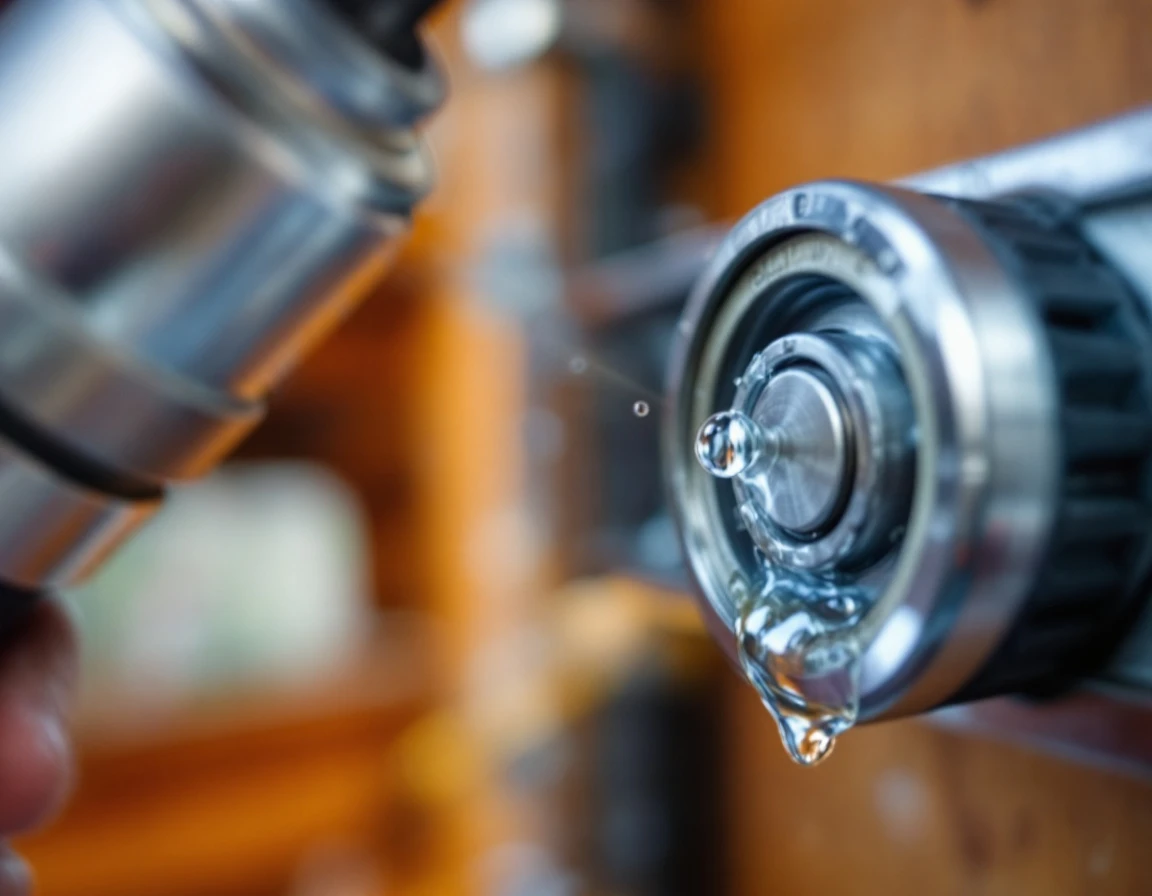
Every time your garage door opens and closes, metal components rub against each other, generating friction that slowly degrades the parts. Springs, rollers, hinges, and tracks bear the brunt of this constant movement, and without proper lubrication, they wear down at an accelerated rate.
Unlubricated doors don’t just wear out faster—they also develop increasingly loud squeaks, grinding noises, and stiff operation. This resistance forces your opener motor to work harder, which can lead to premature motor failure on top of the damaged hardware. Regular lubrication creates a protective barrier that reduces friction. Keeps components moving smoothly, and prevents the cascading failures that turn a simple maintenance task into a costly repair bill.
Portland’s wet climate accelerates corrosion
Portland’s year-round moisture creates the perfect environment for rust and corrosion on metal garage door components. Without protective lubrication, springs, rollers, hinges, and tracks deteriorate rapidly as water penetrates metal surfaces and oxidation takes hold.
A simple monthly lubrication routine acts as a barrier against moisture damage, preventing the corrosion that leads to component failure. This 15-minute preventive measure costs under $20 annually but can help you avoid $500+ repair bills for premature spring replacement or track deterioration.
Given our damp climate, the small investment in regular maintenance pays for itself many times over by extending your garage door’s functional lifespan.
Components Requiring Monthly Garage Door Maintenance Lubrication
Your garage door depends on several moving parts working together smoothly. Understanding which components need regular lubrication helps you maintain the entire system efficiently.
- Springs and hinges carry the full weight of your garage door every time it opens and closes. Torsion springs twist to counterbalance hundreds of pounds, while hinges flex at each panel joint. Without lubrication, metal-on-metal friction creates heat and accelerates wear. Dry springs and hinges fail prematurely, often requiring emergency replacement. Proper spring maintenance can extend their functional life .
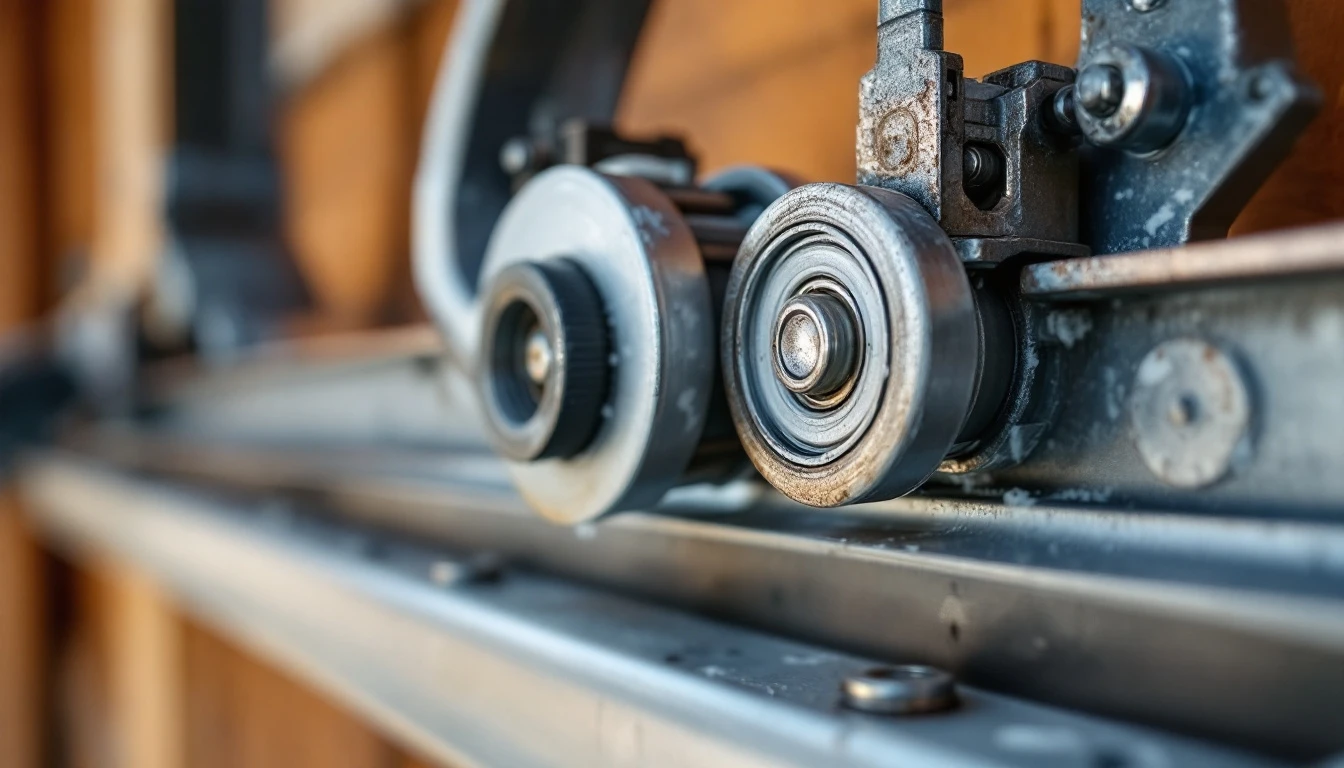
- Rollers and tracks guide your door’s path as it moves. Rollers glide along the tracks dozens of times each day. When these components run dry, they bind and strain the opener motor. The resistance creates grinding sounds and causes the door to jerk or hesitate during operation. A thin coat of lubricant keeps rollers spinning freely and prevents track corrosion.
- Cable and pulley systems need light, occasional attention. These components work under tension to lift the door evenly. Apply lubricant sparingly to pulley bearings where cables wrap around metal wheels. Too much product attracts dust and creates buildup, so less is better for these parts.
- Garage door opener chains or belts have manufacturer-specific maintenance schedules. Chain-drive openers benefit from monthly lubrication to reduce noise and wear. Belt-drive systems typically need less frequent attention. Check your owner’s manual for exact recommendations, as over-lubricating belts can cause slippage.
- Weatherstripping and seals protect against Portland’s moisture but don’t need traditional lubricants. Use silicone spray to keep rubber flexible and prevent cracking from wet-dry cycles.
Choosing the Right Lubricant
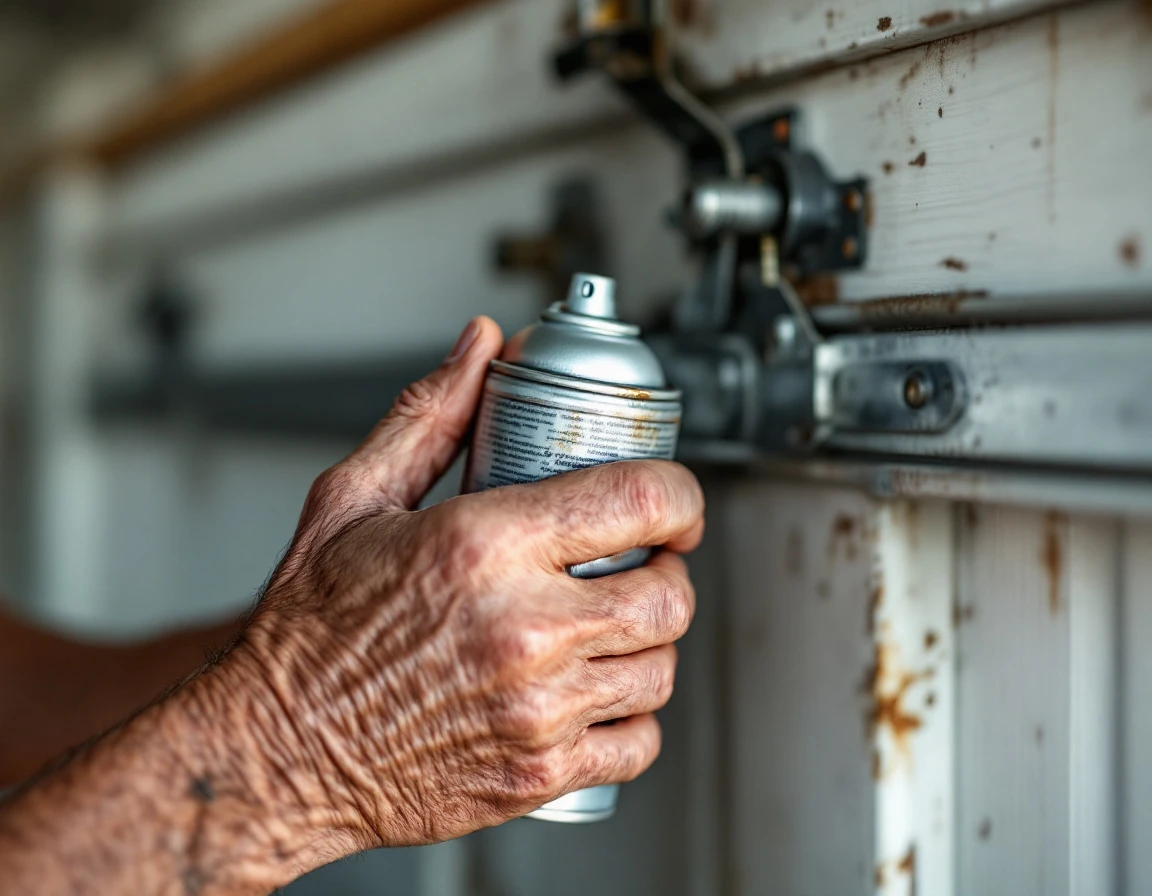
Walk into any Portland-area Home Depot, Ace Hardware, or neighborhood shop, and you’ll face an entire aisle of lubricants. Which one actually works for garage doors? The answer depends on the component, but silicone spray handles most of your needs. It dries quickly, creates a clean protective film, and resists moisture—perfect for Portland’s wet climate. Unlike oil-based products, silicone won’t attract dust or gunk up your tracks and rollers.
For torsion springs and cable attachments, reach for white lithium grease instead. This heavier formula creates a thick protective barrier that prevents squeaking under high tension. Silicone-based sprays and white lithium grease are the two primary lubricants you should keep on hand. You’ll find both products at local retailers for under $10 per can.
What should you avoid? WD-40 evaporates quickly and offers only temporary relief—not the long-term protection your door needs. General household oils like 3-in-1 attract dust and turn into sticky residue in humid conditions, making your rollers drag rather than glide. Skip anything marketed as “all-purpose” cleaner-lubricants.
Budget-wise, a basic maintenance kit of silicone spray and lithium grease will carry you through an entire season of monthly upkeep. These two products cost far less than a single service call—and they prevent the kind of wear that leads to expensive component replacement down the road.
How to Lubricate Garage Door: 15-Minute Routine
Before you start, take a moment to set up safely. Close your garage door completely and disable the automatic opener by unplugging it or using the manual disconnect. This prevents the door from activating while you’re working near moving parts. Walk along the tracks and inspect each roller, hinge, and spring for visible damage like cracks, chips, or excessive wear. If you spot broken components, pause the lubrication and call a repair professional instead.
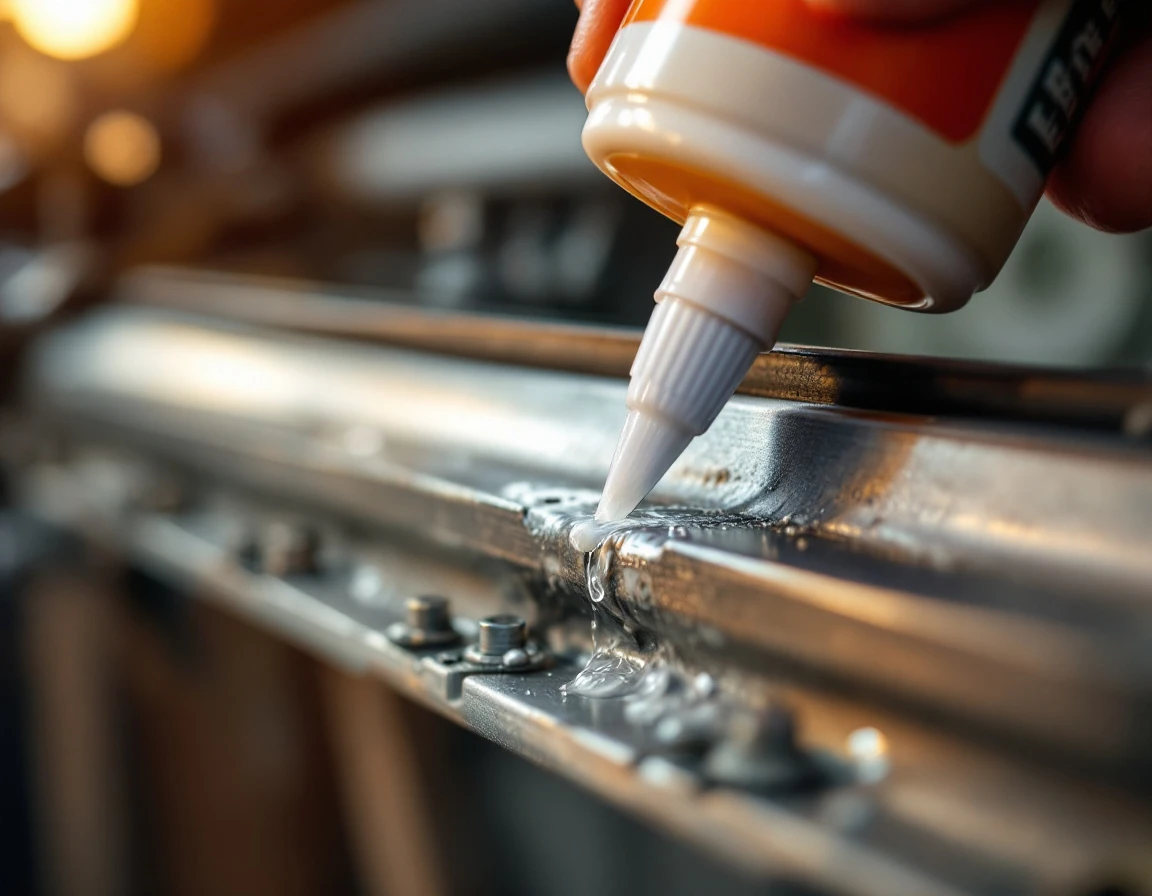
Now you’re ready to apply lubricant. Start with the torsion springs above the door, spraying a thin, even coat along the entire coil. Move next to each roller, targeting the bearing rather than the wheel itself. Then hit every hinge pin where metal meets metal. Finally, apply a light coat to the curved sections of the vertical tracks where rollers make contact during operation.
Here’s the key to a clean job: take a clean rag and wipe away any excess lubricant from each component. This prevents drips on your garage floor and stops dust from building up on wet surfaces. Once you’ve wiped everything down, manually lift the door halfway up and lower it slowly. This distributes the lubricant evenly across all moving parts. Plug your opener back in and run one complete cycle at slow speed to confirm smooth operation. The entire process takes about 15 minutes, requires no special skills, and gives you confidence that your door will run quietly for another month.
Seasonal Adjustments for Pacific Northwest
Portland’s climate demands a flexible approach to garage door lubrication. What works in July won’t cut it when November rains arrive, and adapting your routine to each season protects your investment while preventing emergency repairs.
- During July and August. Pollen and dust coat your garage door components, turning lubricant into a sticky trap for debris. Increase your lubrication frequency to every three to four weeks during these months. The fresh application helps shed contaminants before they bond to metal surfaces, keeping springs and rollers moving freely even during peak allergy season.
- As fall approaches, leaf debris becomes your primary concern. September through November requires consistent monthly maintenance, with special attention to track cleaning. Wet leaves create a paste that clogs tracks and forces rollers to work harder, accelerating wear. Wipe tracks clean before each lubrication session to prevent buildup.
- November is your critical preparation month. Apply an additional protective coat before winter rains begin their steady rhythm. This preemptive layer creates a moisture barrier that prevents rust from taking hold during Portland’s wet season. In climates with extreme moisture, quarterly lubrication may be necessary. Check monthly through winter and spring for signs of moisture intrusion, wiping away any water accumulation you find. For complete seasonal guidance, consider reviewing a full annual maintenance schedule.
Watch for warning signs that wear has progressed beyond routine maintenance. Grinding sounds, sluggish door response, or visible rust spots indicate it’s time to call professionals. These symptoms mean components need replacement, not just lubrication. Catching them early prevents complete system failure and keeps repair costs manageable.
When to Call a Professional
Your monthly garage door lubrication routine does more than maintain your door—it trains you to spot serious problems before they escalate. When you hear grinding, popping, or banging sounds even after applying lubricant, you’re listening to metal components that have already begun to fail.
Lubrication can’t reverse damage to worn springs or cracked rollers. These sounds mean it’s time to schedule a professional inspection.
Understanding common garage door noise problems can help you identify when professional help is truly needed.
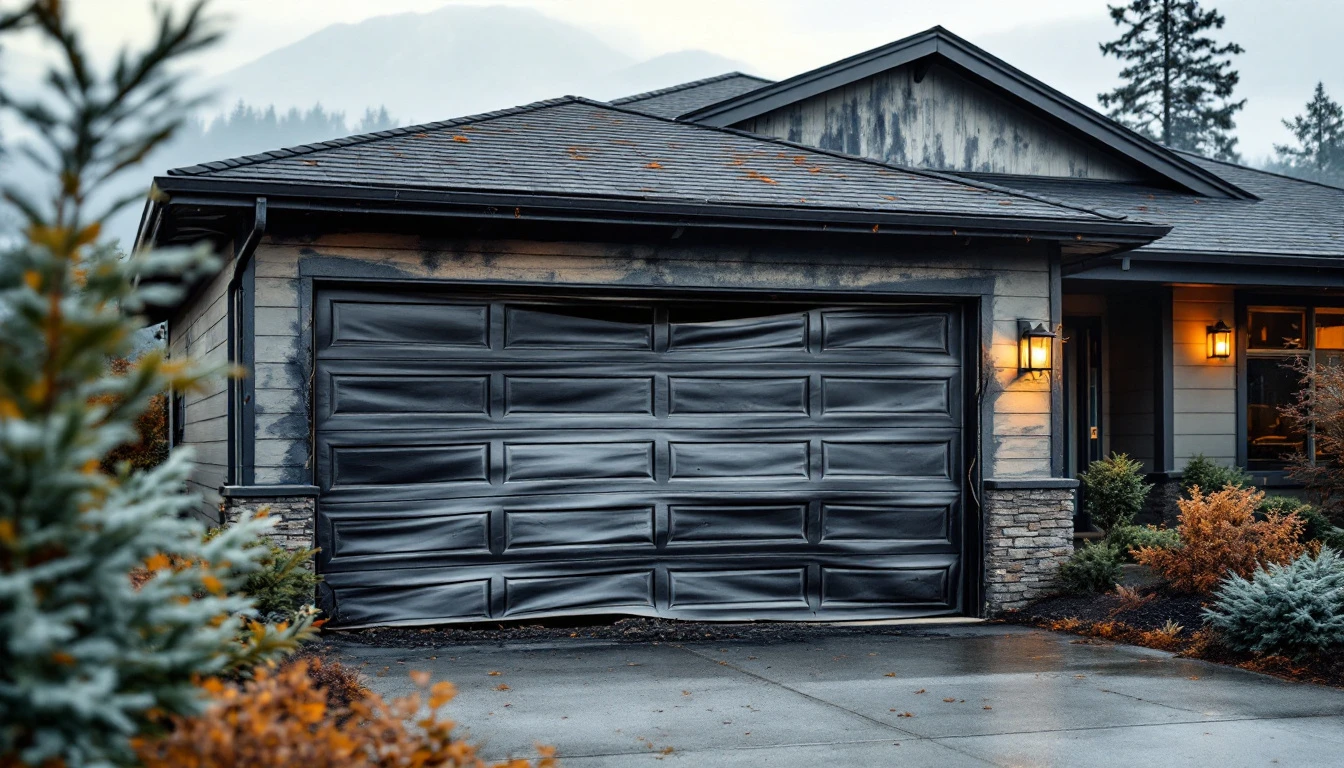
Look for visual red flags during your monthly maintenance: rust streaks running down torsion springs, bent or dented sections of track, or hinges that won’t stay tight no matter how often you adjust them. Deep corrosion that flakes off when touched indicates the metal has weakened beyond surface protection. If your door moves slowly, hesitates mid-cycle, or refuses to open completely, your opener motor or spring tension likely needs professional adjustment.
The homeowner who lubricates monthly catches a failing spring before it snaps during a door cycle, avoiding an emergency replacement that strains both schedule and budget. Regular inspection gives you the confidence to recognize abnormal wear early—turning what could be a crisis into a scheduled repair.