Why September Is Your Last Dry Window for Garage Door Maintenance
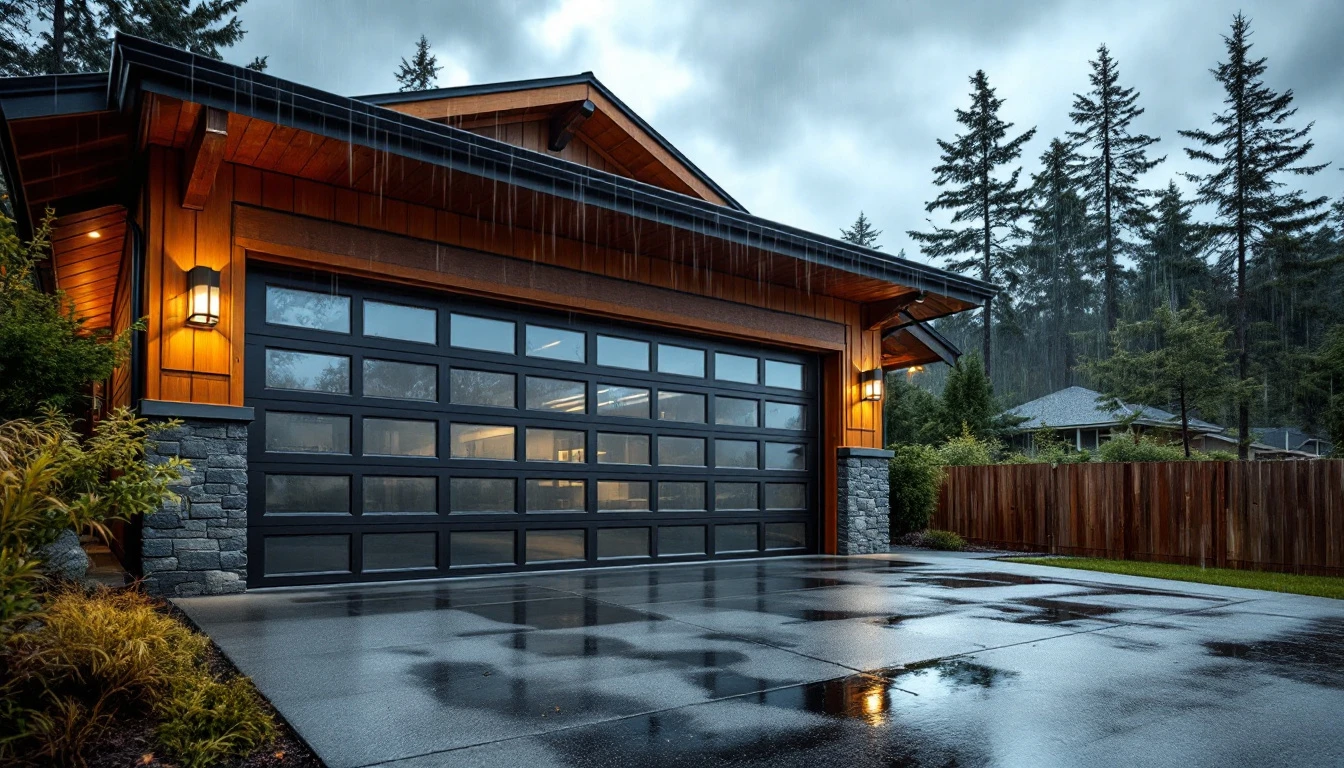
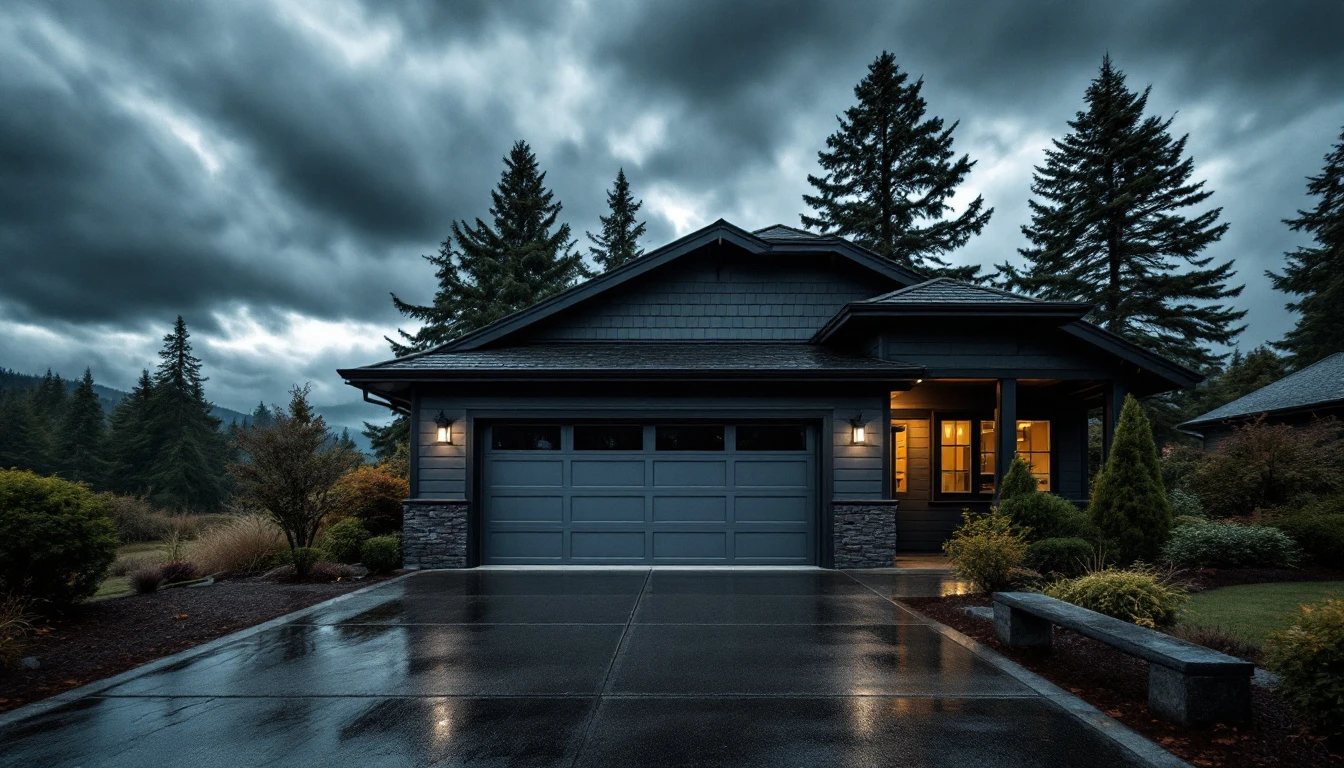
Portland’s wet season typically begins in October and runs through April, bringing months of heavy rainfall that makes outdoor maintenance challenging. If you’re planning garage door maintenance. You’re working against the calendar—and that narrow window is closing fast. Late August through September offers the last stretch of dry, mild weather before rain returns and complicates even simple repairs. This is your prime window for dry weather garage door maintenance before the season shifts.
Why does dry weather matter so much? Moisture interferes with everything from inspecting springs to replacing weatherstripping and seals. Water can mask deterioration, prevent adhesives from bonding properly, and turn a quick visual check into a soggy guessing game.
One dry afternoon spent inspecting your garage door now prevents costly winter failures when water intrusion becomes a real threat.
The cost difference is striking: emergency repairs during wet months typically run 30–50% more than preventive maintenance completed in advance. When you’re scrambling to fix a broken spring in November rain, you’ll pay a premium for that urgency.
Three Essential Maintenance Tasks for Dry Season Preparation
These three tasks form the core of your fall garage door prep, and most homeowners can complete them in a single afternoon with basic tools. Each one directly addresses a common failure point during Portland’s wet season:
- Spring Tension Inspection and Lubrication. Torsion springs bear the full weight of your door, and cold, damp conditions cause metal fatigue and corrosion. Inspect springs for rust, gaps between coils, or visible wear. Then apply garage door-specific lubricant to moving parts. You’ll need a socket wrench and spray lubricant. This simple check prevents catastrophic spring failure during cold months when emergency service calls spike. Taking time to inspect garage springs before rain arrives safeguards your door’s operation all winter.
- Weatherstripping and Seal Replacement. The rubber seals along your door’s perimeter crack and shrink over time, creating entry points for rain and moisture. Check for gaps, brittleness, or compression damage, then replace worn sections with new weatherstripping. A utility knife and measuring tape are your primary tools. Fresh seals stop water intrusion at the door perimeter before November storms arrive. Proper garage weatherstripping maintenance in summer and early fall is one of the most effective ways to protect your garage.
- Track Cleaning and Alignment. Debris buildup and misaligned tracks create friction that strains springs and operators. Clean tracks with a rag and degreaser, then verify alignment with a level. This task requires minimal tools but prevents binding that can burn out your opener motor mid-winter.

DIY vs. Professional Service Decision Tree
How do you know when to tackle a task yourself versus calling in an expert? The decision hinges on safety and structural risk. Minor maintenance like lubrication and cleaning is always safe for homeowners to handle—these tasks require no special tools and pose no hazard. But anything involving spring tension or structural alignment demands professional expertise.
If your springs show rust, dents, or uneven tension, call a professional immediately. Garage door springs store tremendous energy and can cause serious injury if mishandled.
On the other hand, if your weatherstripping is split, cracked, or compressed, you can replace it yourself for $50–150 in about 30 minutes—a simple DIY win that protects against water intrusion.
Bent or misaligned tracks fall into professional territory. Realignment typically costs $200–400. But it prevents binding, reduces strain on your opener, and eliminates the risk of emergency service calls down the line. Understanding these boundaries helps you act confidently while staying safe.
Tools and Time Investment
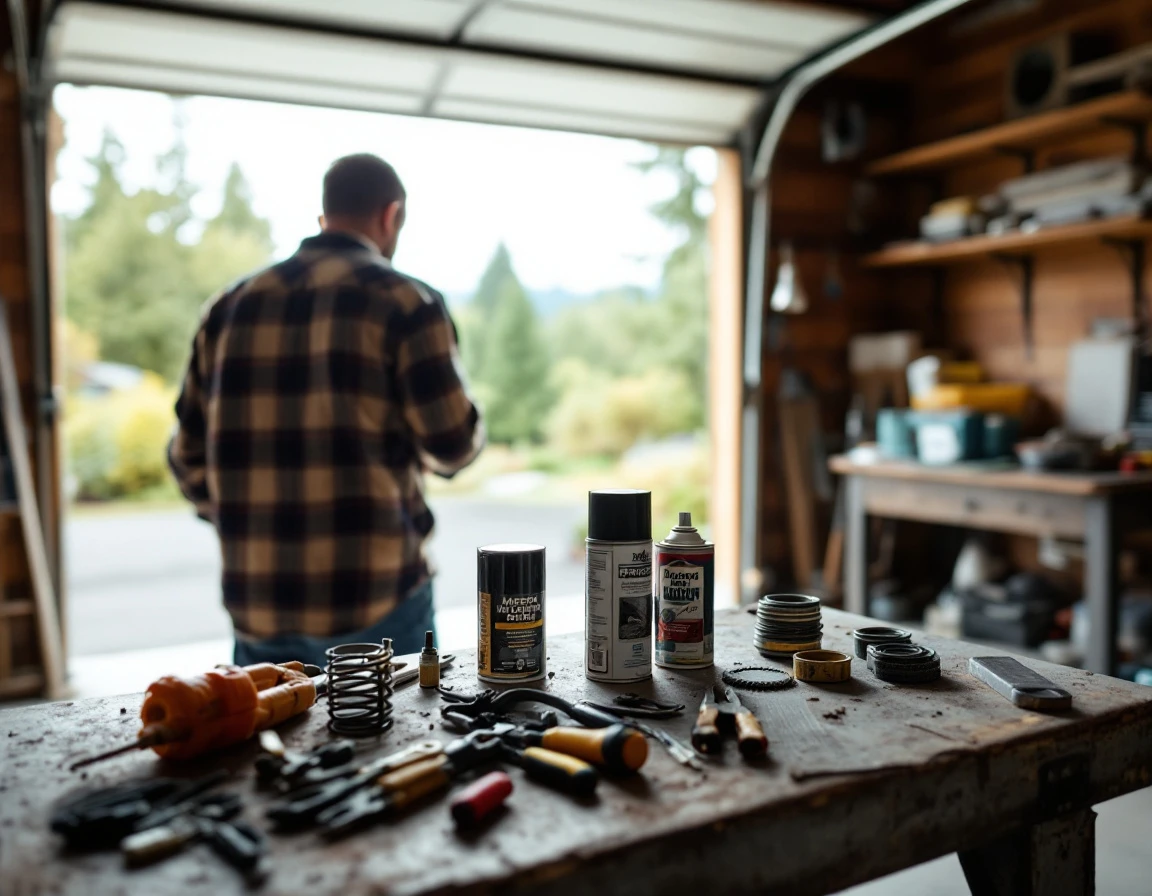
What do you need to tackle these three maintenance tasks? Your basic toolkit should include:
- A socket wrench set
- A level
- A caulk gun
- Lubricating oil designed for garage door components
- A flashlight
- A few clean cloths
Most Portland homeowners already have these items in their garage or can pick them up for minimal cost at a local hardware store.
Plan to invest about two to three hours total for all three tasks—spring inspection and lubrication, weatherstripping replacement, and track cleaning. You can knock everything out in one afternoon or split the work across two shorter sessions on different days, depending on your schedule and comfort level.
Prefer to call in the experts? A professional inspection and full service visit takes a few hours on site, with costs determined by the scope of work and any issues discovered during the inspection. That service includes labor, materials, and the peace of mind that comes with professional expertise.
Schedule Your Inspection This Week
Pick a dry day later this month to complete your inspection—late September weather gives you the best chance to finish before October rains arrive. Plan your work for mid-morning when natural light makes it easier to spot rust, cracks, and worn weatherstripping along the door perimeter. When to service garage door Portland depends on your local weather patterns, but September is always ideal.
If you discover warning signs during your inspection, contact a professional before October 1st. Early-season scheduling means technicians have more availability and you’ll avoid the premium costs that come with emergency winter repairs. Acting now instead of waiting for a breakdown saves you money and stress.
Share this seasonal maintenance checklist with your neighbors. When homeowners on your block complete fall garage door maintenance together, you create local awareness and accountability around preventive care. Need professional help? Reach out to Garage Harmony today for an inspection that protects your home before the wet season hits.