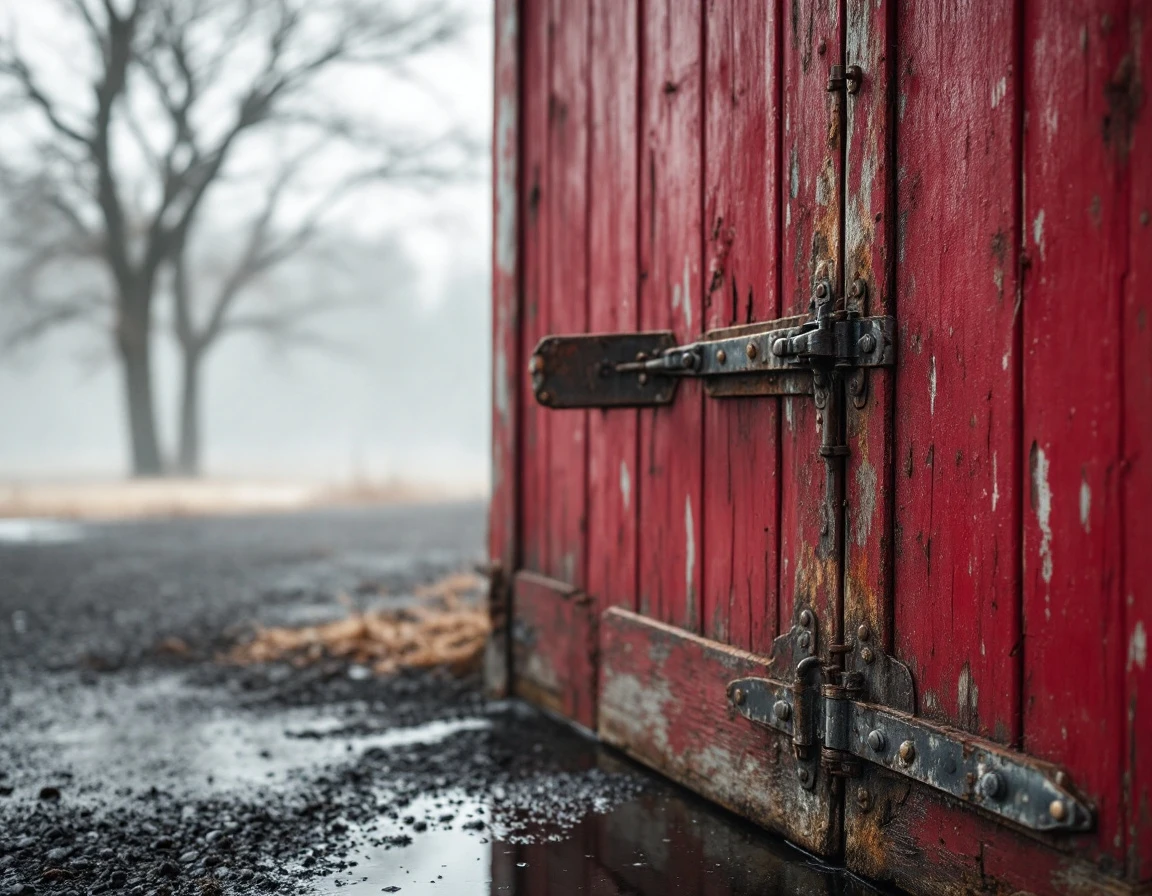
Moisture Damage in Valley Fog Season
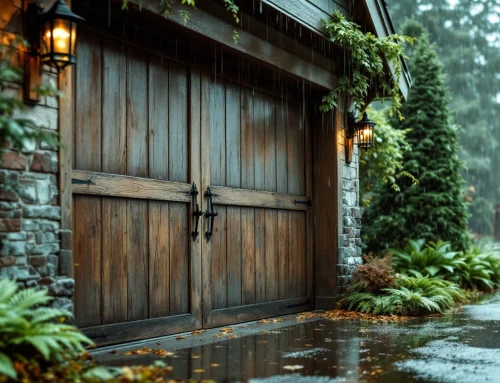
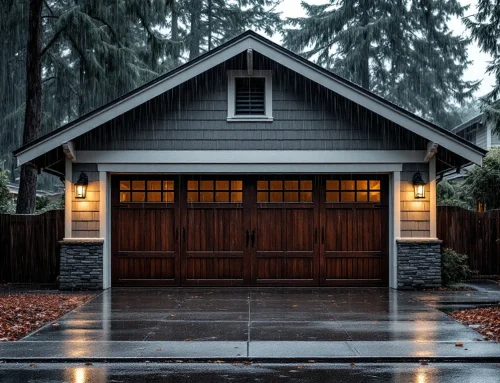
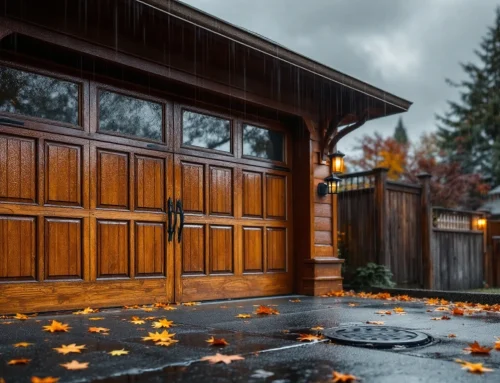
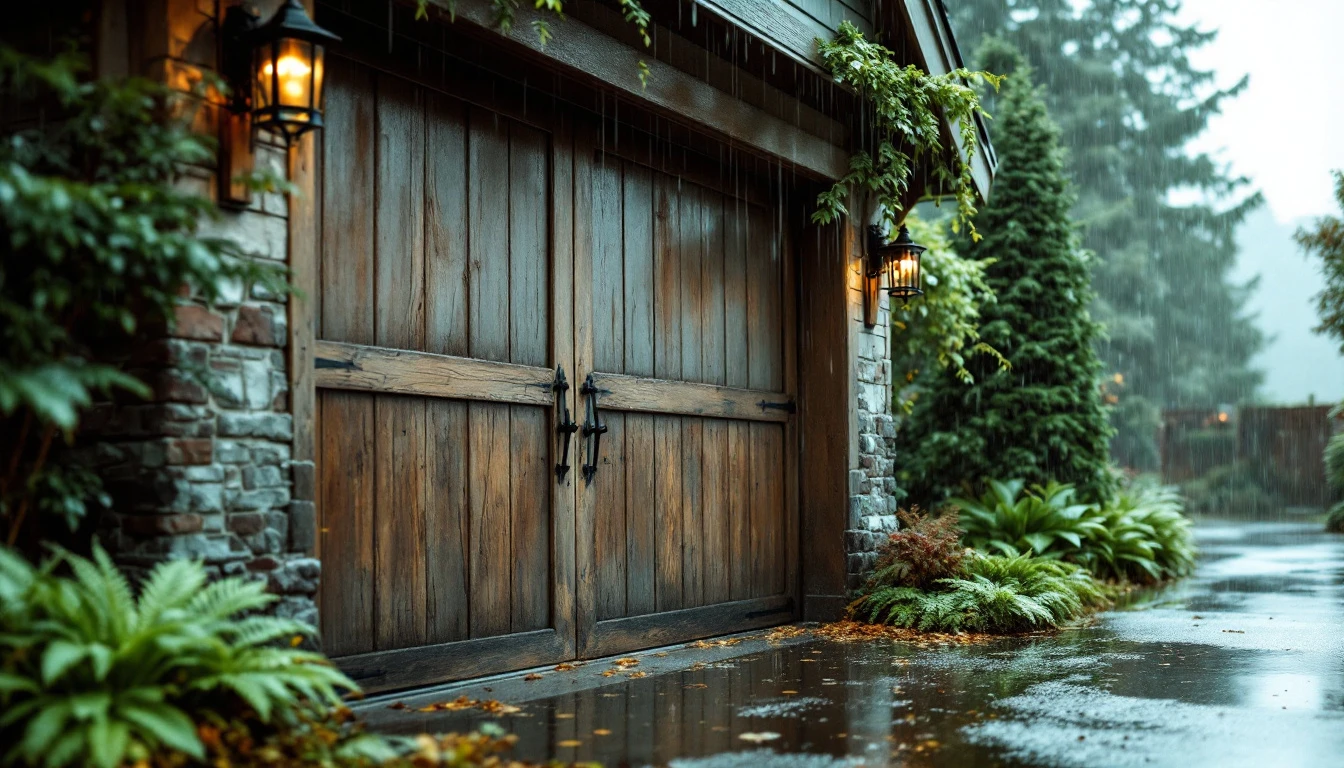
The Tualatin Valley’s climate creates a perfect storm for rust and weatherproofing failures on barn-style garage doors. Banks sits in the heart of this agricultural region, where persistent valley fog settles across properties from October through March, leaving a film of moisture on every metal surface. Proper barn door maintenance in Tualatin Valley becomes essential during these months, as unlike attached garages that benefit from home heating systems, detached barn structures face the full brunt of temperature swings and condensation buildup.
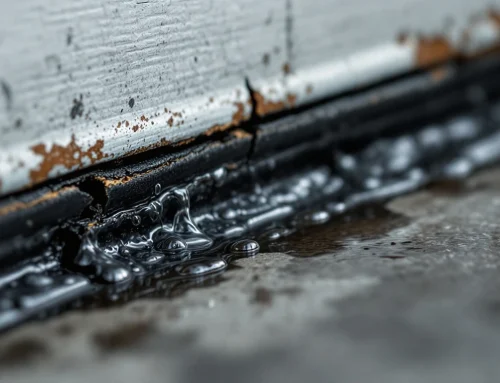
What makes this area particularly challenging for barn door hardware? The fog creates a near-constant damp environment that accelerates corrosion on metal tracks, hinges, and frames. Older agricultural buildings often lack vapor barriers and insulation, meaning cold metal surfaces attract condensation like magnets. The combination of moisture-laden air and exposed metal creates rust that spreads faster than most homeowners expect.
May represents your best maintenance window. The fog season hasn’t yet reached its October-through-March peak, giving you time to address rust spots, seal weatherstripping gaps, and protect vulnerable metal components before the heaviest moisture arrives.
Acting now means the difference between a simple maintenance task and a costly door replacement later this year.
Five Essential Spring Maintenance Tasks for Barn Door Maintenance Tualatin Valley
May offers Banks homeowners the ideal window to address moisture vulnerabilities before valley fog reaches its October-through-March peak. These five maintenance tasks directly target the structural weaknesses that allow water infiltration into older barn-style doors, with each action offering measurable protection against rust formation.
1. Weatherstripping Inspection and Replacement
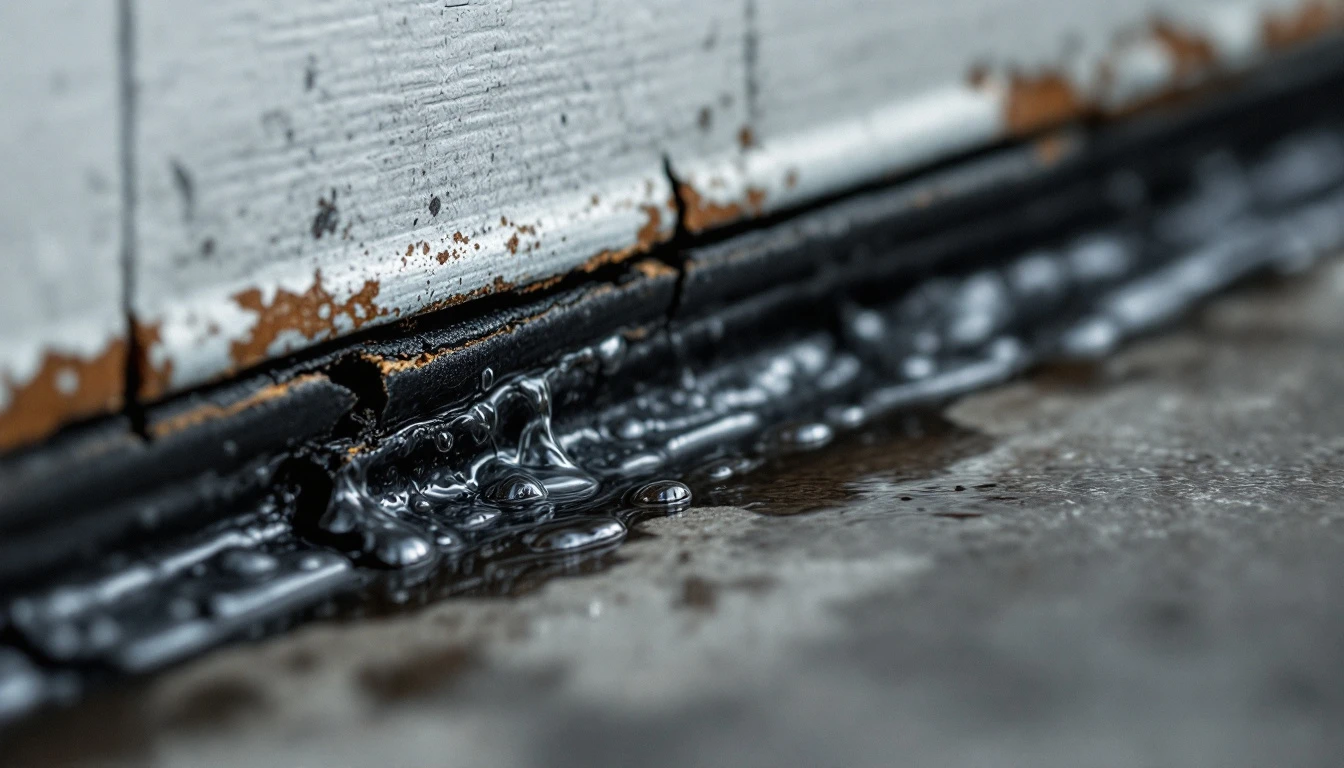
Check the rubber seals along door edges and bottom panels for cracks, gaps, or compression damage. Press your hand against each seal while someone shines a flashlight from the opposite side—any visible light indicates moisture entry points. Replacing worn weatherstripping costs $50-$150 in materials for a DIY project. While ignoring the problem leads to frame rot repair averaging $800-$1,200. Agricultural garage weatherstripping in Banks, Oregon requires materials rated for continuous moisture exposure.
2. Spring Tension Testing and Lubrication
Open your door halfway and release it—properly balanced doors should stay in place. If the door drops or rises, springs need adjustment, a task requiring professional expertise due to the extreme tension involved. Apply lithium-based lubricant to springs, hinges, and rollers monthly during wet months. Professional spring replacement costs $150-$300. But catching imbalance early prevents accelerated wear that doubles replacement frequency. Old barn door spring repair in wet climate conditions prevents premature failures.
3. Rust Spot Treatment and Protective Coatings
Inspect metal surfaces for brown or orange discoloration, particularly around fasteners and bottom panels. Wire-brush small rust spots, apply rust converter, then seal with outdoor-rated metal paint. This DIY task requires minimal investment and materials but prevents the need for costly structural panel replacement.
4. Hardware Cleaning and Protective Coating
Remove dirt and moisture from hinges, rollers, and latches using a degreaser, then apply a moisture-displacing spray followed by silicone lubricant. This simple maintenance extends hardware life and helps you avoid the expense of premature replacement.
5. Track Clearance and Drainage Correction
Clear debris from tracks and check that water drains away from the door base. Look for standing water or soil contact—both accelerate rust formation. Addressing grading and drainage problems upfront prevents the need for costly bottom panel replacement down the road.
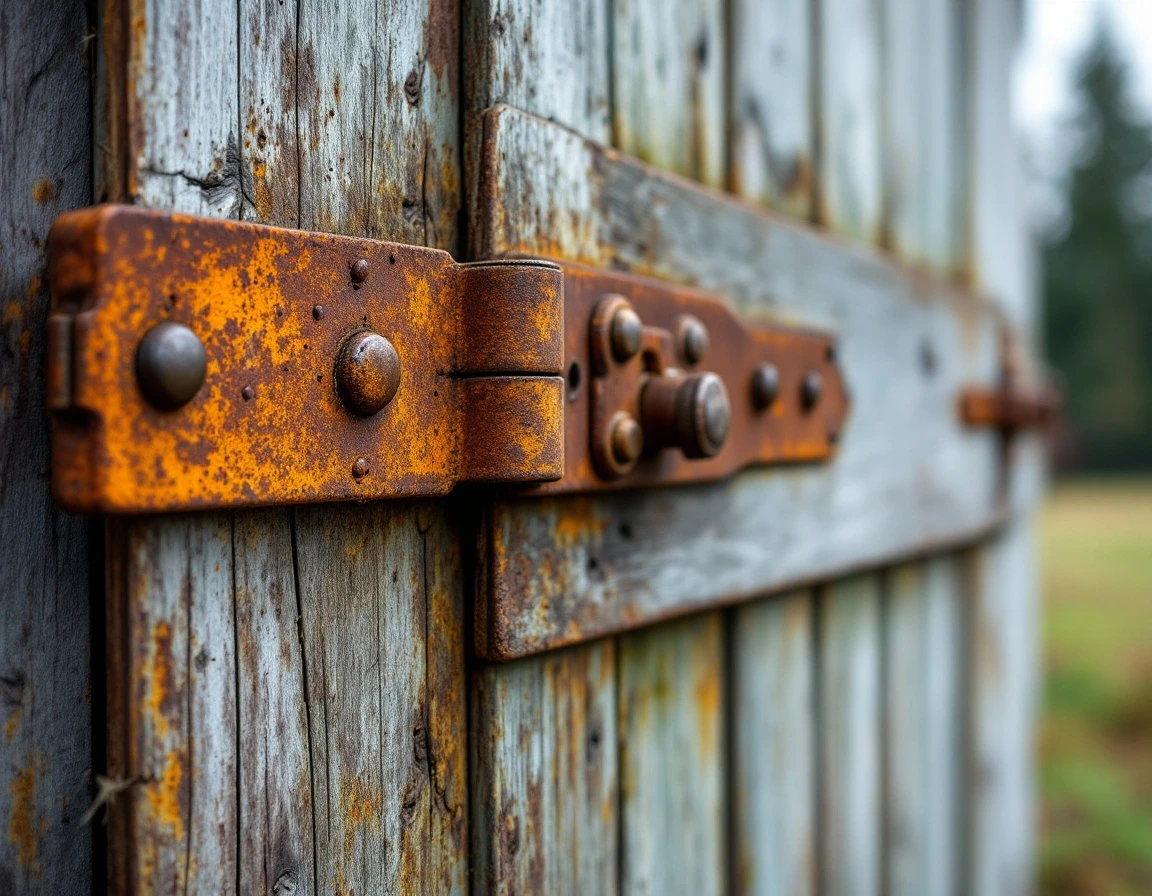
Weatherstripping and Spring Products
Not all weatherstripping handles Tualatin Valley’s fog and moisture equally. Barn door installations in Banks need materials specifically engineered for continuous wet exposure. Silicone and EPDM rubber weatherstripping resist degradation in Pacific Northwest conditions far better than standard vinyl or foam options, which crack and lose seal integrity within 18-24 months of moisture cycling.
Look for commercial-grade EPDM bulb seals rated for outdoor agricultural use, or silicone blade seals designed for marine applications. These materials maintain flexibility through freeze-thaw cycles without creating gaps that allow moisture infiltration. For product specifications, request weatherstripping with a minimum durometer rating of 50A and UV resistance certification.
Spring selection matters equally. Standard residential torsion springs fail prematurely under barn door weight and wet-climate cycling. Industrial-grade oil-tempered springs rated for 25,000+ cycles and galvanized against rust prevent the spring failures that leave barn doors inoperable during heavy fog periods. Specify springs designed for doors 50 pounds heavier than your actual door weight to account for moisture absorption in wood panels.
DIY vs Professional Service Decisions
Some barn door maintenance tasks are perfect for weekend DIY projects, while others require professional expertise to avoid injury or costly mistakes.
- Weatherstripping replacement, lubricant application, and track cleaning are safe DIY tasks for most Banks homeowners
- These projects require basic tools and can be completed in a couple of hours on a Saturday morning
However, spring replacement, structural rust repair, and track realignment require professional expertise due to safety and structural risks. Barn door springs store immense tension that can cause serious injury during improper removal. Structural rust repair requires welding skills and knowledge of load-bearing components that keep your door operating safely.
The cost comparison tells the story: DIY preventive maintenance through weatherstripping, lubricant, and track cleaning requires only basic materials. Professional spring replacement after failure becomes necessary when damage occurs, while full barn door replacement after rust damage represents a major investment. Contact us today for professional assessment of spring condition or structural concerns.
Rust Prevention and Coating Strategies
Tualatin Valley fog creates ideal conditions for rust prevention strategies on barn-style garage doors, particularly in Banks where agricultural moisture combines with dense morning condensation. Rust appears in three distinct stages: surface rust shows as orange-brown discoloration on metal panels, scale rust forms flaky layers that crumble when touched, and structural rust penetrates deep into door frames and hardware.
Catching rust at the surface stage—when it’s still just discoloration—prevents the expensive structural damage that follows.
Wire brushing removes surface rust from door panels, tracks, and hinges in about 15 minutes per door. After brushing, apply rust converter products that chemically transform remaining oxidation into a protective black polymer coating. Follow with weather-resistant topcoat paint rated for agricultural buildings—these formulations bond better to metal than standard exterior paint and resist the moisture cycling common in valley fog conditions.
Why treat rust in May? Because June through September brings the heaviest fog concentration to the Tualatin Valley floor. Rust accelerates during this period as metal surfaces undergo daily wet-dry cycles. A rust-prevention coating applied today protects panels, hinges, and springs throughout fog season, offering protection that costs far less than addressing advanced corrosion later. Skip this treatment, and spreading rust often requires full door replacement—an outcome far more costly than preventive coating. Monthly visual inspections during fog season catch new rust spots before they penetrate beyond the surface layer, making touch-up repairs quick and inexpensive.
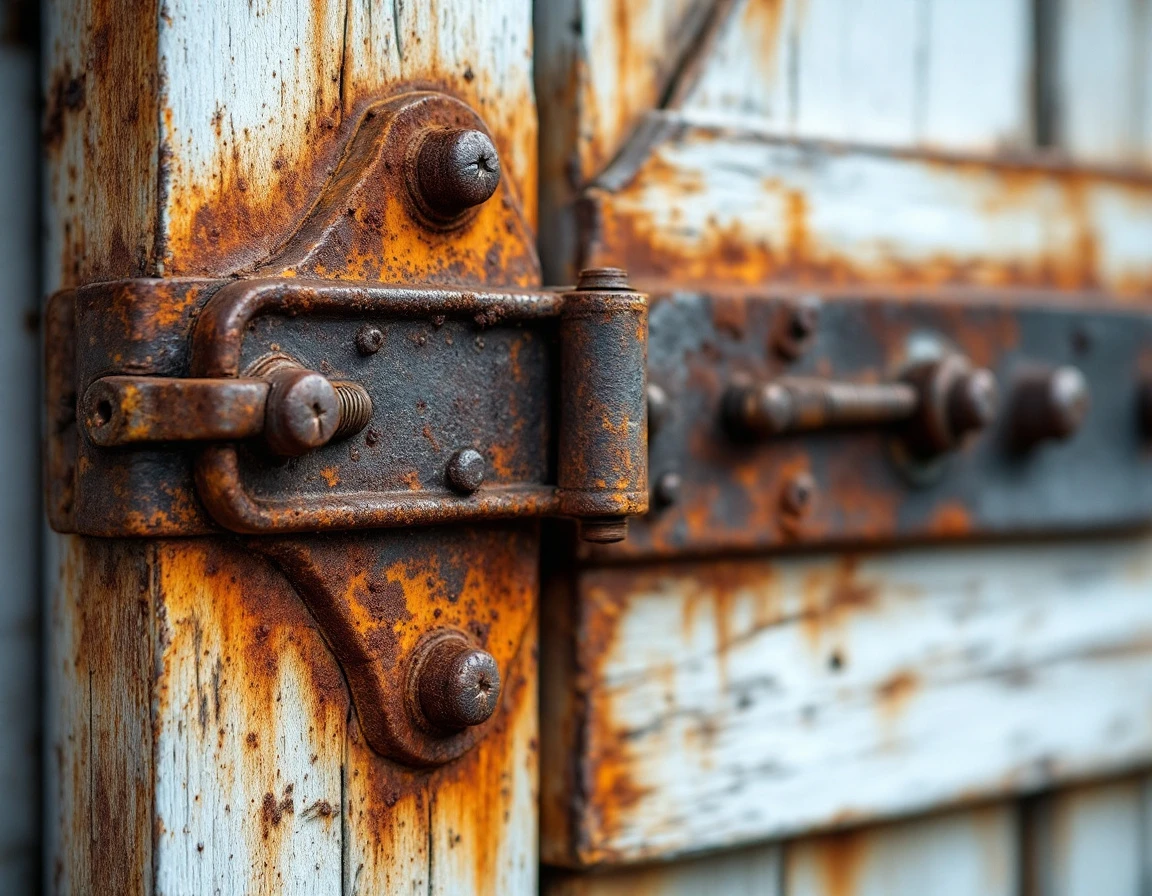
May Maintenance Checklist and Timeline
Banks homeowners should prioritize three critical tasks during the first three weeks of May to prevent rust damage and weatherproofing failures before the Tualatin Valley’s July-September fog season intensifies.
- Week 1: Inspect and replace weatherstripping (2-3 hours). Remove old, cracked seals and install new silicone or EPDM rubber strips along all door edges and thresholds.
- Week 2: Apply spring lubrication to torsion springs, hinges, and rollers (1 hour). Use industrial-grade lithium grease or silicone spray designed for high-moisture environments.
- Week 3: Treat visible rust with wire brushing and rust converter products (2-4 hours depending on extent).
Completing these tasks before Memorial Day creates a protective barrier against moisture accumulation that peaks during late summer fog cycles. Homeowners who address weatherstripping gaps and spring wear in May avoid the expense of door replacement or extensive rust remediation that typically costs fifteen to thirty times more than preventive maintenance. Agricultural building weatherproofing in this region demands early action to prevent seasonal damage.
If you suspect hidden rust behind panels or notice unusual spring tension during your inspection, schedule a professional assessment with Garage Harmony before the fog season begins. Our team can identify moisture damage that homeowners often miss and recommend targeted interventions that prevent expensive failures.