Why Garage Doors Face Hurricane Risk in Oregon
When hurricane-force winds strike, garage doors often fail first—and many Oregon homeowners overlook this vulnerability during storm preparation. Why does this matter? A compromised garage door isn’t simply an inconvenience. It becomes a structural liability that transforms your garage into a wind tunnel, allowing powerful gusts and rainwater to penetrate your home’s protective envelope. Understanding why hurricane prep for your garage door matters in Oregon can mean the difference between minor damage and catastrophic loss.
Once wind enters through a damaged garage door, internal pressure builds rapidly. This pressure pushes against walls, ceilings, and roofs from the inside while external winds batter from the outside. The result? Cascading damage throughout your home, from buckled walls to lifted shingles and flooded interiors.
The Pacific Northwest hurricane season peaks during September and October, giving Oregon residents a clear window for preparation. The financial incentive is compelling: prevention-focused inspections and upgrades typically cost $200-400. While emergency storm repairs after damage occurs average $1,500-3,000 or more. Taking action now protects both your home and your wallet.
Three Critical Pre-Storm Preparations for Storm-Proof Garage Door Protection
Before October’s storm surge arrives, Oregon homeowners need to complete three essential tasks that prevent the majority of hurricane-related garage door damage. Each preparation addresses a specific failure point, and together they create a defense system that keeps your garage—and your home—secure when winds pick up.
1. Verify Wind-Load Rating and Upgrade if Necessary
Start by checking your garage door’s wind-load rating, which should be stamped on a label near the bottom corner or listed in your installation paperwork. Oregon hurricane standards require doors to withstand wind pressures specific to coastal and inland zones. If your door lacks proper certification or was installed before current codes, upgrading represents a prudent investment compared to replacing an entire door system after storm damage. This is a professional job requiring precise installation and certification.
2. Reinforce Frame, Tracks, and Hardware
Lateral wind pressure can tear doors from their frames even when the door itself remains intact. Install horizontal bracing bars across the door’s interior panels ($150-$300 in materials), add heavy-duty track anchors every 12 inches, and replace standard hinges with reinforced versions rated for high-wind conditions. Confident DIYers can handle this project in 3-4 hours with basic power tools and a helper. If you’re uncertain about proper anchor placement or structural attachment points, hire a professional—improper reinforcement can create new weak points.
3. Weatherproof All Perimeter Seals
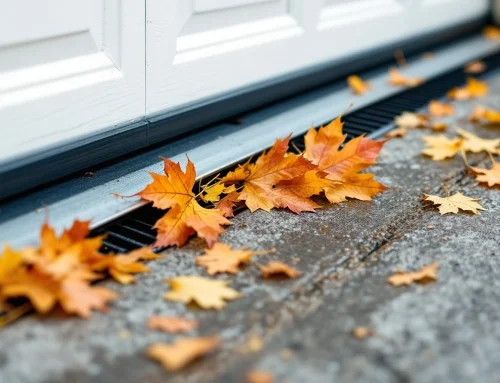
Water infiltration causes hidden damage that appears weeks after storms pass. Replace worn bottom seals, apply marine-grade weatherstripping to side and top edges, and seal every gap where the frame meets your home’s exterior with polyurethane caulk ($40-$80 in materials, 2 hours). This is an ideal DIY task requiring only a caulk gun and patience. Complete all three preparations by late September—contractor schedules fill quickly once forecasts start showing storm activity.
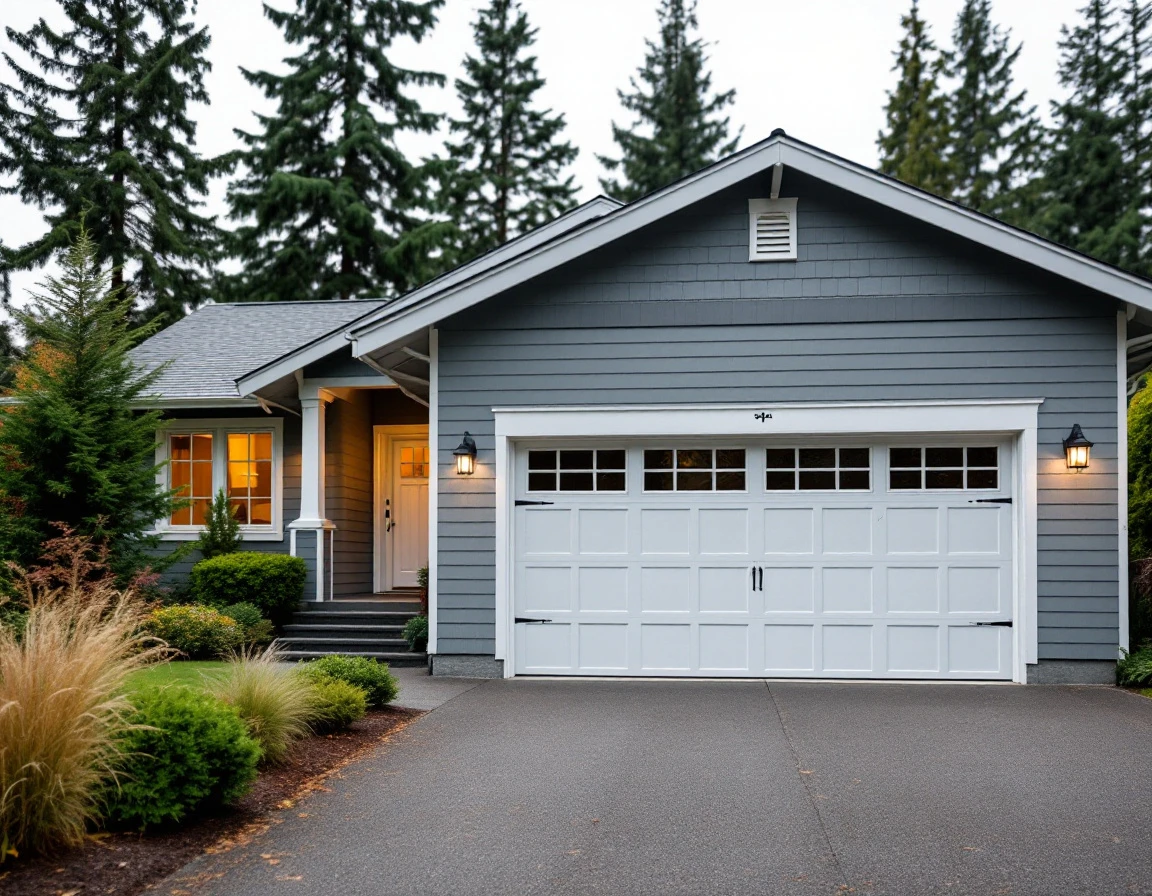
Wind Rating Compliance Assessment
Ready to check if your garage door meets Oregon’s coastal wind standards? This 10-minute assessment starts with finding the manufacturer label on your door frame—usually located on the interior side near the hinges or on the end panel. Record the wind-load rating stamped there, then compare it against Oregon’s coastal building code requirement: minimum 120 mph for high-wind zones.
Here’s the reality: most doors installed before 2010 won’t meet these standards. You’re facing a cost decision. A professional wind-load evaluation represents a modest upfront investment, while full replacement carries a higher price tag when professionally installed. But waiting for hurricane damage means emergency service premiums and contractor availability issues that can empty your wallet far more than addressing the problem now.
Use this decision matrix: if your door is over 15 years old or lacks a readable rating, replacement is the safest choice. If it meets standards, move on to reinforcement tasks covered earlier.
Frame, Track, and Hardware Reinforcement
Once you’ve confirmed your door’s wind rating, turn your attention to the structural framework. Many Oregon garage doors rely on light-gauge fasteners that simply can’t handle hurricane-force lateral pressure. The fix? Replace or supplement existing bolts with 5/8-inch lag bolts—plan for 6-8 per side—to anchor tracks securely to wall studs.
Track bracing kits prevent lateral buckling when wind hammers your door. These kits are affordable and install with basic tools in an afternoon. While you’re working, inspect every hinge and bracket for rust, cracks, or loose hardware. Budget for a complete reinforcement project that includes bracing kits and fasteners to secure your installation properly.
What can you handle yourself?
- Visual inspection
- Bolt tightening
- Simple bracing installation
are realistic DIY tasks. But if you discover stripped bolts, compromised threads, or visible frame damage, call a professional. Contact us today for expert reinforcement services that protect your investment.
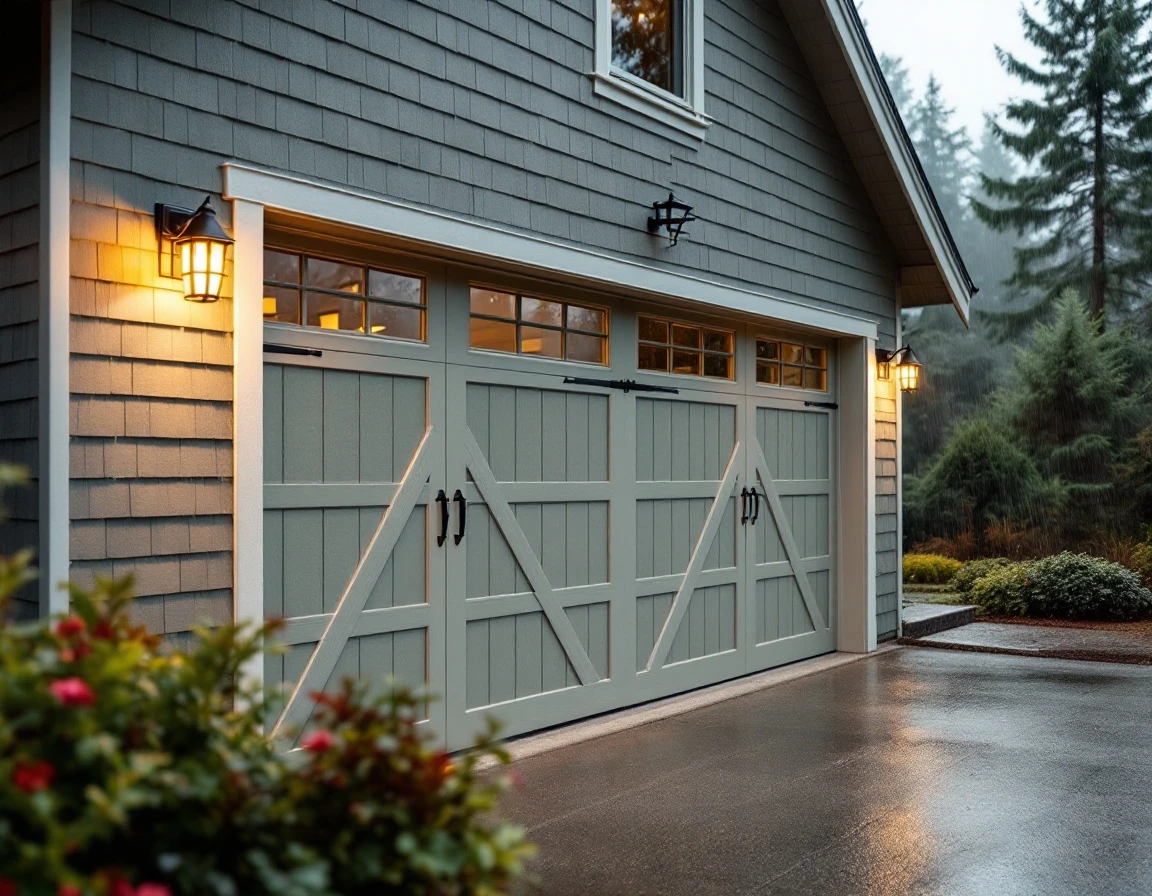
Weatherproofing Seals and Perimeter Protection for Extreme Weather Garage Door Protection
Here’s the easiest win in your hurricane prep checklist: weatherproofing your garage door perimeter. During hurricane-force rains, even small gaps around the door frame turn into flood channels, sending water straight into your garage and foundation walls. Fortunately, this is the most budget-friendly task of the three prevention measures.
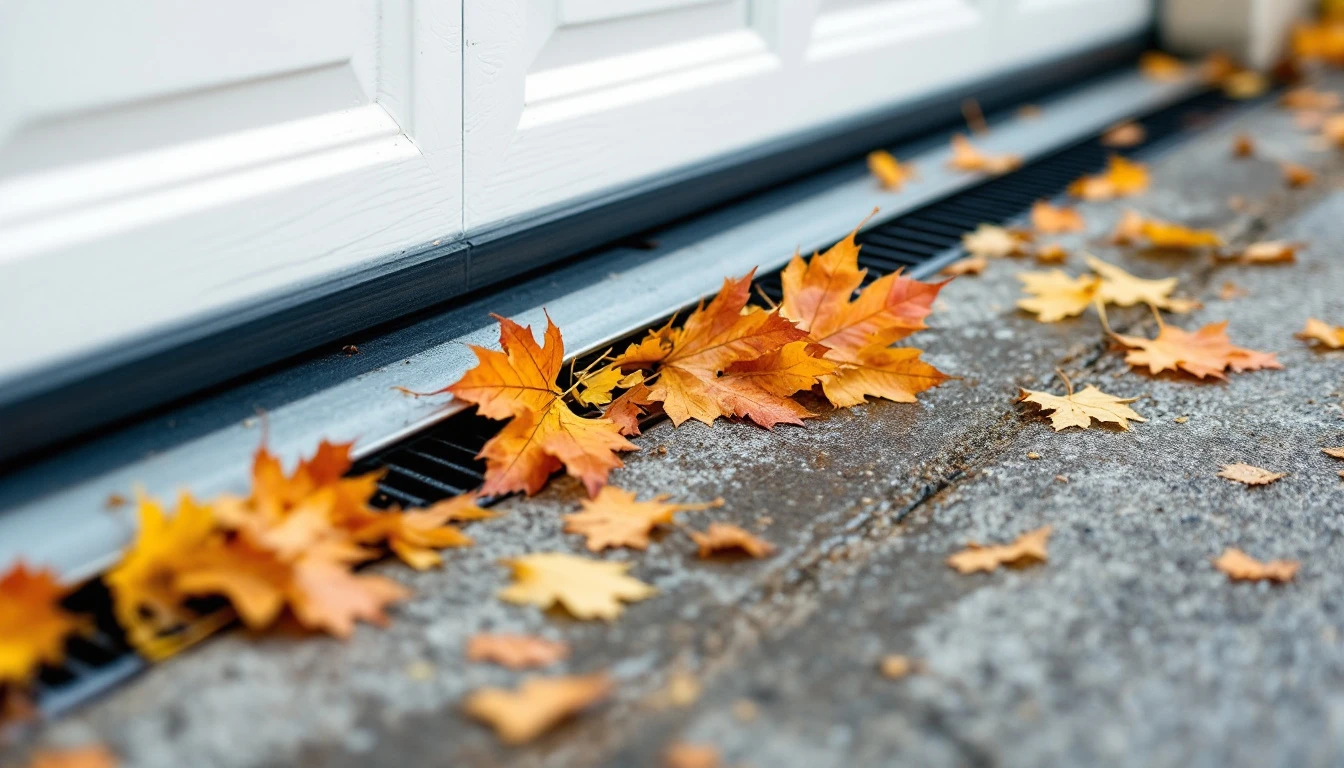
Start with a 5-minute inspection. Check the bottom seal for cracks or missing sections—deterioration happens naturally year after year. Walk around the side jambs looking for light gaps, then inspect the header seal where the door meets the roof line. Any visible light means water will find its way through.
If your seals show wear, replacement kits run $30-75 at home centers and install in 30-60 minutes with basic tools. These kits protect everything inside—vehicles, stored belongings, and your home’s structural framing—from water intrusion.
For those who prefer professional installation, Garage Harmony can handle the job quickly and affordably. Contact us today for weatherproofing assistance before Oregon’s fall storm season arrives.
Decide: DIY or Call a Professional
When should you grab your toolbox, and when should you call Garage Harmony? DIY tasks like seal replacement, bolt tightening, and visual inspection carry low risk and cost under $100 in materials. These are perfect weekend projects for handy homeowners comfortable with basic tools.
However, frame assessment, structural reinforcement, door replacement, and code compliance verification require professional expertise. These tasks involve engineering calculations, wind-load verification, and local building code compliance—documentation that protects you during insurance claims after storm damage.
A professional pre-storm inspection provides liability protection and compliance documentation that protects you against the financial burden of uninsured emergency repairs. Think of it as an insurance policy with immediate returns.
Timeline matters. Complete your DIY tasks by early September. Schedule professional appointments by mid-September to avoid the October contractor rush when everyone scrambles before peak storm season. Ready to get started? Contact us today to schedule your pre-storm garage door inspection.