Why Beaverton Homeowners Need to Prepare Home Property Damage Emergency Plans
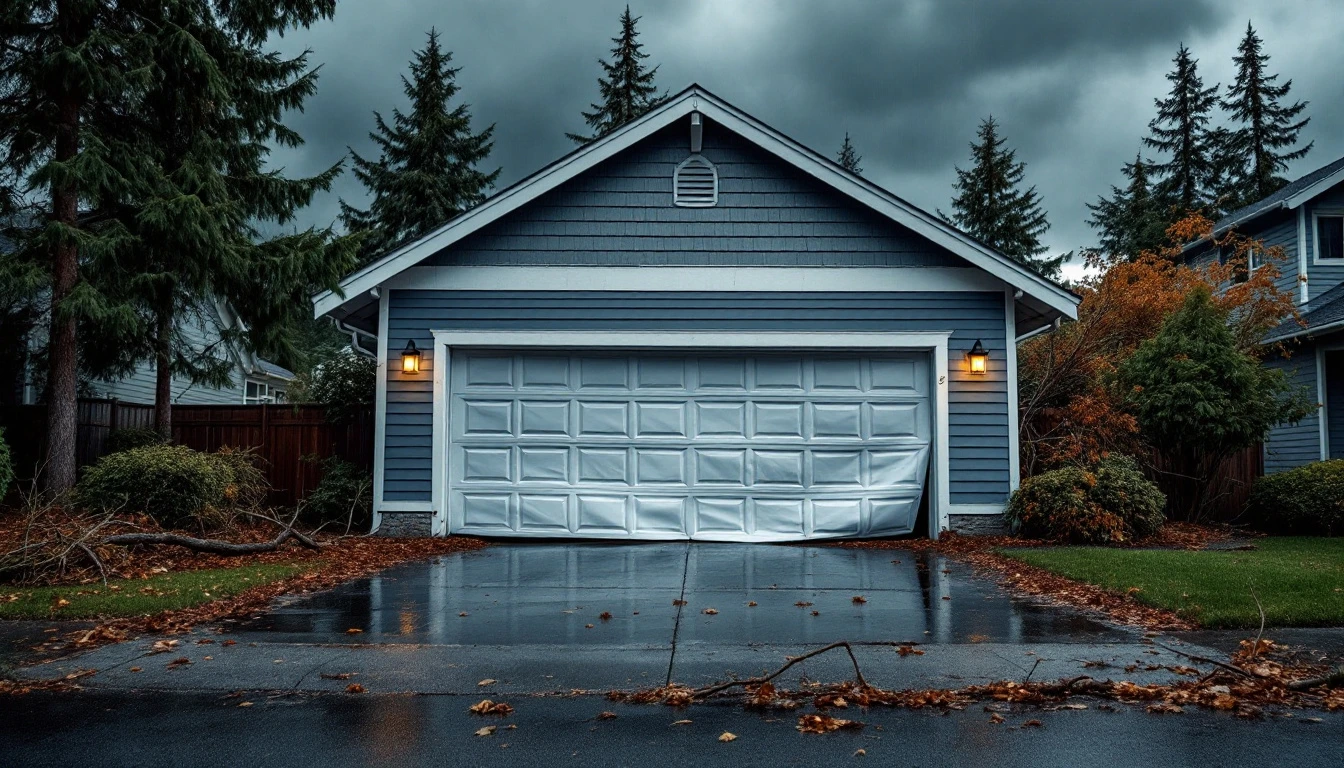
Vehicle collisions into garages happen without warning, leaving homeowners scrambling to make critical decisions about repairs, insurance claims, and temporary security. When a car crashes through your garage door at 2 a.m., you don’t have time to figure out what your insurance covers or where to find a reliable contractor. Creating a plan to prepare home property damage emergency response eliminates this stress and confusion when every minute counts.
October is the perfect month to create your emergency preparedness plan. You’re already thinking about winter readiness—checking heating systems, cleaning gutters, and preparing for seasonal storms. Adding a garage emergency plan to your fall maintenance checklist means one setup now protects you all year. Documentation of your property and clear response protocols cut claim processing time in half, getting you back to normal faster while saving thousands in potential recovery costs.
Create Your Home Inventory Documentation
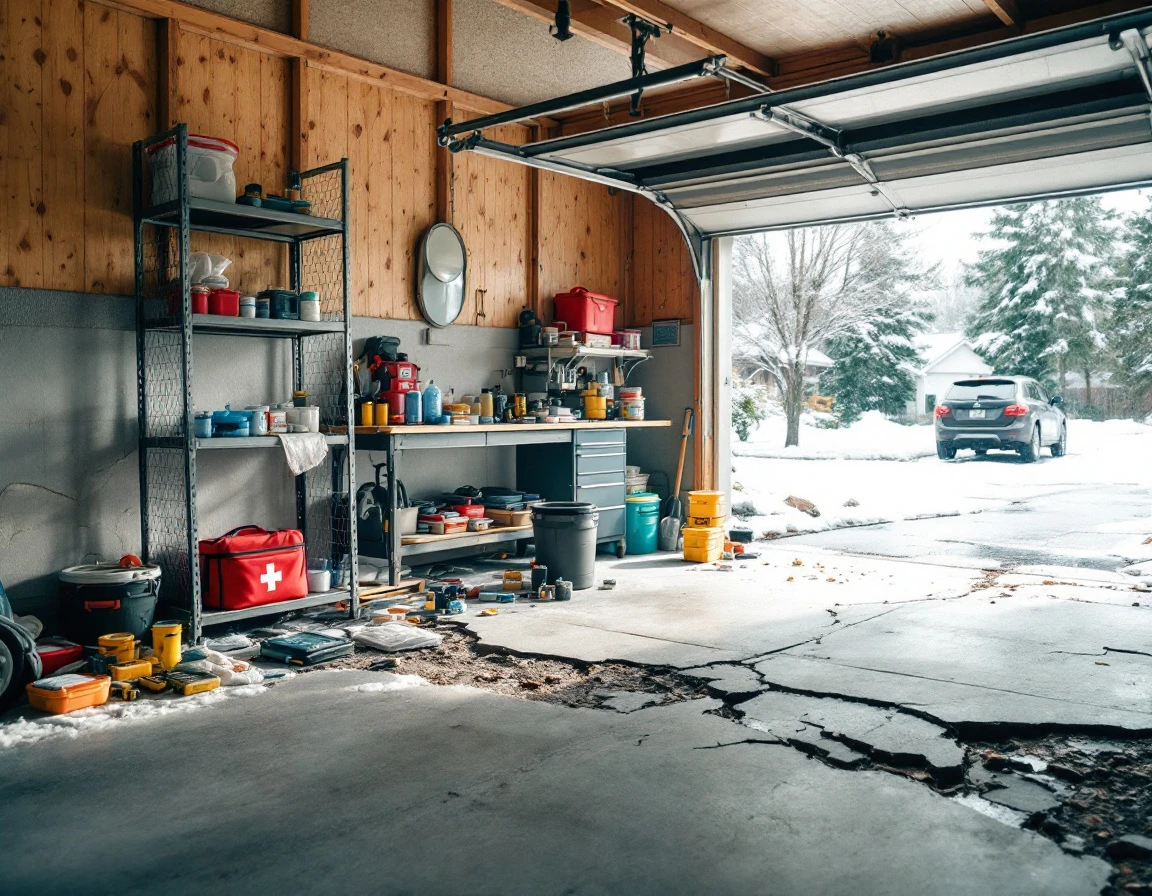
A complete home and garage inventory is your strongest defense against insurance disputes after a vehicle collision or property damage incident. Start by recording a video walkthrough of every room, including your garage, slowly panning across shelves, workbenches, and stored items while narrating what you’re filming. This captures everything in context and creates visual proof of what you owned before damage occurred.
Follow up with room-by-room photographs that focus on individual items, especially high-value tools, equipment, and stored belongings. Create a simple spreadsheet listing each item with its description, purchase date, and estimated value. For expensive garage equipment, power tools, and vehicles, record serial numbers and keep copies of receipts—this documentation speeds up insurance claims and helps prove the value of your belongings.
Store your entire inventory in cloud backup services like Google Drive or Dropbox. Why does this matter? If your garage burns down or flood damage destroys your home, paper records and local hard drives disappear with everything else. Cloud storage means your proof survives the disaster. Letting you file claims immediately and accelerate your recovery timeline.
Understand Your Insurance Coverage
What happens when a vehicle crashes into your garage? Understanding which insurance policy applies can mean the difference between swift recovery and months of disputes. Your homeowner insurance covers structural damage to the garage itself—walls, doors, and framing—plus any personal property stored inside like tools or sporting equipment. Vehicle damage, however, falls under auto insurance collision coverage. Not your homeowner policy.
The boundary matters because deductibles and coverage limits differ between policies. Your homeowner deductible and auto deductible may vary, directly affecting what you’ll pay out-of-pocket during recovery. Review both policies now, before damage occurs. Know your claim procedures, coverage caps, and exclusions.
This pre-incident knowledge prevents the common mistake of filing with the wrong insurer, which delays processing and complicates repairs when timing matters most.
First 48-Hour Response Checklist for Home Damage Recovery
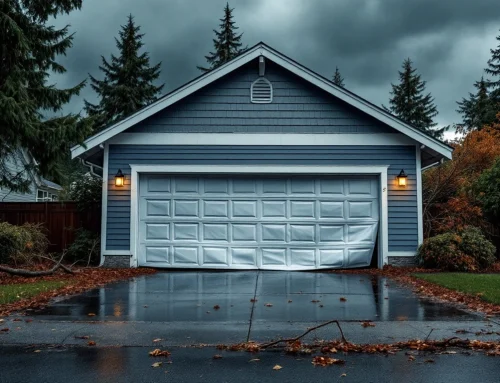
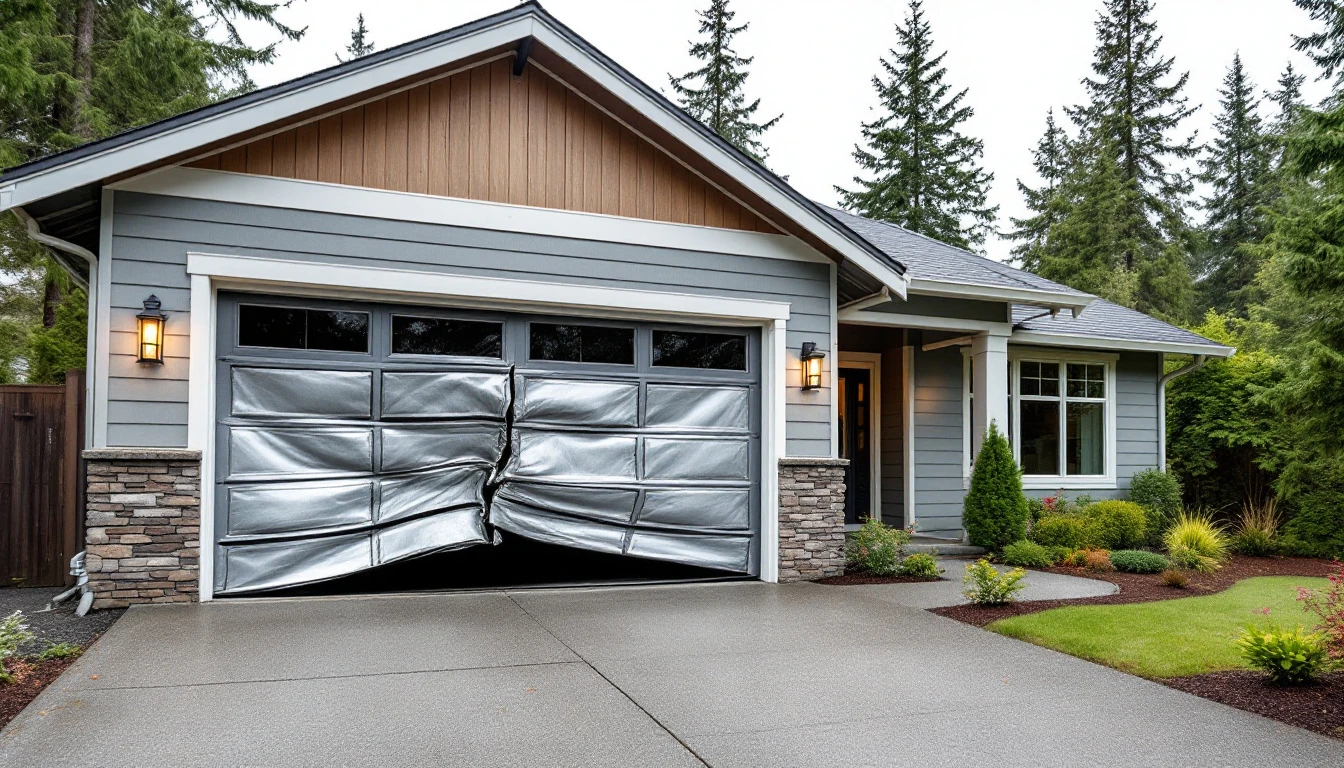
When a collision or damage event strikes your garage, having a printed action plan eliminates decision-making pressure during a stressful moment. Start with immediate safety: evacuate anyone from the damaged area, shut off electrical power at the breaker if wiring is exposed, and place barriers to prevent further vehicle or pedestrian access. If structural beams show cracks or the garage door hangs at an angle, stay clear until professionals assess stability.
Document everything within the first hour. Take photos from multiple angles showing the full damage scope, capture close-up video of broken components, and write time-stamped notes describing what happened. This evidence satisfies insurer requirements and prevents claim disputes later.
Contact your insurance carrier within 24 hours to meet policy notification deadlines. Then reach out to Beaverton-specific repair specialists who understand local building codes and can provide initial assessments. Having this contractor list ready before emergencies occur cuts response time .
Local Beaverton Resources and Contractors
Pre-vetting contractors before damage occurs saves you precious time when every hour counts. Start building your emergency contact list today by researching local garage door specialists. Structural repair contractors, and water damage mitigation services. Beaverton-based contractors understand Oregon building codes and the region’s unique weather challenges, from winter freeze-thaw cycles to heavy rain impacts.
Create a simple spreadsheet or contact card on your phone with business names, phone numbers, service areas, and hours of operation. Include Beaverton’s non-emergency line (503-526-2222) and your insurance agent’s direct contact. Having these numbers saved eliminates the scramble to find trustworthy help during crisis moments.
This preparation directly supports your emergency response plan. When damage happens, you’ll skip the frantic online searches and jump straight to calling pre-selected professionals who can assess damage and begin repairs immediately.
Print and Store Your Emergency Plan
Once you’ve built your emergency plan for protecting your home, print three physical copies. Why? Digital files don’t help when power or internet goes down during a crisis. Keep one copy in your front desk drawer, another in your vehicle glove compartment, and a third in your fireproof safe. This way, every household member can access the plan immediately when stress levels are high and decision-making feels overwhelming.
Mark your calendar for October each year to review and update your plan. Contractor phone numbers change, insurance policies get renewed with new coverage limits, and your home inventory grows. Spending fifteen minutes each fall—right when you’re already winterizing gutters and checking furnace filters—keeps your emergency response protocol current and actionable. You’ve completed the one-time setup. Now you have lasting protection that reduces recovery time if property damage ever strikes your home.