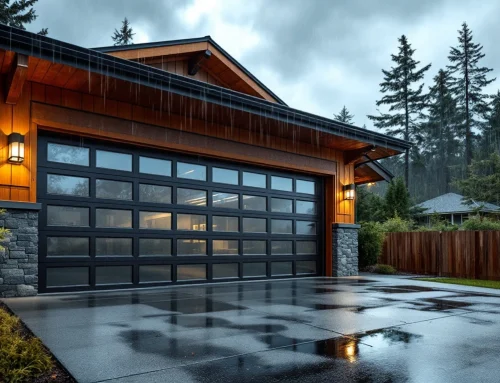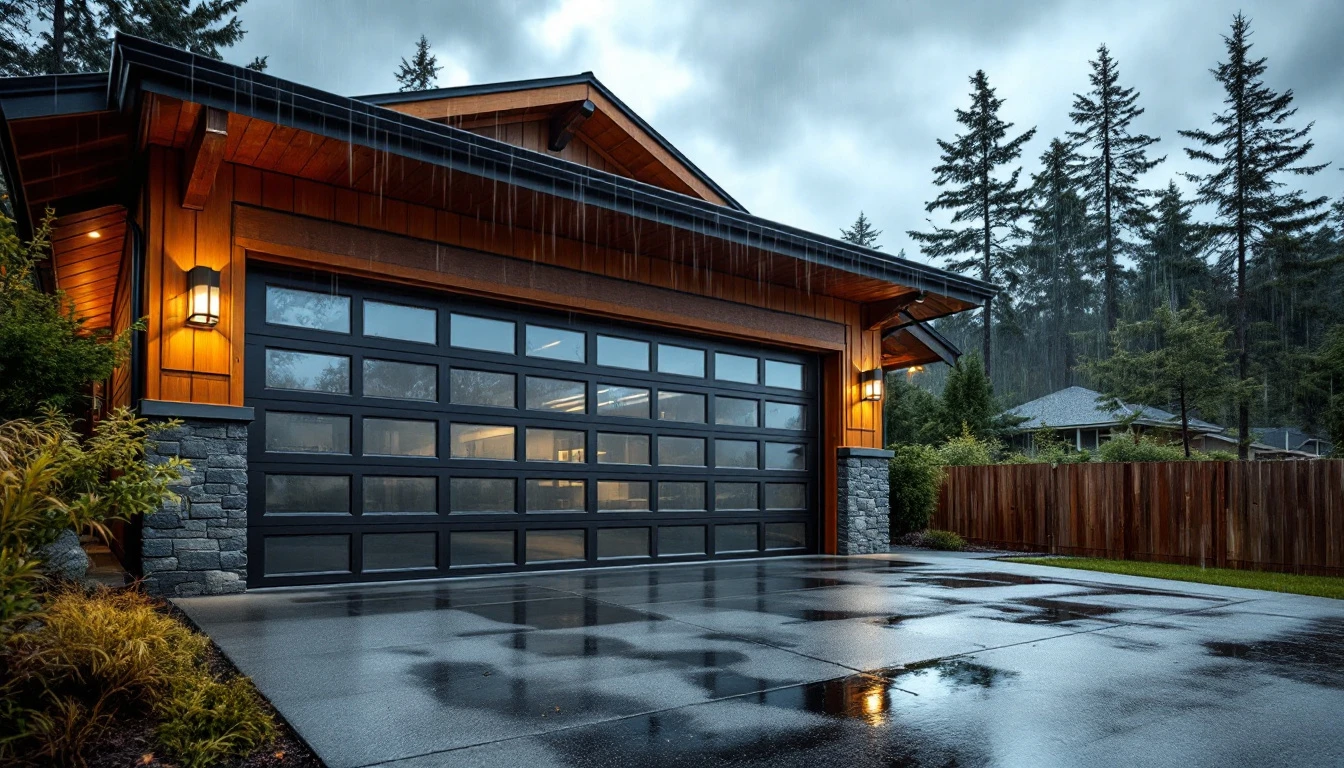
Fall Storm Threats to Garage Doors
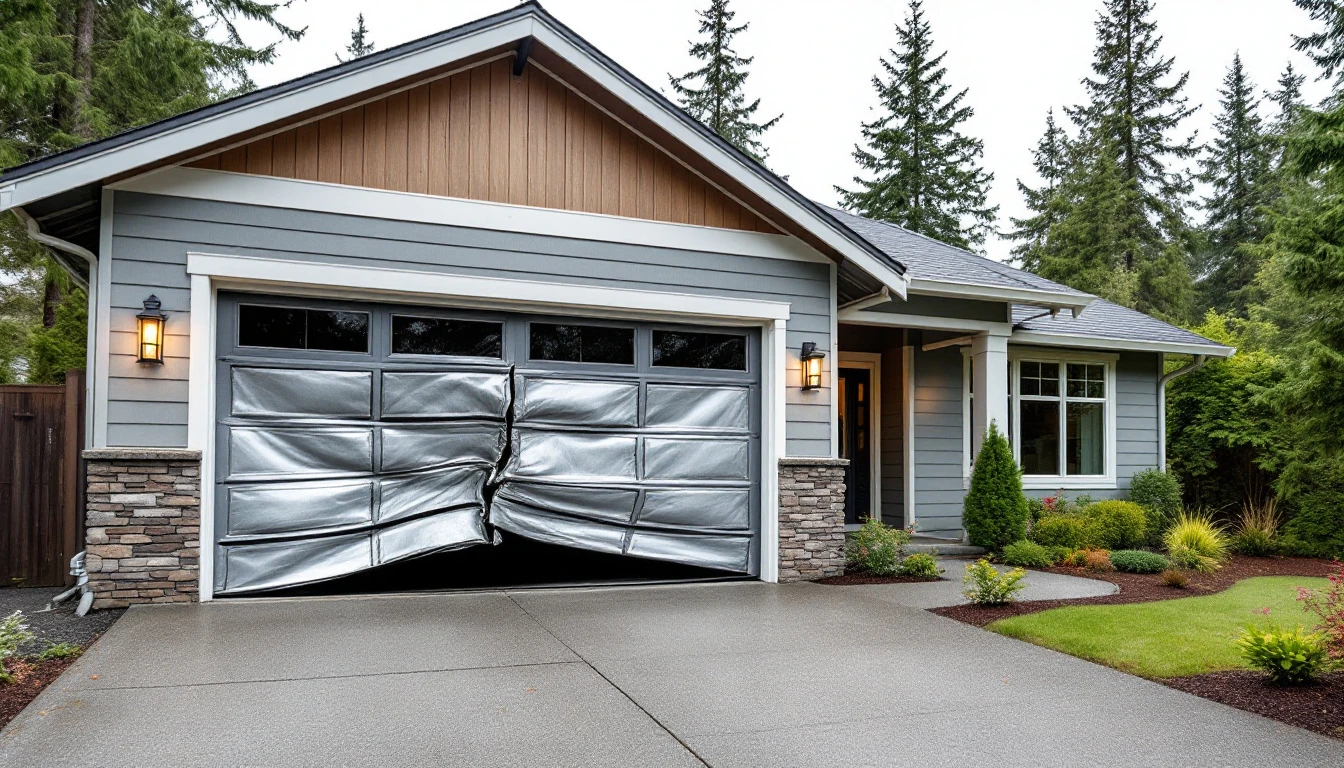
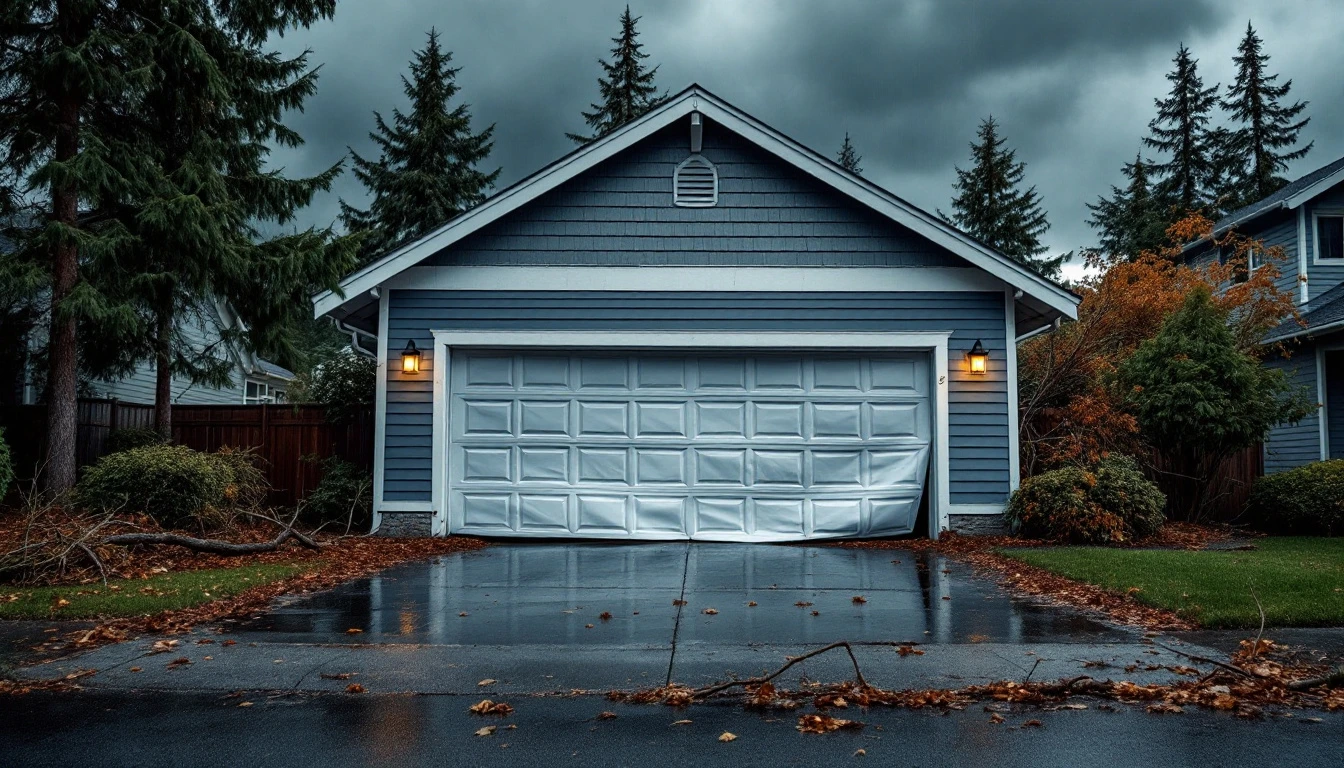
September is your preparation window. Pacific Northwest fall and winter storms bring high winds that stress garage door panels, hinges, and weather seals—components that fail when maintenance gets delayed. Why does this matter? Wind damage is cumulative. Small cracks, loose hardware, and worn seals from months of use become catastrophic failures when October storms arrive.
Oregon homeowners who wait until storm warnings appear face emergency pricing and limited contractor availability. Typical wind-related garage door repairs range from $1,500 to over $5,000 when they happen as emergencies.
Preparation stops this scenario. Addressing wear now—before storm season hits—prevents failures that leave your garage exposed and your wallet empty.
Five Pre-Storm Preparation Tasks
A systematic inspection of your garage door takes less than two hours and can prevent thousands in emergency repairs when Pacific Northwest storms arrive. Each task targets a specific vulnerability that wind and rain exploit, giving you clear action steps to complete before the weather turns.
Task 1: Inspect and Tighten All Hardware
Wind creates lateral pressure that loosens hinges, brackets, and bolts over time. Walk along both sides of your door and check every connection point—you’re looking for loose fasteners, rust, or metal fatigue. Use a socket wrench to snug up any loose bolts, but don’t overtighten and strip the threads. This 30-minute check prevents panels from separating during high winds. If you find cracked brackets or severely corroded hardware, call a professional for replacement before storm season hits.
Task 2: Test Balance and Alignment
A balanced door distributes wind stress evenly across the entire system. Disconnect the opener by pulling the emergency release cord, then manually lift the door halfway. Does it stay in place, or does it drift up or down? A properly balanced door should hold its position. If it sags or rises, your springs need adjustment—a job that requires professional expertise because of the high tension involved. Check alignment by watching the door move through a full cycle; binding or jerking indicates track misalignment that wind stress will worsen.
Task 3: Replace Weatherstripping and Seals
Bottom seals and side weatherstripping create your first defense against wind-driven rain. Run your hand along all edges, feeling for cracks, brittleness, or gaps. Replace any weatherstripping that’s lost its flexibility—you’ll find replacement kits at most hardware stores. Installing new seals takes about 45 minutes and prevents water infiltration that leads to rust and electrical damage during storms.
Task 4: Check Springs and Cables
Inspect torsion springs above the door for rust, gaps in the coils, or visible wear. Examine lift cables for fraying or broken strands. Wind stress amplifies existing weaknesses, turning minor wear into catastrophic failure. If you spot any damage, schedule professional replacement immediately—never attempt spring work yourself.
Task 5: Clean Tracks and Lubricate Moving Parts
Debris in tracks causes binding that makes your door vulnerable to wind damage. Vacuum out dirt and wipe tracks clean, then apply silicone-based lubricant to rollers, hinges, and springs. This 20-minute task keeps everything moving smoothly when your door faces storm stress.
Warning Signs of Wind Damage
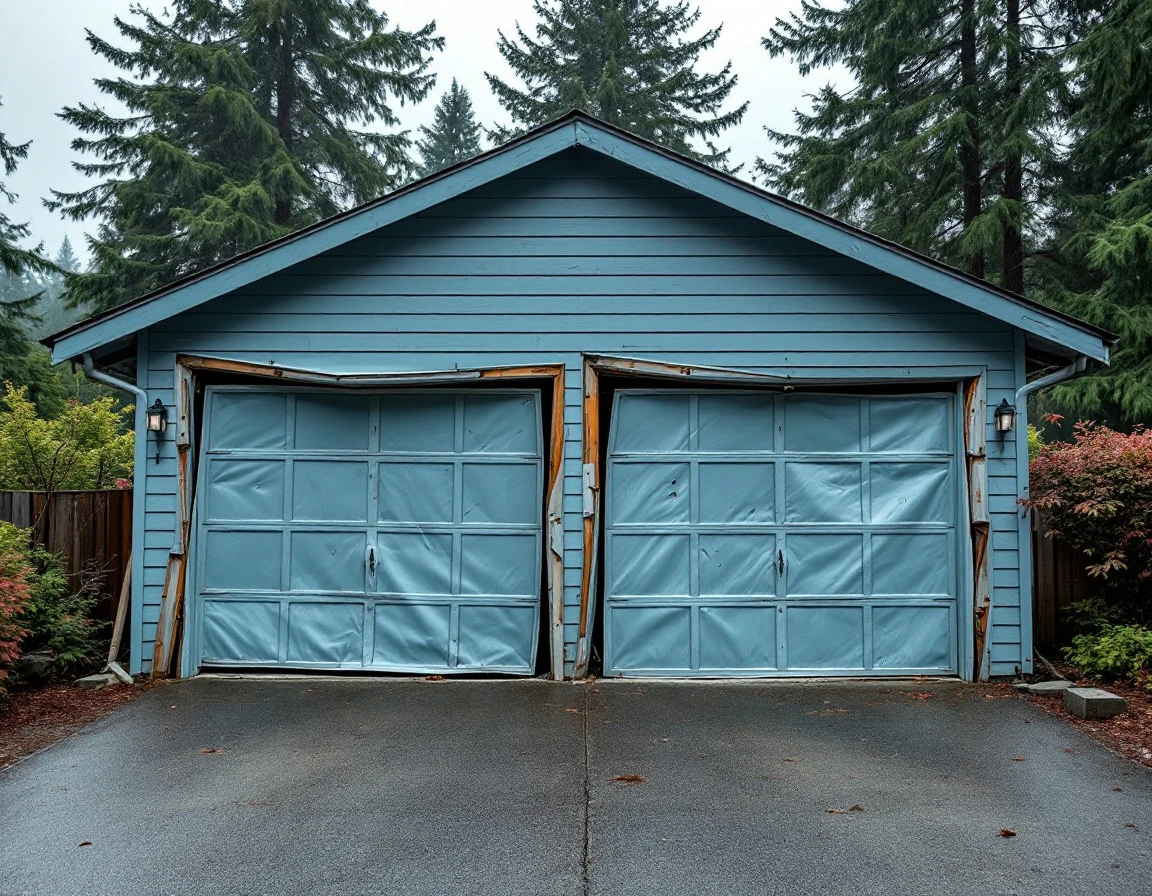
After a storm passes, walk around your garage door and look carefully for these telltale signs of wind damage:
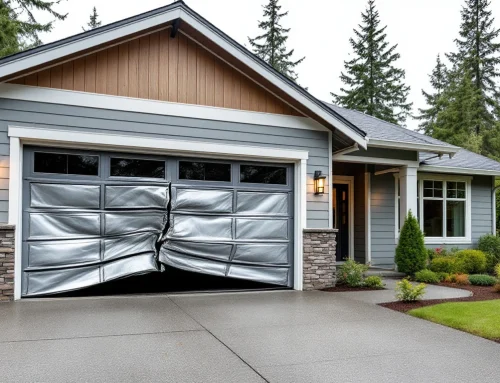
- Bent or dented panels, particularly along the bottom edge where wind force concentrates, signal structural compromise that may worsen over time
- Misalignment, uneven gaps between door and frame, or binding during operation indicate track or roller damage that demands immediate professional attention to prevent complete failure
- Damaged seals, visible daylight around the door edges, or water seeping into your garage—breaches that allow moisture intrusion which can ruin stored items and damage interior walls
- Loose or rattling hardware, sagging springs, or cables with fraying—issues that pose serious safety risks and require professional repair before operating the door again
Minor panel dents may not affect function, but any mechanical or alignment problems warrant expert evaluation.
DIY vs Professional Response
Once you’ve spotted damage, what should you tackle yourself and when should you call for help? Some repairs are safe for homeowners:
- Resetting a misaligned photo-eye sensor
- Tightening loose bolts or hardware with a socket wrench
- Clearing debris from tracks
- Replacing worn weatherstripping
These tasks involve no high-tension components and can prevent minor issues from escalating.
Never attempt spring replacement, cable repair. Structural realignment, or panel replacement on your own. Garage door springs operate under extreme tension—enough to cause serious injury or death if mishandled.
Licensed technicians have specialized tools and training to work safely with these systems.
Emergency repair response time in Oregon varies by location and storm severity. Having a trusted contractor identified before the weather turns saves you from paying premium pricing during peak demand. Ask potential contractors about their emergency availability, licensing status, and typical response windows. Contact us today to establish your pre-storm repair relationship.
September Action Checklist
Before October storms arrive, complete these five tasks: inspect and tighten hardware, test balance, replace weatherstripping. Check springs and cables, and clean tracks. Take clear photos of your garage door’s current condition—documenting panels, seals, and hardware—so you have baseline evidence for any future insurance claims.
Save contact information for two to three trusted local garage door contractors now, before you need emergency service. Test your manual release mechanism and practice the emergency opening procedure so you’re prepared if the opener fails during a power outage.
Ready to protect your home before storm season? A wind-rated garage door can lower the risk of costly damage during severe storms. Contact Garage Harmony today for a professional inspection or to schedule preventive maintenance that keeps your garage door storm-ready all season long.