


November–February Fog & Humidity Threats
Yamhill County’s signature valley fog brings more than atmospheric wine country charm—it delivers sustained humidity that penetrates garages, attacking metal hardware and wooden components. For wine estates and homes across this region, Yamhill wine country moisture damage prevention forms the foundation of protecting your propertys structural integrity and curb appeal.
Valley fog creates sustained moisture exposure
From November through February, valley fog blankets Yamhill County properties for days at a time. This moisture seeps into your garage door tracks, springs, and hardware. How much damage does sustained exposure cause? Far more than occasional rain showers.
The harvest season makes it worse. September and October bring vineyard activity that stirs up dust and moisture. This residual humidity clings to metal components well into winter when temperatures drop and fog settles in.
Moisture accelerates rust on metal fixtures
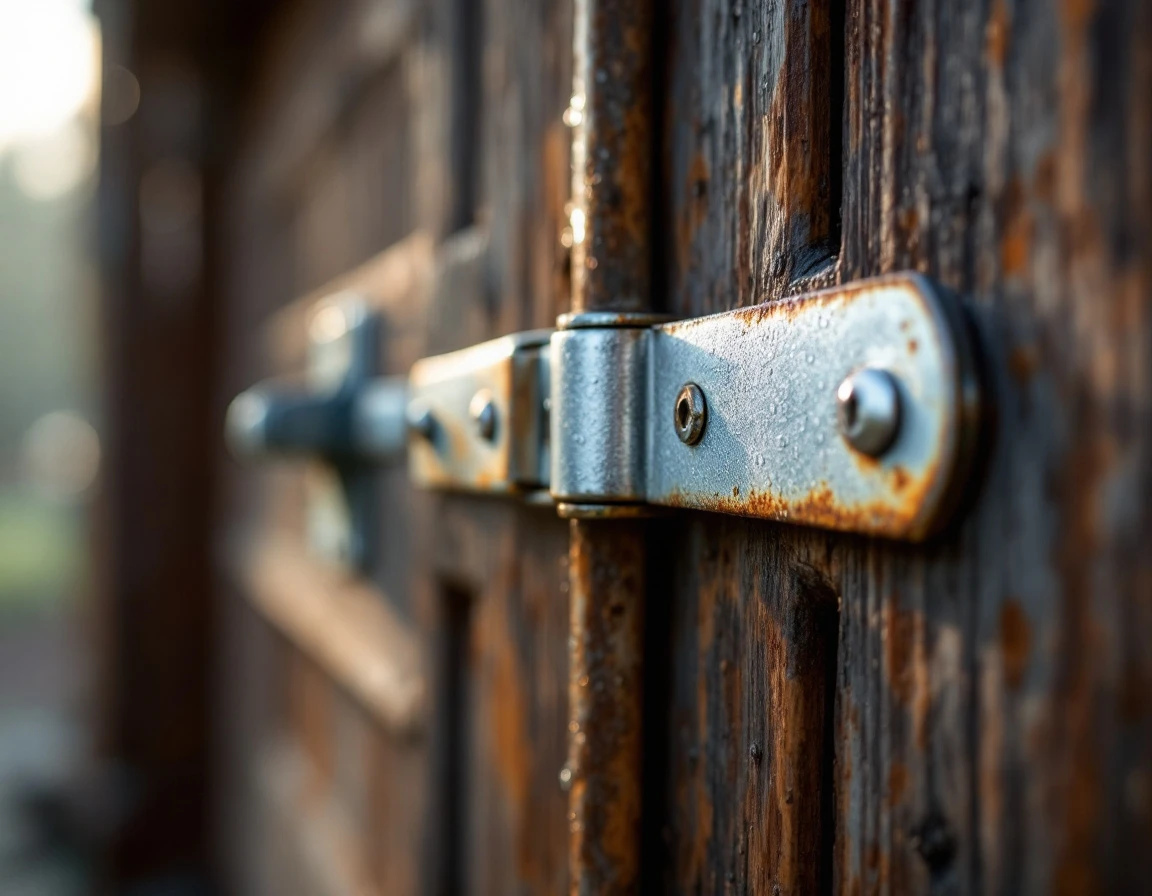
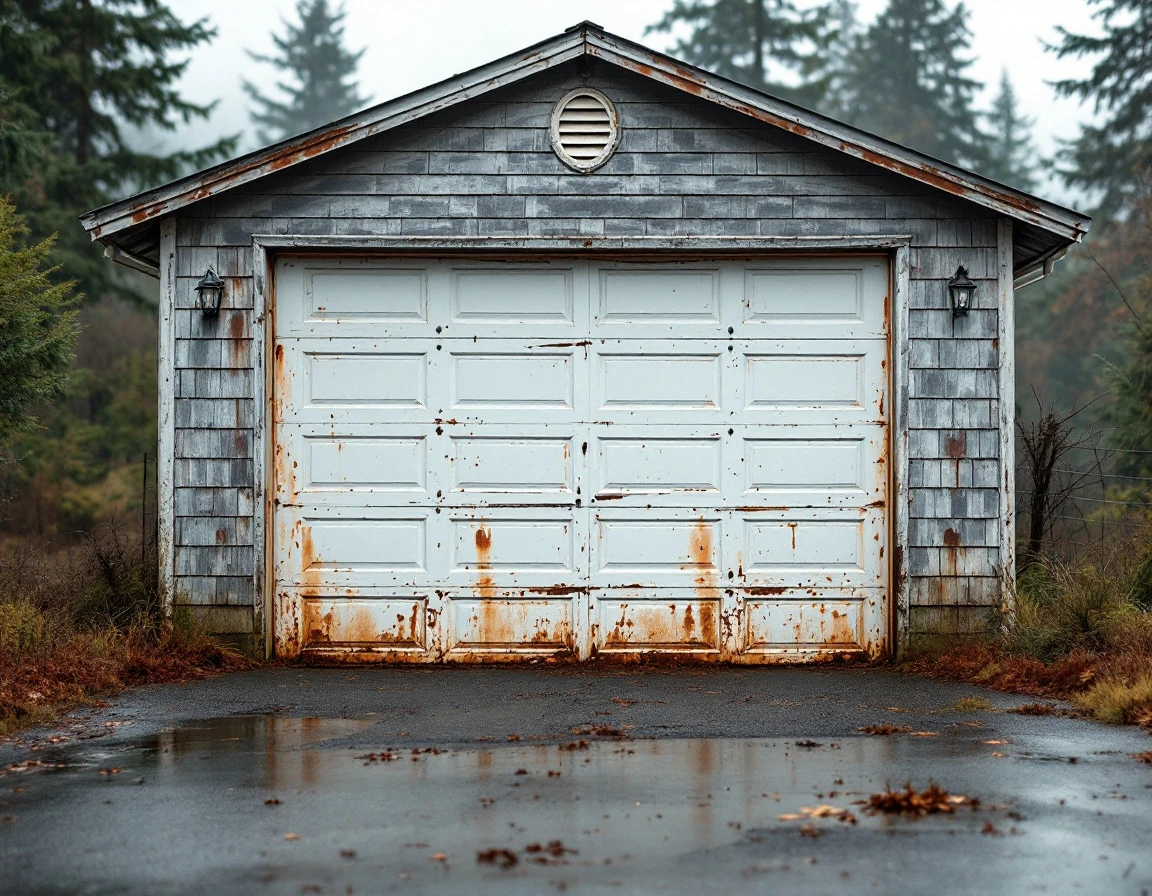
Moisture seeps into your garage door tracks, hinges, and springs. It triggers rust. The rust spreads across steel, creating friction that makes your motor work harder and wears out hardware faster. Weatherstripping absorbs humidity, loses its seal, and allows water intrusion that damages both the door and garage interior.
Wine estate properties in Yamhill County face improved moisture risk. Properties at higher elevations experience direct fog exposure that bathes metal fixtures in sustained condensation throughout winter months.
Weatherstripping Upgrades for Willamette Valley Homes
Your garage door needs weatherstripping that can handle wine country’s humidity. Standard vinyl strips fail quickly when exposed to constant moisture. Upgrading to the right materials protects your door through the fog season and prevents the garage door deterioration that wine country properties face.
- EPDM rubber and silicone seals outperform vinyl because they resist moisture absorption and maintain flexibility through temperature swings
- Unlike vinyl, which hardens and cracks after repeated wetting and drying cycles, EPDM rubber maintains its seal integrity through multiple fog seasons
- Silicone weatherstripping handles even higher humidity exposure, making it ideal for hillside properties where morning fog lingers longest
Should you choose single-layer or dual-seal weatherstripping? Dual-seal systems work better. They combine a threshold seal with door-bottom weatherstripping to create overlapping barriers that stop fog infiltration far better than single-layer strips. This double-defense approach prevents moisture from reaching metal components.
Timing matters as much as material choice. Installing weatherstripping upgrades in June or July—well before September’s harvest humidity and October’s first fog events—prevents moisture damage rather than reacting to it. This aligns perfectly with the preparation timeline wine country properties need to follow.
Preventive treatment costs $150 to $300. Emergency spring replacement costs $200 to $400 per service call. Protect your door now, not later. The exact cost depends on door size and material selection, but the protection gained prevents the expenses and curb appeal damage that affect resale value in wine country markets.
Rust Prevention Protocols & Treatment Timeline
Valley fog and harvest humidity attack your garage door springs, hinges, and tracks. Here’s how to protect them—and your home’s curb appeal. Rust prevention in wine country requires proactive treatment that goes beyond standard approaches.
June through September is your critical window for treatment. Before harvest humidity peaks in September and October, inspect all metal hardware for early rust—surface pitting, orange discoloration, rough texture. Work during these months so protective coatings cure properly before moisture intensifies.
Standard rust treatments don’t work well in wine country’s humid climate. Use zinc-rich primer first—it bonds directly to bare metal on springs and brackets. Follow with marine-grade sealant designed for constant moisture exposure—the same formulation that protects coastal equipment works well against valley fog and vineyard mist.
Apply treatments in July or early August when temperatures stay above 55°F and humidity drops below 60 percent. These conditions allow proper adhesion and curing. Focus on springs first (highest stress and moisture exposure), then hinges, roller brackets, and track hardware.
The numbers favor prevention. Professional rust treatment runs $150 to $300 for complete garage door hardware. Replacing rusted springs costs $200 to $400 per service call, while corroded hinges and brackets add another $150 to $250. Preventive treatment extends hardware life five to ten years. Eliminating emergency repairs during winter fog season and preserving the polished appearance that supports property values in wine country’s real estate market.
Post-Harvest Maintenance Routine
Between harvest season and winter fog, September and October offer the perfect window for spring maintenance and moisture control. Start by cleaning door tracks, which accumulate harvest dust and organic material that traps humidity against metal components. Remove debris from weatherstripping channels and threshold seals, where grape residue and vineyard soil create moisture pockets that speed up corrosion.
From October through January, monthly inspections catch early moisture damage before it spreads. Check for rust spots on springs, cables, and hinges. Look for water stains on interior walls near the door perimeter. Test weatherstripping compression by closing the door on a dollar bill—if it pulls out easily, the seal has failed. Document your findings with dated photos, which protect property value claims during sale appraisals by proving consistent maintenance.
Your spring maintenance in March and April assesses winter damage and prepares for the next seasonal cycle. Inspect hardware for rust progression, replace compromised weatherstripping, and apply fresh protective coatings to any areas showing wear. Garage Harmony has helped wine country homeowners protect their properties through countless fog seasons with these quarterly protocols. This routine bridges your fall preparations into year-round protection, maintaining the curb appeal and resale value that wine country buyers expect.
June–October Action Checklist & Timeline
- Start in June by inspecting all weatherstripping around your garage door perimeter and examining metal hardware for early rust spots
- Purchase EPDM or silicone weatherstripping materials and zinc-rich primer before July
- Complete your weatherstripping replacement and rust treatment during July and August. Before harvest activity begins
- Apply protective coatings to springs, hinges, and brackets during dry summer weather when materials cure properly
- In September and October, conduct your post-harvest cleaning to remove residue tracked from vineyards
- Begin monthly moisture inspections that continue through February’s fog season, checking weatherstripping compression, looking for new rust formation, and wiping down metal components
- Document each maintenance task with photos and receipts to support your property value claims when selling
Ready to protect your garage from wine country’s fog season? Contact Garage Harmony today to schedule your inspection and rust prevention treatment. “Our team will create a protection plan matched to your property’s specific needs.”



Leave A Comment