Dayton Garage Moisture Management in Wine Country
Dayton’s location in Oregon’s wine country creates a unique moisture challenge that many homeowners overlook. Effective Dayton garage moisture management starts with understanding the seasonal patterns that threaten your property. From November through February, dense valley fog settles over the region, creating sustained condensation cycles inside detached garages. This isn’t a quick morning mist—it’s prolonged moisture exposure that penetrates unsealed surfaces and lingers in enclosed spaces.
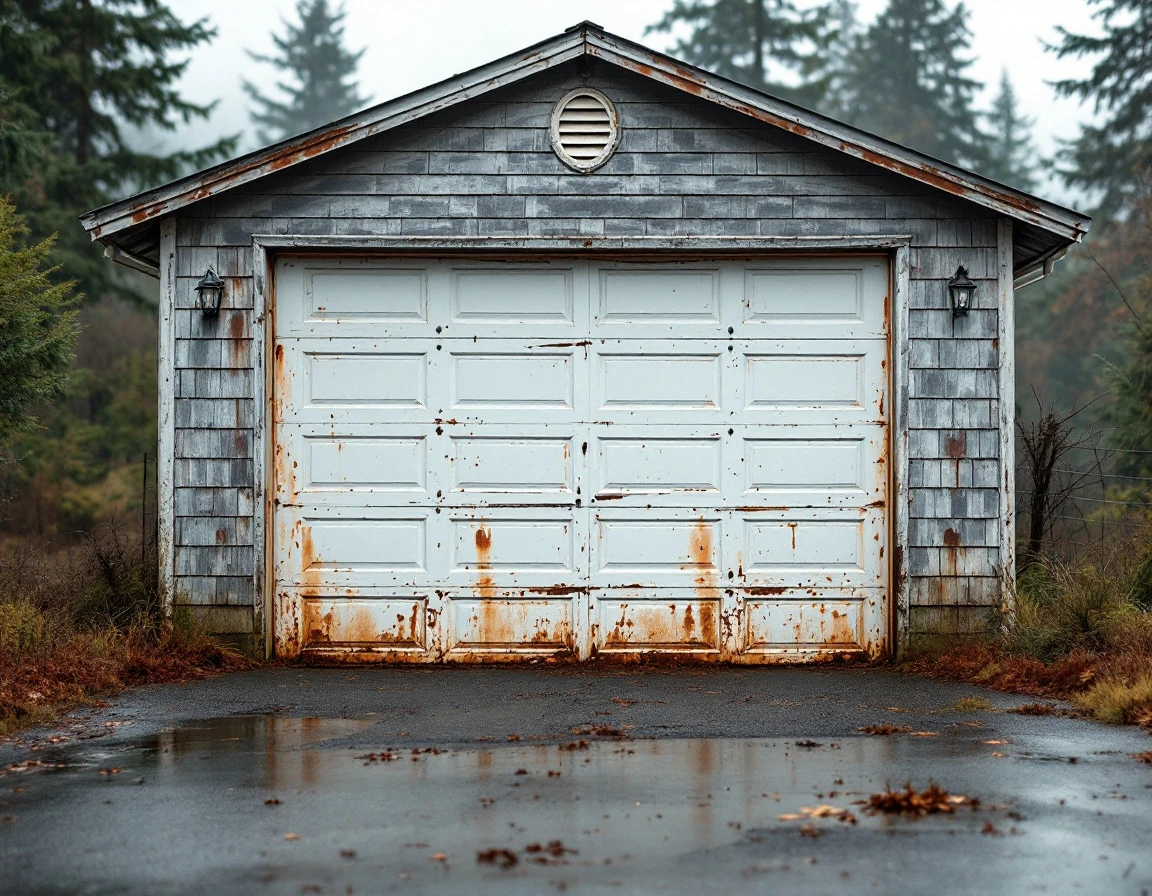
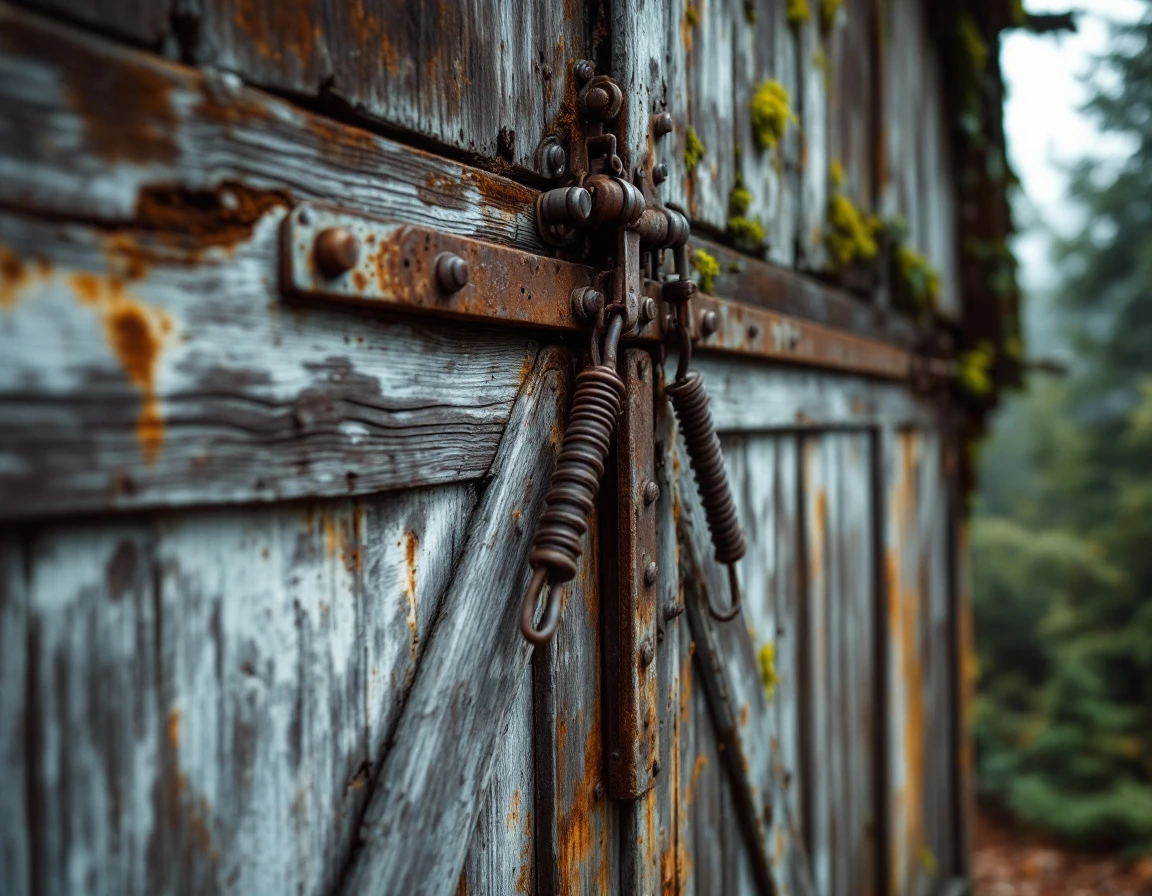
The threat intensifies during wine harvest season from August through October, when humidity levels spike across the valley. Metal garage door hardware, hinges, and tracks develop rust faster during these humid months, especially in structures that lack proper air circulation. Many detached garages built between the 1900s and 1960s were constructed without modern moisture barriers or ventilation systems, making them particularly vulnerable to this seasonal pattern.
Why does this matter for your property value? Rust and wood rot don’t stay static—they compound annually. A small rust spot on a track this year becomes a structural failure next year. Wood framing that shows minor rot now can require complete replacement after one more wet winter. Addressing moisture damage early costs far less than repairing years of accumulated deterioration, and visible rust or rot immediately reduces curb appeal when prospective buyers evaluate your home.
Spring Preparation Before Fog Season
April and May offer a critical maintenance window in Dayton before November’s valley fog arrives. While spring weather feels dry and benign, now is the time to fortify your garage against moisture that will accumulate six months later. Preventive work completed in comfortable conditions stops water before it ever enters your structure.
Start with weatherproofing inspection. Check door bottom seals for cracks or compression damage—replace with bulb-style rubber weatherstripping for detached garages, which creates a tighter threshold seal than brush-style alternatives. Walk your garage’s perimeter examining wood siding for gaps wider than a pencil width. Apply silicone-based exterior caulk to these cracks and around window frames, creating a continuous moisture barrier. Don’t overlook roof inspection: missing shingles or deteriorated flashing allow rainwater penetration that compounds when fog season arrives.
Install or upgrade passive ventilation systems during spring’s moderate temperatures. Soffit vents paired with ridge vents create natural air circulation without powered fans. For standard single-car detached garages, four-inch circular soffit vents spaced every four feet work well with continuous ridge venting. This air movement prevents stagnant moisture pockets where condensation forms during temperature swings.
Test your garage door operation thoroughly. Lubricate hinges, rollers, and tracks with lithium-based grease. A door that doesn’t close completely due to binding hardware leaves gaps where humid air enters nightly during fog season. If your door requires more than moderate effort to operate or shows visible track misalignment, professional adjustment prevents incomplete closure when moisture protection matters most.
Monitoring and Control Systems
Installing a simple hygrometer in your Dayton garage transforms guesswork into actionable data during the November-through-February fog season. These inexpensive digital devices show real-time humidity levels, alerting you when moisture climbs to the point where rust and wood rot accelerate. Place one near the door where cold air infiltrates and another in the back corner where condensation tends to collect.
Passive ventilation relies on well-placed vents and natural airflow—low cost but dependent on good design and favorable wind patterns. Active dehumidification using electric units guarantees moisture control regardless of weather conditions, though initial equipment investment is required for residential models. Run dehumidifiers during peak fog months when valley moisture pressure is highest, typically requiring daily emptying or continuous drainage setup.
Cost-Benefit Comparison
DIY monitoring and basic ventilation: $50-300 for hygrometers, exhaust fans, and passive vents. Best for garages with good structural integrity and minimal existing moisture damage.
Professional humidity assessment and active systems: $200-500 for consultation plus equipment installation. Recommended when visible condensation, musty odors, or previous water damage indicate serious moisture problems.
Think of these systems as your insurance policy during high-risk months. The upfront investment protects against thousands in future repair costs from corroded hinges, rotted framing, and damaged stored items.
Rust and Wood Rot Prevention
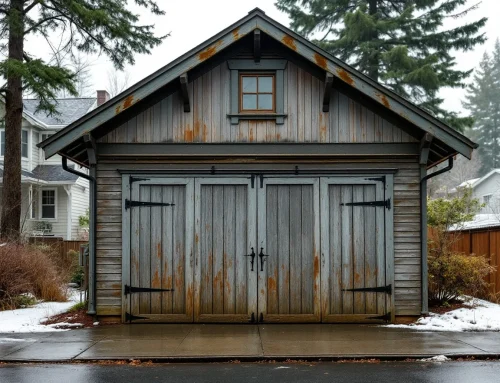
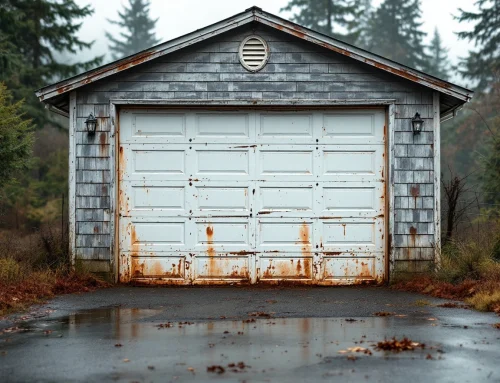
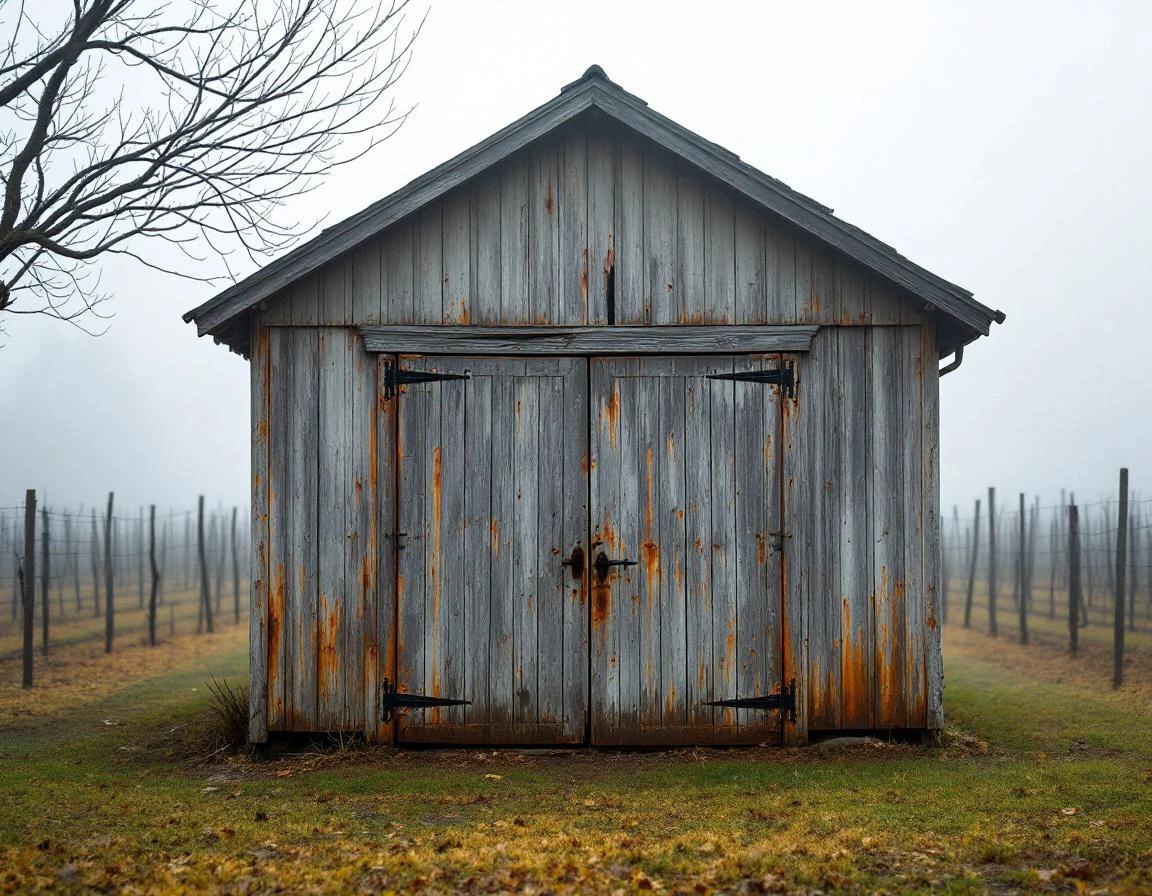
Dayton’s vintage garages face a double threat from wine country garage fog condensation: metal hardware rusts faster in wine country humidity. While wood framing and trim rot from repeated fog exposure. Understanding why condensation forms is the first step in prevention. When November fog rolls through, the temperature differential between cold exterior air and the slightly warmer garage interior causes moisture to condense on metal surfaces and pool in wood joints.
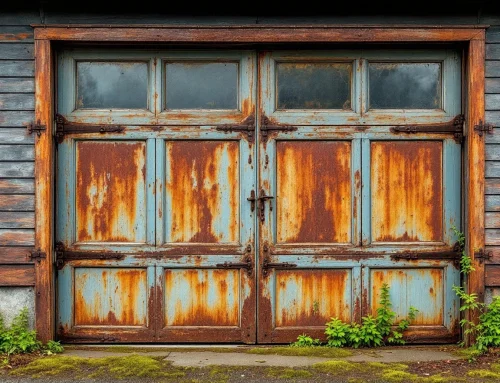
Before the November fog season arrives, apply rust-preventive coatings to all metal surfaces. Marine-grade paste wax ($25-45 at marine supply stores) creates a protective barrier on hinges, tracks, and hardware. For surfaces already showing surface rust, rust converter primers like Corroseal ($35-60 per quart) chemically transform rust into a paintable surface. These products work best when applied in dry September or early October weather for vintage garage rust prevention Oregon wine country properties.
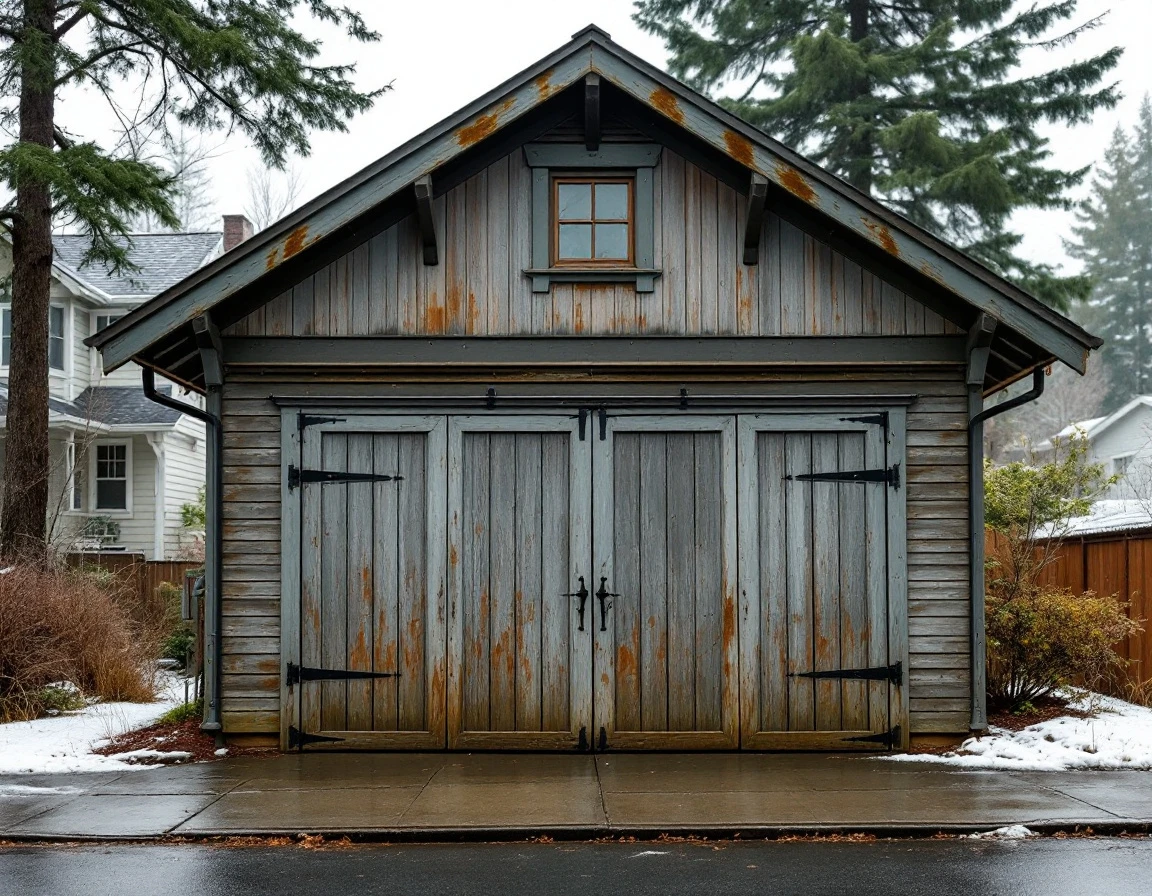
Wood elements require equally proactive treatment. Inspect fascia boards, door frames, and corner joints for early rot signs: soft spots when pressed with a screwdriver, dark discoloration, or wood that crumbles easily. Treat vulnerable wood with penetrating preservative sealants like Timber Pro UV ($85-120 per gallon) or Penofin ($65-95). Focus on areas where moisture concentrates—roof edges, ground-contact sills, and anywhere two surfaces meet. 1900s garage wood rot moisture damage often starts at these connection points where water collects.
Here’s the connection most homeowners miss: proper airflow prevents condensation from forming in the first place. The passive ventilation system you installed in spring doesn’t just move humid air—it equalizes interior and exterior temperatures, eliminating the temperature differential that causes condensation to bead on metal and soak into wood grain. Good ventilation stops rust and rot before they start.
Professional Assessment Triggers
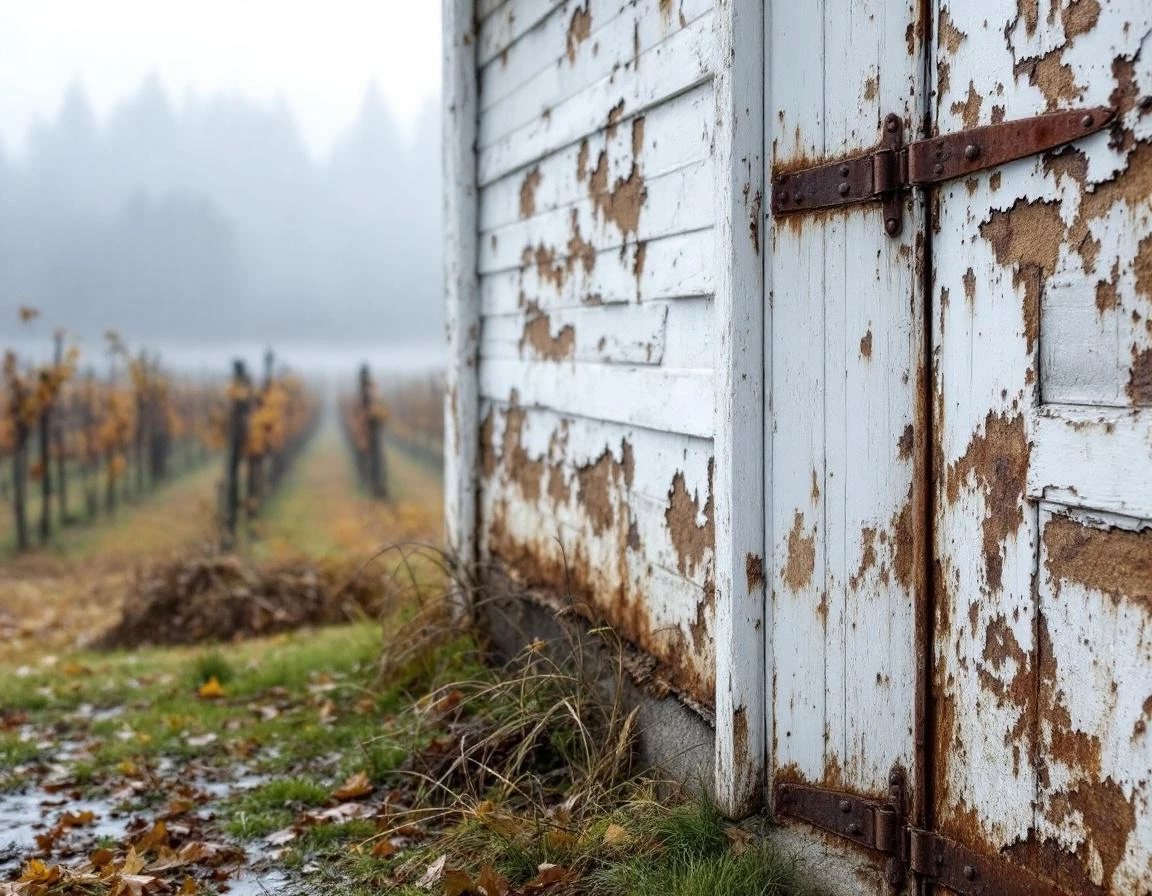
While DIY monitoring and preventive maintenance work well for routine seasonal care, certain warning signs indicate your Dayton garage needs professional evaluation. Visible rust bloom or active corrosion on metal hardware, door tracks, or framing suggests moisture has progressed beyond surface condensation. Similarly, soft wood or mold growth in siding, trim, or foundation areas signals structural risk requiring immediate expert attention.
If your humidity readings consistently stay above 60% despite adequate ventilation. Or if you notice water stains on concrete floors or interior surfaces. A professional garage moisture evaluation can identify hidden infiltration sources. These assessments typically include infrared imaging to detect moisture behind walls, precision moisture meter readings in structural components, and ventilation efficiency testing. Expect to invest $200-500 for this diagnostic service.
Early professional assessment of a deteriorating garage costs far less than emergency repairs after wood rot or rust compromise structural integrity. Catching foundation moisture intrusion before it spreads to framing members can save thousands in reconstruction costs.
Fall Preparation Before Harvest
While you’re reading this in spring, start thinking ahead to late summer. By August, you’ll need to prepare your detached garage humidity control in Dayton for the moisture surge that arrives with harvest season. The combination of vineyard irrigation and cooling temperatures creates humidity spikes before November’s fog settles in.
Your fall checklist should focus on system readiness. Clean gutters and downspouts in August before grape harvest begins—clogged drains direct water toward your foundation just as humidity climbs. September is the time to inspect door seals and weatherstripping while conditions are still dry, making it easier to spot gaps that will leak moisture once fog arrives.
Stock up on dehumidifier supplies and test equipment in October. Replace filters, check drain hoses, and verify your hygrometer batteries work. Having systems ready by early November means you won’t scramble for parts when fog season arrives and every hardware store suddenly has a run on moisture control supplies.
Long-Term Property Value Protection
In Dayton’s wine country real estate market, where curb appeal drives buyer perception, unrepaired moisture damage erodes home value and marketability. Your detached garage isn’t just a functional structure—it’s a visible signal of property maintenance standards. Potential buyers notice rust streaks, peeling paint, and deteriorating wood from the street, raising immediate questions about what else has been neglected.
The financial equation favors prevention. Annual monitoring and maintenance costs far less than the restoration projects that result from deferred problems, which require structural repairs, rot removal, and complete refinishing. Insurance policies often exclude gradual moisture damage, and unrepaired rot becomes a mandatory disclosure liability during sale—complications that preventive action eliminates entirely.
For historic properties, maintaining original detached garages preserves the architectural authenticity that premium wine country neighborhoods value. Period-appropriate structures in good condition enhance overall property appeal and support higher valuation compared to deteriorated outbuildings or modern replacements that clash with original character.
Ready to protect your investment? Contact Garage Harmony today for a professional moisture assessment. Our team evaluates your garage’s specific vulnerabilities and creates a targeted prevention plan for Dayton garage moisture management that safeguards both structure and property value for years ahead.