Spring Moisture Threats in North Plains
If you run a workshop or agricultural building in North Plains, spring moisture can damage your equipment fast. As Tualatin Valley fog lifts and spring rains begin, garages face unique moisture challenges that threaten equipment and structures alike. We’ll show you how to protect what matters.
Tualatin Valley Fog and Rain Create Ideal Conditions for Rust
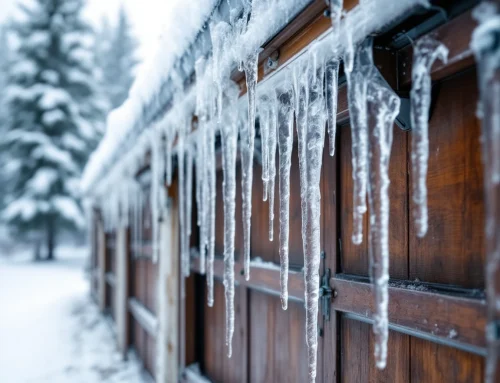
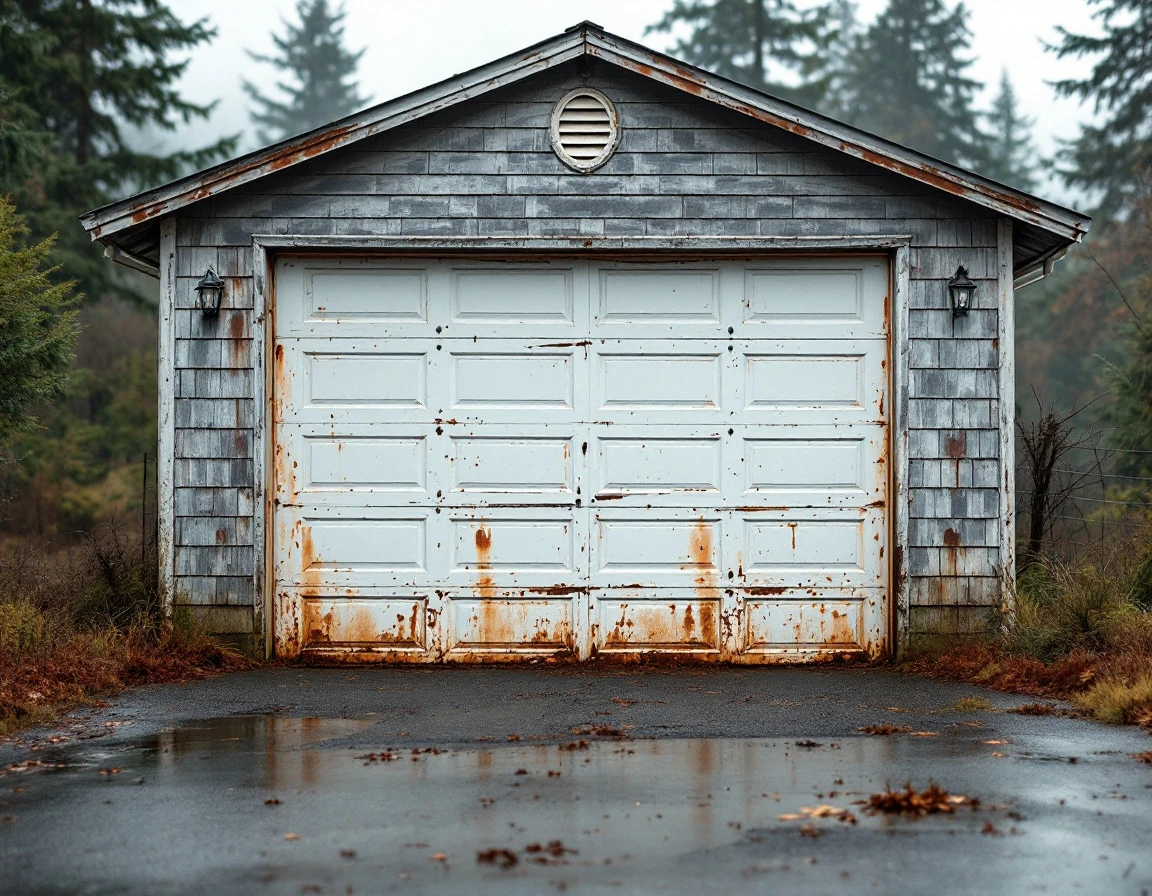
The Tualatin Valley’s dense morning fog and persistent spring rain create perfect conditions for rust and corrosion in detached workshop buildings. Moisture settles overnight. Without protection, rust spreads fast. We’re talking weeks, not months.
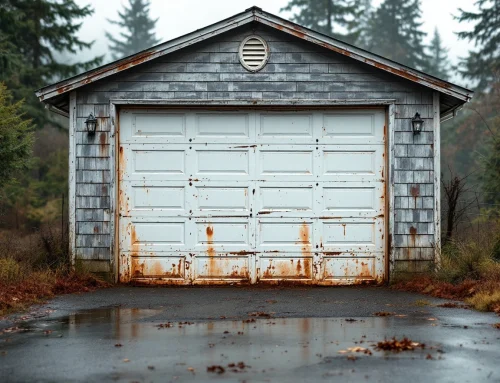
April brings peak moisture levels that accelerate rust formation on metal equipment and structural components. Workshop owners in North Plains often discover rust damage on power tools, workbenches, and garage door hardware after winter’s accumulated moisture takes its toll during spring’s wettest month.
Year-round operating garage doors and equipment
Your workshop door opens every day. Your driveway door sits idle half the year. That constant moisture stress wears agricultural openers out faster than residential ones. Farmers accessing tractors daily and workshop owners opening garage doors multiple times per week expose components to continuous moisture cycles that accelerate deterioration.
Rust developing on metal equipment surfaces and weatherstripping gaps around active garage doors often remain hidden behind normal operation until moisture penetrates deep enough to cause mechanical failure or structural damage requiring repairs costing hundreds or thousands of dollars more than preventive maintenance.
Weatherstripping Storage Buildings
Before April’s rain peaks in the Tualatin Valley, inspect your detached workshop and storage buildings for failing weatherstripping. Walk the perimeter of all exterior doors and look for visible gaps between the door frame and weatherstripping material. Check for water stains on concrete floors near thresholds, mold growth around door frames, or rust patterns on hinges—these signs indicate moisture has been infiltrating your building for weeks or months.
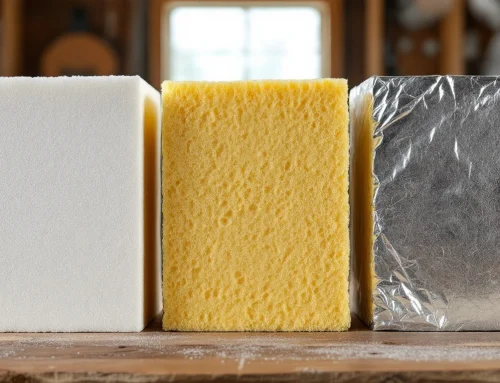
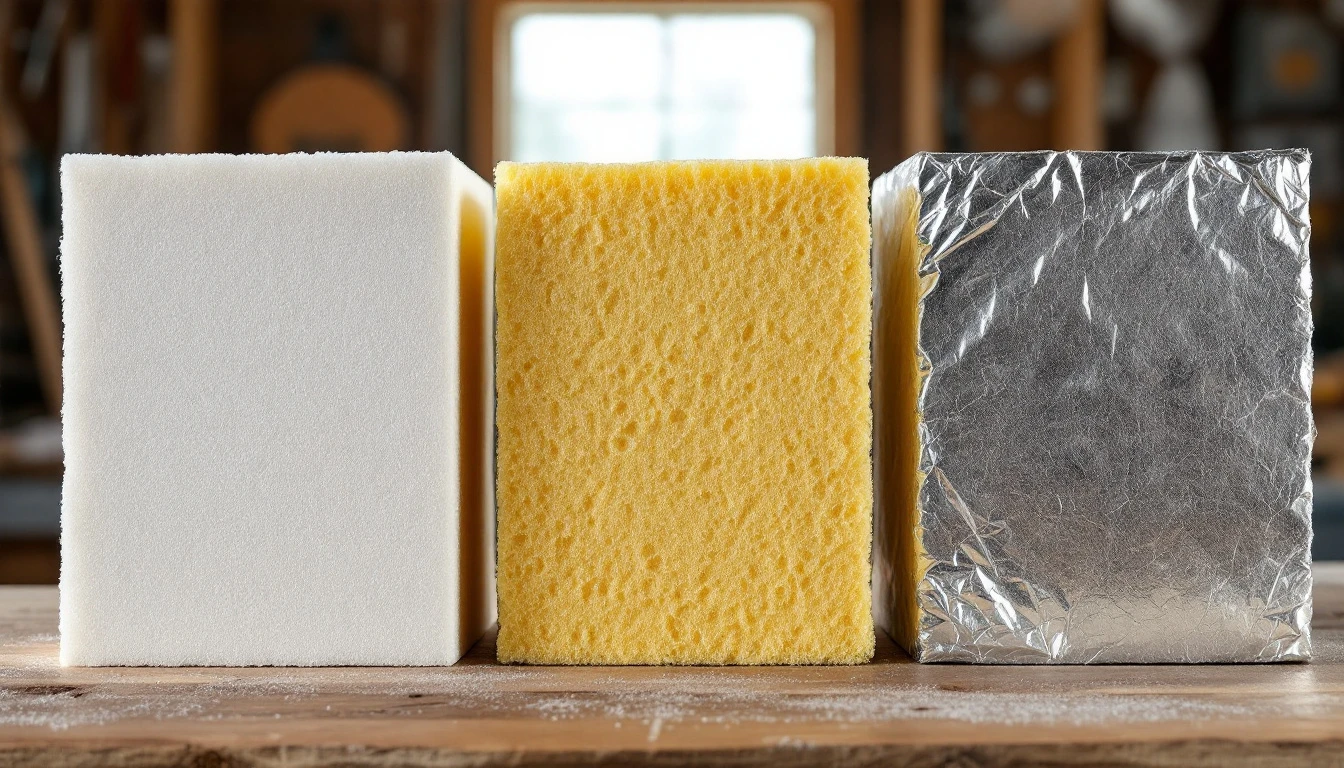
Heavy-duty rubber weatherstripping works better than cheap foam in wet climates. It won’t compress or break down from constant use and moisture. Look for products specifically rated for agricultural buildings or commercial applications—they’re worth the extra cost.
Installation Process for Door Seals
Start with door bottoms, where water intrusion causes the most damage. Remove old weatherstripping completely, scraping away adhesive residue with a putty knife. Clean the surface with rubbing alcohol before installing new seals. For door sweeps, measure the door width precisely and cut the sweep slightly long—you can trim it to perfect fit, but a too-short sweep leaves gaps at the edges.
Move to vertical door frame edges next, pressing adhesive-backed weatherstripping firmly into the channel where the door meets the frame. Work from top to bottom, keeping the material aligned without stretching it. Test door closure after each section to confirm the seal compresses properly without binding the door. If your building has a garage door, review the complete weatherproofing guide to address bottom seals and side weatherstripping for moisture protection.
Cost Analysis
Weatherstripping materials for a typical workshop building vary in cost depending on door quantity and seal quality.
Spending $50 on weatherstripping now beats replacing a $3,000 air compressor later. The math is simple: prevent rust or pay for new equipment.
Preventive weatherstripping protects your tools and equipment from the corrosive effects of moisture and temperature fluctuations, making it a sound maintenance decision.
Rust Prevention on Metal Equipment
Rust doesn’t announce itself with a dramatic failure—it starts as light surface discoloration on tractor components, workshop tool chests, and metal shelving. Catch rust early, and a cheap coating fixes it. Wait too long, and you’re buying new equipment. Here’s how to spot the difference before it’s too late.
How do you tell the difference between surface rust and structural damage? Surface rust appears as reddish-brown discoloration that wipes away partially with a rag. Leaving minor pitting but no flaking metal. Structural corrosion shows deep pitting, flaking layers, and metal that crumbles under pressure. If you can catch equipment during the surface rust stage—common on items stored through April’s moisture peak—a rust converter followed by protective coating restores the metal barrier.
Protective Coating Application Schedule
Apply rust-preventive coatings during the brief dry windows between April rain events, typically mid-morning after fog burns off but before afternoon showers arrive. Products like Rust-Oleum Rust Reformer or POR-15 work well on agricultural equipment exposed to Northwest moisture. Clean the metal surface with a wire brush, apply the rust converter to neutralize existing oxidation, then follow with a topcoat rated for outdoor use once the converter dries.
Cost Reality: Prevention Versus Replacement
A protective coating treatment represents an economical maintenance expense when weighed against the cost of equipment replacement, covering materials and your time for surface prep and application.
What’s the cost of one equipment failure during planting season? Treating your major metal items annually pays for itself if it prevents even a single replacement.
The return on preventive coating investment becomes clear when you avoid the downtime and expense of tracking down replacement equipment during critical operational periods like planting season.

Year-Round Garage Door Opener Maintenance
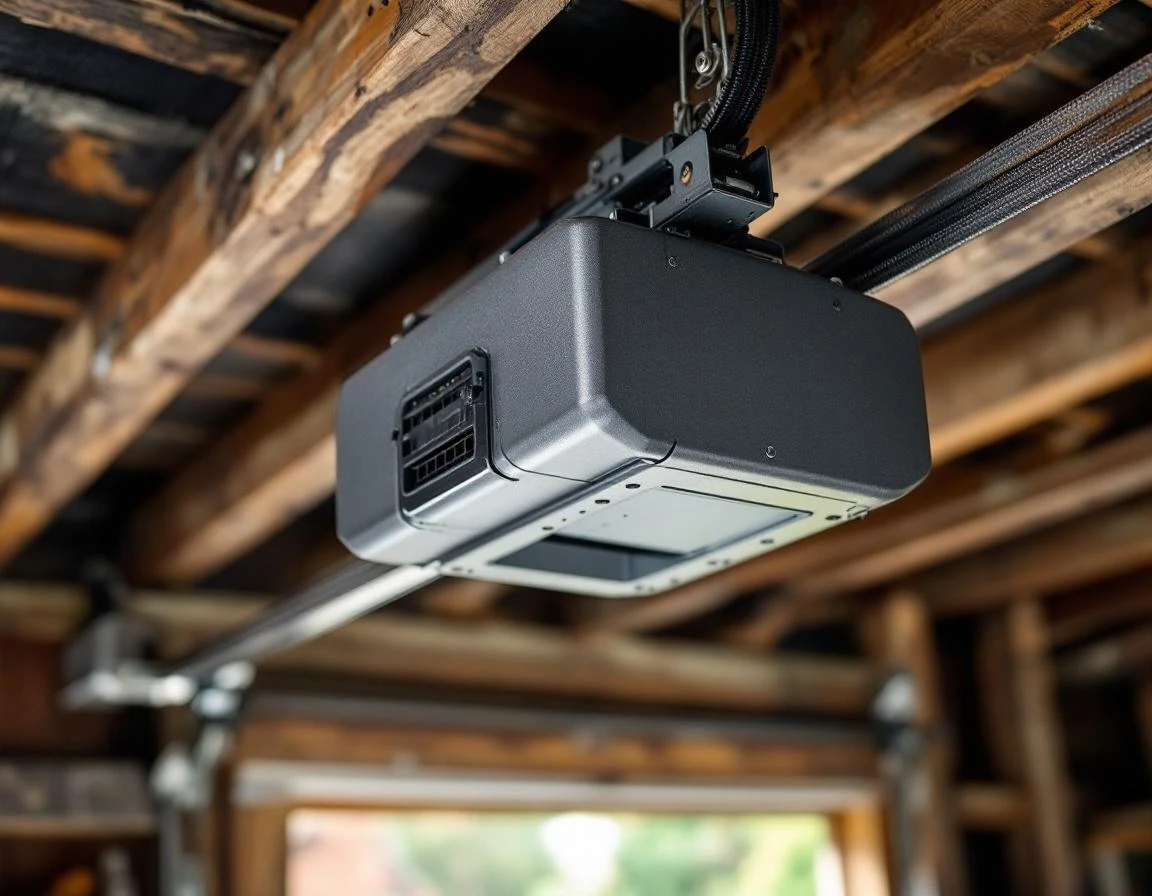
Are you treating your garage door opener like seasonal equipment when it actually runs year-round? Agricultural buildings and workshops in North Plains operate differently than residential garages—they run year-round without seasonal breaks. That continuous use exposes garage door openers to months of uninterrupted moisture stress. While residential openers might cycle ten times daily during winter and sit idle in dry summer months, agricultural openers run through Tualatin Valley fog from October through May with no recovery period. This relentless exposure corrodes electrical connections inside motor housings, creates rust on drive chains and sprockets, and causes motor strain as components work harder against corrosion-induced friction. Proper garage door opener maintenance and moisture protection strategies prevent mid-season failures that disrupt farm operations.
Moisture infiltrates opener housings through ventilation slots and electrical conduit openings, condensing on circuit boards and terminal connections. In unheated workshops, temperature swings between cold nights and mild afternoons accelerate condensation formation. Metal drive chains collect moisture droplets during foggy mornings, and without proper lubrication, surface rust forms within days. Once rust begins, it spreads across chain links and drive sprockets, creating grinding resistance that forces motors to work harder with every cycle.
April Maintenance Checklist for Agricultural Openers
April’s the danger month for garage door openers. Here’s what you need to check before moisture damage shuts down your workshop:
- Apply white lithium grease to drive chain or screw drive mechanisms—this moisture-resistant lubricant creates a protective barrier against rust better than standard oils
- Clean safety sensor lenses with a dry microfiber cloth to remove fog-deposited mineral residue that triggers false obstruction signals
- Test battery backup systems by unplugging the opener and cycling it three times—batteries degrade faster in cold, damp conditions and fail when you need emergency operation during power outages
- Visually inspect the motor housing for corrosion spots, particularly around mounting brackets and electrical entry points
- Check for grinding or clicking sounds during operation. Inconsistent cycling speeds, or visible rust on exposed metal components
These warning signs indicate moisture damage requiring professional attention before complete opener failure leaves your workshop inaccessible. Our garage door opener maintenance guide provides seasonal timing recommendations for agricultural applications, helping you schedule professional inspections during dry weather windows when technicians can properly assess and repair moisture-related damage.
April Moisture Prevention Timeline
Breaking your moisture-control work into phases helps North Plains property owners tackle each strategy during the right weather window. Start in early March with inspection and material sourcing, move through late March preparation work, execute installations during April’s dry periods, and verify systems before heavy rains arrive.
Early March: Inspection and Material Sourcing (Weeks 1-2)
Walk through all detached buildings and agricultural structures on your property, noting weatherstripping gaps, metal equipment showing surface rust, and garage door opener performance issues. Prioritize structures most exposed to fog—workshops facing west or north typically face heavier moisture loads. Create a prioritized checklist that puts fog-exposed detached buildings first, then attached garages with year-round use.
Order agricultural-grade weatherstripping, rust-preventive coatings, and specialized lubricants during this window. Washington County suppliers can take 1-2 weeks for delivery during spring rush, so early ordering prevents delays when April’s dry windows arrive.
Late March Through Mid-April: Phased Installation (Weeks 3-7)
Watch the weather forecast for two dry days in a row—that’s your window to install weatherstripping and apply coatings. Apply weatherstripping during breaks in rain when surfaces are dry. Reserve coating work for consecutive dry days when temperatures reach 50°F or higher.
Here’s your decision tree for when to call professionals:
- If weatherstripping shows minor surface damage around door perimeters, DIY installation works well
- If you discover structural mold around frame corners, water staining on interior walls, or advanced rust penetrating metal surfaces rather than surface oxidation, reach out to Garage Harmony today for professional assessment
- For garage door openers showing moisture corrosion on chain drives. Unusual grinding sounds, or inconsistent operation during your April maintenance inspection, professional opener service prevents mid-season failures
- See mold, water stains, or deep rust? Don’t wait—reach out to Garage Harmony today. We’ll assess the damage and get you protected before April rains hit hard
Once April rains ease up, do a final walk-through. Make sure your seals are still tight, coatings are holding up, and your door opener isn’t grinding or struggling.