

Freeze-Thaw Cycles and Garage Door Springs Hillsboro Winter Damage
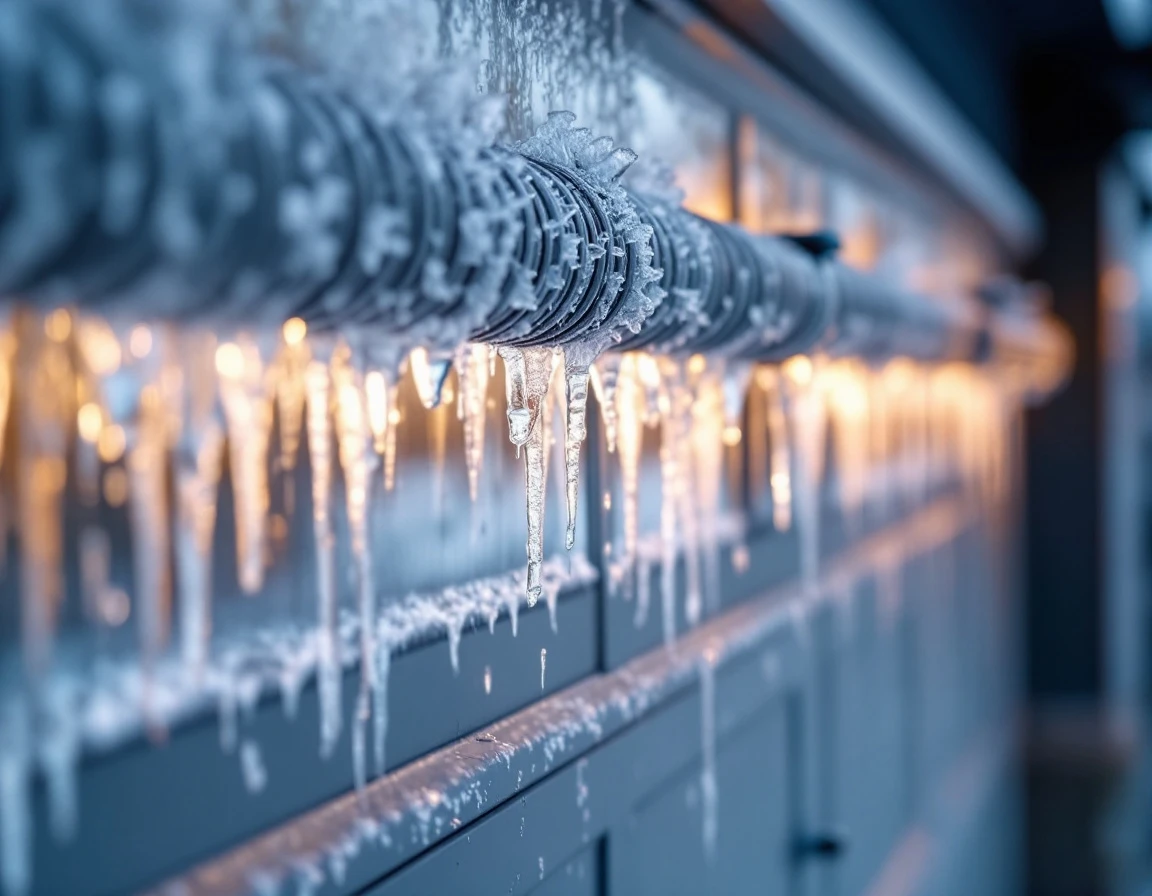
Hillsboro’s cool, wet winters create a perfect storm for garage door spring damage. Unlike the dry cold found in many parts of the country, the Tualatin Valley experiences repeated freeze-thaw cycles that attack metal components at the molecular level. When temperatures drop below freezing overnight—common in areas like Orenco Station and Tanasbourne from November through March—the steel in your garage door springs contracts. As the day warms, the metal expands again. This constant contraction and expansion creates microscopic stress fractures that weaken the spring’s structure over time. Understanding how freeze thaw cycles garage door springs Tualatin Valley are affected helps homeowners protect their investment before winter arrives.
What makes the Pacific Northwest climate particularly destructive is the moisture. Dense fog rolls through the valley floor during winter months, coating metal surfaces with condensation. When this moisture freezes, it penetrates into those tiny stress fractures. As ice expands, it widens the cracks further. The cycle repeats dozens of times each winter, accelerating the deterioration process far faster than in drier regions.
Add rust to the equation, and the problem compounds. Moisture trapped in the coils promotes corrosion, eating away at the spring’s structural integrity. By the time a homeowner notices sluggish door operation or hears grinding sounds, the spring has already lost much of its strength. That’s why proactive inspection before winter arrives matters so much—catching wear early prevents emergency failures during the coldest months.
Spring Failure Timeline
In the Tualatin Valley, garage door springs fail five to ten years faster than in dry climates. What causes a spring in Arizona to last fifteen years might only survive eight to ten winters in Hillsboro. The constant expansion and contraction from freeze-thaw cycles creates microscopic stress cracks that grow larger each season.
Here’s the danger: those tiny cracks become catastrophic failures when temperatures drop below freezing. Cold metal becomes brittle, and springs that handled normal loads all summer suddenly snap under identical conditions. Ice buildup on garage doors adds extra weight, forcing already-weakened springs to work harder during the worst possible conditions.
Corrosion weakens springs invisibly. A spring can look perfectly normal from the outside while rust eats away at its core structure. Most failures occur without warning—homeowners wake up to find their garage door won’t open, often on the coldest morning of the year when they need their vehicle most.
This accelerated timeline means Tualatin Valley homeowners need to inspect springs more frequently than manufacturers recommend for moderate climates. What worked for previous homes in drier regions won’t protect your investment here.
Three-Step Spring Inspection
Before winter arrives in the Tualatin Valley, take twenty minutes to perform this three-step inspection. These simple checks can reveal spring problems before they strand you in your driveway during an ice storm.
- Step 1: Visual Inspection – Examine both springs closely for rust spots, hairline cracks near the coils, or color changes. In Hillsboro’s wet climate, rust often appears as orange-brown spots where the protective coating has worn through. Look for gaps between coils or areas where the spring appears stretched. Dark streaks or color changes indicate metal fatigue from repeated freeze-thaw expansion.
- Step 2: Listen During Operation – Open and close your door three times while listening carefully. Grinding sounds indicate worn bearings or friction from corrosion. Squeaking suggests inadequate lubrication or surface rust. Creaking or popping noises signal internal stress cracks. Healthy springs operate with only a smooth mechanical hum.
- Step 3: Balance Test – Disconnect your opener and manually lift the door to hip height—roughly halfway up. Release it gently. A properly balanced door stays level within six inches of where you released it. If the door drops or rises, the springs have lost tension and need professional replacement before winter.
Finding any rust, hearing unusual sounds, or failing the balance test means scheduling service now. Waiting until November when fog and ice accelerate deterioration risks emergency failure when you need your garage most.
Visual Inspection Indicators
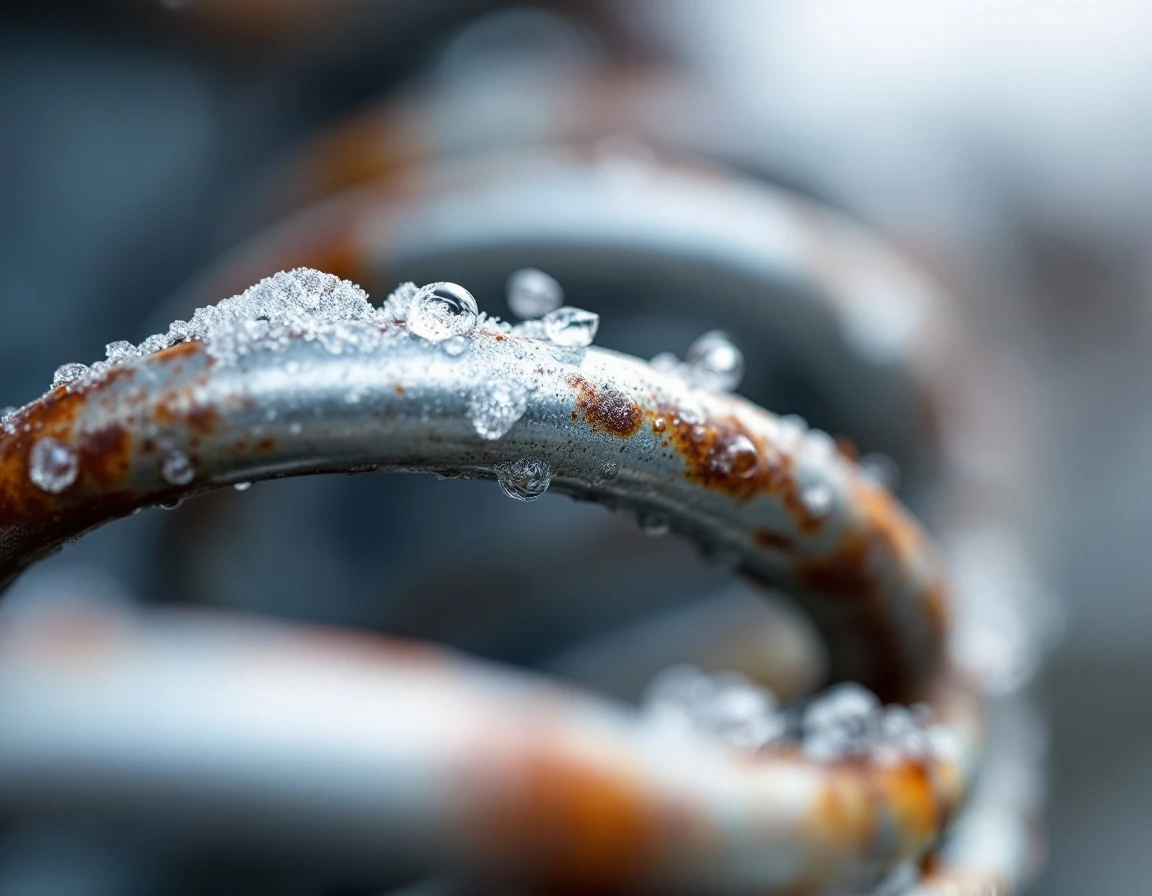
When you examine your garage door springs this summer, start with the metal surface itself. Surface rust or discoloration means moisture has penetrated the spring coating. And corrosion is now actively weakening the metal beneath. These rust spots aren’t cosmetic issues—they signal that the protective layer has failed and the spring’s structural integrity is compromising.
Look closely at the coils for hairline cracks, particularly near the ends where stress concentrates. Hairline cracks near coils indicate metal fatigue from freeze-thaw stress. Marking spots where the metal has flexed too many times under Hillsboro’s winter conditions. These micro-fractures will expand during the next cold season.
Compare both springs side-by-side. Uneven spring color suggests one spring is older or more corroded than the other. Which creates imbalanced door operation. If one spring shows advanced rust or cracking, replace both together—springs work as a matched pair, and mismatched wear compromises safe operation.
Balance and Operation Tests
Once you’ve completed your visual inspection, perform a simple balance test to assess spring tension. Open your garage door halfway and carefully let go—if it remains level without drifting, your springs maintain proper tension. A door that drifts downward indicates weakening springs. While one that rises suggests over-tightened components.
Listen carefully during several opening and closing cycles. Grinding sounds point to internal corrosion often hidden beneath surface coatings, while creaking noises indicate insufficient lubrication or metal stress from repeated freeze-thaw expansion. Both warrant attention before winter arrives.
Watch for hesitation or jerky motion as the door travels—this signals uneven spring tension between paired springs. If you discover broken coils, severe rust, or violent jerking during testing, stop immediately and contact a professional. These conditions can cause sudden failure during operation, creating safety hazards for your family.
Garage Door Spring Replacement Hillsboro Before Winter
Hillsboro homeowners should plan spring replacement for late August through September, before winter stress begins. The Tualatin Valley’s freeze-thaw season typically starts in October or November, making summer and early fall the ideal window for proactive replacement. Scheduling before winter arrives prevents failures during ice storms and dense fog periods when emergency services are most difficult to arrange.
Professional replacement typically costs $300 to $600 per spring pair. Depending on your door’s weight and size. Larger three-car garage doors in Orenco Station and Tanasbourne neighborhoods require heavier-duty springs at the upper end of this range. Emergency repair after a failure costs two to three times more due to same-day service premiums and parts markup.
Replacing both springs together prevents future imbalance and eliminates the need for follow-up inspections when the second spring fails weeks later. Proactive replacement saves fifty to sixty percent compared to emergency services, making it a smart investment in preventing winter outages and safety hazards.
Contact us today to schedule your pre-winter spring replacement!
Next Steps for Hillsboro Homeowners
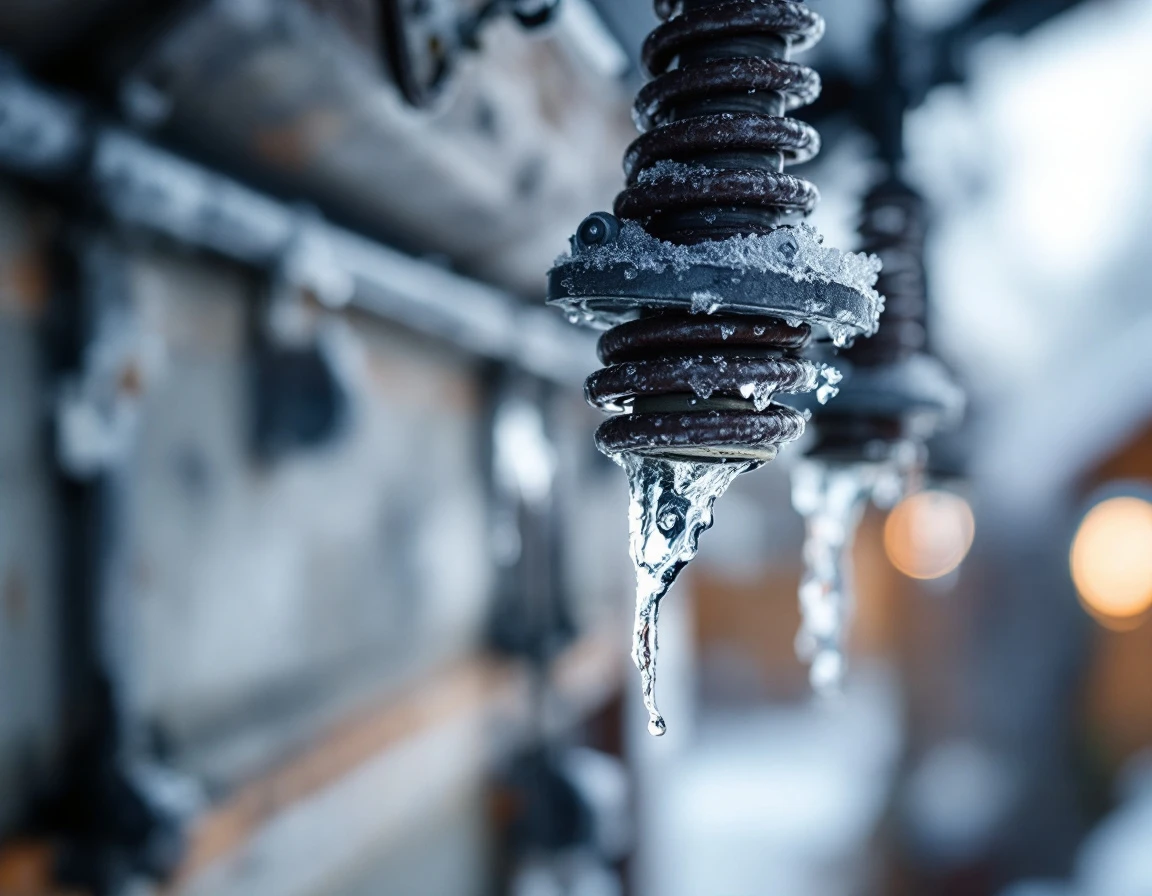
If your inspection revealed rust, cracks, or balance problems, schedule a professional evaluation now while service calendars have openings. Contact a local Hillsboro or Tualatin Valley service provider before August to secure a fall appointment—scheduling gets tighter as homeowners prepare for winter.
What’s the ideal timeline? Complete your three-step inspection this month (June 2026), arrange professional assessment by July if needed, and complete replacement by September before freeze-thaw cycles begin. This proactive approach protects both your garage door system and your winter peace of mind.
Budget planning matters too. If you’re replacing springs in June through August, you’ll avoid emergency repairs that cost two to three times standard pricing. Contact Garage Harmony today to schedule an appointment with our team.

Leave A Comment