Why Central Oregon Seasonal Homes Need Pre-Fall Maintenance: Seasonal Home Garage Door Maintenance Bend
If you own a vacation home in Bend or Sunriver, you already know Central Oregon’s winters don’t mess around. When your property sits vacant for four to six months, heavy snow loads pile up on garage doors, freeze-thaw cycles warp metal components, and temperature swings from single digits to occasional warm spells stress every moving part. Proper seasonal home garage door maintenance in Bend and throughout Central Oregon keeps your garage door standing up to the harshest weather. Garage doors left unattended through this weather cycle age faster than doors in year-round use.
Many seasonal homeowners who close up their properties in October discover an unpleasant surprise when they return in April: springs snapped during a February cold snap, rust eating through bottom panels where snow melt pooled, or motors that won’t start after months of inactivity. What could have been caught during a pre-winter inspection becomes an expensive emergency repair—or worse, a complete door replacement.
Here’s the problem with waiting until spring: when damage happens mid-winter and you’re not there to catch it, you can’t respond. A broken garage door on a vacant property means delayed access, potential security issues, and limited contractor availability during peak season. August and September maintenance windows give you the chance to address weak springs, lubricate frozen parts, and test door balance before winter weather arrives.
Preventive work now costs a fraction of what you’ll pay for emergency service calls or major component replacement after winter damage sets in.
Five Essential Pre-Closure Maintenance Tasks
Before you lock up your Bend or Sunriver property for the season, complete these five non-negotiable tasks. Each one addresses a specific failure point that Central Oregon’s freeze-thaw cycles and heavy snow loads will exploit during your absence.
- Lubricate all moving parts with silicone-based lubricant to protect against moisture intrusion and freeze-up
- Inspect and replace weatherstripping to prevent moisture and freezing air from reaching opener electronics and springs
- Test spring balance by manually lifting the door halfway to catch pre-failure conditions
- Check track alignment for plumb mounting to prevent binding under snow load
- Replace remote batteries with fresh ones to keep access when you return in spring
1. Lubricate All Moving Parts
Apply silicone-based lubricant to rollers, hinges, springs, and bearings. Central Oregon’s temperature swings from below zero to above freezing create condensation that leads to rust and freeze-up. Proper lubrication forms a protective barrier against moisture intrusion and prevents metal components from seizing during months of inactivity.
2. Inspect and Replace Weatherstripping
Check bottom seals and side weatherstripping for cracks, gaps, or brittleness. Damaged weatherstripping allows moisture and freezing air to reach your opener electronics and springs. Even small gaps let precipitation enter, where it freezes and expands, damaging internal components while you’re away.
3. Test Spring Balance
Disconnect the opener and manually lift the door halfway. It should stay in place without drifting up or down. Imbalanced springs indicate pre-failure conditions that will worsen under the stress of contraction in sub-zero temperatures. Catching this now prevents a broken spring from leaving your door inoperable when you return in spring.
4. Check Track Alignment
Examine tracks for plumb alignment and secure mounting. Bent or misaligned tracks cause binding, which becomes worse when snow accumulation creates lateral pressure on the door. Tracks that look fine now can fail under snow load if they start the season even slightly off-center.
5. Replace Remote Batteries
Install fresh batteries in all remotes and keypads now. Batteries lose charge during cold storage, and dead batteries mean you can’t open the door when you arrive back at the property. This simple task prevents the frustration of manual operation or emergency service calls during your first visit back.
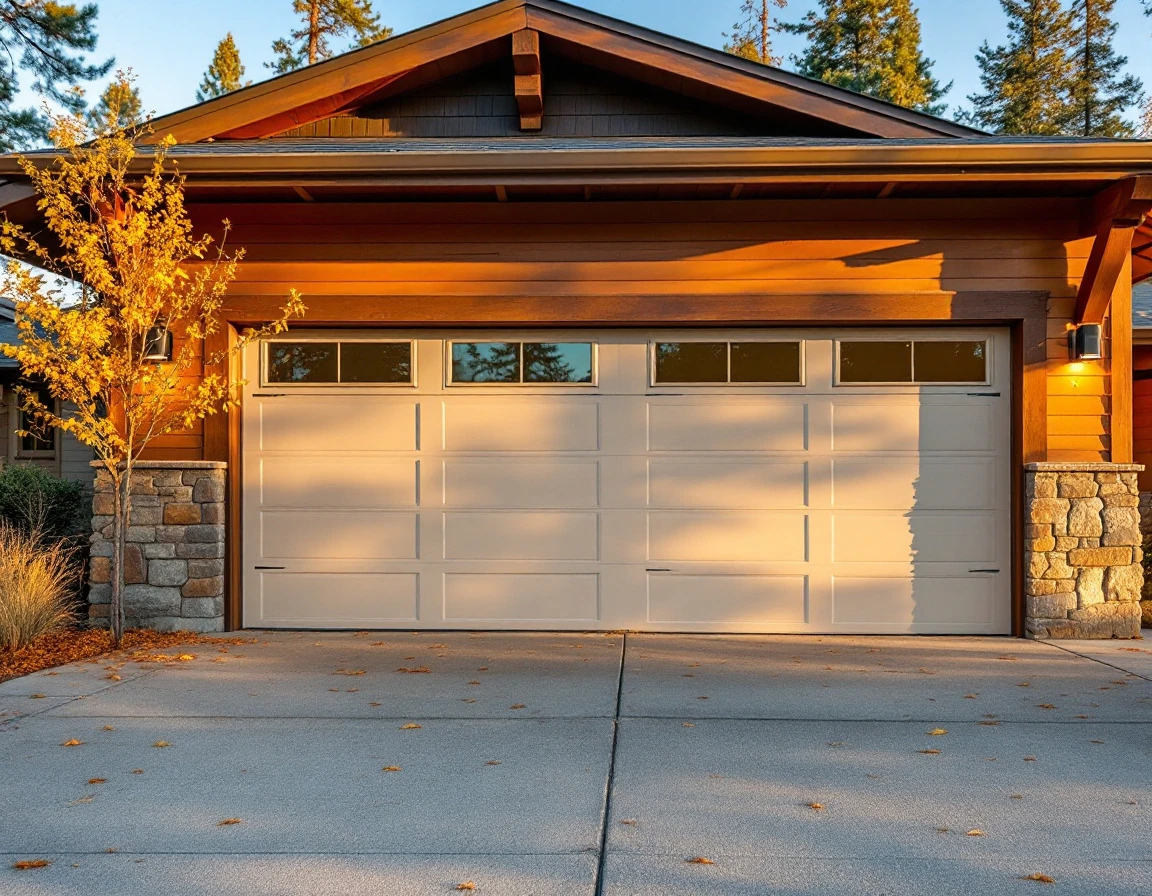
Lubrication for Extended Winter Storage
Central Oregon’s freeze-thaw cycles pose a unique threat to garage doors sitting dormant through winter. When overnight temperatures plunge below zero and daytime sun brings a thaw, condensation forms on bare metal surfaces—creating the perfect conditions for rust and corrosion. For a door that won’t move for months, this moisture becomes a silent destroyer.
Skip the WD-40 for seasonal storage. While it works well for quick fixes, silicone-based lubricant outperforms it for long dormancy by staying on surfaces and creating a protective seal against moisture intrusion.
Target your application to the parts most vulnerable during static periods: springs, hinges, rollers, and track contact points. Springs seize up first when moisture penetrates their coils during freeze-thaw cycles. Hinges and rollers lock in place after months of immobility, and track points develop rust spots where condensation pools.
Timing matters more than you might think. Apply lubricant in late August so it fully cures and bonds to metal surfaces before September’s first freeze arrives. This curing period allows the silicone to form its protective coating—your door’s defense against winter weather damage while you’re away.
Weatherstripping and Seal Inspection
Weatherstripping failure is one of the most dangerous risks for seasonal garage door care in Sunriver and Bend. Why? Because the cascade starts small but ends expensive: cracked weatherstripping allows moisture to reach springs and cables, rust develops over winter, and by the time you return in spring, the opener motor has failed. No one is there to notice the problem, so damage compounds month after month.
Walk around your garage door and examine the rubber seals along the bottom and sides. Look for gaps where the seal has separated from the door frame, hardened rubber that no longer flexes, or visible cracks. Sunriver’s high altitude brings intense UV exposure that accelerates rubber breakdown—even if you serviced the door just twelve months ago, the seals may already be failing.
If you spot any degradation, replace the weatherstripping now. A new seal costs between $50 and $150, depending on door size. Compare that to a $1,500 emergency opener replacement in December when your home is closed and contractors charge premium rates for urgent winter service.
Warning Signs You Need Professional Service
Even with diligent DIY maintenance, some problems require professional diagnosis before you close up for the season. Does your garage door hesitate when opening, or does it rise unevenly on one side? These symptoms point to spring balance issues or cable wear that will worsen during winter garage door maintenance in Central Oregon’s freeze-thaw cycle.
Watch for grinding or clicking sounds during operation—these often signal the early stages of spring failure. Slow response time or delayed opening indicates opener aging or spring weakness. Visible rust stains on springs or tracks, along with any corrosion on hardware, reveal moisture infiltration that accelerates when the property sits vacant. Cable fraying is another critical red flag that demands immediate attention.
Here’s the reality: problems you notice in August will become emergencies by spring. That grinding sound? It turns into a snapped spring mid-winter. That slight hesitation? It becomes a failed opener when you need access most. Scheduling a technician in late August or early September is easy and affordable, with same-week availability typical in Bend and Sunriver during the shoulder season.
A professional pre-closure inspection catches issues that even careful homeowners miss. This inspection serves as your final checkpoint before closure, identifying worn springs, misaligned tracks, or failing opener components that would otherwise strand you with expensive emergency service calls when the property is vacant and local contractors are booked solid with winter damage repairs.
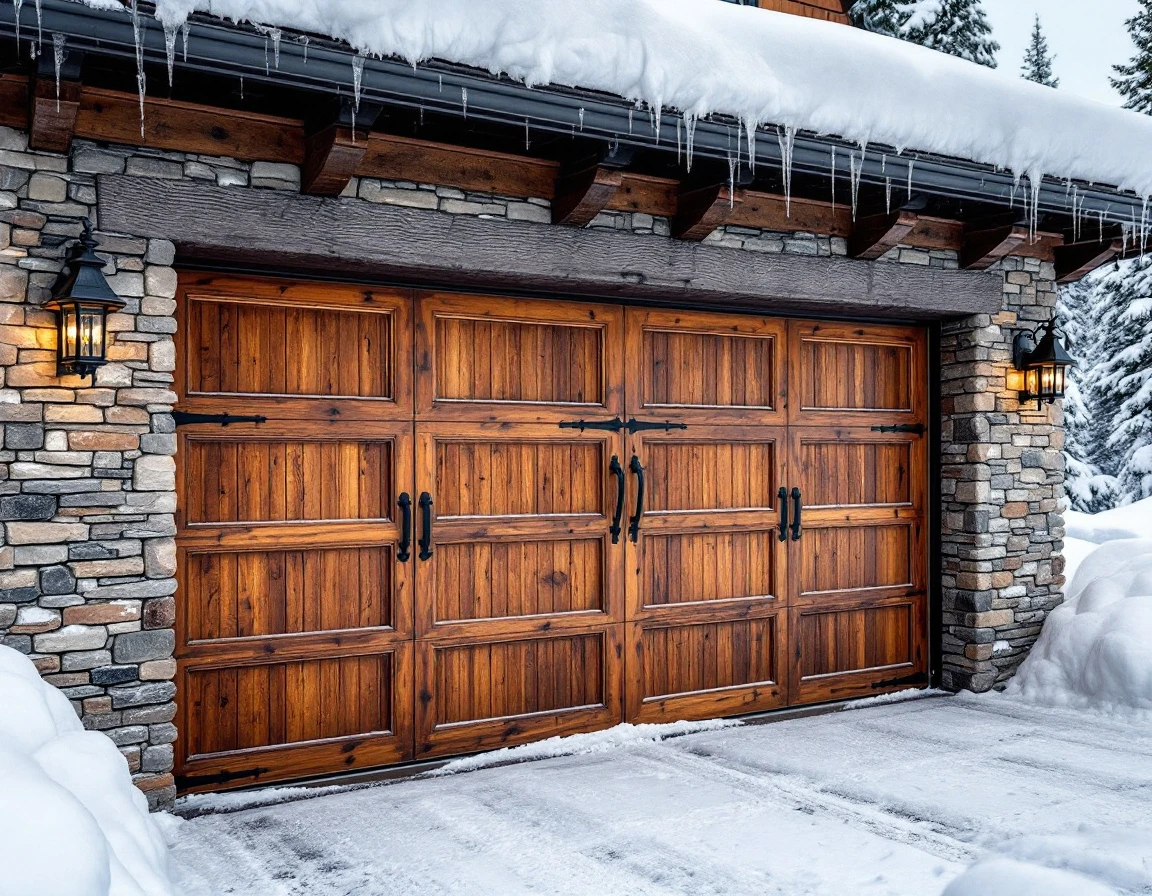
Timing Your Maintenance Before You Close Up
Don’t wait until the last minute to tackle your garage door maintenance. Central Oregon’s first hard freeze typically arrives in mid-to-late September, and you need to complete all vacation home garage door tips and winterization tasks before that first frost sets in. If you’re closing your seasonal home on September 1, finish your garage door work by mid-August—giving you a two-to-three-week buffer before you lock the door for winter.
Create a simple checklist tied directly to your seasonal closure calendar. List each maintenance task—lubrication, weatherstripping inspection, spring balance test, track alignment check, and remote battery replacement—and assign each a completion date at least two weeks before your departure. This approach transforms an overwhelming project into manageable daily or weekend tasks.
Save your receipts and take photos documenting the work you complete. Snap a picture of your new weatherstripping, your lubricated springs, and your freshly replaced remote batteries. When you return next spring, these records help you assess whether any seasonal damage occurred during dormancy and track your door’s condition year to year.
Here’s the bottom line: homeowners who maintain now return to a secure, functioning garage when spring arrives. Those who skip maintenance often face expensive emergency repairs—or worse, discover damage only after arriving to find a door that won’t open. Seasonal changes affect garage doors in different ways. And proper maintenance for different seasons is vital to protect your investment. For vacation property owners specifically, consider specialized vacation home maintenance plans that include pre-season inspections. Spending a few hours and modest dollars this August protects your investment all winter long.