

Historic Garage Rust Longview Challenge
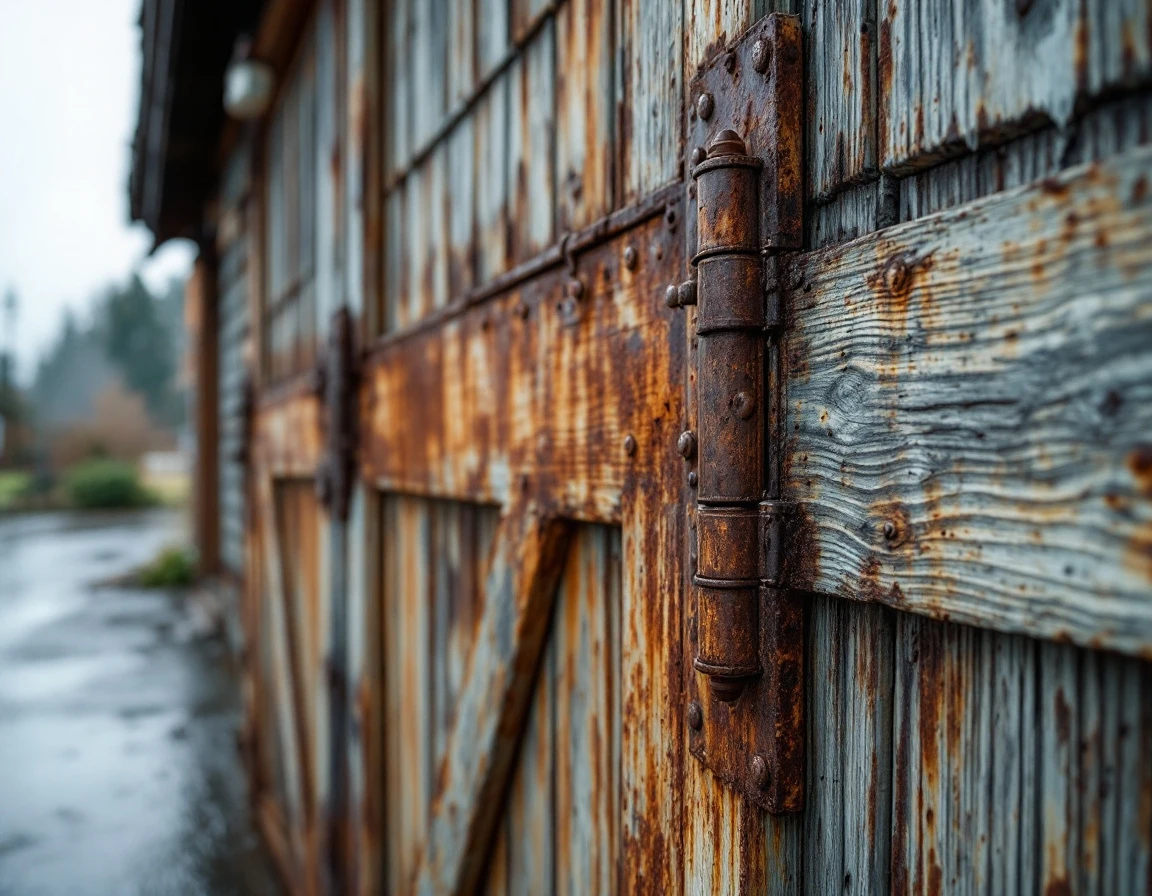
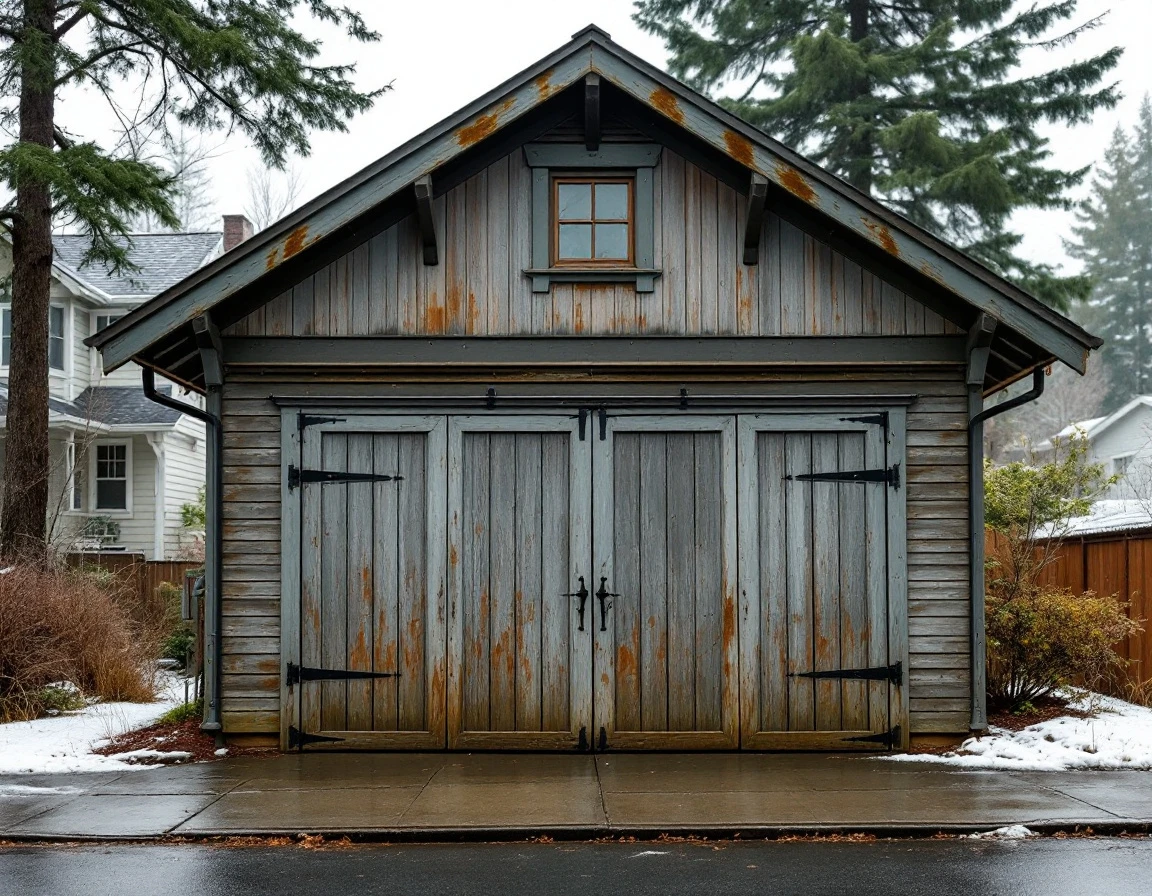
Longview’s historic Long-Bell garages face constant moisture exposure from the region’s 40-50 inches of annual rainfall, making rust prevention essential for structural preservation. This historic garage rust problem in Longview stems directly from the Pacific Northwest’s relentless wet climate, where original 1920s-era construction methods leave metal components vulnerable to corrosion.
Longview’s 40-50 Inches Annual Rainfall
Longview receives 40-50 inches of rainfall annually. Creating a persistent moisture environment that challenges garage structures throughout the year. This steady Pacific Northwest precipitation seeps into unprotected metal components, accelerating oxidation and weakening structural integrity over time.
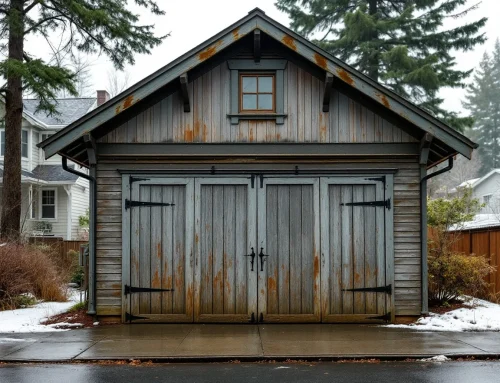
The original detached single-car garages built during the 1920s-1930s for Long-Bell Lumber Company workers face particular vulnerability. These historic structures often feature exposed steel hardware, uncoated hinges, and minimal moisture barriers—design elements that made sense during construction but leave them exposed to corrosion in today’s wet climate.
Long-Bell Lumber Company Architectural Heritage
Longview’s historic garages, built alongside the planned company town in the 1920s, represent an irreplaceable link to the region’s timber industry roots. These structures demand preservation-focused maintenance rather than generic repair approaches. Their original construction methods and materials require specialized attention to maintain both structural integrity and historical authenticity.
Spring offers the ideal maintenance window for historic home garage corrosion prevention in this region. Acting before summer’s persistent moisture takes hold allows homeowners to address vulnerabilities exposed during winter’s heavy rainfall.
This proactive timing prevents minor issues from escalating into major preservation challenges that compromise both function and historical character.
Spring Replacement Strategy
May presents the ideal window for garage door spring replacement in Longview, right before the brief summer dry period. During this transitional month, temperature swings between cool mornings and warmer afternoons create condensation cycles that accelerate spring corrosion. Water droplets form on metal coils, penetrate protective coatings, and trigger rust that weakens the spring’s structural integrity.
Historic Long-Bell garages featured heavy-duty spring systems engineered specifically for the Pacific Northwest’s humidity. These original springs used thicker wire gauges and tighter coil spacing to withstand moisture exposure. When examining your garage door springs, look for telltale signs of age:
- Uniform oxidation patterns across all coils suggest original installation
- Mismatched finishes or varying wire thicknesses indicate previous replacements
Why does May timing matter so much? Replacing springs before the rainy season returns in October prevents emergency failures during storms when service calls spike and availability drops. A spring that shows surface rust in May will likely fail completely by November after months of repeated wet-dry cycles. This proactive approach saves money and protects your historic structure from the collateral damage of sudden door failures.
Should you call a professional for spring replacement? Always. Historic Long-Bell doors require springs matched to original specifications—the wrong spring tension can damage wooden frames or cause the door to bind in its tracks. At Garage Harmony, our team evaluates spring profiles to determine whether period-appropriate replacements exist or if custom fabrication serves your preservation goals better.
Weatherstripping Moisture Control
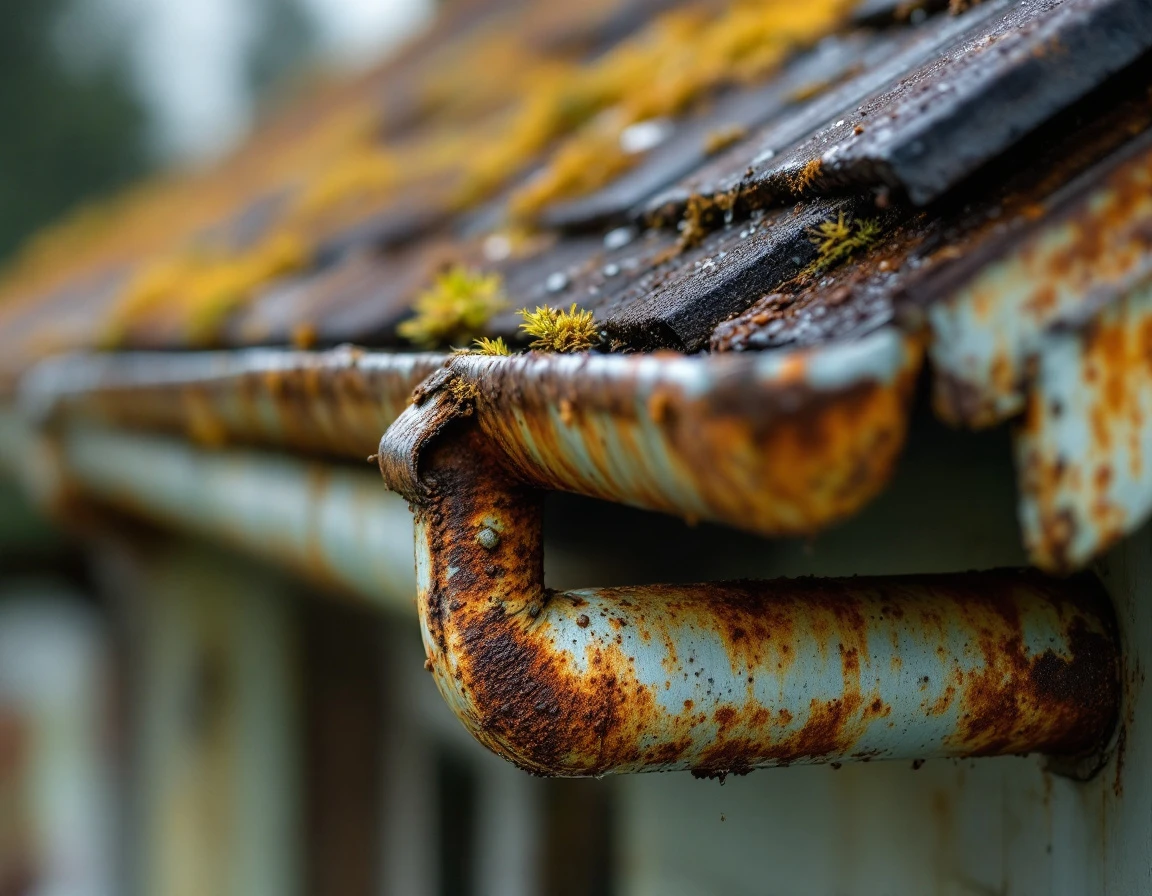
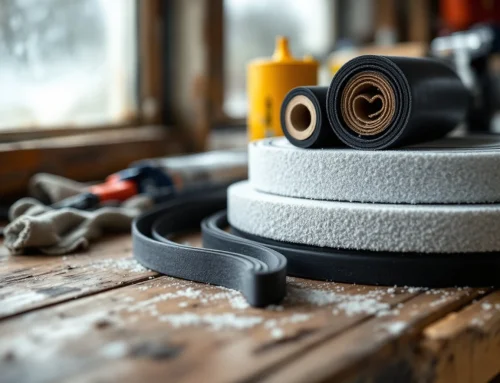
When deteriorated weatherstripping allows Longview’s 40-50 inches of annual rainfall direct contact with your historic garage door, rust doesn’t wait. Water seeps through worn seals, saturating the wood frame and metal panels that Long-Bell craftsmen installed nearly a century ago. Long-Bell garage weatherstripping moisture control prevents this constant moisture exposure that creates perfect conditions for corrosion inside your garage structure, where damage often goes unnoticed until panels weaken or frames begin to sag.
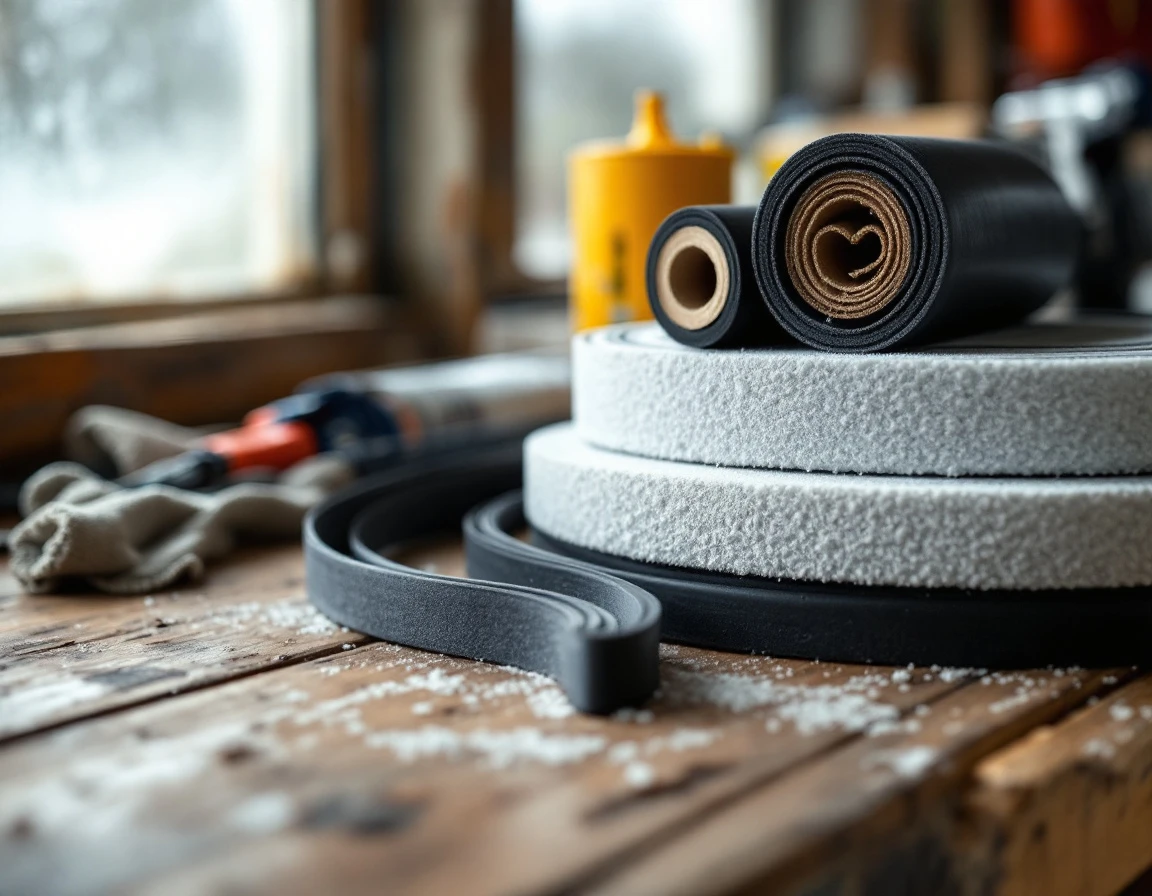
May inspection identifies seasonal wear before June through August bring peak moisture months. Walking the perimeter of your garage door reveals compression damage, cracking rubber, or gaps where seals have pulled away from mounting surfaces. Historic single-car doors from the 1920s and 1930s require compatible weatherstripping materials that match the original door profile without compromising architectural authenticity. Modern vinyl or foam seals may not properly fit the unique threshold designs and panel configurations of these era-specific doors.
The cost-benefit analysis of May replacement versus emergency repair heavily favors proactive maintenance. Installing proper weatherstripping before summer rains prevents water infiltration that causes rust formation inside frame joints and door panels. This first line of defense against moisture intrusion costs a fraction of structural repairs needed when corrosion weakens load-bearing components.
For Long-Bell garages, preserving original materials means preventing water damage before it starts, not repairing deterioration after months of unprotected exposure.
Rust Mitigation Techniques
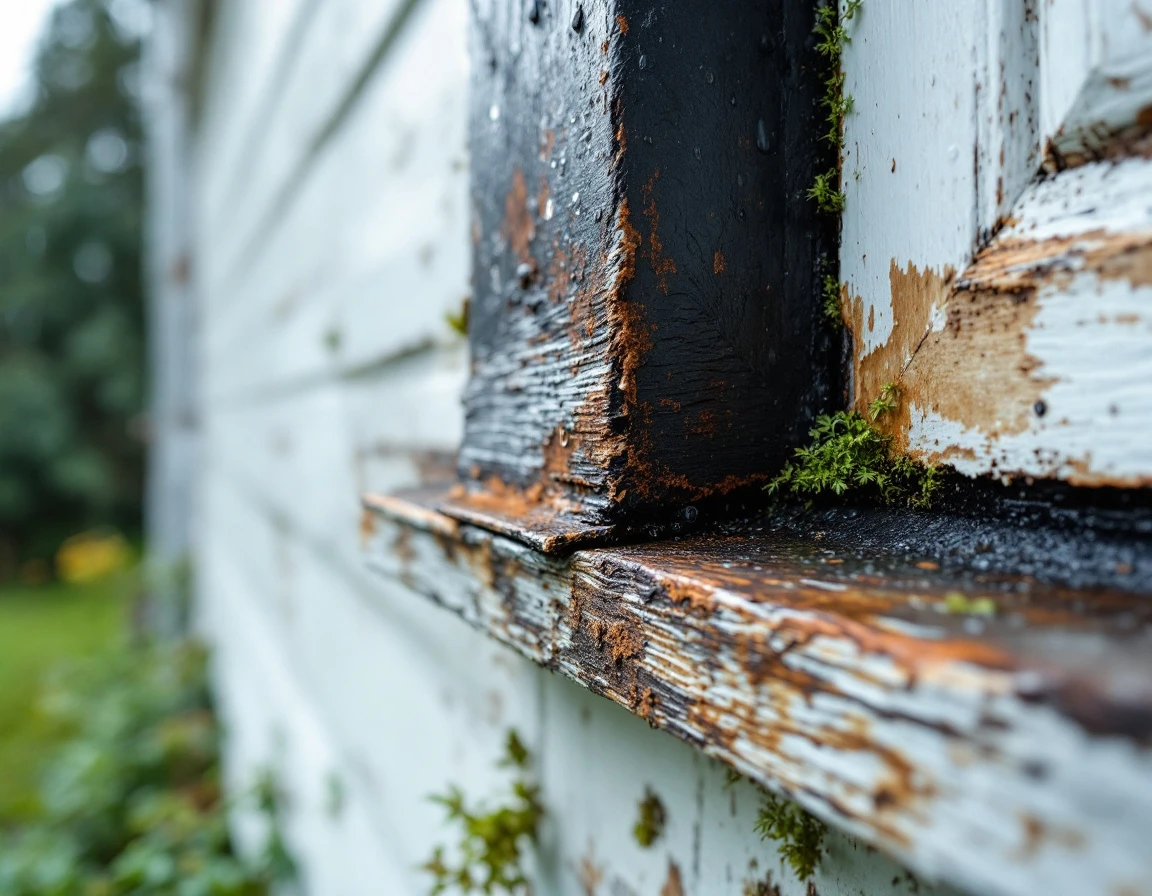
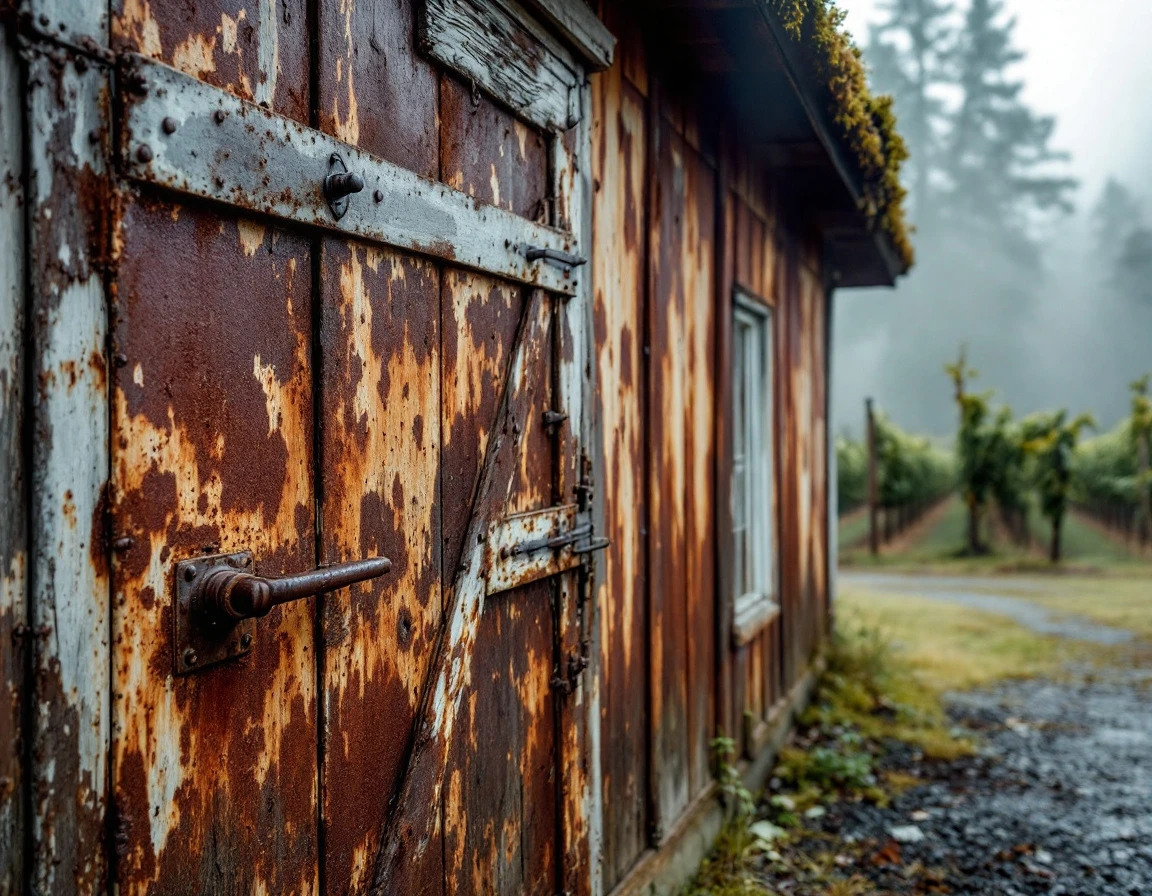
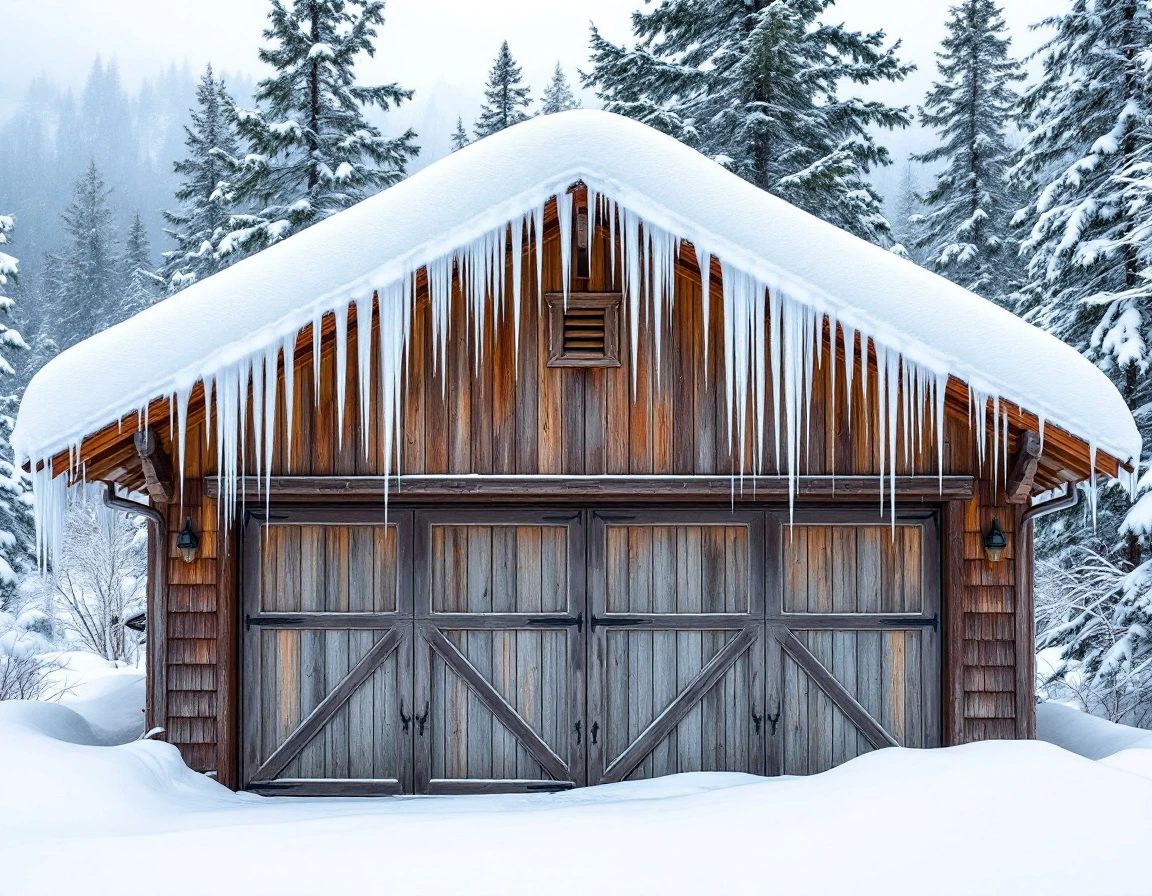
Understanding how moisture causes corrosion helps you protect your Long-Bell garage from rust effectively. When water contacts metal hardware, oxygen molecules react with iron to form iron oxide—the reddish-brown flaking we recognize as rust. In Longview’s wet climate, this process accelerates as trapped moisture creates persistent conditions for oxidation, particularly in poorly ventilated spaces where humidity lingers.
Start your May inspection by examining all visible metal components: hinges, tracks, springs, and fasteners. Surface rust appears as discoloration or light flaking, while advanced corrosion shows pitting or structural weakness. Use a wire brush to remove surface rust, then apply rust-inhibiting primer followed by weather-resistant paint that matches your garage’s historic finish.
Consider these approaches to interrupt the moisture-corrosion cycle:
- Ventilation improvements that promote air circulation and reduce interior humidity
- Installing ridge vents or gable louvers to allow humid air to escape
- Keeping vents clear of debris to keep proper airflow
- Protective coatings that create a barrier between metal and moisture
- Clear rust-preventive sprays for maintaining original finishes on antique hardware
- Exterior-grade paint with rust-inhibiting properties for door panels
Follow this monthly inspection schedule: check weatherstripping contact points in April, inspect metal hardware in May, examine door panels in June, and verify ventilation systems in July. Early detection prevents minor surface rust from becoming structural damage that requires component replacement. Contact us today if you discover corrosion beyond surface treatment—our team specializes in preserving historic garage integrity.
Professional Assessment Timeline
While the maintenance steps covered earlier protect your Long-Bell garage from moisture damage, knowing when to call in specialists makes the difference between preservation and costly emergency repairs. Spring assessments give professionals time to identify hidden corrosion behind door panels, evaluate whether rust has compromised structural integrity, and recommend solutions that respect your garage’s historic character.
Historic garage rust prevention in Longview requires specialized repair techniques that general contractors simply don’t offer. A spring specialist familiar with 1920s-era Long-Bell construction can distinguish between surface rust requiring cleaning and deeper corrosion demanding component replacement. They’ll assess whether your original hardware can be preserved or whether period-appropriate replacements better serve long-term durability.
Early May scheduling puts you ahead of Longview’s wettest months. June through August bring the region’s most intense rainfall, turning minor moisture issues into emergency failures. Professional evaluation in May means repairs happen on your timeline rather than during a crisis when costs multiply and scheduling becomes difficult.
What does professional assessment protect? Your investment in a piece of Longview’s architectural heritage. Contact Garage Harmony today for an evaluation that balances preservation with practical protection against Pacific Northwest weather.

Leave A Comment