Freeze-Thaw Damage Risk in Tualatin Valley
The Tualatin Valley’s winter climate creates specific conditions that stress garage door springs. Temperatures fluctuate between freezing nights and mild afternoons, causing metal components to contract and expand repeatedly. For homeowners with vintage systems, garage door spring replacement Forest Grove becomes necessary when freeze-thaw cycles degrade metal integrity, particularly in historic Craftsman properties where original springs have endured decades of thermal stress.
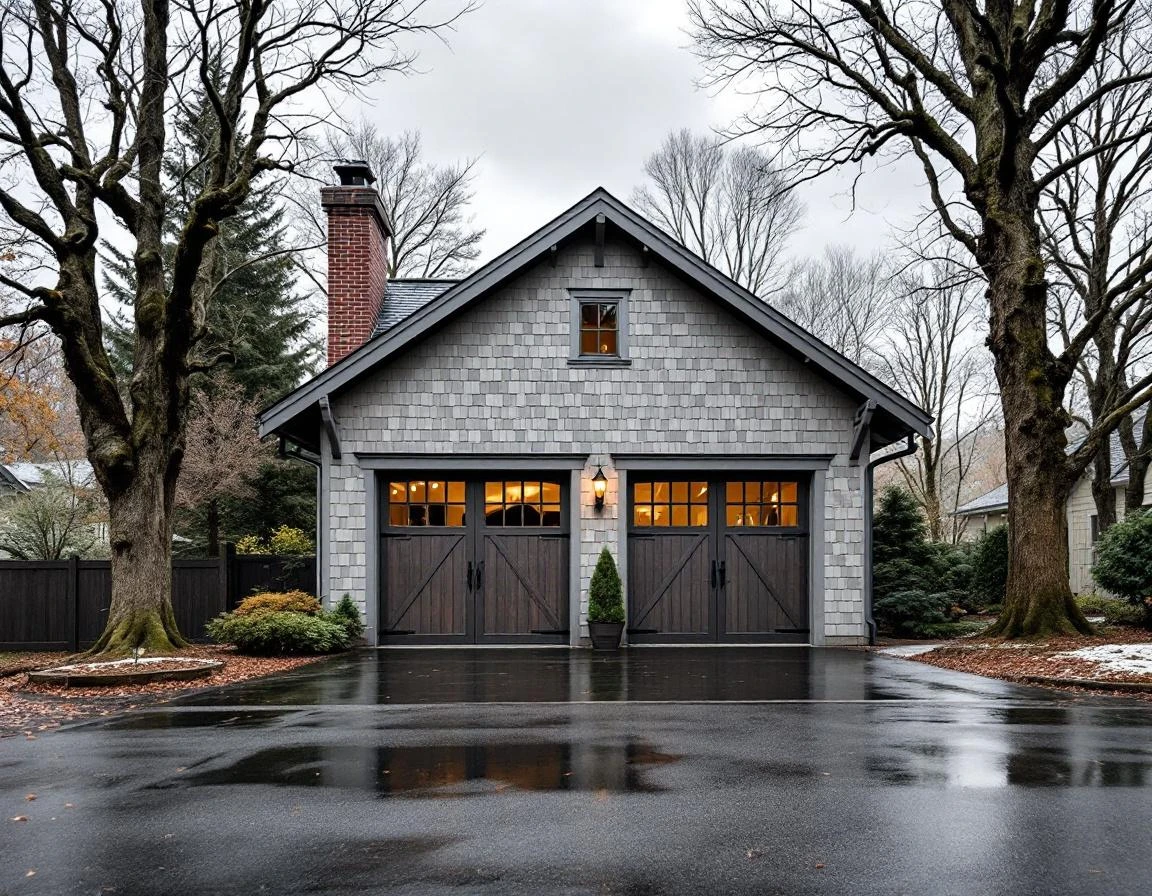
Cool, wet winters in Forest Grove create repeated freeze-thaw cycles that stress vintage spring systems
Your garage springs live a hard life in Forest Grove winters. Temperatures drop below freezing at night, warm up during the day. Your springs contract and expand with each swing. Year after year, this cycle weakens the metal. Eventually, it fails.
The Tualatin Valley’s location near moisture sources and elevation changes intensifies this seasonal stress on detached garage infrastructure. Valley fog holds moisture against metal components longer than in drier climates, while elevation shifts between valley floor properties and hillside homes create temperature variations that accelerate the freeze-thaw pattern affecting older spring systems.
What happens to spring metal in freeze-thaw cycles?
It becomes brittle. Repeated freeze-thaw cycles don’t just stress springs—they actually change the metal itself. Each cold snap makes the steel a little weaker, and over many cycles, your springs lose the ability to bounce back.
This material degradation becomes critical during ice events when brittle springs face sudden load demands. Older Craftsman homes face extra risk. Decades-old springs have already handled hundreds of temperature swings. One more hard freeze could be the one that breaks them.
Warning Signs of Spring Vulnerability
Before the first freeze arrives in the Tualatin Valley, homeowners can perform a simple visual and auditory inspection to identify at-risk springs. Stand inside your detached garage and observe the springs while someone operates the door from the remote. Look for the following warning indicators:
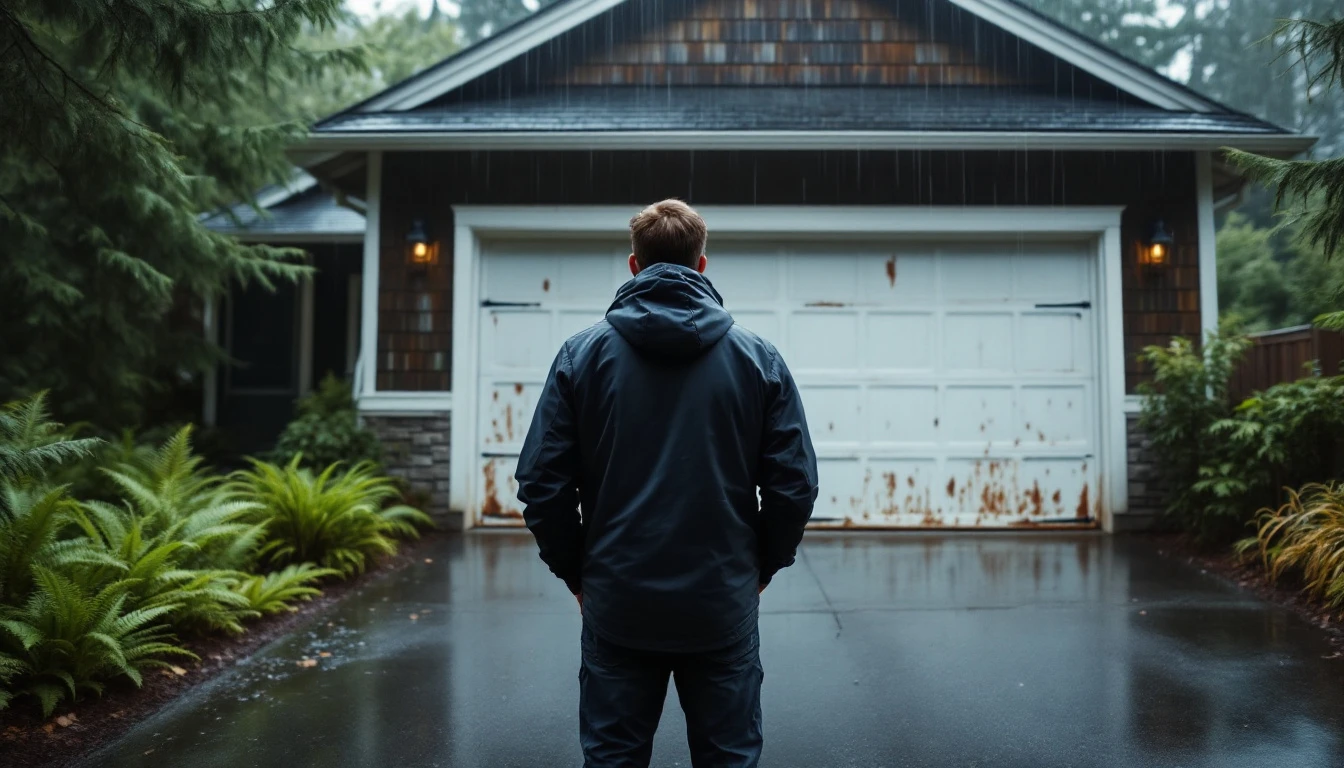
- Visible rust, corrosion, or discoloration on the spring coils—orange-brown rust or chalky white deposits signal that moisture has penetrated the metal, weakening its structural integrity
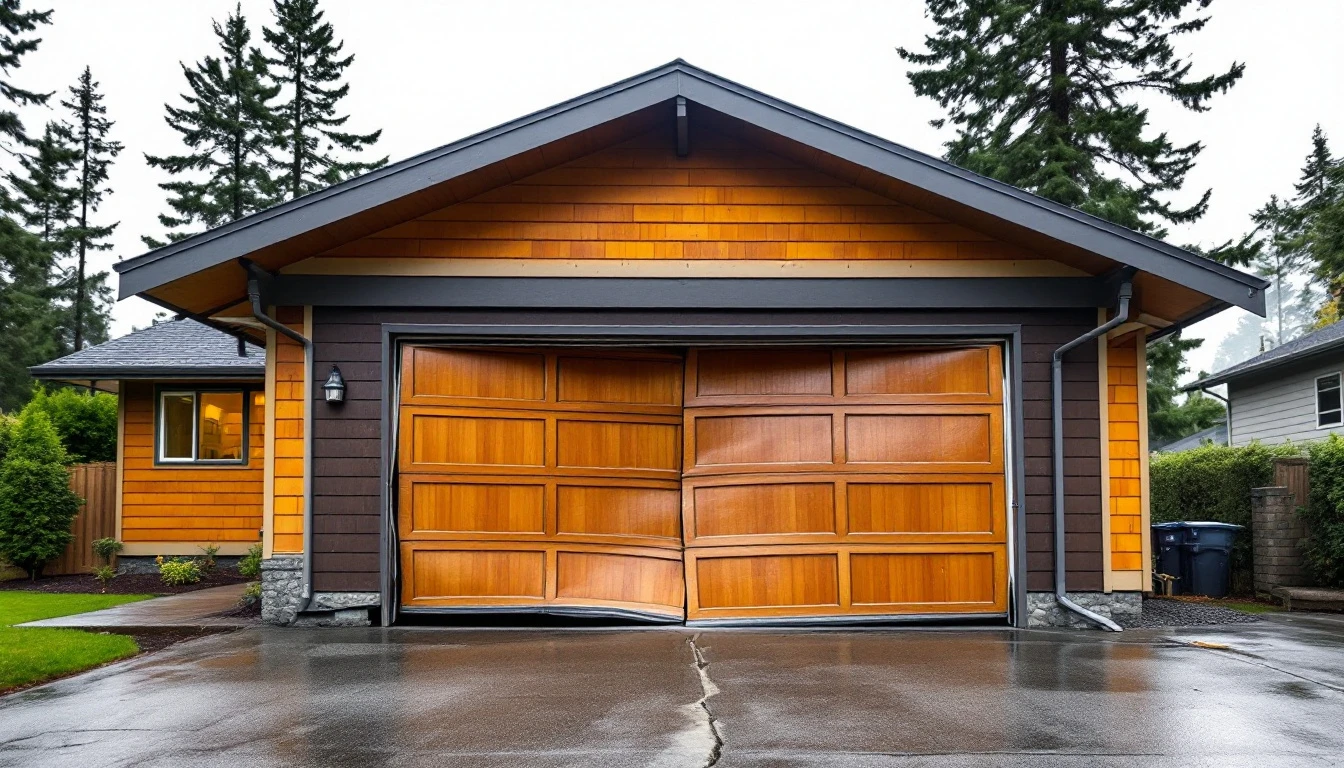
- Uneven door movement, with one side rising faster than the other, or hesitation midway through operation
- Audible pinging, snapping, or grinding sounds suggesting the spring coils are rubbing against each other or beginning to fracture
- Excessive effort required when opening the door manually with the opener disconnected, indicating the springs have lost their counterbalancing ability
In Forest Grove’s historic Craftsman properties, where detached garages often house vintage garage door springs Tualatin Valley residents installed decades ago, asymmetrical movement becomes more pronounced as winters accumulate. Additionally, uneven spring tension means one spring has degraded more than its partner.
These warning signals don’t mean your door will fail tomorrow, but they justify scheduling professional replacement before winter stress peaks. Never attempt to repair or replace garage door springs yourself—these components store enough energy to cause serious injury. Contact Garage Harmony today to get your springs inspected before winter arrives.
Garage Door Spring Replacement Forest Grove: Timing and Costs
Schedule your spring replacement between May and September. You’ll beat the winter rush and get better availability. Spring and early fall provide moderate temperatures that make installation safer and more comfortable for technicians, while giving you flexibility to compare quotes and choose convenient dates rather than calling for emergency service during a freeze.
Replacement costs in the Forest Grove area typically range $300–$600 depending on spring configuration and labor requirements. Single-spring systems with standard extension springs fall toward the lower end, while double-torsion springs on heavier wooden doors or historic garage spring replacement projects requiring custom brackets cost more. The age and design of your Craftsman-era garage may require specialized hardware that affects final pricing.
Spring replacement in May or August is easier than emergency repair in winter. Technicians have open schedules, pricing is standard, and you won’t be rushed. Winter failures often happen during ice storms or sudden cold snaps when repair companies handle dozens of calls simultaneously. Regular maintenance between replacements can extend spring lifespan by 2–3 years through lubrication and tension adjustments, but once corrosion or metal fatigue appears, replacement becomes necessary to prevent winter damage.
DIY Inspection vs Professional Repair
You can safely inspect your garage door springs yourself. Walk through the visual checks we covered earlier: look for rust patterns, listen for unusual grinding sounds during operation, test door balance by disconnecting the opener and lifting manually, and observe how evenly the door moves along its tracks. These inspection tasks carry no safety risk and help you identify when it’s time to call a professional.
Spring replacement, however, belongs exclusively in professional hands. The springs supporting your garage door hold extreme tension—enough force to lift 150-200 pounds repeatedly throughout the day. When that tension releases unexpectedly during amateur repair attempts, metal coils can become projectiles, causing severe hand injuries or worse. Licensed technicians a…rrive with specialized torsion wrenches that control spring tension safely, plus lia…bility insurance that protects your property during the work.
Why hire a professional? Spring replacement needs special tools that safely control thousands of pounds of tension. Our technicians have the right equipment and training—you don’t want to risk that kind of injury. They also test safety cable integrity and verify system pressure balance—tasks that require both experience and equipment most homeowners don’t possess.
Attempting spring replacement yourself doesn’t just risk injury. It can also void manufacturer warranties on newer doors and create liability issues if the door fails and damages vehicles or injures family members. When your inspection reveals the warning signs we discussed, contact Garage Harmony for safe, professional spring replacement.
Spring Maintenance Windows and Next Steps
Schedule your inspection this month. May weather is perfect for evaluating springs. Technicians have availability now—before the summer booking rush. A spring inspection produces a detailed replacement estimate, giving you time to budget before the September–October rush when contractors book out weeks in advance.
Here’s the decision framework: If your inspection reveals warning signs—rust, uneven movement, or excessive operating weight—plan Craftsman home garage spring repair in August or early September. This timing completes installation before November freeze-thaw cycles resume. Homes that passed inspection should schedule lubrication and cable checks every 12–18 months to extend spring life without full replacement.
Why act now instead of waiting? The November–March freeze-thaw period damages untreated springs through repeated metal stress. Each cold cycle worsens existing vulnerabilities. Professional replacement in Forest Grove typically requires just 1–3 days from scheduling to completion, but only if you call before seasonal demand fills contractor calendars.
Contact Garage Harmony today for a free spring inspection. We’ll show you exactly what condition your springs are in and give you a clear replacement estimate.