


Moisture Damage Threat Timeline for Garage Doors Oregon Wine Country
Oregon wine country’s seasonal moisture cycle creates a predictable pattern of garage door deterioration. From November through February, Willamette Valley fog settles into low-lying areas, creating persistent humidity that accelerates rust on hinges, springs, and tracks. Yamhill County’s microclimate intensifies this exposure—valley properties between the Coast Range and Cascade foothills trap moisture longer than Portland’s urban corridors just 40 miles north. For homeowners with garage doors in Oregon wine country, this seasonal pattern demands proactive maintenance planning.
This moisture damage coincides poorly with wine country tourism patterns. Harvest season brings visitors from September through October, extending into November as tasting rooms host holiday events. Your garage door becomes part of your property’s first impression when foot traffic peaks. A rusted, deteriorating door undermines curb appeal precisely when visibility matters most.
Timing your maintenance correctly breaks this cycle. Spring preparation between May and August gives you a critical window before the wet season returns. Addressing rust spots, replacing corroded hardware, and applying protective coatings during dry months prevents minor issues from becoming expensive repairs when winter moisture arrives. By maintaining your garage door before harvest season crowds return, you protect both your investment and your property’s appearance during the months that count.
Three Hardware Upgrades for Rust Resistant Garage Doors Willamette Valley
Wine country homeowners can protect their garage doors from Pacific Northwest moisture with three targeted hardware upgrades. These aren’t emergency fixes—they’re preventive investments that stop rust and water damage before winter’s fog season arrives.
Stainless Steel Hinges and Rollers
Standard galvanized hardware corrodes in Yamhill County’s November-through-February humidity. Rust appears first as orange speckling on hinges, then progresses to stiff operation and metal flaking. Stainless steel replacements resist corrosion even during extended fog periods common in McMinnville and Dundee valley areas. Look for grade 304 stainless steel hinges on attached garage doors and heavy-duty grade 316 for detached structures exposed to direct rain.
Sealed Ball Bearing Systems
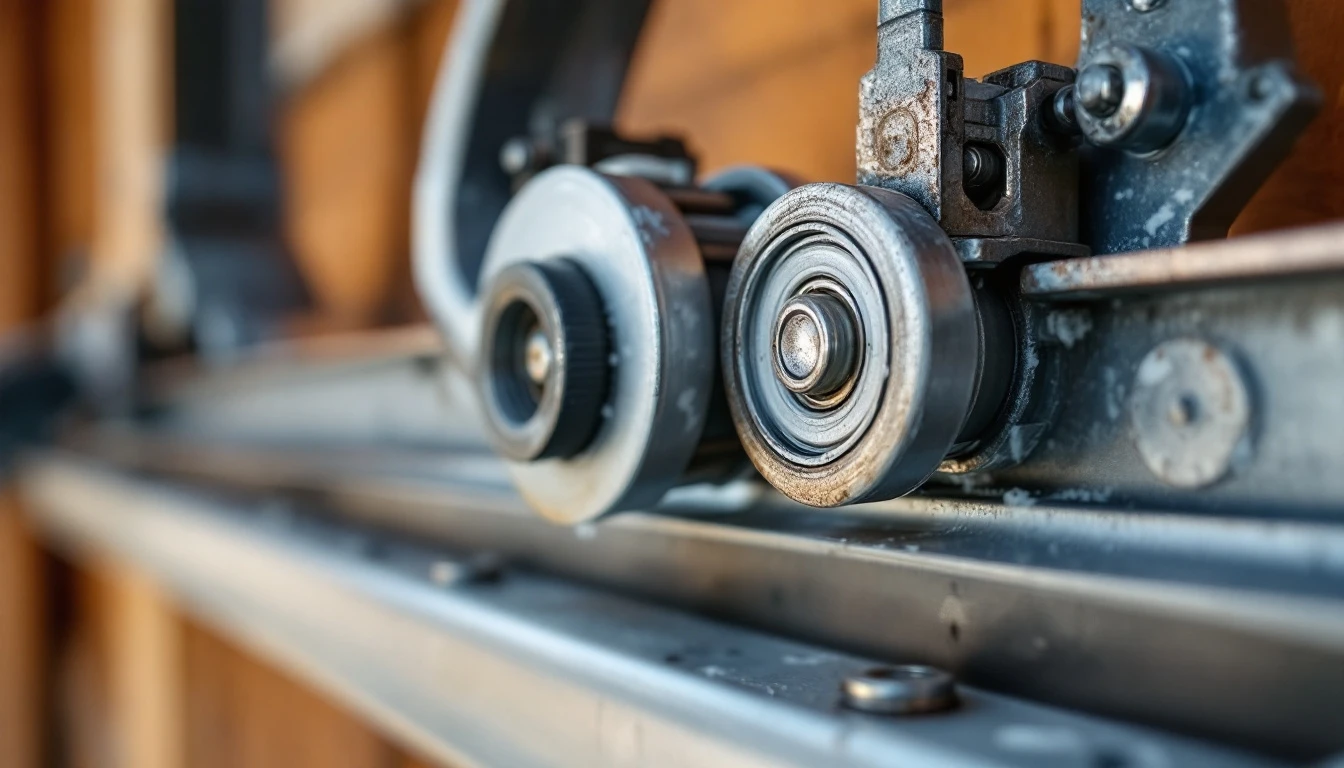
Moisture infiltrates standard roller brackets through gaps around the axle, causing internal rust you can’t see until the door grinds or jerks. Sealed ball bearing rollers with protective gaskets block water entry at mounting points. These upgrades work especially well on detached garages in Carlton and Dayton, where morning condensation accumulates on exposed door panels. Homeowners recognize the need when rollers squeak despite lubrication or when doors hesitate mid-travel.
Rubber Weatherstripping Replacement
Cracked or compressed weatherstripping allows water to seep between door panels and at bottom seals. Fresh EPDM rubber strips create watertight barriers that last through multiple wet seasons. Check stripping by running your hand along panel seams—if you feel air movement or see daylight, replacement is due. Install these upgrades during the May-August dry window before harvest tourism increases property visibility.
Combined, these three upgrades represent a smart investment for professional installation. That investment prevents panel rust, structural wood rot, and opener motor strain—problems that lead to costly replacement. Spring installation protects your door through the wet season while boosting curb appeal for fall vineyard visitors.
Spring Maintenance Checklist
Timing your garage door maintenance to Oregon’s weather cycle protects your investment and maximizes curb appeal when vineyard visitors increase. Start your inspection routine in May, when dry conditions make it easy to spot rust, corrosion, or moisture damage that developed during the wet season. Walk the full perimeter of your door, checking the following:
- Panels for warping
- Tracks for alignment issues
- Springs for rust spots
Problems are best caught before harvest season begins.
Move into June and July hardware maintenance while weather stays dry. Complete these tasks during this window:
- Clean tracks with a damp cloth to remove accumulated dust and moisture residue
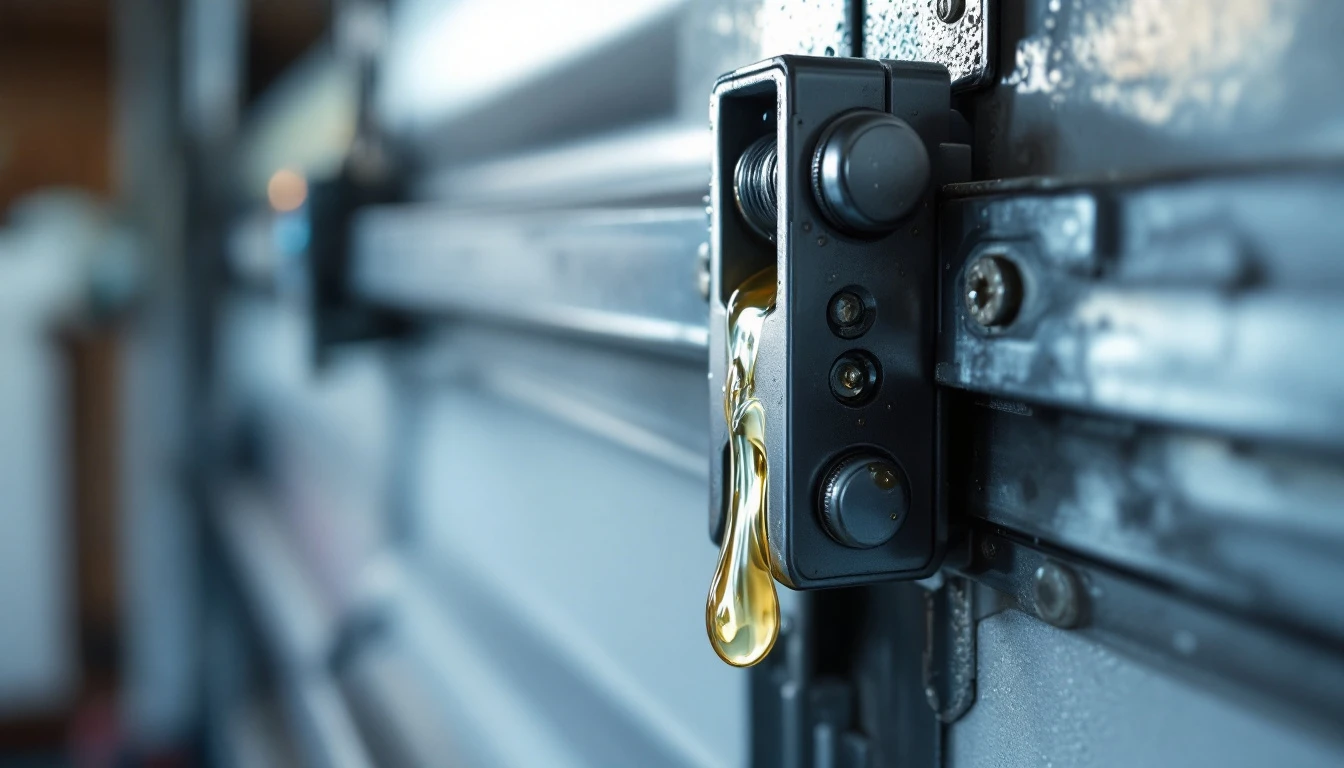
- Apply moisture-resistant lubricant to hinges, rollers, and springs
- Test auto-reverse safety sensors by placing a roll of paper towels in the door’s path—the door should reverse immediately when it makes contact
- Inspect weatherstripping along all edges, replacing any sections that show cracks or gaps where November fog could penetrate
Complete all maintenance tasks by September. Before the rainy season returns and property visibility peaks during harvest tourism. When should you call Garage Harmony instead of DIY? Schedule a professional inspection if you see rust on springs or cables. Notice panels showing moisture warping, or hear grinding sounds during operation. Track alignment and spring tension require specialized tools and safety knowledge—these aren’t weekend projects.
This spring routine prevents the expensive panel replacements and hardware failures that result from unchecked winter moisture damage, keeping your door functioning smoothly when wine country visitors are watching.
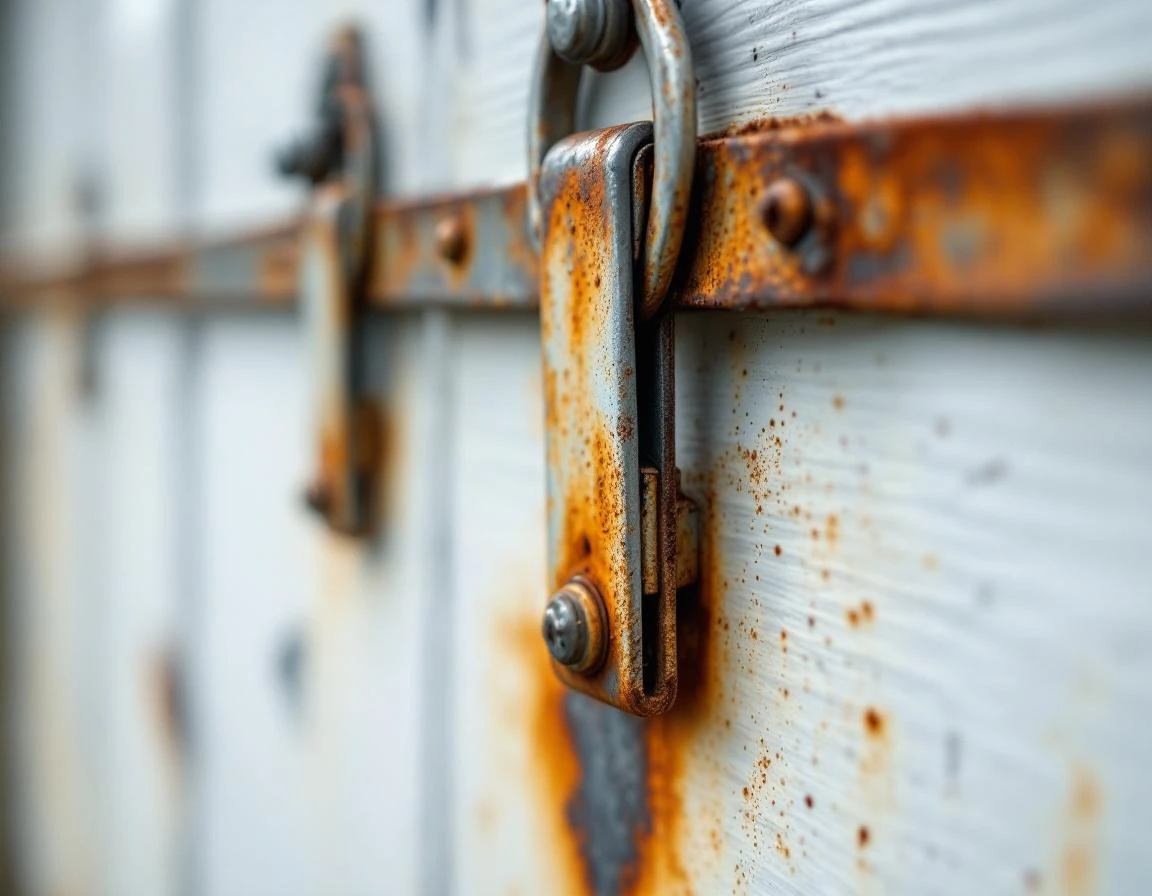
Rust-Resistant Hardware Specifics
When shopping for garage door hardware in the Willamette Valley’s fog-prone climate, understanding material grades helps you make the right choice. Stainless steel comes in two primary grades: 304 and 316. Grade 304 works well for most residential applications, resisting rust far better than galvanized steel. Grade 316 contains molybdenum, making it the better choice for properties in Dundee, Newberg, and other vineyard areas where morning fog persists through late fall.
Sealed roller bearings with rubber gaskets keep moisture out of the bearing assembly, preventing the grinding and squeaking that occurs when water penetrates open bearings. This sealing becomes particularly important during November-through-February moisture cycles when Valley fog sits against garage doors for hours.
Nylon-coated hinges and brackets add another layer of corrosion protection without adding weight to your door system. Most nylon-coated hardware fits existing mounting holes, making it an easy upgrade for homeowners tackling spring maintenance. However, switching to sealed bearing rollers may require professional installation if your current track system uses a different roller stem diameter.
Weatherstripping and Sealing
Yamhill County’s November-through-February fog and rain create relentless moisture exposure that destroys standard weatherstripping faster than in drier climates. Rubber and vinyl seals deteriorate quickly in wine country humidity, requiring replacement every 2-3 years rather than the 5-year schedules common in less wet regions. Postponing this replacement allows water to seep through compromised seals, creating the visible stains and warping that detract from curb appeal during harvest season tourism.
Door panel seams and bottom edges are primary moisture entry points where water infiltrates and reaches the panel core. Inspect these areas twice yearly by running your hand along all edges to feel for gaps, checking for water stains on interior surfaces, and pressing gently on bottom panel areas to detect soft spots indicating water damage. If you find visible gaps or panel sections that feel spongy rather than firm, moisture has already compromised the door structure.
Moisture-resistant caulk and gasket systems prevent water from reaching panel cores where it causes rot or delamination. Professional re-sealing becomes worth the investment when DIY replacement hasn’t stopped water intrusion or when panel damage has already begun—typically $150-300 depending on door size. Complete sealing work before October to protect against winter weather and maintain the clean, well-maintained appearance wine country properties need.
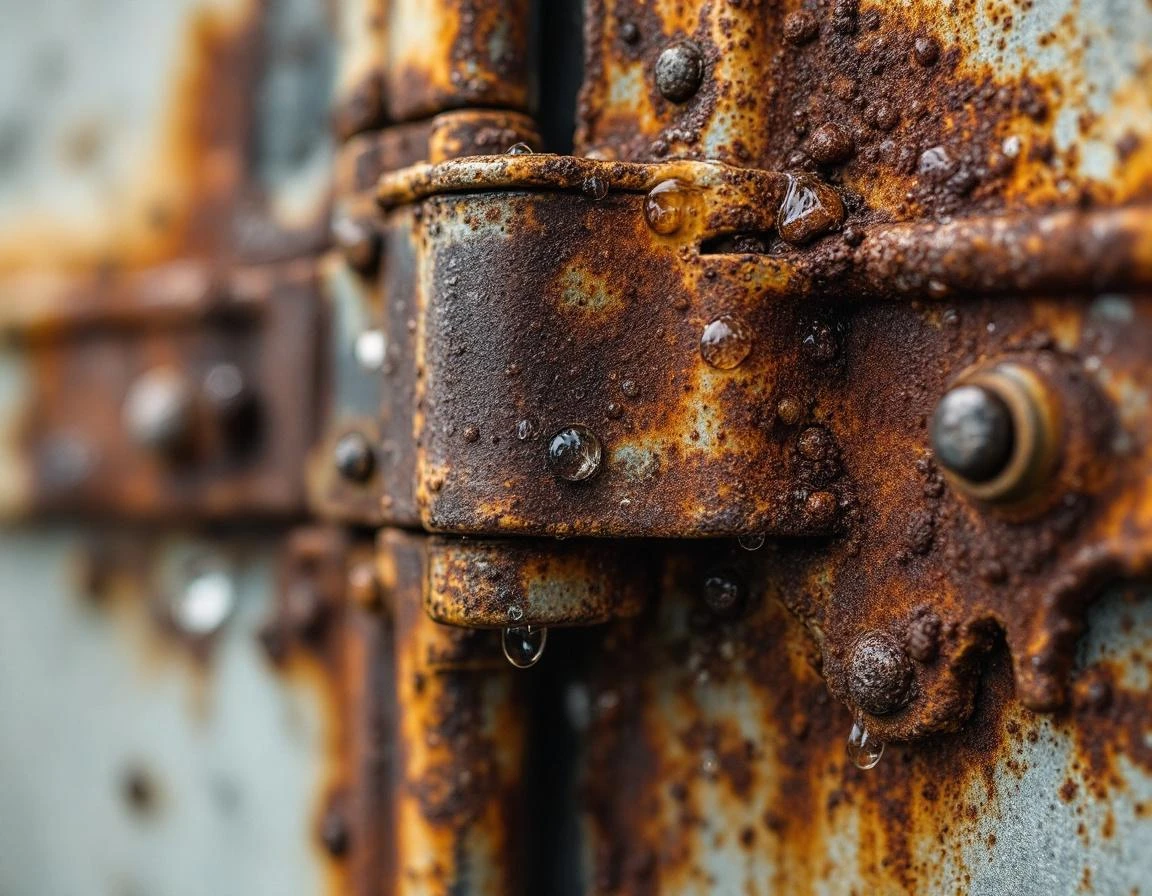
Timing and Professional Support for Garage Door Maintenance Wine Country Weather
May and June offer the perfect window for planning your garage door maintenance. Use these months to schedule a professional inspection that catches hidden moisture damage or hardware wear your own visual checks might miss. This assessment helps you avoid discovering cracked panels or rusted springs during the busy August harvest season when repair costs climb and scheduling gets difficult.
July and August are your installation months. Weather stays dry for hardware upgrades and sealing work, and professionals have better availability than during peak summer construction season. Complete all work by September—before harvest tourism brings increased foot traffic past your property and before November moisture returns to test your weatherproofing.
Which tasks can you handle yourself? The following work as DIY projects for most homeowners:
- Weatherstripping replacement
- Hardware cleaning
- Lubrication
But leave spring professional work such as spring inspection, panel assessment, and major hardware replacement to licensed professionals. Their expertise prevents expensive mistakes that turn a $300 upgrade into a $2,000 panel replacement. Scheduling spring professional work means you’ll avoid winter emergency repair calls when moisture damage finally forces your garage door to fail at the worst possible time.


Leave A Comment