


Gorge Effect & Freeze-Thaw Cycles
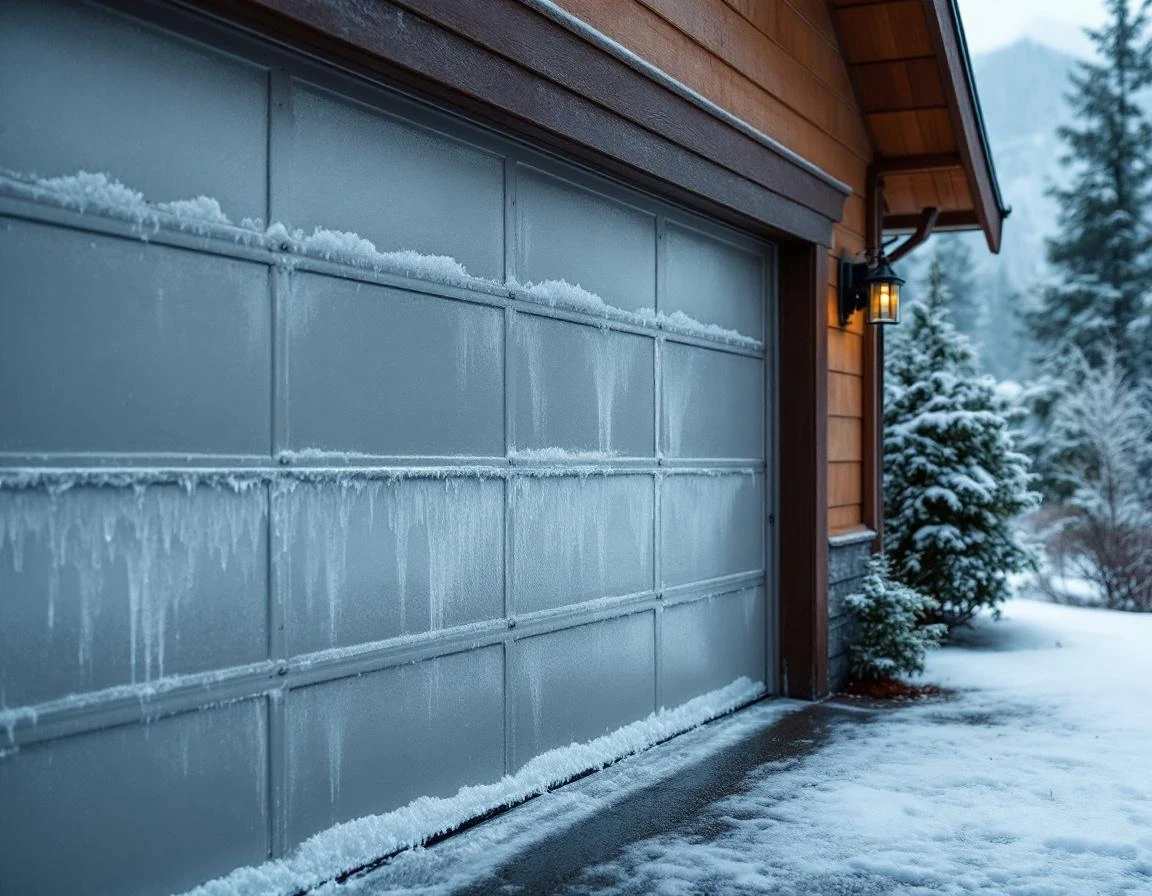
Stevenson sits at the confluence of two powerful weather systems. Cold Canadian air funnels through the Columbia River valley, colliding with milder Pacific air to create what meteorologists call the Gorge effect. This unique phenomenon generates temperature swings that few other Pacific Northwest communities experience—your garage door might face a 28°F morning followed by a 42°F afternoon, then drop back to freezing overnight. Understanding how the Gorge effect creates Stevenson ice storm garage door damage is essential for homeowners in this region.
These rapid freeze-thaw cycles put immense stress on garage door components. Metal tracks contract in the cold, then expand as temperatures rise, forcing alignment out of specification. Door panels warp as moisture seeps into micro-cracks, freezes, and expands the damage. Galvanized steel components corrode faster when exposed to repeated Columbia Gorge freeze-thaw cycle garage doors situations combined with road salt carried by Gorge winds.
The numbers tell the story: Stevenson homeowners face two to three times higher garage door failure rates than Portland or Seattle residents. The extreme wind and cold air confluence that makes the Gorge famous among windsurfers wreaks havoc on mechanical systems designed for milder climates.
Ice buildup on tracks creates an immediate safety hazard. When freezing moisture locks door mechanisms in place, forcing manual operation without understanding the tension system can cause spring failures or personal injury. Understanding how the Gorge effect damages your garage door is the essential first step toward preventing these costly failures before December’s coldest weather arrives.
Identifying Ice Damage & Warning Signs
Catching ice damage early can save you from expensive emergency repairs later. A simple inspection takes just ten minutes and helps you spot problems before they escalate. Stevenson’s freeze-thaw cycles create specific warning signs that appear during and immediately after winter storms—knowing what to look for protects your investment.
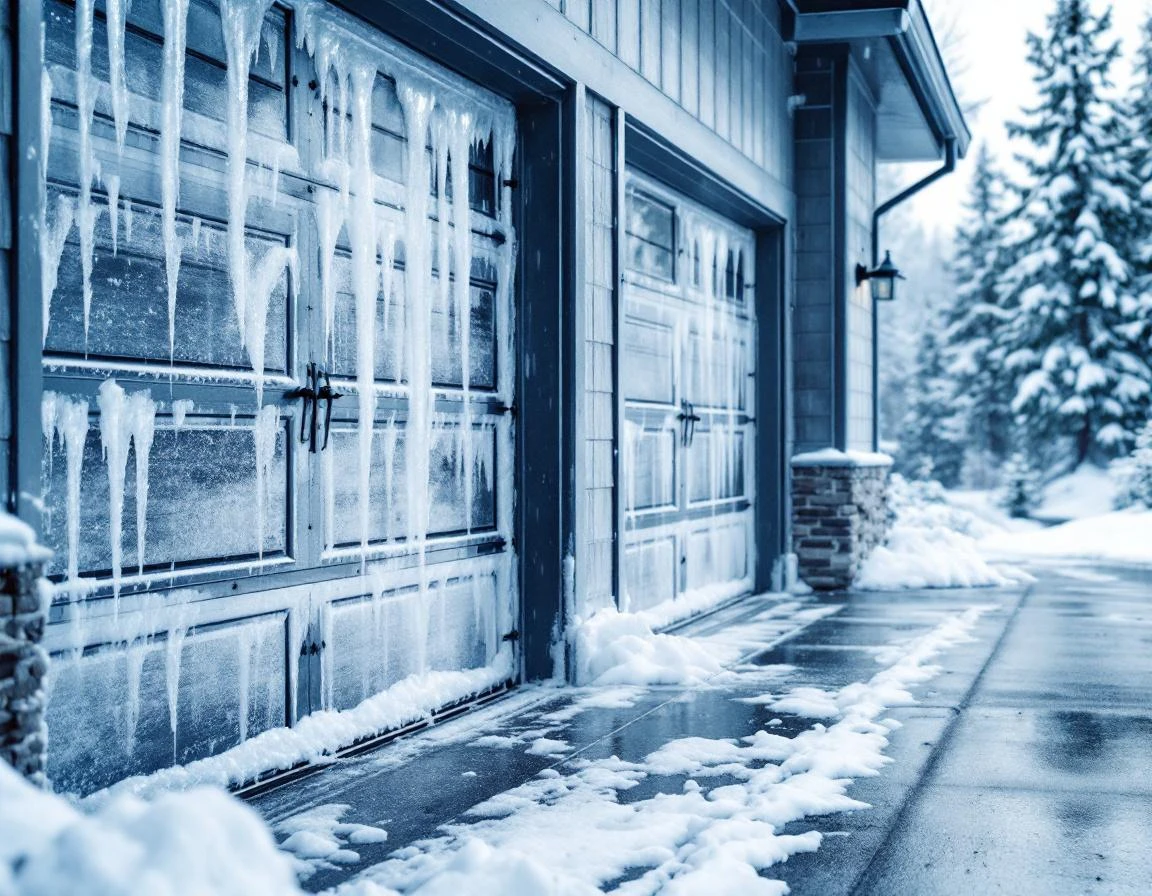
Start with a visual inspection of your garage door tracks. Open the door fully and look inside the vertical tracks for ice buildup garage door tracks Stevenson or frost accumulation. Check your weather seals along the bottom and sides—if they appear cracked, brittle, or separated from the door, moisture is penetrating the system. Look for visible gaps between panels, which indicate warping from repeated expansion and contraction cycles.
Listen carefully during operation. Grinding or squealing sounds mean ice has forced rollers out of alignment or debris has entered the tracks. These auditory clues often appear before visible damage becomes obvious, making them your earliest warning system.
Test the door manually by disconnecting the opener and lifting it yourself.
Resistance beyond normal weight suggests freeze-thaw stress has affected the springs, cables, or tracks. The door should glide smoothly with moderate effort—anything else deserves professional attention.
Finally, examine your door’s metal frame and springs for white frost patterns. This frost signals that moisture has penetrated your garage and is condensing on cold metal surfaces. Poor weather sealing allows humid air to enter, creating conditions for ongoing corrosion and component failure. Early detection prevents small issues from escalating into major structural repairs that compromise your garage’s integrity.
Prevention Tactics Before Winter Peak
Completing three targeted maintenance tasks before mid-November protects your garage door from the Gorge’s December-January freeze-thaw peak. These preventive measures take under two hours total and address the specific failure points created by Stevenson’s extreme temperature swings.
- Track Cleaning and Lubrication
- Weather Seal Inspection and Replacement
- Garage Insulation Installation
Track Cleaning and Lubrication
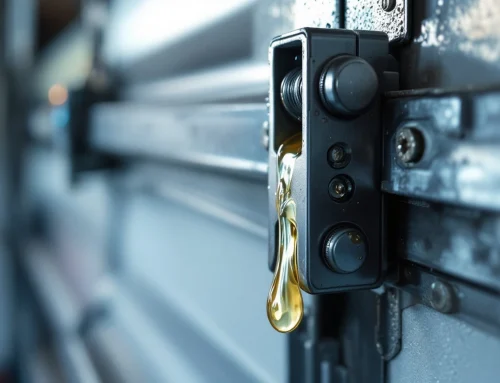
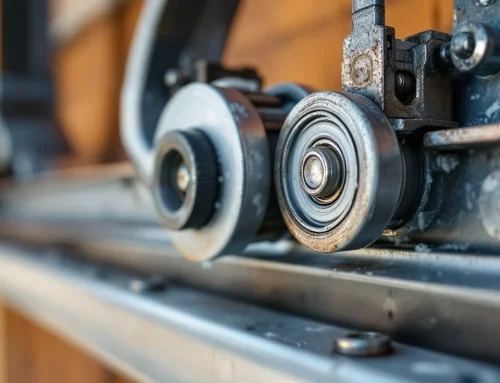
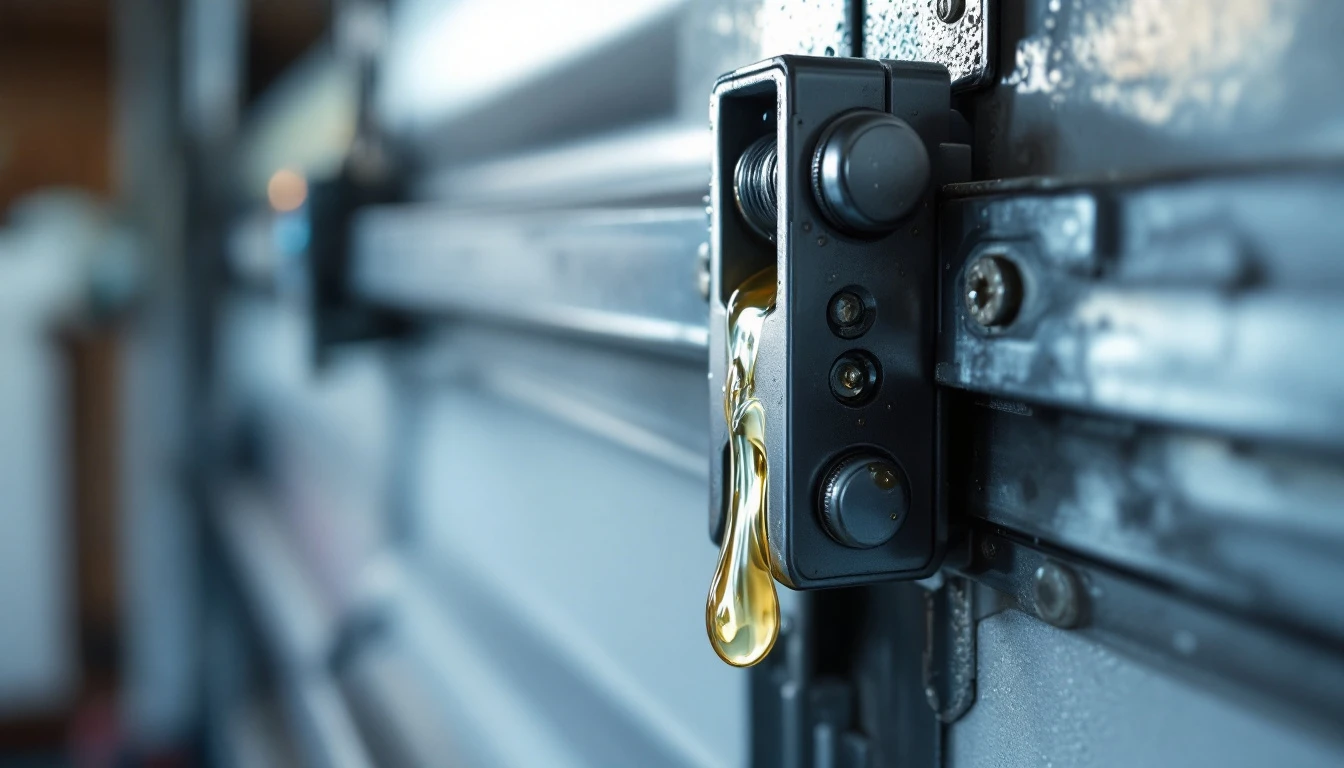
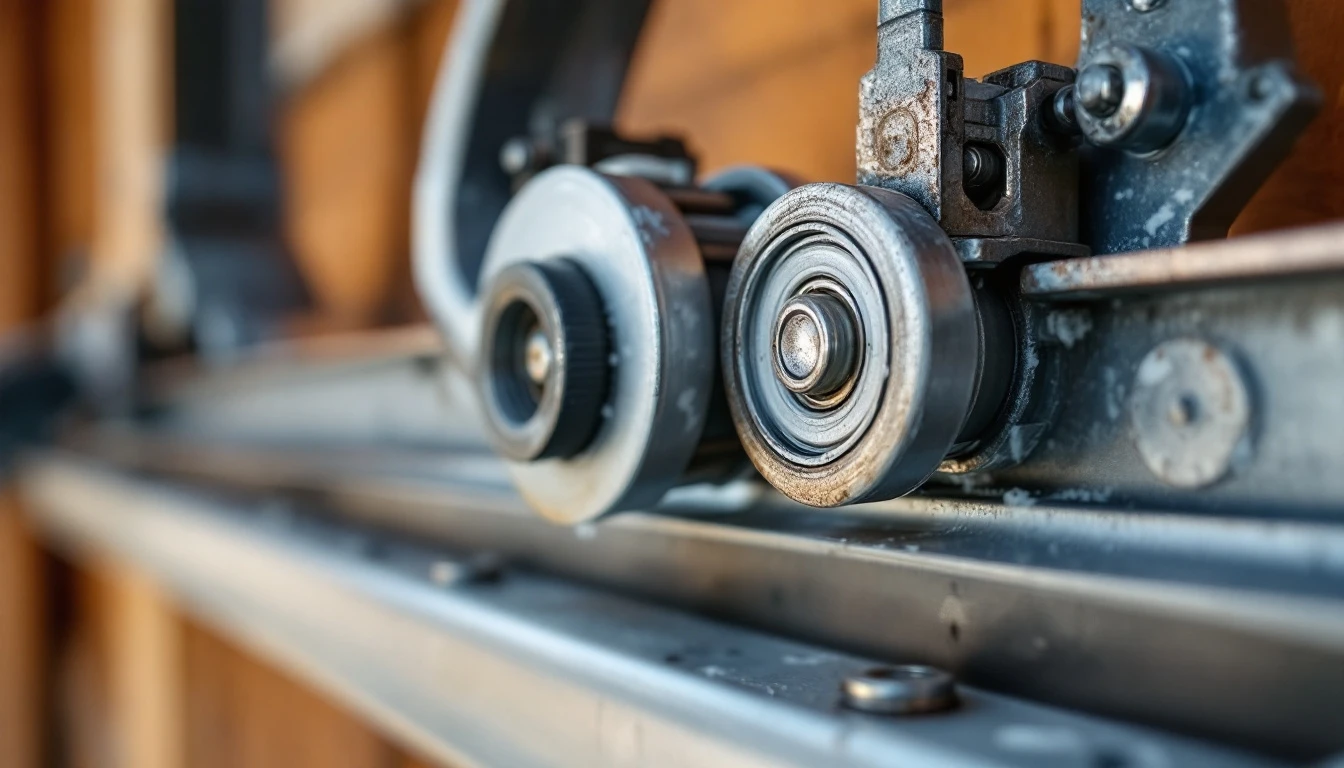
Deep clean your garage door tracks by removing all debris, dust, and buildup before December arrives. Ice bonds aggressively to dirt and metal particles, creating frozen locks that prevent smooth operation. Once tracks are clean, apply winter-grade lubricant to all moving parts—rollers, hinges, springs, and the track channel itself.
Winter lubricants resist thickening in freezing temperatures and reduce metal-to-metal friction that accelerates during cold snaps. This protection matters in Stevenson because the Gorge effect creates rapid temperature drops that cause standard lubricants to gel and fail. Schedule this task for early November, before the first hard freeze typically arrives in late November.
Weather Seal Inspection and Replacement
Examine every weather seal around your garage door frame for cracks, brittleness, or gaps. Damaged seals allow moisture penetration into the door frame cavity where it freezes and expands during overnight cold periods. Replace any worn seals immediately—new seals cost minimal amounts but prevent moisture intrusion that leads to ice formation inside the frame structure.
Garage Insulation Installation
Install or upgrade insulation to stabilize your garage’s interior temperature and reduce condensation formation. When warm, moist air meets cold metal tracks and hardware, condensation forms and freezes into ice deposits during temperature drops. Insulation maintains more consistent temperatures. Reducing the temperature differential that prevents garage door panel warping winter conditions from developing.
This protection works year-round but becomes critical during Stevenson’s winter when outdoor temperatures can swing thirty degrees in twelve hours. Contact us today for professional assessment of your garage door’s winter readiness or to schedule insulation upgrades before peak freeze season arrives.
Track Cleaning & Winter Lubrication
Before November arrives, dedicate 30-45 minutes to cleaning and lubricating your garage door tracks. Start by using a stiff brush and shop towel to remove all visible debris, ice, and mineral deposits from the track channels. In the Gorge, dirt plus moisture plus cold creates frozen locks that prevent doors from opening during ice storms.
Apply winter-grade silicone or synthetic lubricant designed for sub-freezing temperatures. Standard WD-40 thickens and fails when temperatures drop below freezing, leaving metal surfaces unprotected. Focus on all rollers, hinges, spring anchors, and hinge pins—freeze-thaw cycles increase friction on corroded metal surfaces. Use a thin coating rather than excessive application, which attracts dust and grime.
Repeat this lubrication process every six weeks throughout winter to maintain a protective film against moisture and cold. If you encounter severe ice buildup that prevents door movement, call a professional rather than forcing the mechanism. Forcing a frozen door can snap springs or bend tracks. Turning a simple maintenance task into an expensive emergency repair.
Weather Seal & Panel Inspection
Close your garage door and inspect the bottom seal from inside your garage. Do you see slivers of daylight at the base? Even small light gaps allow freezing Gorge winds to infiltrate, dropping the door’s interior temperature close to ambient and creating conditions for ice formation. Next, run your hand along the side seals while the door is closed—healthy seals should compress firmly against the frame. If they feel loose or show visible cracks, cold air and moisture are entering freely.
Check panel surfaces for telltale signs of freeze-thaw stress: white frost patterns in corners, small rust spots near edges, or subtle warping along seams. These indicators appear early in the Gorge’s extreme temperature swings and accelerate quickly once established. Weatherstripping kits are available at hardware stores and install easily for most DIY homeowners. If you notice panel warping, schedule a professional inspection immediately—waiting until ice locks the door solid means costlier emergency repairs.
Emergency Response & Professional Help for Stevenson Ice Storm Garage Door Damage
When ice locks your garage door, do not force it. This single rule prevents thousands of dollars in damage. Forcing a frozen door stresses springs already under load, bends tracks where hidden ice creates resistance points, and strains opener motors beyond their design limits. The repair cost for a forced door—broken springs, bent tracks, and damaged openers—can reach $2,000 to $3,000.
If your door won’t budge, try safe thawing methods first. Apply calcium chloride-based de-icing products around the door’s base—these work better in cold temperatures than rock salt and cause less damage to garage floor concrete. Pour warm (not boiling) water carefully onto frozen hinges and rollers, avoiding electronic components. If time permits, passive overnight thawing in temperatures above 35°F often resolves minor ice buildup without risk.
Some situations require professional help immediately. Call a garage door specialist if the door makes grinding or popping sounds during operation, shows visible panel warping or buckling, or refuses to move smoothly even 24 hours after thawing. Emergency garage door repair ice storm situations demand professional attention when you see heavy ice formation you cannot safely address.
Emergency repair costs spike 30-50% above standard rates during Stevenson’s winter months when demand peaks. A preventive maintenance visit runs $200-$300—far less than a January emergency call. Research has shown that garage doors that survive severe weather typically receive regular preventive maintenance. Remember that the three prevention tasks covered earlier eliminate most ice-related emergencies before they happen. Contact Garage Harmony today to schedule your pre-winter inspection and avoid costly emergency repairs when the Gorge effect brings December’s freeze-thaw cycles.




Leave A Comment