Why Winter Damage Costs More Than Prevention
When temperatures drop and snow arrives, garage doors face serious threats. Proper garage door winter maintenance prevents the damage that cold weather inflicts on your system. Ice buildup in tracks prevents doors from opening or closing, forcing motors to strain against frozen components until they burn out. Salt spray from winter roads settles on metal hardware, combining with freeze-thaw cycles to accelerate rust that eats through springs, cables, and hinges.
Emergency repair calls surge during snow season, creating extended delays as homeowners compete for limited service appointments. A frozen door can demand costly emergency repairs, while preventive maintenance remains affordable and accessible.
The five maintenance tasks outlined in this guide address these exact damage mechanisms, protecting your door before ice, salt, and extreme cold take their toll.
The Five Essential Pre-Winter Tasks for Garage Door Winter Maintenance
Before the first snowfall arrives, dedicating just one hour to these five maintenance tasks can prevent frozen doors, rust damage, and emergency repair calls when technicians are booked solid. Think of this checklist as your garage door’s winter armor—each task addresses a specific vulnerability that cold weather and road salt will exploit.
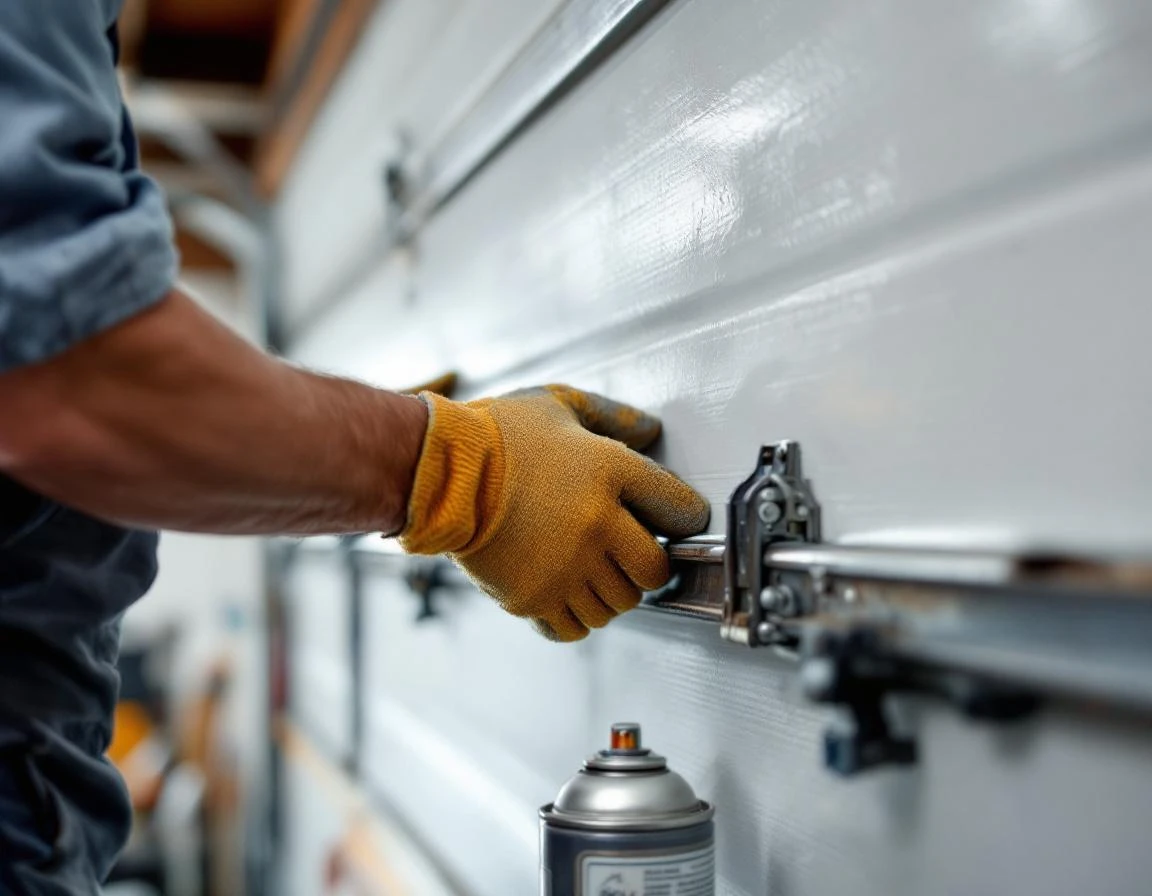
- Task 1: Lubricate Moving Parts to Prevent Freezing (15 minutes). Apply silicone-based spray lubricant to tracks, rollers, and hinges. Avoid WD-40, which attracts dirt and breaks down in cold temperatures. Materials needed: silicone spray lubricant, clean cloth.
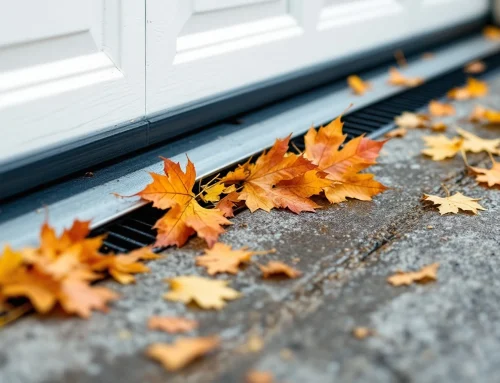
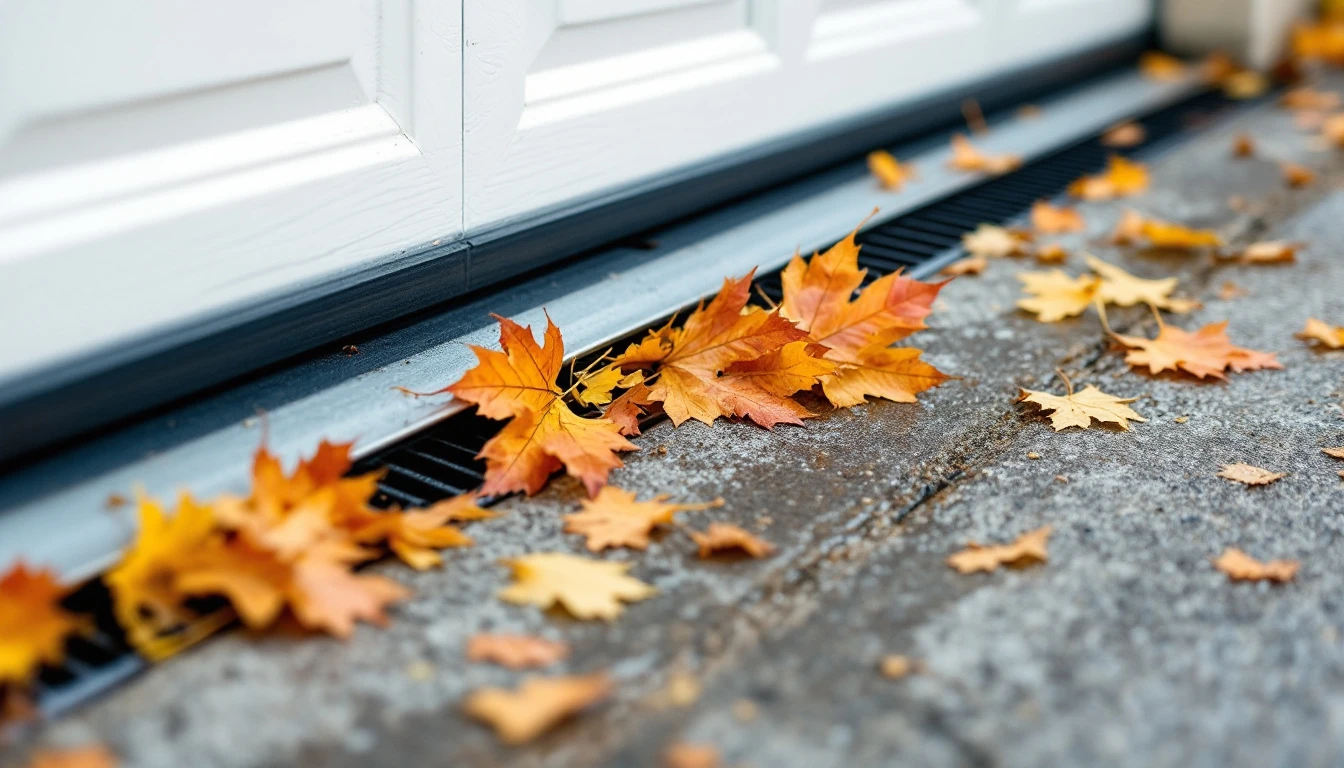
- Task 2: Clear Debris and Ice Dams from Tracks (10 minutes). Remove leaves, dirt, and standing water from tracks and drainage holes to prevent ice formation. Materials needed: stiff brush, shop vacuum.
- Task 3: Inspect and Replace Worn Weatherstripping (15 minutes). Check bottom seals and side weatherstripping for cracks or gaps where cold air enters. Materials needed: replacement weatherstripping, utility knife.
- Task 4: Test Door Balance and Alignment (5 minutes). Disconnect the opener and manually lift the door halfway—it should stay in place. Misalignment forces the motor to work harder in cold conditions. Materials needed: none.
- Task 5: Clean and Protect Metal Components (15 minutes). Wash away road salt residue and apply automotive wax or rust inhibitor to exposed metal surfaces. Materials needed: mild detergent, protective coating, microfiber towels.
Task 1: Lubricate Tracks and Moving Parts
Cold weather thickens standard lubricants, causing metal components to bind and freeze. This first task prevents these issues by creating a protective barrier that maintains smooth operation below freezing. Silicone-based spray is your winter ally—unlike WD-40, which attracts dirt and can freeze, silicone prevents ice buildup on moving parts.
Apply light coats to tracks, rollers, hinges, and springs with short bursts of spray. Wipe away excess lubricant to prevent ice accumulation during cold months. Test your door’s operation after application—it should move smoothly without grinding or hesitation. This 10-minute task protects your entire system from freeze-related damage throughout winter.
Task 2: Clear Tracks and Drainage Points
Debris in your garage door tracks creates friction that prevents smooth operation, while standing water freezes into solid ice that blocks movement completely. This combination causes the most common winter failure—a door that won’t budge when you need it most.
Use a dry brush or vacuum to remove leaves, dirt, and debris from both top and bottom tracks. Then grab a small stick or compressed air to clear the drainage holes at the bottom of your door frame. Preventing water accumulation that turns into ice dams. If you spot standing water or ice buildup, clear it now before temperatures drop. This 15-minute task prevents complete door lockouts during winter storms.
Task 3: Inspect and Replace Weatherstripping
Damaged weatherstripping creates gaps that let moisture, wind, and freezing air penetrate your garage. These openings accelerate rust on metal components and interfere with smooth door operation when ice forms along the seals.
Walk around your entire door frame and press on each seal section. Look for cracks, brittleness, or visible gaps. Close the door completely and check for light streaming through—any visible light indicates failed weatherstripping.
Replace worn seals with silicone-based weatherstripping rated for below-freezing temperatures. These materials resist cracking in cold conditions better than standard rubber. Budget 20 minutes for inspection and 30-45 minutes for replacement work.
Task 4 and 5: Test Balance and Apply Rust Protection
The final two maintenance tasks identify hidden problems before they strand you in the cold. These checks take just 25 minutes but prevent failures that cost hundreds to repair during winter.
For the balance test, start by disconnecting your garage door opener to prevent accidental activation. Manually lift the door to approximately the midway point—about four feet off the ground—and release it. A properly balanced door should stay level without drifting up or down. If the door drops or rises on its own, your springs need professional adjustment. Unbalanced doors strain motors in cold weather and fail more often when temperatures drop. This 10-minute test signals when to call experts before springs break unexpectedly.
Pacific Northwest winters bring salt spray and persistent moisture that accelerate corrosion on metal components. Inspect springs, hinges, rollers, and track hardware for rust spots or discoloration. Apply car wax to unpainted metal surfaces and use silicone-based rust inhibitor spray on exposed fasteners and brackets. This protective coating takes about 15 minutes and creates a barrier against winter moisture. For professional spring maintenance guidance, contact Garage Harmony—we help homeowners understand when DIY maintenance ends and expert service begins.
When to Call a Professional Instead
Never attempt to replace garage door springs yourself—these high-tension components store enough force to cause severe injury or death.
If your door hangs unevenly, appears asymmetrical, or has visible spring damage, contact licensed technicians immediately.
Other situations that demand professional help include severely rusted springs, cables, or hardware that could fail unexpectedly. If your door gets stuck midway, won’t open fully, or makes grinding sounds, you’re likely dealing with track misalignment or motor failure that requires specialized tools to diagnose and repair.
A professional pre-winter inspection costs between $100 and $200—a small investment compared to emergency service calls that run $500 to $2,000 during peak winter demand. Schedule your inspection with Garage Harmony before the first snowfall, when technicians have better availability and you can address issues before they become emergencies.