


Goldendale’s Unique Climate Challenges
Goldendale sits in Washington’s high desert north of the Columbia Gorge, where colder winters, extreme east winds, and dramatic temperature swings create garage door demands that differ from wetter Gorge communities. Understanding how Goldendale garage doors must perform in this high desert climate is essential for homeowners and agricultural property owners who face environmental stresses that standard doors cannot withstand.
Goldendale experiences colder winters
While Columbia Gorge communities like Hood River and White Salmon face cold, wet winters, Goldendale’s high desert location north of the Gorge brings even harsher conditions. Winter temperatures here regularly drop below freezing. Creating persistent freeze-thaw cycles that wreak havoc on garage door components.
These temperature swings cause metal springs to contract and expand repeatedly, accelerating metal fatigue. Rubber seals become brittle and crack in the dry cold, allowing moisture intrusion that freezes inside door panels and tracks. Standard garage doors designed for milder Gorge climates simply aren’t built to handle Goldendale’s punishing temperature extremes.
Extreme east winds unique to the region
Goldendale’s position north of the Gorge exposes properties to the same powerful east winds that make Hood River famous for windsurfing—but without the moderating influence of the river corridor. When these winds funnel through the region, gusts routinely reach 40-60 mph, placing enormous lateral stress on garage doors.
Standard residential garage doors aren’t built for this kind of punishment. Wind-rated garage doors Goldendale properties require include reinforced panel construction and heavy-duty track systems that prevent panel buckling and track separation during wind events. For agricultural properties common around Goldendale, barn doors and detached workshop structures need even more rigorous specifications—agricultural-grade hardware and wind-load ratings appropriate for exposed locations.
Does your current garage door flex visibly during wind storms? That movement accelerates wear on springs, rollers, and weatherstripping, leading to premature failure.
Wind-Rated Door Specifications for Goldendale Garage Doors
Wind ratings measure a garage door’s resistance to lateral pressure, expressed in miles per hour. When east winds roar across the high desert plateau, these ratings determine whether your door flexes safely or buckles under sustained gusts. For Goldendale properties, this isn’t abstract engineering—it’s the difference between a door that survives spring wind storms and one that requires emergency replacement.
Goldendale’s exposure to east wind events reaching 40-60 mph demands minimum wind-rated doors for all installations. Product specification sheets list wind ratings in a “Design Pressure” or “Wind Load” section, typically showing both positive pressure (wind pushing against the door) and negative pressure (wind pulling away from the structure). Look for doors rated to handle at least 50 mph sustained winds with higher gusts for this region.
Material construction affects wind performance in measurable ways. Steel doors with reinforced panel construction and deep ribbing maintain structural integrity under wind stress better than hollow composite panels. Carriage-style doors with decorative overlays add weight and rigidity, while modern aluminum-framed glass doors require commercial-grade engineering to achieve comparable wind ratings. Agricultural properties and detached garages face greater wind exposure than attached residential doors—without the shelter of the main structure, these installations need barn garage doors wind protection with reinforced strut systems.
This matters because Goldendale’s spring and fall wind events create repeated lateral stress. A door rated below regional wind speeds will eventually fatigue at panel joints, track connections, and hinge points. Proper wind ratings prevent the costly damage pattern this article addresses. Doors that fail not from age but from environmental forces homeowners can anticipate and build against.
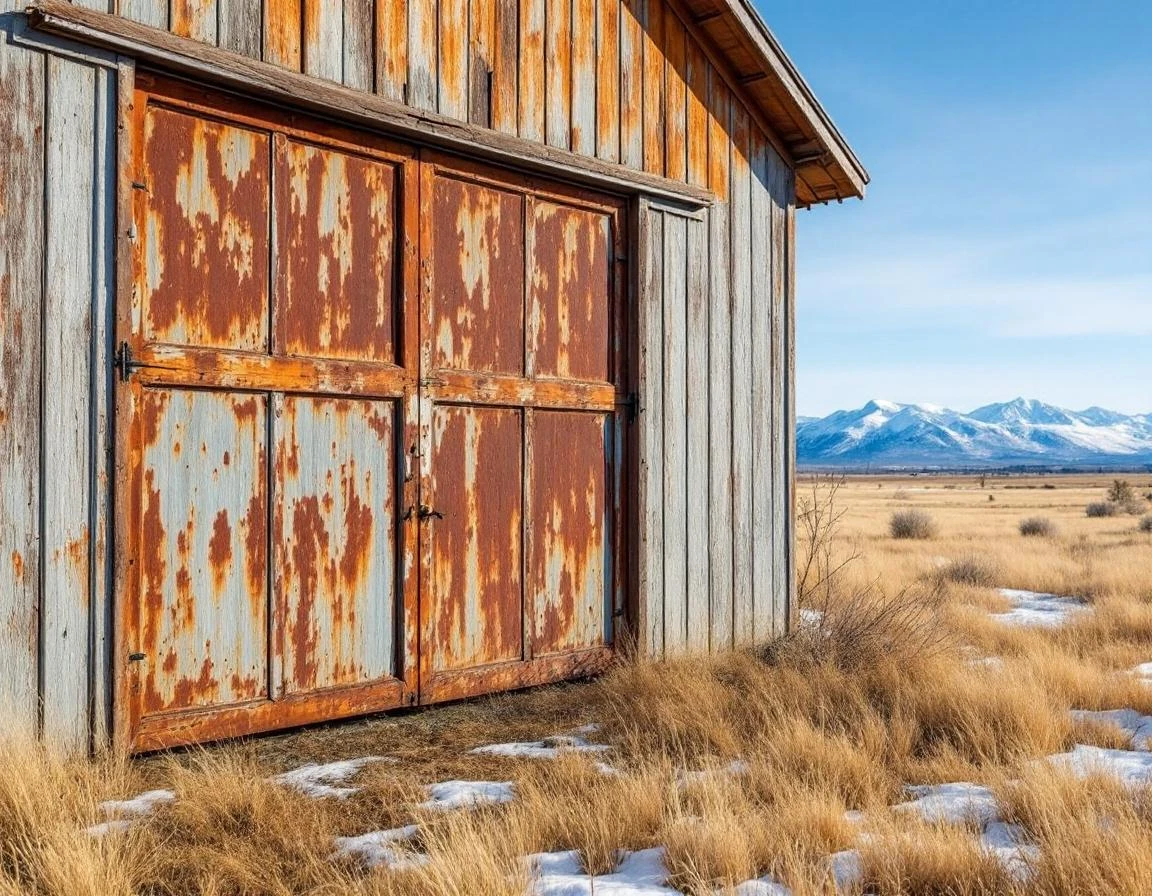
Insulation and Freeze-Thaw Protection
Insulated garage doors protect against Goldendale’s destructive freeze-thaw cycles by moderating the temperature swings that crack panels, degrade weather seals, and weaken springs. Understanding how insulation works in this high desert climate helps you choose doors that will last through decades of seasonal extremes.
R-value ratings measure insulation effectiveness—higher numbers mean better temperature control. For Goldendale’s winters, where overnight lows drop to 15-20°F and daytime sun can warm surfaces to 50°F, freeze-thaw resistant garage doors Columbia Gorge homeowners install carry R-values of 12-18 to prevent the rapid internal temperature changes that stress materials. Non-insulated doors experience the full temperature swing, causing metal components to contract overnight and expand during the day. This repeated stress fatigues springs, loosens hinge bolts, and splits weather seals along door edges.
The freeze-thaw cycle hits Goldendale differently than Gorge communities. Ground-level cold settles overnight, then daytime sun warms south-facing garage doors rapidly, melting any moisture on panels. When temperatures plunge again after sunset, that moisture refreezes and expands in tiny cracks and seal gaps, widening them with each cycle. By late winter, non-insulated doors show cracked bottom panels and compressed weather stripping that no longer seals properly.
Agricultural properties gain double benefits from insulated barn doors. Equipment stored inside stays protected from condensation that forms when warm machinery meets cold air. If you heat your shop or barn, insulated doors prevent heat loss through large door surfaces, reducing fuel costs throughout Goldendale’s five-month heating season.
Spring Cold-Weather Maintenance Tasks
Goldendale’s transition from high desert winter to summer demands a focused spring maintenance approach. April and May represent the critical window for catching freeze-thaw damage before extreme summer heat compounds existing problems. This timing matters because winter damage left unaddressed will worsen rapidly once temperatures climb into the 80s and 90s.
Task 1: Inspect for Winter Damage. Examine door panels for cracks, discoloration, or warping caused by repeated freeze-thaw cycles. Check springs for signs of metal fatigue or corrosion from moisture exposure. Inspect hinges for loosening or separation where freeze-thaw stress concentrates. Weather seals deserve special attention—look for brittleness, separation from the door frame, or visible gaps where cold air penetrated during winter months.
Task 2: Lubricate and Replace. Apply silicone-based lubricant to all moving parts including springs, hinges, rollers, and tracks. Metal components in Goldendale’s dry climate need protection against friction wear. Replace any weather seals showing deterioration with high-quality alternatives rated for temperature extremes. Fresh seals prevent continued moisture intrusion during spring storms and prepare the door for summer heat.
Task 3: Test Complete Operation. Run the door through several cycles to verify smooth movement and proper balance. Test safety sensors to confirm they stop and reverse the door when obstructed. Listen for unusual grinding or scraping sounds that indicate alignment issues or worn components requiring professional attention.
Agricultural properties and detached structures face higher exposure to weather extremes. Cold weather garage door maintenance high desert areas require monthly inspections during spring and fall transition seasons when temperature swings create the most stress on materials and hardware.
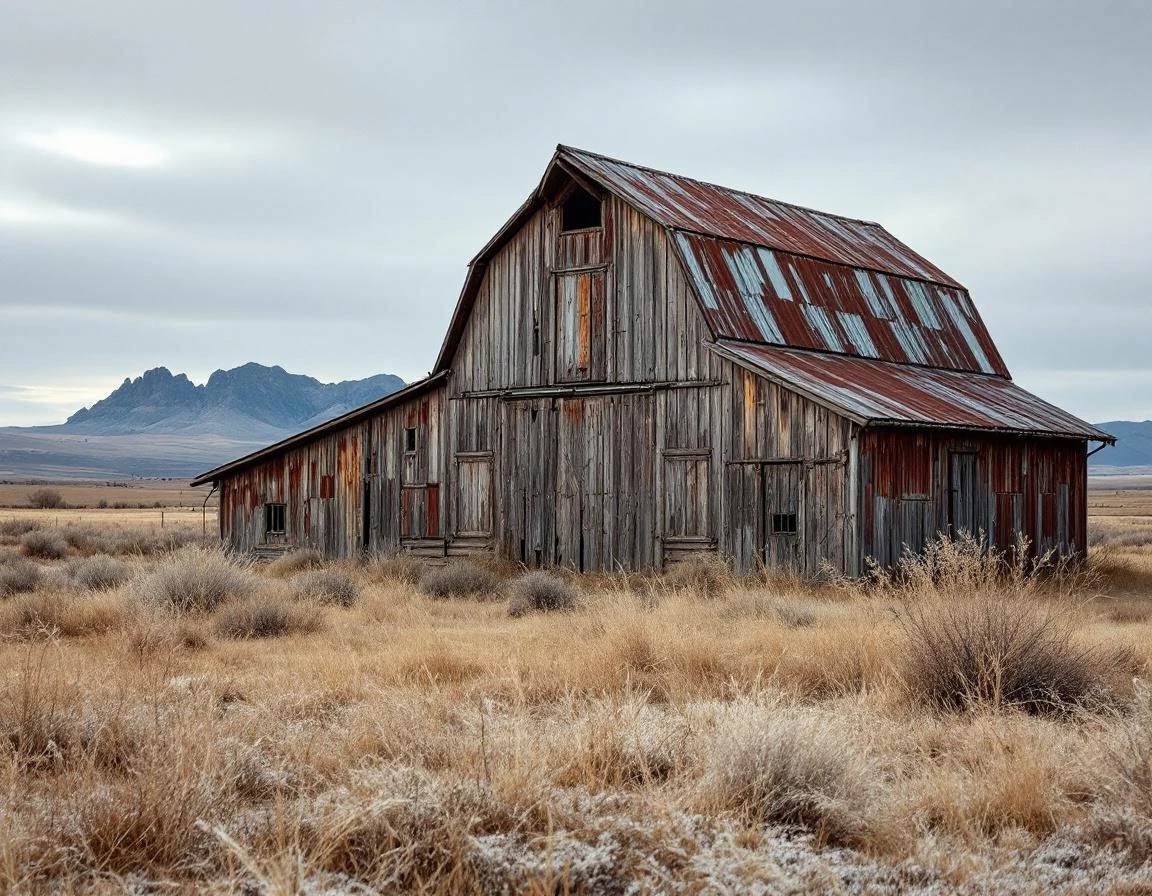
Material Selection for High-Desert Durability
Goldendale’s freeze-thaw cycles, dry air, and wind exposure demand garage door materials engineered for extreme conditions. Steel doors deliver the highest wind ratings and structural integrity, making them the top choice for properties facing 40-60 mph east winds. However, steel requires protective coatings to prevent rust formation during freeze-thaw transitions when moisture penetrates micro-cracks in bare metal.
Composite and aluminum alternatives handle Goldendale’s low-humidity environment without corrosion concerns. But these materials typically carry lower wind ratings than steel. For residential applications in sheltered locations, composite doors provide adequate performance. Agricultural properties benefit from traditional steel barn-style doors. Which offer superior load capacity for wide openings and resist warping under lateral wind pressure that would damage lighter materials.
Coating quality determines longevity under high-desert sun exposure. Epoxy and polyester finishes create UV-resistant barriers that prevent paint degradation and thermal expansion damage. Lower-grade paint finishes fade within three to five years under Goldendale’s intense summer sun, while premium coatings maintain protective integrity for decades. The right material selection prevents the costly replacement cycles that plague homes using doors designed for milder climates.
When to Upgrade vs. Maintain Your Current Door
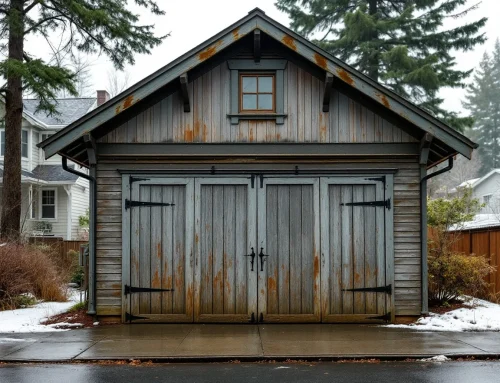
How do you know if your existing garage door is worth keeping? Start with a simple assessment framework that checks four critical factors against Goldendale’s climate demands. First, verify your door’s wind rating — does it meet or exceed the 50 mph standard for east wind protection? Second, check insulation — is your door rated to R-8 or higher to handle freeze-thaw cycles? Third, inspect for visible freeze-thaw damage including cracks in panels, rust stains around hardware, separated panel sections, or broken weatherseals. Fourth, evaluate your spring system age — if springs are original equipment on a door installed 10-15 years ago, they’re approaching failure risk.
If your door fails three or more of these checks, replacement becomes the cost-effective choice. You’ll gain modern wind protection, improved insulation, and eliminate the compounding maintenance costs of an aging system. If your door passes most checks but shows minor damage like weatherseal wear or surface rust, targeted maintenance extends its service life by 3-5 years while you plan for eventual replacement.
Agricultural property owners face a different calculation. Agricultural garage door solutions Goldendale Oregon installed before 2010 rarely meet current wind standards — they were often built for basic weather protection rather than the lateral load resistance Goldendale’s east winds demand. Replacement provides both safety benefits during storm events and long-term durability that reduces emergency repair calls. Modern agricultural doors engineered for wind exposure protect valuable equipment and eliminate the recurring costs of repairing wind-damaged panels and hardware.

Leave A Comment