Why Oregon’s Climate Demands Material-Specific Garage Door Choices
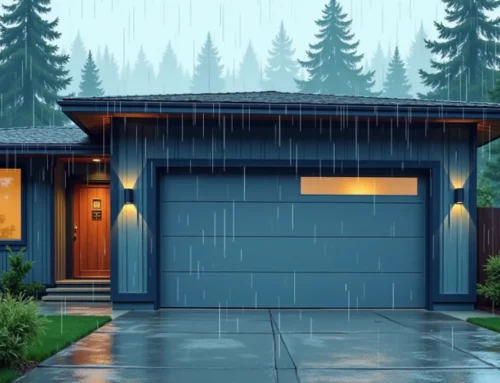
Here’s the hard truth: Portland’s weather is uniquely brutal on garage doors. With 43 inches of annual rainfall concentrated between October and May, moisture doesn’t just visit your garage door—it moves in permanently. Standard garage door materials that perform fine in drier climates fail fast here, often showing rust spots, warping, or rot within just a few years of installation.
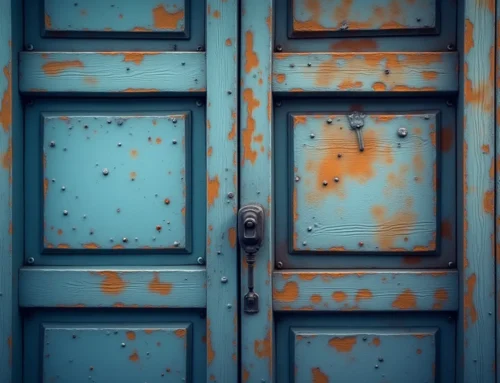
What makes the Portland metro area particularly challenging? It’s not just the rain. The combination of high humidity, frequent temperature swings, and prolonged wet periods creates a perfect storm for material degradation. Untreated steel doors develop rust along panel seams and at the bottom edge where water pools. Softwood doors absorb moisture during our wet winters, then crack and split when summer heat arrives. These aren’t cosmetic issues—they’re structural failures that cut your door’s functional lifespan in half.
Across Beaverton, Gresham, and Lake Oswego, we see the same pattern: homeowners who choose standard materials designed for national markets end up replacing their doors years earlier than necessary.
The difference between a garage door that lasts 10 years versus 20 years in Oregon? Selecting materials specifically engineered to handle moisture exposure and temperature fluctuation. That’s not marketing talk—it’s basic material science applied to Pacific Northwest reality.
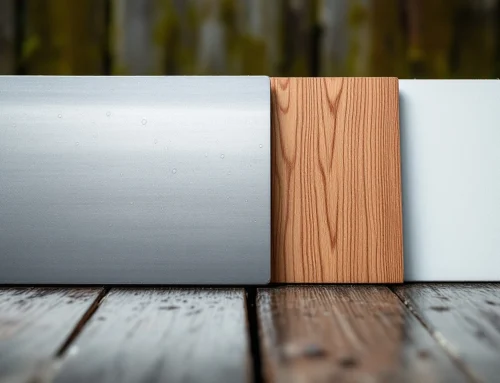
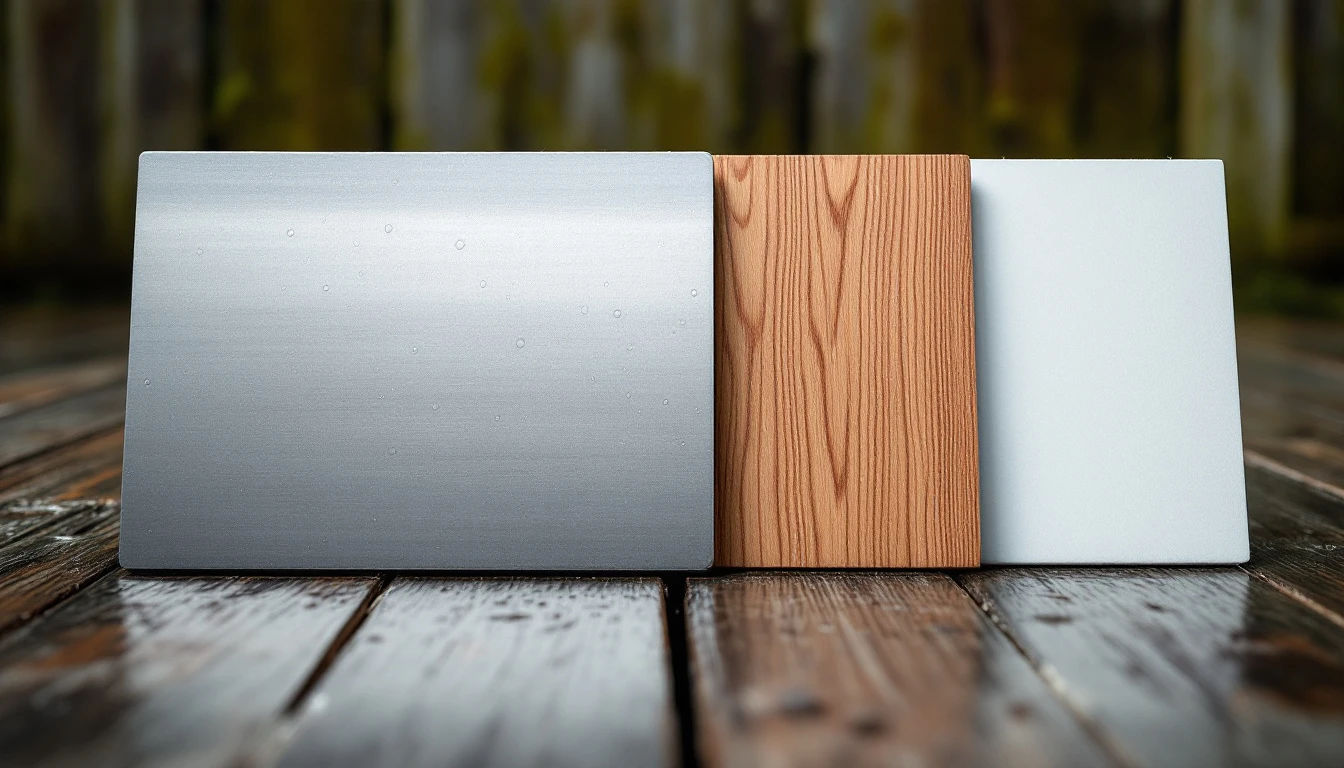
Best Garage Door Materials for Portland Oregon: Material Comparison
Not all garage door materials handle Portland’s wet climate equally. Let’s break down how the four main options perform in Oregon’s moisture-heavy environment, with concrete timelines and maintenance requirements specific to our region.
Steel: Reliable With Regular Upkeep
Galvanized steel garage doors resist rust better than bare steel, but they still require vigilance in Portland. A galvanized steel door lasts 12-15 years in our wet climate compared to 20+ years in dry regions like Arizona. The key difference? Moisture exposure. Any scratches or dings that expose bare metal become rust entry points within months of rain exposure. Plan to inspect and touch up paint every 18-24 months to maintain protection. Painted steel doors need similar attention, with repainting required every 5-7 years to prevent corrosion from starting beneath the finish.
Aluminum: The Moisture Champion
Aluminum naturally resists corrosion, making it ideal for Portland’s 43 inches of annual rainfall. These doors won’t rust, even with scratches, and they maintain structural integrity for 20-25 years with minimal maintenance. The lightweight nature also reduces strain on openers during Oregon’s wet winters. For homeowners prioritizing longevity with low upkeep, aluminum delivers. The tradeoff? Aluminum dents more easily than steel, so consider your garage’s exposure to impacts.
Composite and Engineered Wood: Modern Moisture Solutions
Composite materials and engineered wood products solve traditional wood’s moisture problems. These doors resist rot and swelling even during Portland’s extended rainy seasons, lasting 15-20 years with moderate maintenance. They require resealing every 3-4 years rather than the 2-3 years solid wood demands. Our material comparison guide details the specific composite options available.
Solid Wood: Beautiful But Demanding
Real wood garage doors offer unmatched aesthetic appeal but demand substantial commitment in Oregon’s climate. Without proper sealing every 2-3 years, moisture penetrates the wood, causing rot, warping, and paint failure. Even with diligent maintenance, expect a 12-15 year lifespan maximum. The annual cost of professional sealing often exceeds the initial savings versus composite alternatives. For detailed material specifications, visit our garage door materials page.
Steel Garage Doors: Durability and Rust Resistance in Pacific Northwest Weather
Steel remains Portland’s most popular garage door material, but not all steel performs equally in Oregon’s wet climate. Galvanized steel—coated with a protective zinc layer—offers the best moisture resistance, while painted steel provides a secondary barrier against humidity. Bare steel, by contrast, rusts rapidly in Portland’s 43 inches of annual rainfall.
With proper maintenance, galvanized and painted steel doors last 12-15 years in Oregon weather. Without regular care, expect closer to 10 years before rust compromises structural integrity. The culprit? Portland’s humidity accelerates corrosion at vulnerable points: paint chips from hail or debris, door edges exposed to rain splash, and panel joints where moisture collects.
Annual inspections are essential.
Check for paint chips, rust spots, and moisture accumulation along bottom panels. Touch up scratches immediately with matching paint to seal the underlying steel. This preventive approach extends lifespan significantly, making steel a viable—though maintenance-intensive—choice for Pacific Northwest homeowners.
Aluminum and Composite Materials: Low-Maintenance Options for Oregon Rain
If you’re looking for materials that stand up to Portland’s 43 inches of annual rainfall with minimal upkeep, aluminum and composite doors offer compelling alternatives to steel. Aluminum naturally resists corrosion because it doesn’t rust—when exposed to moisture, it forms a protective oxide layer instead of degrading. This makes it an excellent choice for Oregon’s wet climate, requiring little more than occasional cleaning to maintain performance.
Composite materials, which blend wood fibers with plastic polymers, resist the moisture swelling and rot that plague solid wood doors. Unlike wood that absorbs water and warps, composites maintain dimensional stability even during Portland’s extended rainy seasons. Both aluminum and composite doors typically last 15-20 years in Portland weather with less maintenance than steel alternatives.
Yes, these options come with higher upfront costs—typically more than standard steel. But consider this: the reduced maintenance requirements and extended lifespan often offset that initial investment. You’ll spend less time repainting, treating rust spots, or dealing with weather damage. Still, these materials aren’t maintenance-free—check our maintenance schedule guide to understand the ongoing care they do require.
Wood Garage Doors: When to Choose Them and Required Oregon Maintenance
Solid wood garage doors crafted from cedar or redwood offer unmatched beauty and curb appeal, particularly for Portland’s historic Craftsman bungalows in neighborhoods like Irvington and Laurelhurst. However, these doors demand significant maintenance commitment in Oregon’s wet climate. Without proper care, moisture infiltrates wood grain, causing swelling, warping, and eventually rot.
The difference between treated and untreated wood is dramatic in Portland’s 43-inch annual rainfall environment. Untreated wood doors typically fail within 5-7 years as constant moisture exposure accelerates decay. In contrast, properly sealed and maintained wood doors can last 10-12 years—but only with diligent care.
You’ll need to reapply high-quality sealant or marine-grade paint every 2-3 years minimum, inspecting for moisture damage after each rainy season.
Wood doors cost more upfront than steel or composite options and require substantially more labor over their lifespan. Annual maintenance includes cleaning, inspecting for cracks or peeling finish, and spot-treating vulnerable areas like bottom panels that absorb ground moisture. Despite these demands, wood remains the preferred choice for homeowners prioritizing aesthetics in premium properties or maintaining historic character. If you’re willing to invest the time and expense, wood delivers unparalleled visual appeal—just accept that moisture protection is non-negotiable in Portland’s climate.
Choose Your Material: Portland Garage Door Decision Framework
So how do you choose the right material for your garage door in Portland’s climate? Start by honestly assessing your maintenance commitment level and budget. These two factors should drive your decision more than anything else.
- Choose steel if you’re budget-conscious and willing to inspect your door annually for rust spots, particularly after Portland’s wet winter months. You’ll get solid performance for 12-15 years with regular touch-ups, making it the most cost-effective option for most homeowners.
- Choose aluminum or composite if you want zero rust risk and prefer minimal maintenance. Yes, you’ll pay 20-40% more upfront, but you’ll eliminate the annual inspection routine and extend your door’s lifespan to 15-20 years. For busy Portland homeowners who’d rather not think about garage door maintenance, this investment pays off.
- Choose wood only if aesthetics override maintenance concerns and you’re committed to refinishing every 2-3 years. Wood offers unmatched curb appeal for historic homes in neighborhoods like Irvington or Laurelhurst, but it demands the most attention in Oregon’s moisture-heavy climate.
Here’s the critical point: proper installation and weatherproofing add 2-3 years to any material’s lifespan in our region. Even the best material fails early without correct seals and threshold protection.
When choosing the best garage door material for your climate and budget, expert installation makes all the difference. Ready to make the right choice for your home? Contact Garage Harmony today to schedule a consultation with our experts who understand Portland’s unique climate challenges.