


Mt. Hood Weather Damage to Estacada Garages
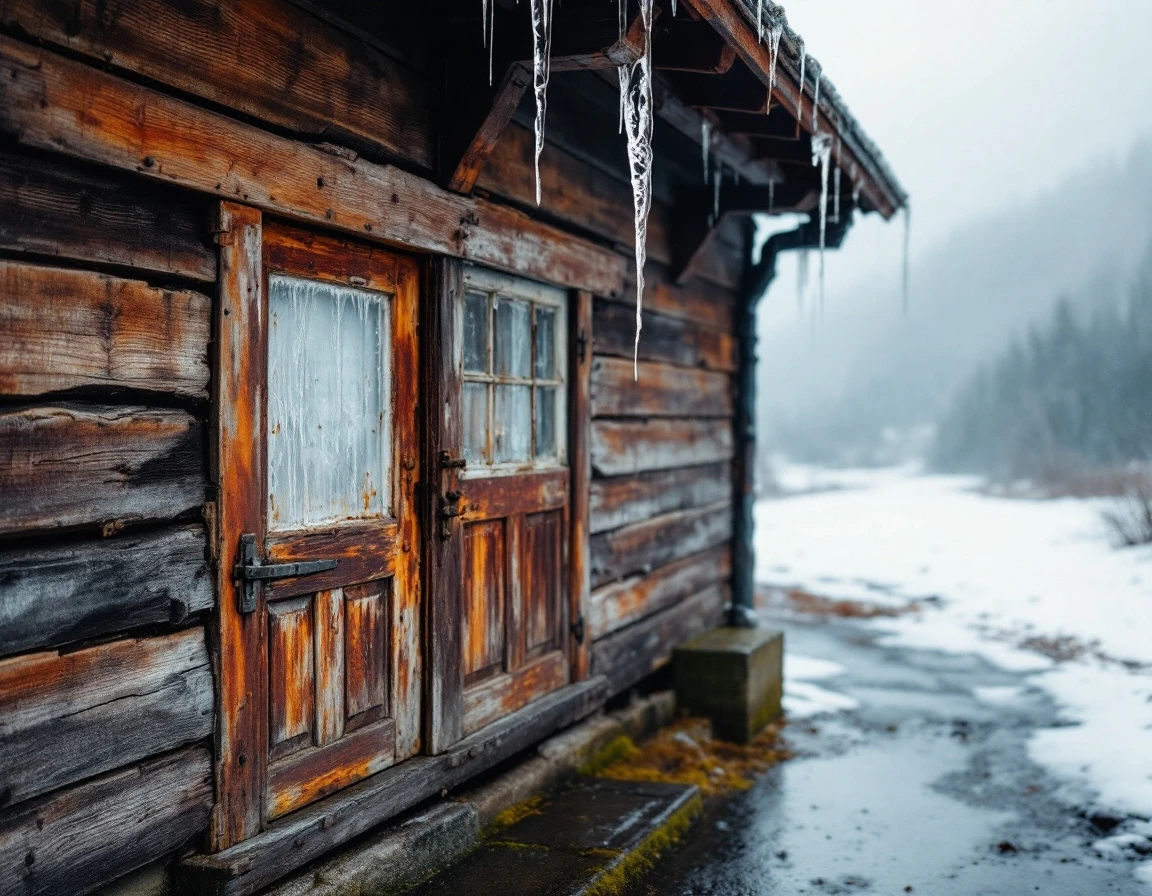
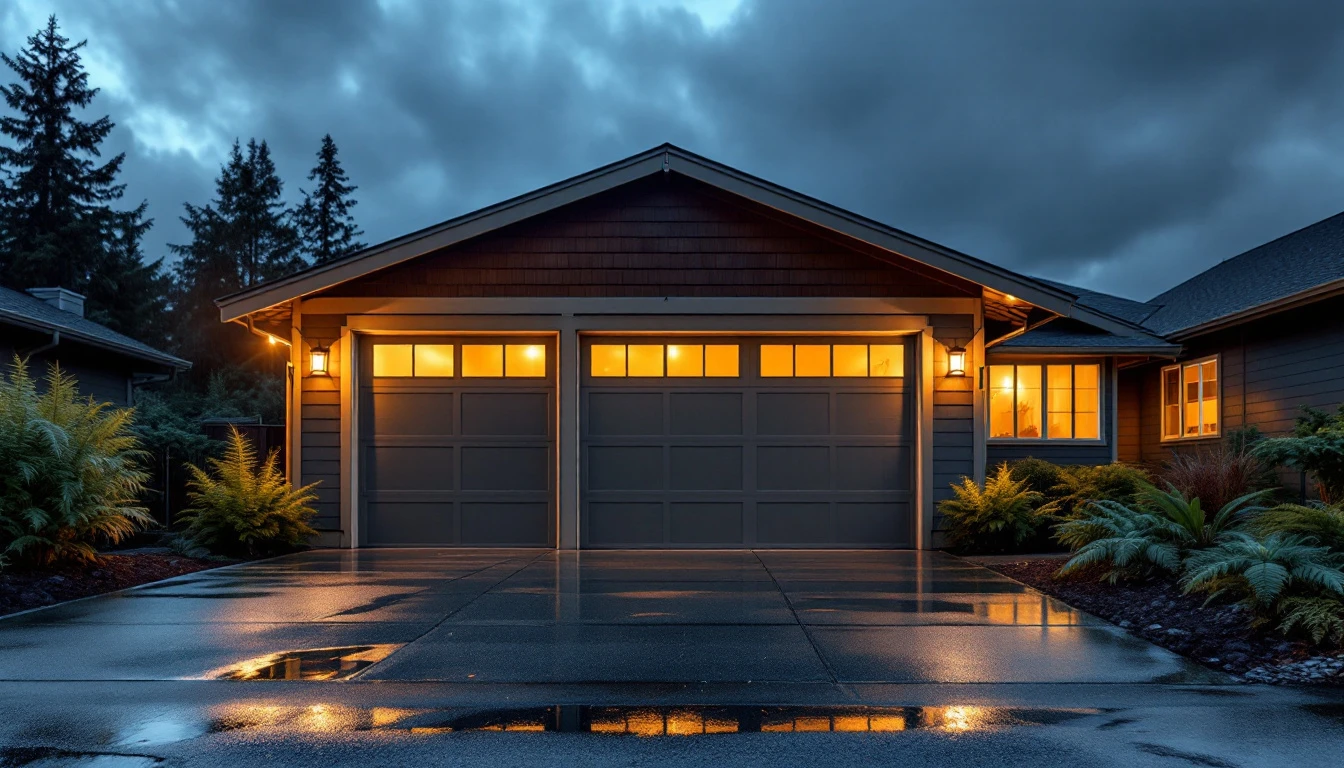
Estacada homeowners face garage maintenance challenges unlike anywhere else in Clackamas County. The town’s position at the western edge of Mt. Hood National Forest means ice storms and spring snowmelt hit harder here than in valley communities like Wilsonville or Oregon City. Estacada garage maintenance for Mt. Hood weather demands attention to unique damage patterns that valley communities never experience. When weather systems move through the Cascade foothills, Estacada sits directly in the path of freezing rain that coats garage roofs, doors, and frames in ice.
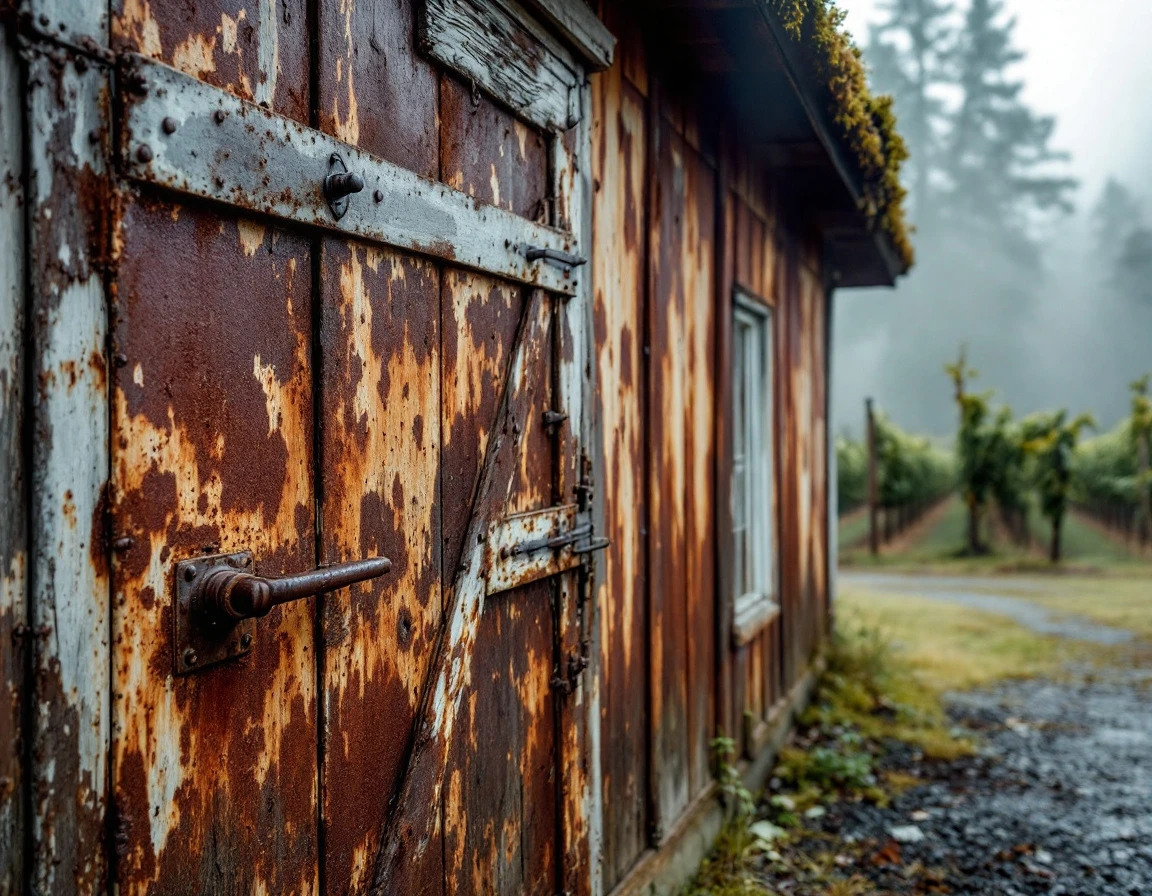
This elevation-driven weather pattern creates a destructive freeze-thaw cycle that repeats throughout winter and into April. Water seeps into wood siding, door seals, and roof joints during storms. When temperatures drop overnight, that moisture freezes and expands, forcing gaps wider. As temperatures rise the next day, the ice melts and drains deeper into structural cavities. Month after month, this cycle causes wood rot in door frames, rust on metal hardware, and compromised weatherstripping.
The stakes are higher for Estacada residents because of what they store inside. Large detached garages here hold kayaks for the Clackamas River, ATVs for forest trails, climbing gear, and ski equipment for Mt. Hood. Water damage from unrepaired roof leaks or failed door seals can destroy thousands of dollars in recreational equipment before you notice the problem. April’s thaw marks the moment when accumulated winter damage becomes visible and repairable.
Outdoor equipment storage garage Estacada residents rely on requires proactive spring inspections to prevent season-ruining losses.
Four Critical Spring Inspections for Estacada Garage Maintenance
As Estacada’s April thaw sends Mt. Hood snowmelt through your property, four strategic inspections protect the thousands of dollars in outdoor equipment your garage houses. These checks follow a priority order based on potential damage costs, starting with the systems that route water away from your building and ending with structural assessments that catch hidden problems before they escalate.
The four critical inspections are:
- Roof and Gutter System: Your First Line of Defense
- Foundation and Floor Drainage: Stopping Water at Ground Level
- Door Seals and Weatherstripping: The Moisture Barrier
- Interior Structural Assessment: Finding Hidden Damage
Roof and Gutter System: Your First Line of Defense
Start at the top. Ice dams and freeze-thaw cycles leave gutters packed with debris and rooflines vulnerable to leaks. Walk your roofline looking for missing or damaged shingles, particularly along valleys where snowmelt concentrates. Check every downspout to confirm water flows away from your foundation rather than pooling near garage walls.
Why does this matter most? A compromised roof means total loss exposure for everything below—your kayaks, ATVs, camping gear, and workshop tools face water damage from above. Red flags demanding professional attention include sagging gutter sections, visible daylight through roofing, water stains on ceiling rafters, or downspouts that empty within three feet of your foundation.
Foundation and Floor Drainage: Stopping Water at Ground Level
Once roof systems pass inspection, examine how water behaves around your garage foundation. The spring thaw creates saturated soil conditions that push moisture through any weakness in your concrete slab or foundation walls. Look for standing water along exterior walls, dampness on interior floor edges, or efflorescence (white mineral deposits) on concrete surfaces.
Equipment stored directly on damp concrete develops rust on metal frames and electrical corrosion. Check that your garage floor slopes toward the door opening and that exterior grading directs runoff away from the building. Call for professional help if you find cracks wider than a quarter-inch, persistent puddles after rain stops, or moisture wicking up wall framing.
Door Seals and Weatherstripping: The Moisture Barrier
Garage doors face direct exposure to Estacada’s wet spring conditions. Inspect bottom seals for compression damage from ice, side weatherstripping for gaps that admit wind-driven rain, and threshold seals for deterioration. Close your garage door on a sunny day and look for light penetration—anywhere light enters, water follows.
Compromised door seals allow moisture infiltration that damages sensitive equipment like generators, power tools, and recreational gear electronics. Replace any weatherstripping that feels brittle, shows visible cracks, or has pulled away from mounting surfaces.
Interior Structural Assessment: Finding Hidden Damage
Finally, examine interior surfaces for problems that develop slowly through winter. Run your hand along wall studs and ceiling beams feeling for soft spots that indicate rot. Use your nose—musty odors signal mold growth inside wall cavities. Check corners where roof and walls meet for discoloration or dark staining.
Structural deterioration progresses quickly once started, turning minor repairs into major reconstruction projects. Seek professional assessment if you find spongy wood, visible mold colonies, or beams that sag under their own weight.
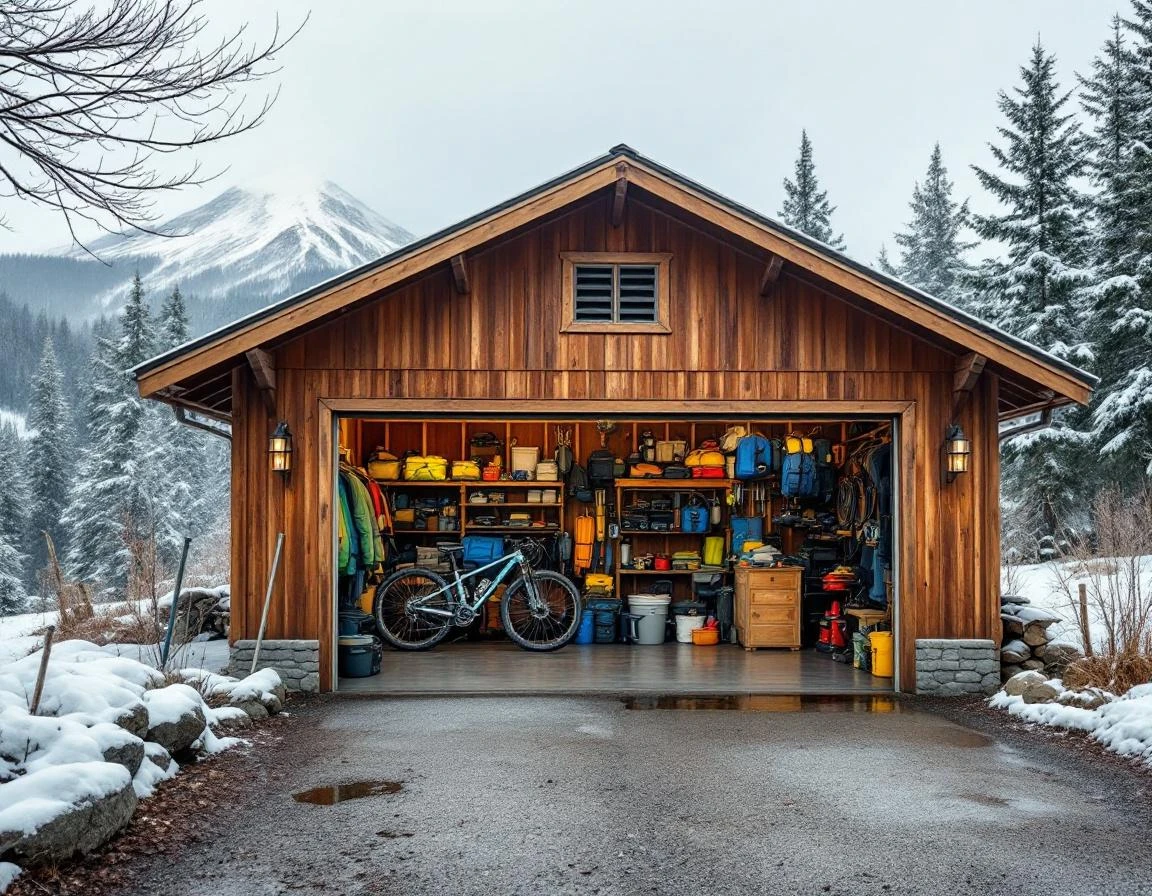
Roof and Gutter Assessment
After Estacada’s winter freeze-thaw cycles, your garage roof and gutters face intense stress from Mt. Hood snowmelt. As temperatures rise in April, ice dams that formed along the roofline during cold snaps begin to melt, creating rushing water that overwhelms gutters weakened by heavy snow loads. This is when failures happen—and when water finds its way into your garage, threatening stored kayaks, climbing gear, and camping equipment with the kind of damage that ruins expensive outdoor investments.
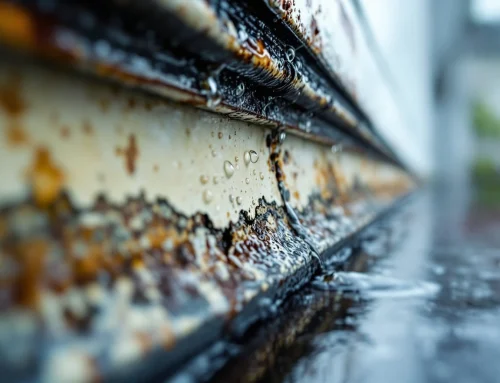
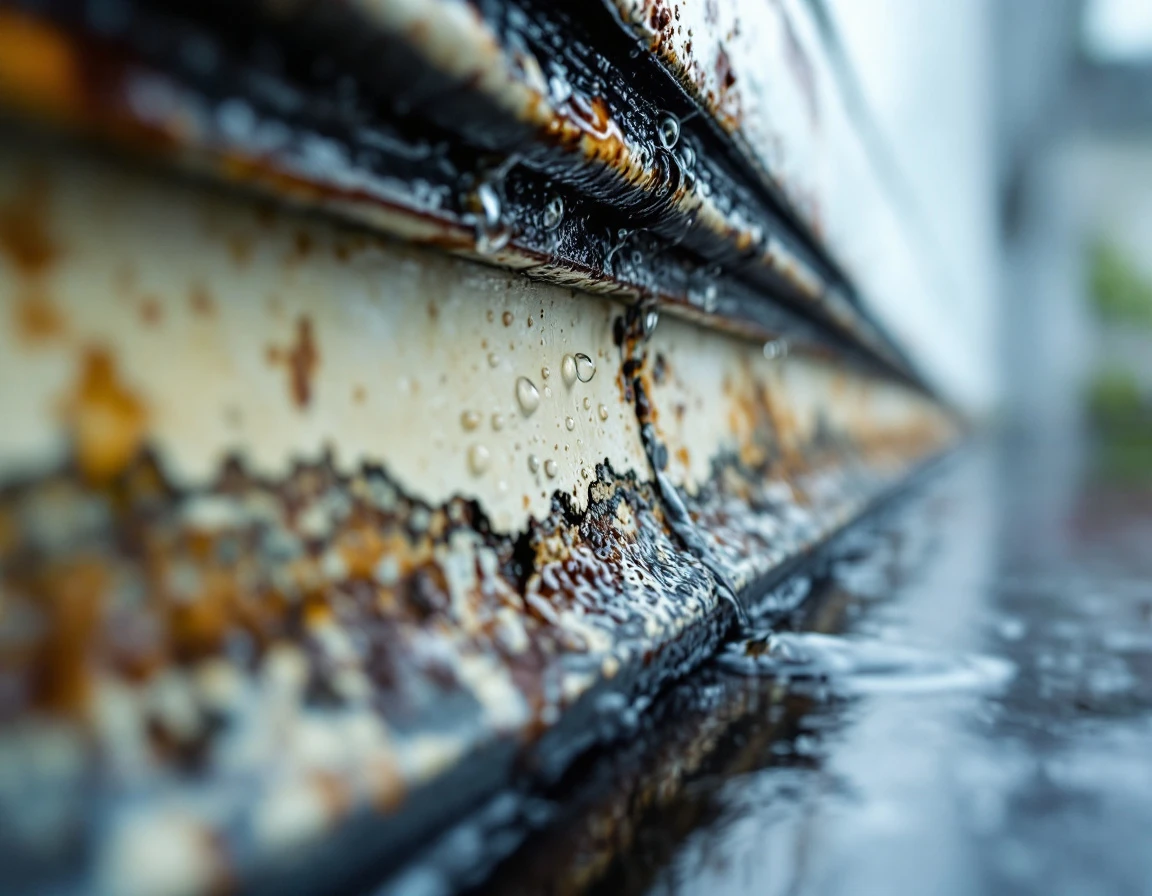
Walk the perimeter of your garage and look up. Missing or curled shingles indicate ice damage. Check metal gutters for rust spots where ice scraped away protective coatings. Look for standing water or ice dam residue—white mineral deposits along the roofline. Clear all debris from gutters and downspouts, then run water through with a hose to confirm proper flow away from the foundation.
When should you call a professional roofer? If you spot sagging gutters, multiple missing shingles, or interior water stains on garage ceilings, schedule an assessment before the next rain.
DIY cleaning works for debris removal, but structural repairs require expertise to prevent catastrophic leaks that destroy thousands of dollars in stored equipment.
Foundation Drainage and Floor Condition
After Mt. Hood’s snowmelt season, foundation drainage becomes your garage’s first line of defense against equipment damage. The freeze-thaw cycles that Estacada experiences through winter create new cracks in concrete, and when spring runoff arrives, water exploits these openings with relentless pressure. Groundwater levels rise as snowpack melts, pushing moisture through foundation walls and floor joints that remained dry all winter. Spring snowmelt garage inspection tips focus on identifying these drainage failures before they destroy thousands in stored outdoor equipment.
Start your inspection by examining the garage floor for water stains, particularly along the perimeter where walls meet the slab. Look for efflorescence—those white, powdery mineral deposits that signal water movement through concrete. Check foundation walls for cracks, distinguishing between hairline settling cracks (typically cosmetic) and structural cracks wider than a quarter-inch or showing displacement.
Walk your property’s perimeter to verify grading slopes away from the garage at least six inches over ten feet. Confirm downspouts discharge water at least six feet from the foundation, not just dumping it against the structure. Poor drainage corrodes metal tools, rusts ATV frames, and creates the damp conditions where mold colonizes climbing gear and camping equipment.
Call a structural engineer if cracks show displacement, follow a stair-step pattern in block walls, or extend through the full thickness of concrete. Contact a drainage specialist for persistent floor moisture, erosion near downspouts, or standing water after storms. These professionals address different problems—choose based on whether the issue stems from foundation failure or water management.
Weatherstripping and Door Seal Replacement
After a winter of ice storms and freeze-thaw cycles along the Mt. Hood corridor, your garage doors have taken a beating. Ice accumulation pushes against door frames, compression from repeated freeze-thaw stress flattens weatherstripping, and the door alignment can shift as foundations heave and settle. These combined forces create gaps that funnel moisture directly into your workshop just as you’re pulling out thousands of dollars in camping gear, ATVs, and mountain bikes for spring recreation season. Detached garage weatherproofing Clackamas County homes need special attention given the region’s intense freeze-thaw stress.
April offers the perfect inspection window before summer heat hardens damaged seals beyond repair. Start with a simple water test: close both your main garage door and any personnel doors, then have someone spray a garden hose around the perimeter while you stand inside looking for drips or wet spots. Run your hand along all edges checking for air gaps. Inspect weatherstripping closely for cracks, tears, or permanent compression that won’t spring back when pressed.
Replacing worn weatherstripping costs $50 to $150 in materials and takes a few hours for most DIY-capable homeowners. This modest investment protects equipment worth thousands from rust and corrosion. However, if you notice the door itself sits unevenly in the frame or gaps appear wider than a quarter-inch even with new weatherstripping, the frame likely shifted during winter freeze-thaw cycles. At that point, professional door adjustment or replacement becomes necessary to restore proper sealing and prevent ongoing moisture damage.
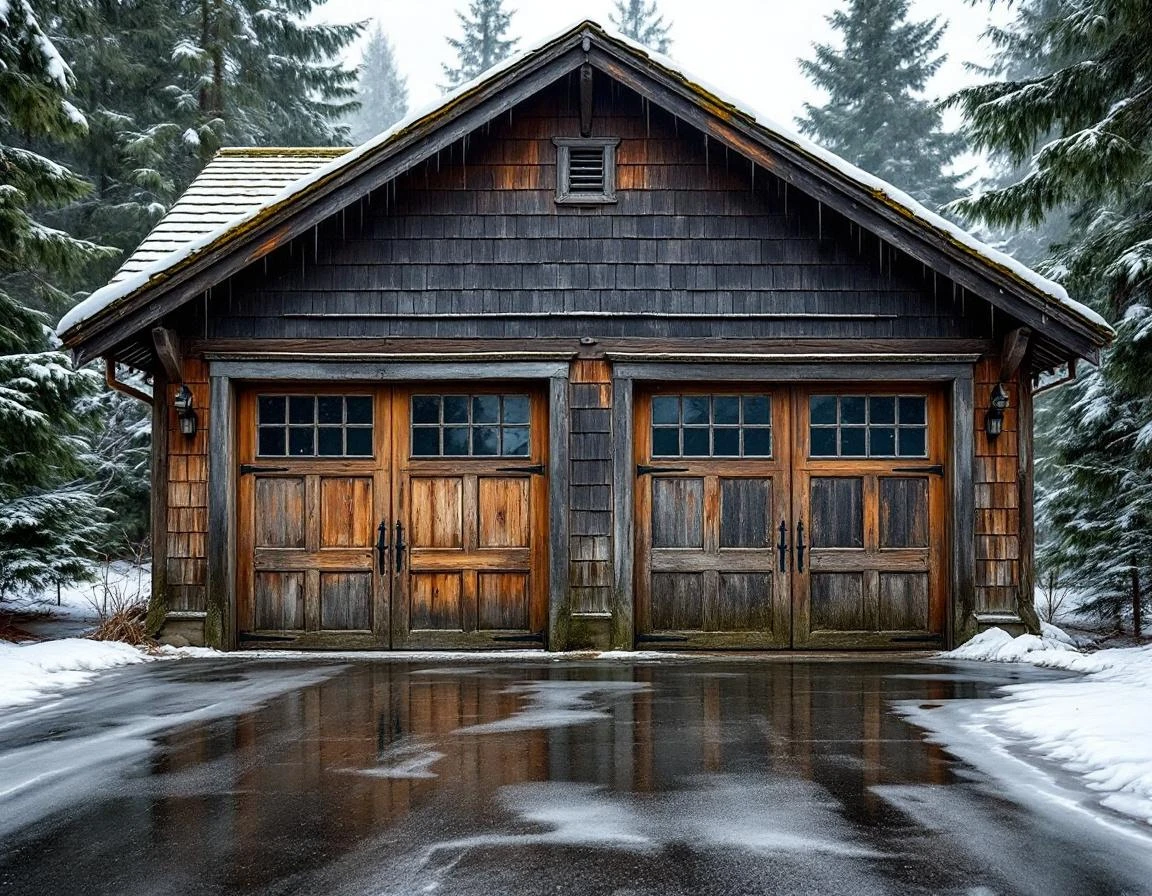
Interior Structural and Mold Risk Assessment
Mt. Hood’s persistent spring moisture creates perfect conditions for mold growth inside detached garages. As snowmelt saturates the ground and April rains pound Estacada. Uninsulated garage walls trap humidity. Freeze-thaw cycles from winter have already weakened wooden structural members, creating entry points for moisture that feeds mold colonies. Garage workshop winter storm damage prevention means addressing humidity before it creates mold problems.
Start your interior inspection by examining exposed wall framing and ceiling beams. Run your hand along wooden surfaces, checking for soft spots that indicate rot. Look for dark staining or discoloration on lumber—this often appears before visible mold growth. Trust your nose: a musty, earthy smell means mold spores are already active, even if you can’t see them yet.
Check your stored equipment next. Inspect climbing uses, rope, and webbing for fuzzy growth or dark spots. Mold on safety gear creates life-threatening risks—spores weaken fibers that must hold your weight on Mt. Hood trails. Examine kayak interiors and tent fabric for similar contamination. Mold doesn’t just smell bad; it breaks down synthetic materials and causes respiratory problems when you’re working in your shop.
Light surface mold on concrete or metal shelving? Scrub it with diluted bleach and improve ventilation. But if you find structural wood rot, extensive wall mold, or contamination on multiple pieces of equipment, call a professional. The damage cascade accelerates quickly once mold establishes itself in wooden framing.
DIY Versus Professional Help Decision
After completing your April garage inspection, you face a critical question: which repairs can you handle yourself, and when should you call licensed professionals? Understanding this boundary protects both your outdoor equipment investment and your personal safety.
Tasks that fall clearly into DIY territory for Estacada homeowners with basic tools include:
- Weatherstripping replacement requiring measuring, cutting, and adhesive application
- Gutter cleaning involving debris removal and downspout flushing
- Light surface mold removal on patches smaller than 10 square feet using household cleaners and protective gear
- Equipment relocation to prevent contact with damp surfaces
Other problems demand professional expertise. Roof damage from ice storms affects structural integrity and waterproofing layers that DIY patches cannot properly restore. Foundation cracks spreading from freeze-thaw cycles require engineers to assess whether movement threatens your building. Wood rot penetrating framing members needs contractor evaluation to determine repair scope. Mold remediation beyond surface patches involves containment protocols and air quality testing that specialists provide.
The financial math clarifies this decision: a professional inspection identifies hidden risks threatening your valuable kayak collection and recreational equipment stored inside. Contact roofers for structural damage assessment, foundation engineers for crack evaluation, mold specialists for extensive growth, and garage door technicians for seal and frame repairs. Protecting your investment in equipment justifies investing in expert diagnosis.

Leave A Comment