Wine Country Moisture Threats to Wood
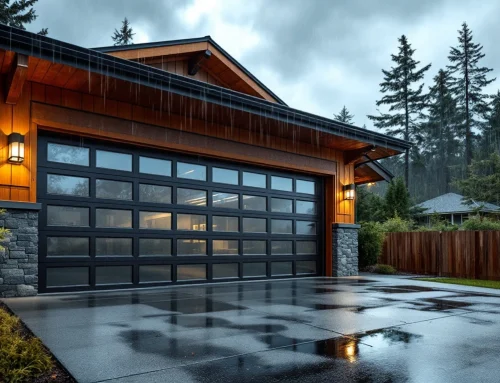
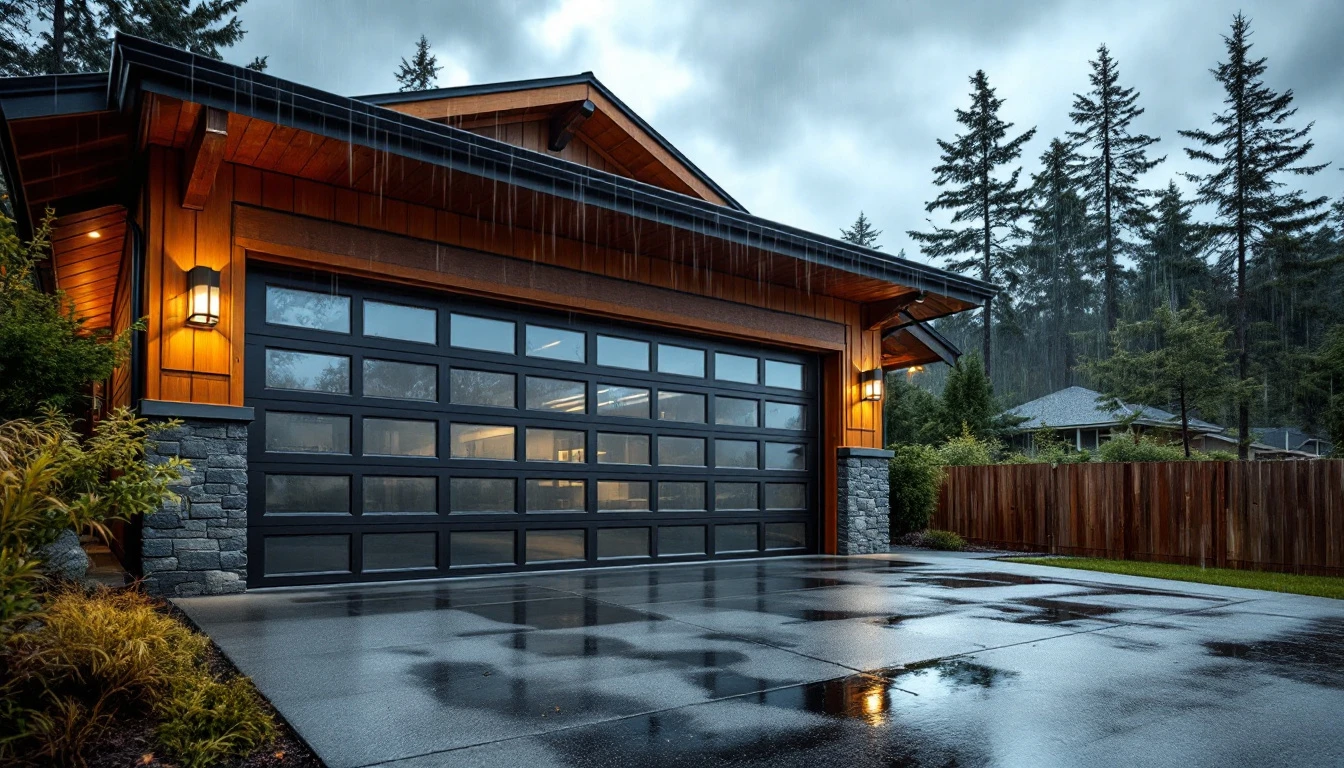
Your wooden garage door faces a year-round moisture assault in the Willamette Valley. The region’s persistently humid climate creates constant exposure that untreated wood simply cannot withstand. Unlike drier climates where wood might dry out between rain events, wine country’s atmospheric moisture keeps wood fibers continuously vulnerable to penetration.
What makes spring particularly dangerous? March through May brings frequent rain combined with temperature swings between cool mornings and warmer afternoons. This pattern forces wood to absorb moisture, expand, then contract as temperatures rise—sometimes multiple times in a single day. Each cycle creates micro-fractures in the wood grain, weakening the cellular structure from within.
Untreated wood lacks the protective barrier that seals the grain. Moisture penetrates directly into the fiber bundles, causing them to swell unevenly. You’ll notice warping along panel edges first, followed by joint separation as the wood pulls against fasteners. But the real danger starts invisibly: fungal spores thrive in damp wood. Establishing colonies deep in the grain before surface rot becomes apparent.
By the time you see discoloration or soft spots, decay has already compromised the door’s structural integrity. A protected door maintains its dimensional stability and resists fungal colonization, while an untreated door in the same McMinnville or Newberg driveway shows swelling, splitting, and early-stage rot within two to three seasons.
Three Critical Protection Strategies
Before April showers arrive in Wine Country, wooden garage doors need a three-pronged defense against moisture damage. No single approach works alone—these strategies function as an integrated system that blocks water penetration, manages humidity, and catches problems early.
Strategy 1: Protective sealing creates a waterproof barrier using stain, polyurethane, or epoxy finishes applied before spring rains intensify. This outer defense stops moisture from entering wood grain.
Strategy 2: Proper drainage and ventilation redirects water away from door surfaces through functional gutters, door bottom seals, and interior moisture control that prevents humid air from condensing on wood.
Strategy 3: Regular inspection and maintenance involves quarterly checks for swelling, discoloration, and soft spots—catching minor issues before they become structural failures.
Together, these three strategies form a complete protection system. The following sections break down exactly how to implement each approach in your McMinnville, Newberg, or Dundee home.
Protective Sealing: Application Before Spring
Protecting your wooden garage door starts with choosing the right sealant. Penetrating sealants like oil-based polyurethane and exterior wood stains outperform surface finishes in Oregon Wine Country’s wet climate because they soak into the wood grain rather than sitting on top. This creates a moisture barrier from within, preventing water infiltration during March storms and April downpours.
March is your critical application window. You need dry weather after winter rains but before the rainy season peaks in April and May. Wait for three consecutive dry days with temperatures above 50°F—conditions McMinnville and Newberg typically see in mid-to-late March.
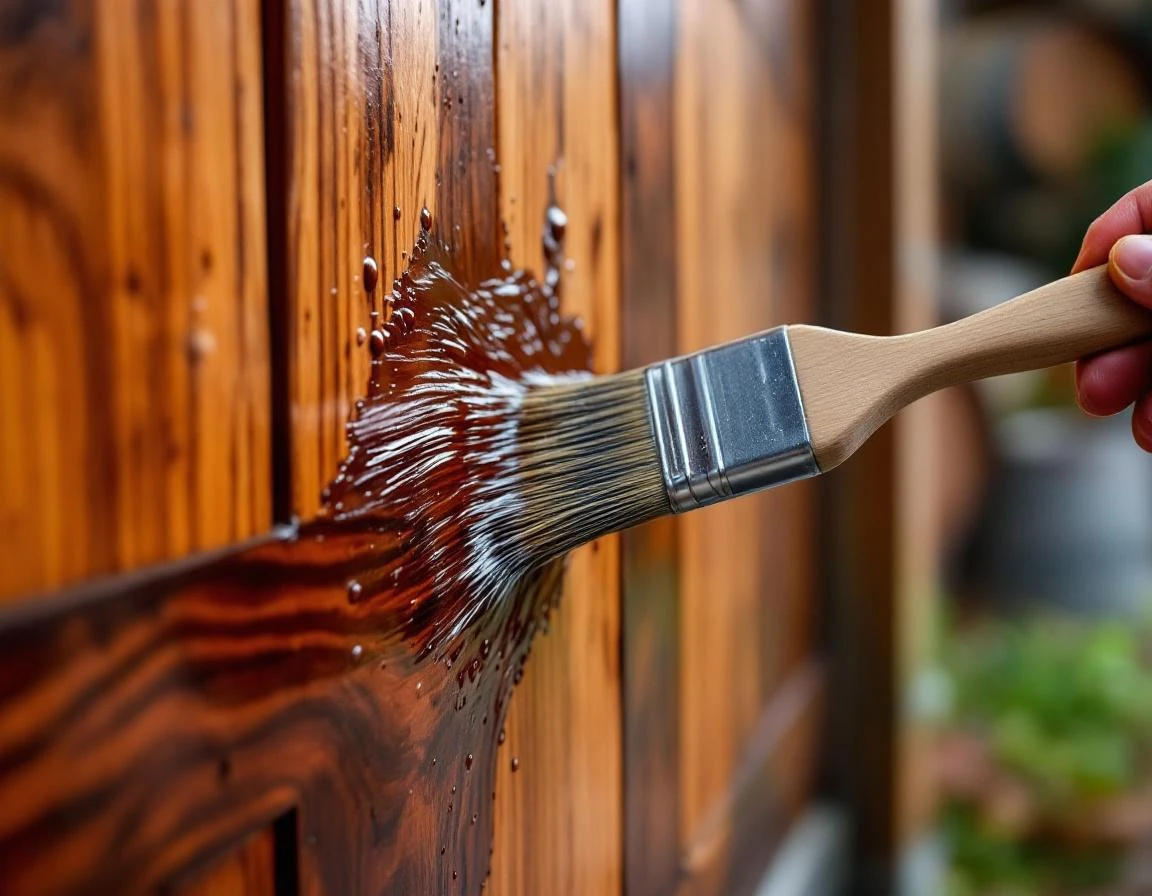
Start by pressure-washing your door to remove algae, mildew, and dirt accumulated over winter. Let the wood dry completely for 48-72 hours. Apply your chosen sealant with a natural-bristle brush, working with the wood grain. Most products require two coats with 24-hour drying time between applications. Pay extra attention to bottom panels and joints where moisture tends to collect.
Budget $200-500 for DIY materials, including quality sealant, brushes, and pressure washer rental. Professional application costs $600-1,200 but guarantees proper prep work and coverage. Plan to re-seal every 3-5 years in this climate—more frequently for north-facing doors that receive less sun exposure.
Drainage & Ventilation: Controlling Interior
Moisture doesn’t just attack wooden garage doors from rain hitting the exterior. Interior humidity and water pooling at the door’s base create equally destructive conditions. In Oregon Wine Country’s damp climate, controlling moisture from below and inside proves just as critical as protective sealing.
Start with your door’s bottom seal. A cracked or compressed seal allows rainwater to pool at the base, where capillary action draws moisture upward into the wood grain. Replacing worn seals costs $25-$75 for materials, or $150-$250 installed professionally—a small investment that prevents costly rot damage.
Interior ventilation matters more than most homeowners realize. High humidity can cause significant damage to garage doors. Including warping in wooden doors. Moisture-laden air from car washing, humidity, or stored wet equipment must escape. Consider installing passive soffit vents ($30-$60 each) or an exhaust fan ($100-$300) to prevent dampness from condensing on your door’s interior surface.
Walk outside and inspect your gutters before March rains intensify. Clogged gutters redirect water toward your door frame and foundation. Saturating the surrounding area. Clean gutters now—it’s free if you do it yourself, or $75-$200 for professional service.
Finally, check for standing water near your door. A sloped floor or French drain installation prevents ground-up moisture from reaching wood surfaces, completing your all-angles moisture defense.
Warning Signs & Spring Inspection Checklist
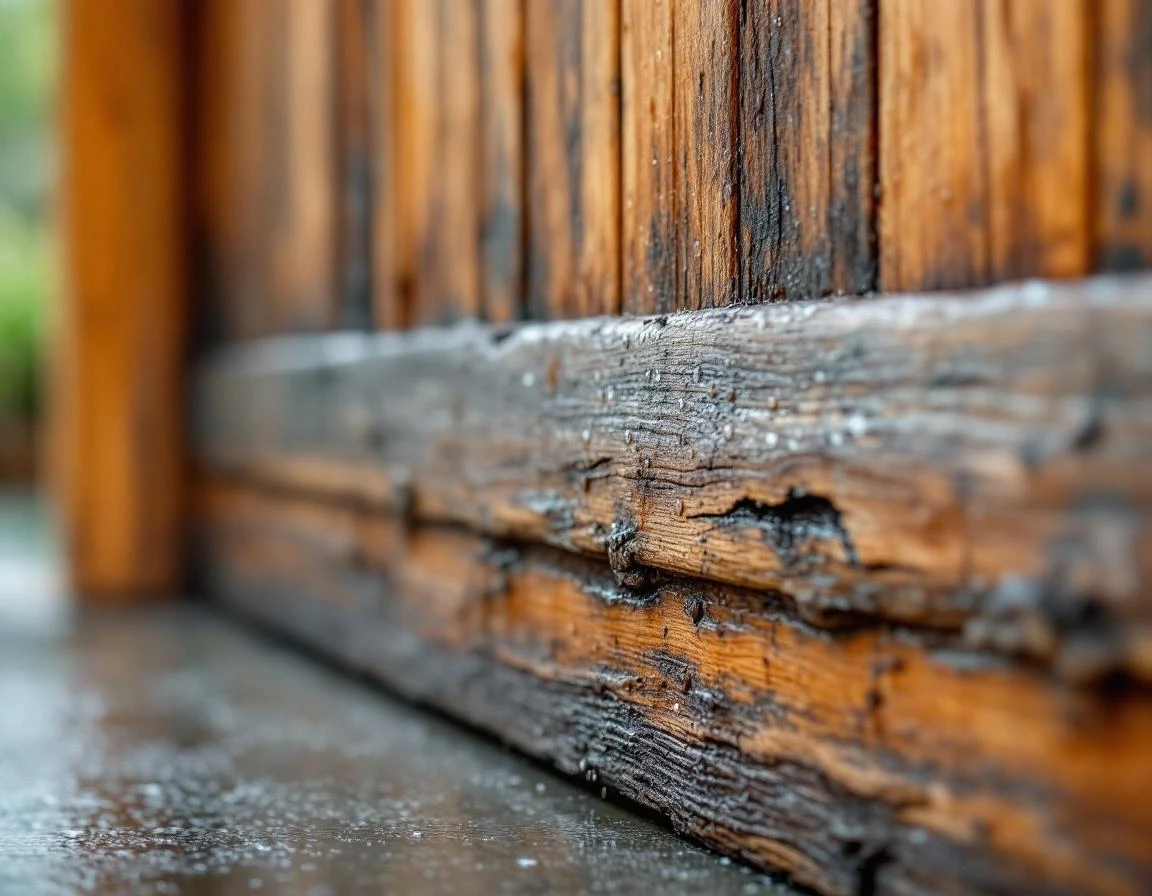
March marks your critical window for catching wood rot before it becomes a structural problem. Walk up to your garage door and press each panel with your thumb—healthy wood feels firm and springs back. Soft or spongy spots indicate early-stage decay that you can still address with localized repairs. Look for dark stains or discolored patches where moisture has penetrated the finish, and check for surface cracks that channel water into the wood grain.
Watch for warping indicators: does your door bind when opening, or do you notice new gaps between panels? Wood naturally expands and contracts with changes in temperature and humidity. And these alignment issues often signal moisture-induced swelling before visible rot appears. Take photos of any suspicious areas during your March inspection, then check the same spots in June, September, and December. This documentation reveals whether damage is progressing—and progression means it’s time to call in professionals.
Why does early detection matter? Localized rot can be cut out and patched for a few hundred dollars. Wait until structural damage spreads, and you’re facing full door replacement starting at $1,500. Your March inspection protects your investment and can extend your door’s lifespan beyond fifteen years.
Spring Maintenance Checklist for Wine Country
March marks your action window before April’s rain intensifies across the Willamette Valley. Start by applying your chosen wood sealant to all exposed door surfaces—a manageable task that fits within a single afternoon for a two-car garage door using quality products. Next, inspect and replace your door bottom seal if you notice gaps, cracks, or compression damage. A new vinyl or rubber seal prevents ground-level moisture from wicking into wood grain and represents a cost-effective upgrade.
Clean gutters and downspouts within 10 feet of your garage to redirect water away from the foundation. This 1-hour task prevents the pooling that accelerates rot in door frames and bottom panels. Check garage ventilation by confirming soffit vents are clear and consider adding a passive vent if interior humidity feels high. Document your door’s current condition with close-up photos of each panel—these baseline images help you track changes during quarterly inspections.
Schedule follow-up checks in June (mid-rainy season), September (before fall storms), and December (pre-winter assessment). Each inspection takes 15-20 minutes and catches emerging issues early. This $200-800 annual investment in preventive maintenance protects against $1,500-3,500 door replacement costs and extends lifespan by 10+ years. Call a professional when you find soft wood that compresses under finger pressure, structural warping that affects door operation, or signs of interior frame rot spreading beyond surface panels. Wood is naturally porous, meaning it can absorb moisture if not properly sealed. And these conditions require expert assessment and intervention beyond DIY repair capabilities.