Columbia Gorge Wind Exposure
Bingen sits directly in the Columbia Gorge wind corridor, where spring and fall gusts regularly exceed 50 mph, placing extraordinary stress on garage doors and their hardware. Installing wind-rated garage doors Bingen homeowners can rely on becomes essential in this environment.
Bingen’s geography creates wind tunnel effect
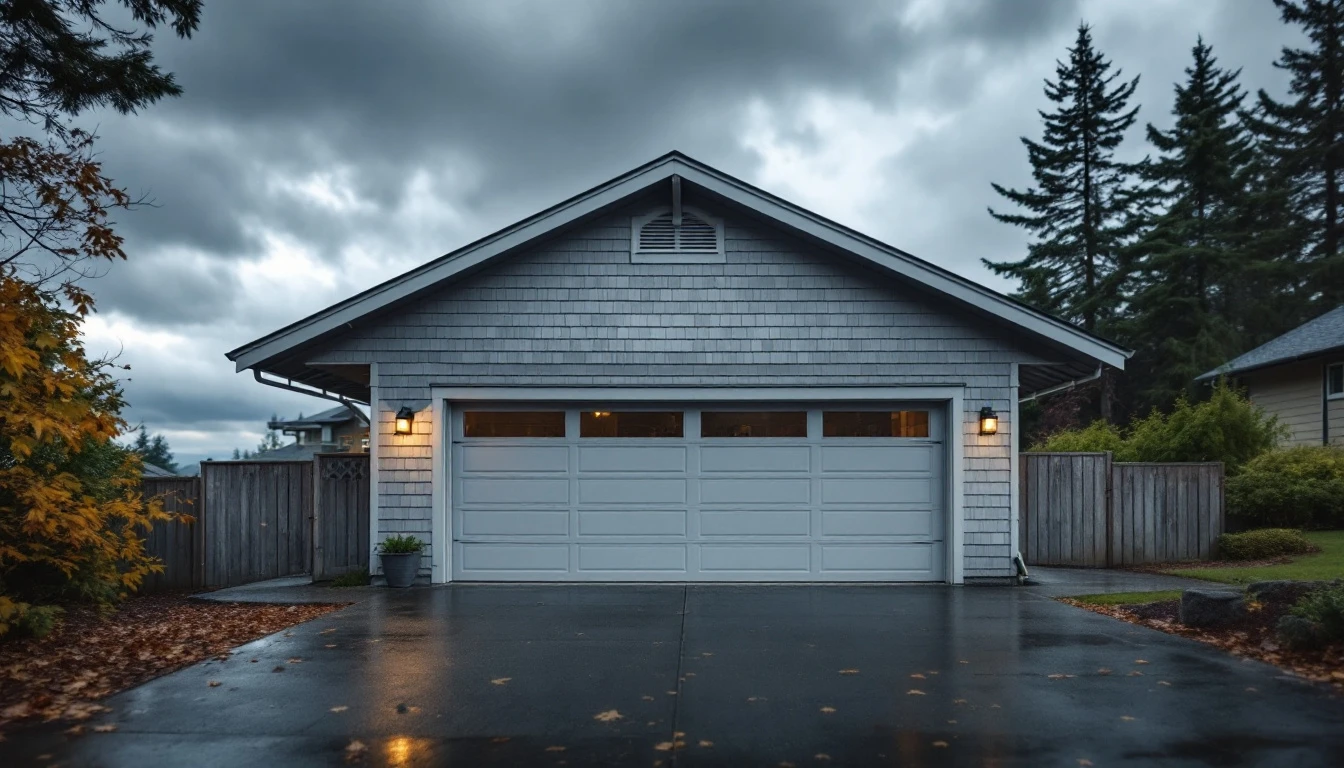
Bingen’s location at river level in the Columbia Gorge creates a natural wind tunnel that regularly produces gusts between 40 and 80 mph during spring and fall wind seasons. The surrounding cliffs funnel air through this narrow corridor, creating wind loads that exceed what standard garage doors are built to handle.
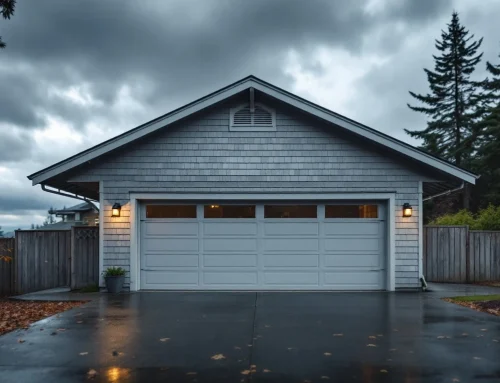
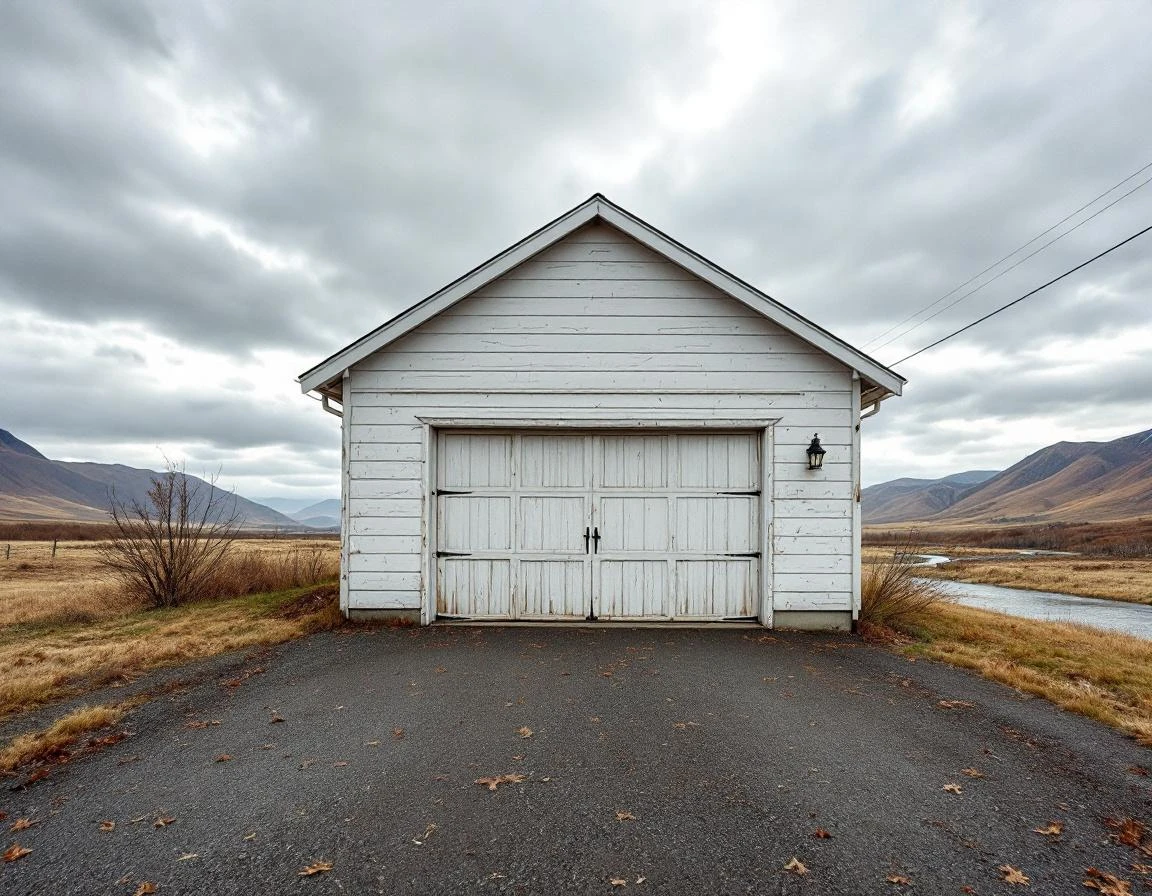
Many of Bingen’s older detached single-car garages date back to the railroad and lumber era, built long before modern wind reinforcement became standard practice. These historic structures often feature original doors that lack the structural bracing needed to withstand the Gorge’s powerful east winds.
Spring and fall seasons bring peak wind
Spring and fall bring the Columbia Gorge’s most dangerous wind conditions, when east wind events can sustain 40-60 mph gusts for days. These seasonal transitions align with the wind tunnel effect intensifying, creating the heaviest loads your garage door will face all year.
Detached garages experience the greatest vulnerability during these peak seasons. Without the structural reinforcement of an attached home, detached structures absorb the full force of Gorge winds. Their exposed positions make proper wind-resistant garage doors Columbia River Gorge standards and reinforced tracks essential before spring arrives.
Wind-Rated Garage Doors Bingen: Standards & Selection
When shopping for a wind-rated garage door in Bingen, you’ll encounter ASTM D7399 ratings expressed in pounds per square foot (psf). This number tells you how much wind pressure the door can withstand before failing. Think of it as the door’s breaking point: a 100 psf rating means the door can handle wind pushing against it with a force of 100 pounds on every square foot of surface area.
For Bingen’s Columbia Gorge winds, you’ll want a door rated for at least 100 psf to meet local building expectations. However, detached garages facing direct east wind exposure should target 140+ psf ratings. These higher-rated doors use reinforced steel or composite construction with thicker panels, additional horizontal struts, and reinforced end stiles that resist bowing during severe gusts.
Material choice matters for older homes. Reinforced steel doors offer excellent wind resistance at moderate cost, making them popular for 1940s-1960s detached garages common throughout Bingen. Composite doors resist moisture damage better if your garage has drainage issues, but verify the specific wind rating since not all composite materials perform equally.
Your garage door opener and lift cables must match the door’s wind rating. A 140 psf door creates higher lifting loads during gusts, which can overload an older 1/2 horsepower opener designed for lightweight doors. When upgrading to wind-rated garage doors for storm-proof garage door east winds protection, confirm your opener provides adequate horsepower and that high-cycle lift cables replace any original hardware from previous installations.
Pre-Season Reinforcement Checklist
Four to six weeks before April winds arrive, start your pre-season inspection. This timeline gives you room to complete DIY tasks and schedule professional work before the Gorge’s spring gusts hit full force. If you’re protecting a 1920s detached garage in downtown Bingen or a mid-century structure on the bluffs, a systematic approach prevents emergency repairs when 60 mph winds test every weak point.
Inspection and Testing Phase (Weeks 1-2)
Begin with springs and cables. Look for rust, fraying, or gaps in the coils. Springs under tension can snap, so if you see damage, call a professional—DIY spring replacement is dangerous. Check track alignment by running your door through full cycles. Listen for grinding or watch for jerky movement that signals misalignment.
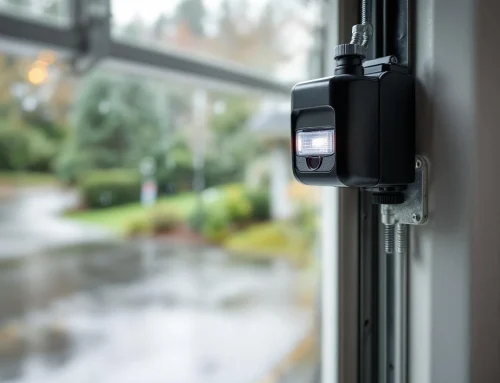
Test your opener’s safety sensors and auto-reverse function. Place a 2×4 on the ground in the door’s path. The door should reverse immediately on contact. This feature prevents wind from slamming a partially open door into vehicles or people during gusts.
Reinforcement Tasks (Weeks 3-4)
- Upgrade weatherstripping and bottom seals on older doors. This is a homeowner-friendly DIY project costing $40-80 in materials. New seals reduce wind infiltration that creates pressure differentials, keeping doors stable during storms.
- For doors built before 2000, consider internal bracing. Steel struts installed horizontally across panel backs add rigidity without full replacement. Professional installation runs $200-400 per door and extends service life for doors not yet ready for retirement.
Professional Review (Weeks 5-6)
Schedule a professional assessment if your inspection revealed spring wear, track damage, or opener issues. Our team sees the aftermath of deferred maintenance every spring when Gorge winds expose hidden weaknesses. Addressing problems in March beats emergency service calls in April when contractors are slammed.
Identifying Post-Storm Damage
After Gorge wind events subside, inspect your garage door before operating it. Panel dents or visible bowing indicate structural failure from wind pressure exceeding the door’s rating. If panels separate from their framework or track connections, the door has lost its ability to resist future gusts and requires immediate replacement.
Track misalignment is a critical warning sign. If your door binds during operation or won’t close smoothly after high winds, the tracks may have shifted from wind load stress. This creates dangerous operating conditions—a misaligned door can derail completely, causing injury or trapping vehicles inside.
Check cables and springs closely. Frayed cables or springs showing deformation mean the wind overstressed your door’s counterbalance system. Never attempt DIY repairs on these components—the stored tension can cause severe injury. If your opener cycles repeatedly without moving the door, or if the door reverses unexpectedly during operation, internal damage has compromised safety sensors or mechanical function.
When you spot any of these conditions, stop using the door immediately. Minor cosmetic scratches are safe to ignore, but structural damage, binding movement, or safety system failures require professional assessment before your next wind event arrives. Contact Garage Harmony for post-storm inspection and repair.
Historic Home Installation Considerations
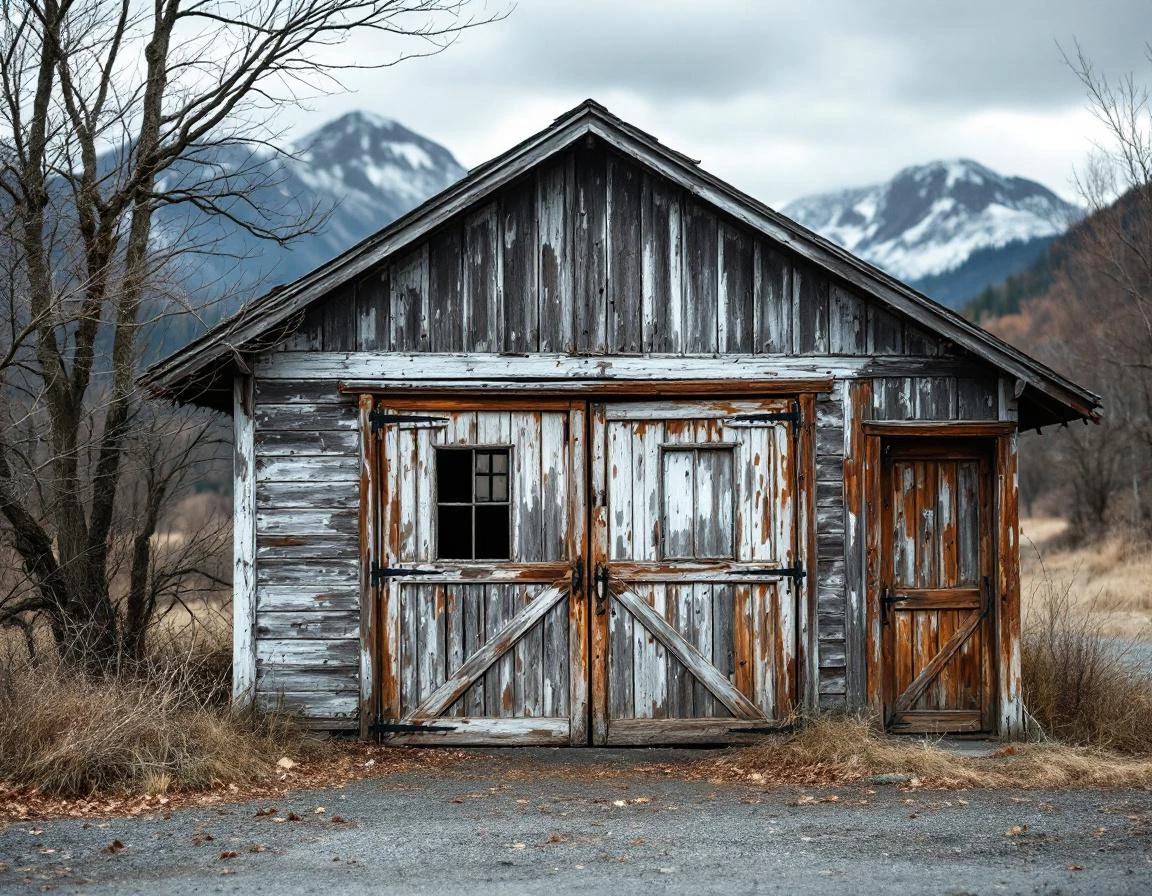
Bingen’s railroad and lumber-era heritage means many detached garages were built decades before modern garage door standards existed. These historic structures present unique challenges when retrofitting wind-rated garage doors older homes can safely accommodate. Door openings from the 1920s-1950s often measure non-standard dimensions—perhaps 7’6″ wide instead of today’s standard 8′ or 9′, or 6’8″ tall rather than the modern 7′ height. Foundation settling over decades can shift frame geometry, creating openings that no longer form true rectangles.
Railroad-era detached garages typically used timber framing with header construction that differs from modern engineered designs. The framing around the door opening may not provide adequate attachment points for modern wind-rated track systems without reinforcement. Older concrete foundations may also have deteriorated, affecting how securely you can anchor heavy-duty hardware needed for 140+ psf wind ratings.
When upgrading these historic garages, hiring installers experienced with older structures becomes essential. Contractors familiar with vintage construction can assess whether your existing framing can support wind-rated doors or requires reinforcement. They understand how to work with custom panel dimensions and can source appropriately sized doors that preserve your garage’s architectural character while delivering modern wind protection. This expertise protects both your safety and your property’s historic value—particularly important in communities like Bingen where historic character contributes to neighborhood appeal.
Next Steps: Professional Evaluation
The best time to schedule your wind assessment is early April—ideally 4-6 weeks before the Columbia Gorge’s peak spring wind season arrives in mid-May. A professional evaluation for Bingen homes includes measuring your door’s current wind rating, inspecting structural reinforcement, testing safety features under load, and assessing whether your opener can handle a heavier wind-rated door.
What should you expect from this inspection? Your contractor will provide specific upgrade recommendations based on your detached garage’s construction era and wind exposure at river level. You’ll receive cost estimates comparing garage door reinforcement extreme winds scenarios versus full replacement with ASTM-rated panels. This documentation also establishes baseline condition for insurance purposes should wind damage occur later.
Professional diagnosis gives you confidence that your pre-season investment targets the right vulnerabilities. Research shows that a wind-rated garage door protects the rest of the home during severe weather. Contact Garage Harmony today to schedule your Bingen wind assessment before spring gusts arrive.