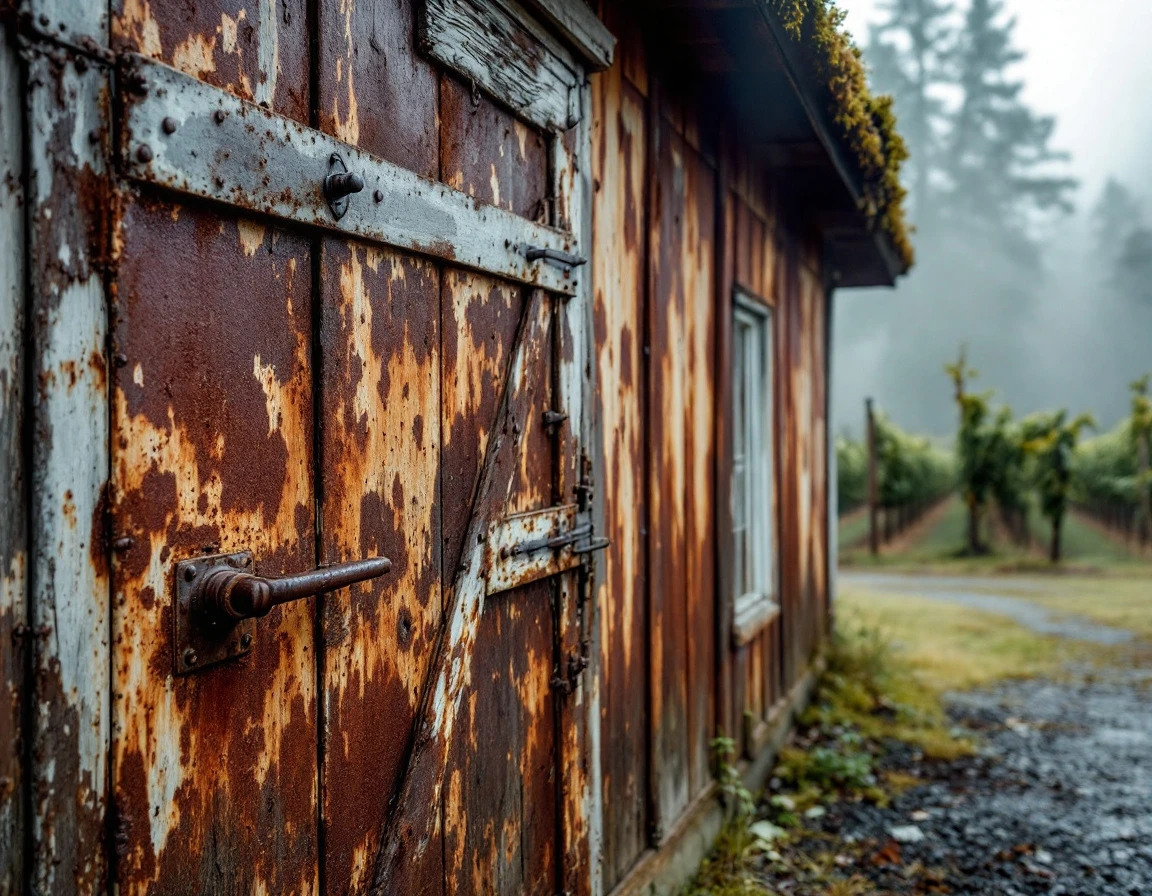
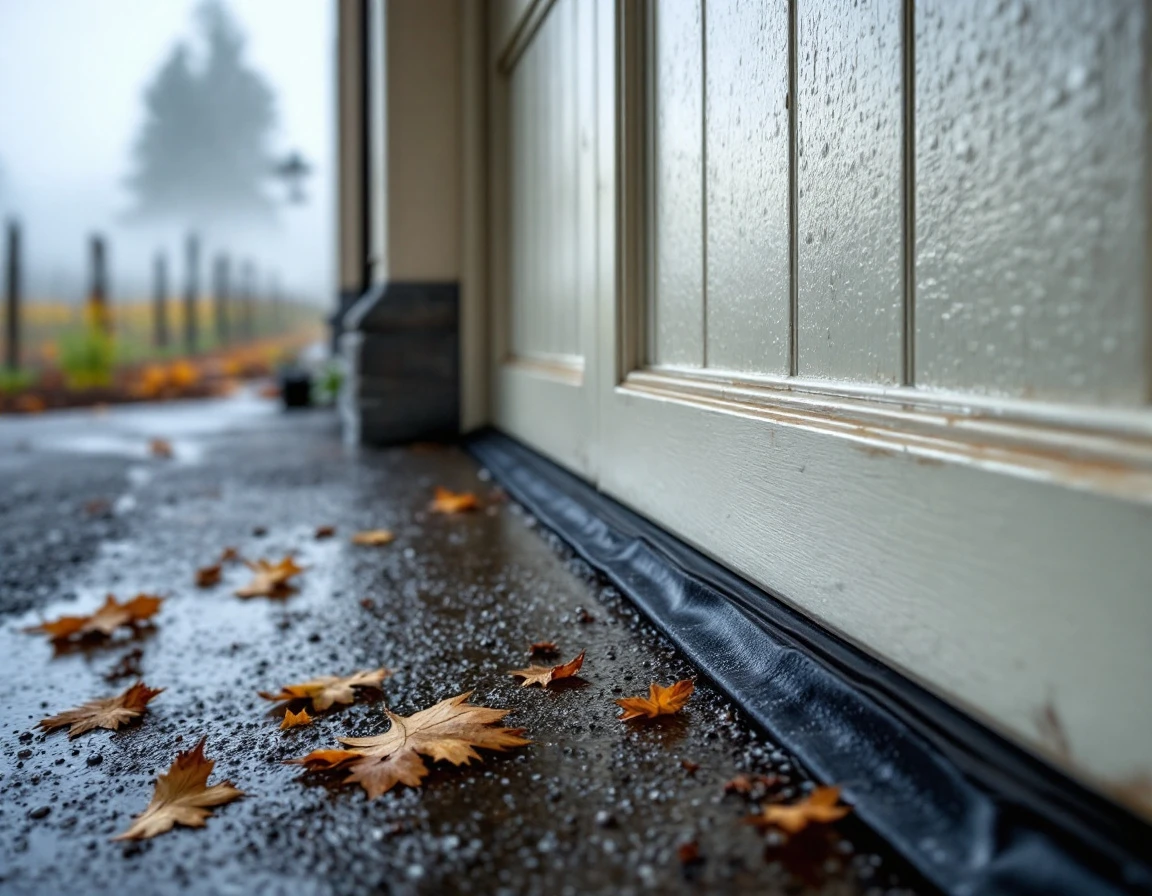
Willamina Garage Doors in Wine Country Climate & Moisture Risk
Willamina’s location at the western edge of wine country creates a perfect storm for garage door deterioration. The region’s cool, wet winters and persistent valley fog pose unique challenges for garage door materials. Valley fog settles into low-lying areas from November through February, blanketing detached garage doors in persistent moisture. Combine that with winter temperatures hovering between 40-50°F—cool enough to slow evaporation but warm enough to accelerate biological decay—and you have conditions that attack both wood and metal components relentlessly.
Here’s what makes timber mill-era homes particularly vulnerable: properties built between the 1900s and 1950s relied on locally-milled lumber with minimal moisture barriers. Garage doors from that era used untreated wood frames and basic hardware without rust-resistant coatings. These construction standards worked when Willamina had active sawmills and regular maintenance was routine. Today, many of these detached garages sit unchanged for decades, while modern humidity patterns stress materials never designed for prolonged dampness.
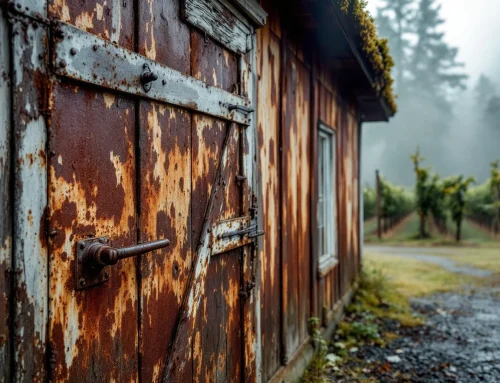
The insidious part? Wood rot and hardware rust don’t announce themselves. Water infiltrates through weatherstripping gaps and settles into bottom panels, where fungi break down wood fibers invisibly. Rust creeps across hinges and springs, weakening metal grain by grain. By the time you notice soft wood or a broken spring, damage has progressed for two to three years.
Early detection through seasonal inspections and targeted moisture control can extend a wood door’s functional life by five to ten years while preserving the curb appeal that matters in wine country real estate.
Three Moisture-Management Actions Before Winter
Reading this in late spring 2026? You have exactly three months to protect your detached garage before Willamina’s wet season returns. These actions work because they address the specific ways valley fog and winter rain penetrate wood and metal—and timing matters more than most homeowners realize.
Action 1: Seal Wood Surfaces by Mid-June
Apply moisture-blocking stain or exterior-grade polyurethane to all exposed wood surfaces before summer heat arrives. Oregon’s humidity requires products rated for marine or coastal environments—standard interior finishes fail within two seasons. Focus on door panels, trim boards, and the bottom rails where water pools.
Schedule this work for late May through mid-June, when temperatures stay between 60-75°F and rain becomes infrequent. Wood must be completely dry before finishing—moisture trapped under sealant accelerates rot from the inside. Look for products specifically labeled for Oregon’s climate, available at McMinnville hardware stores familiar with wine country conditions.
Action 2: Replace Weatherstripping Before Fall
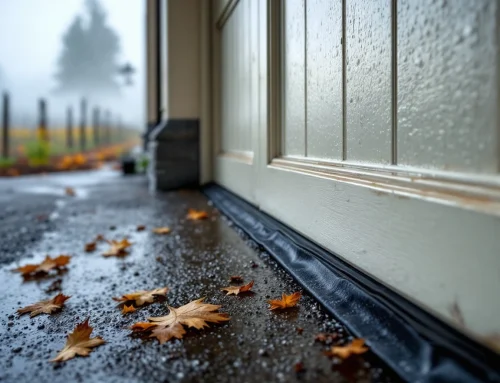
Install or upgrade weatherstripping around door panels, between sections, and along the bottom seal where garage doors meet concrete. Water intrusion happens at these transition points first, creating the damp conditions that rust hinges and rot wood within months.
Use vinyl or EPDM rubber weatherstripping rated for freezing temperatures—cheap foam strips compress and crack by January. Check both sides of the door frame and replace any sections that show compression, tears, or gaps. This two-hour project in August prevents winter water infiltration.
Action 3: Grade Ground Away From Foundation
Walk around your detached garage and identify any areas where soil slopes toward the foundation or where puddles form after rain. Standing water within three feet of wooden door frames accelerates both wood rot and metal corrosion—the same decay pattern seen on moisture management detached garage doors Oregon.
Regrade soil to create a gentle slope away from the structure, or install French drains in problem areas. Complete this work in July or early August before fall rains return. Properties near Willamina Creek or in lower-elevation areas require particular attention to drainage patterns.
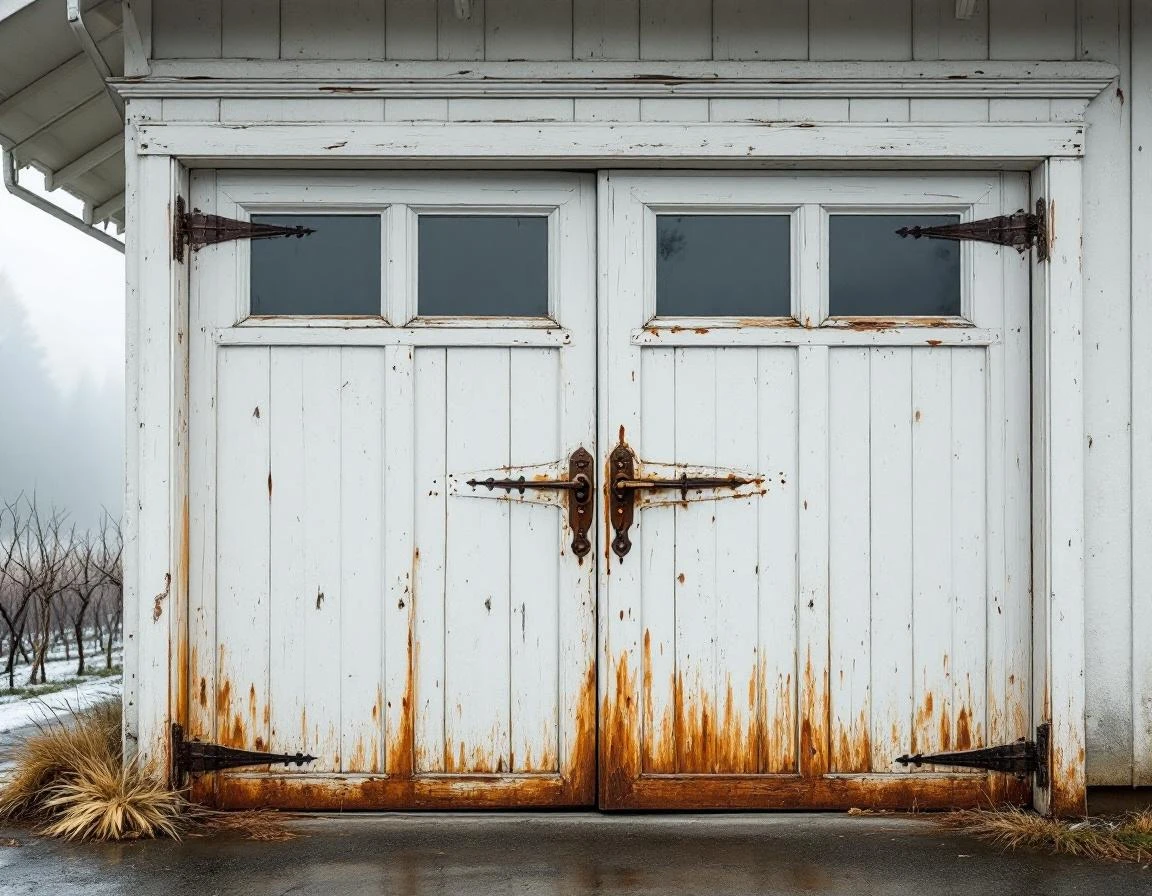
Finish Protection & Product Selection
Standard interior polyurethane and latex paints fail in Willamina’s persistently humid climate. These finishes trap moisture beneath the surface, causing blistering and peeling within a single winter. What you need are exterior-grade products designed for marine environments.
- Spar urethane flexes with temperature swings without cracking—look for Helmsman Spar Urethane ($25–$35 per quart) or McCloskey Man O’War Marine Spar Varnish ($30–$40 per quart)
- Cabot Australian Timber Oil ($45–$55 per gallon) penetrates deep and repels water without building a brittle film for stained doors
- Smith’s Clear Penetrating Epoxy Sealer (CPES) is a primer for doors with bare wood patches or previous rot damage before applying topcoats
Reapply finish every 2–3 years, scheduling the work for late May or early June when temperatures stay above 50°F for five consecutive days. Each spring, inspect for peeling edges, water-darkened grain, or blistering bubbles—any of these signals immediate refinishing to prevent rot from spreading into the door’s core.
Weatherstripping & Seal Maintenance
Water doesn’t penetrate wood doors through the face—it sneaks in at the bottom seal, hinges, and panel joints where gaskets have failed. In Willamina’s timber mill-era garages, these vulnerable points allow moisture to wick into untreated wood, accelerating rot from the inside out.
Inspect all seals in late August while conditions are dry. Run your hand along door edges; gaps larger than 1/4 inch let water and insects enter. Gaskets and weatherstripping degrade in 3–5 years under Oregon’s temperature swings, becoming brittle in summer heat and waterlogged in winter fog.
Replace bottom seals first—EPDM rubber bulb seals perform best in Willamina’s climate and offer a cost-effective solution compared to other weatherstripping options. Foam weatherstripping suits panel joints but check compression annually. If hinges show rust staining or seals have hardened beyond flexibility, call a professional for complete replacement before October rains arrive.
Recognizing Wood Rot & Hardware Rust in Wet Climates
Catching garage door problems early transforms a simple repair into a strategic investment. Early wood rot doesn’t appear as dramatic holes—instead, look for soft spots when you press the wood with your thumb. Discoloration that looks darker than surrounding areas, or paint that bubbles and peels away from the surface. These warning signs mean moisture has penetrated the wood but hasn’t yet caused structural failure.
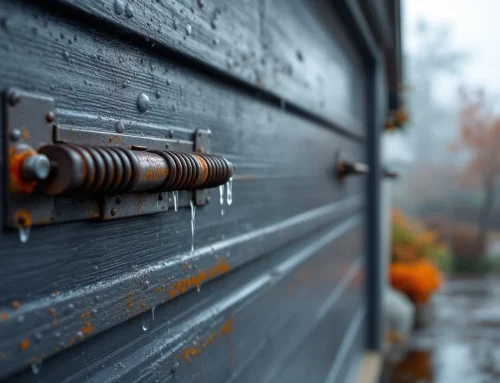
Hardware rust follows a similar pattern of escalation. Hinges, springs, and tracks show their first distress signals through orange staining on white paint and small pits in the metal surface. Once rust establishes itself, corrosion accelerates exponentially—surface rust becomes structural weakness within months during Willamina’s wet season. Garage door rust protection begins with regular inspection and prompt treatment of early corrosion.
Schedule monthly visual inspections from October through March, when valley fog and persistent rain create ideal conditions for deterioration.
Walk the perimeter of your garage door, pressing panels gently, checking hinge attachment points, and looking for water stains near weatherstripping. This 10-minute routine identifies problems at their earliest stages, when repairs remain simple and cost-effective rather than requiring complete door replacement.
The financial stakes justify regular attention. Replacing corroded hinges and springs represents a modest repair investment depending on door size. Replacing an entire timber mill-era door—especially if you want to maintain the period-appropriate aesthetic common on older Willamina properties—requires a more significant capital commitment. Early detection through simple monthly checks protects both your door and your budget.
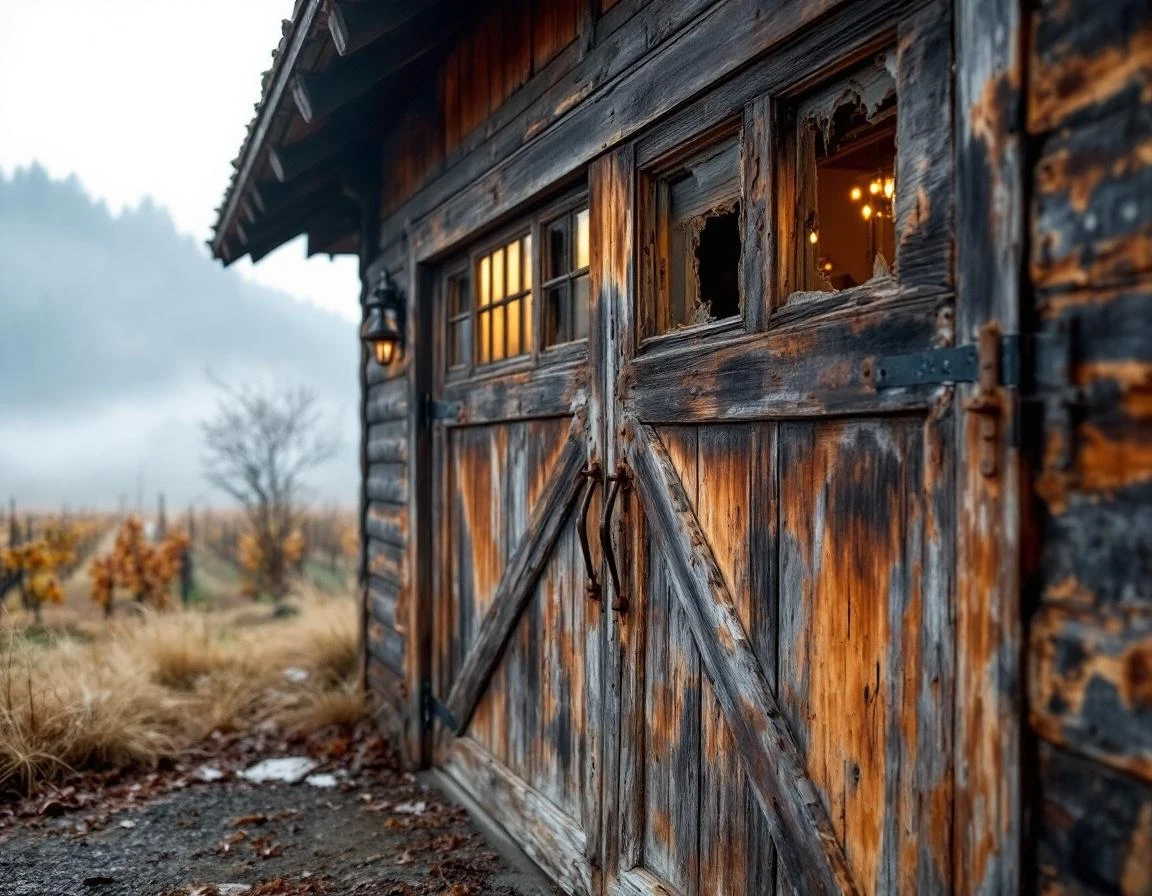
Wood vs. Composite Doors: Upgrade Decision
After inspecting your Willamina garage door for soft spots and rust, you face a critical choice: restore the existing wood door or upgrade to composite. When repair costs approach the price of a new door, replacement becomes the more prudent financial decision. For timber mill-era homes with multiple soft spots, active hardware rust, or failed seals, composite garage doors Willamina Oregon often pay for themselves through avoided repairs within 10 years.
Composite doors represent a premium upfront investment compared to wood replacements, but they eliminate rot and rust risk entirely through their construction: a foam insulation core wrapped in vinyl cladding with steel reinforcement. This design thrives in Willamina’s humidity because moisture can’t penetrate the cladding or deteriorate the core. You’ll never sand, prime, or refinish these doors — maintenance drops to near zero for years, freeing you from the ongoing upkeep that wood demands.
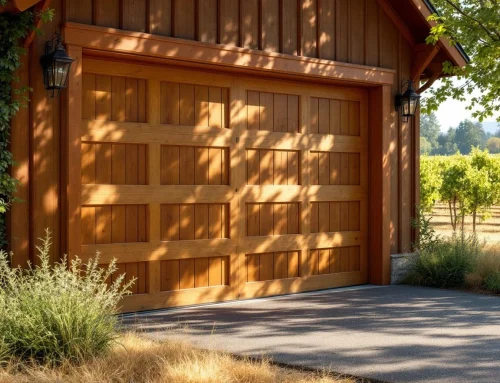
Wine estate owners worried about curb appeal can relax. Modern composite doors come in wood-grain finishes that replicate cedar, oak, and mahogany textures without sacrificing aesthetics. Visitors won’t spot the difference from the street, but you’ll notice the absence of seasonal maintenance cycles. If your property has historic significance from Willamina’s lumber mill era, check local preservation codes first — restored wood doors may qualify for tax credits that change the cost analysis.
The decision tree is simple: calculate your repair estimate and compare it against the cost of a new composite door to determine which path makes economic sense. For wood doors with isolated damage and intact seals, restoration preserves character while keeping costs down. For doors with widespread deterioration, composite upgrades deliver long-term value. Contact Garage Harmony today for a free inspection and written quote comparing both pathways for your specific door condition.