Valley Fog Damage Risk
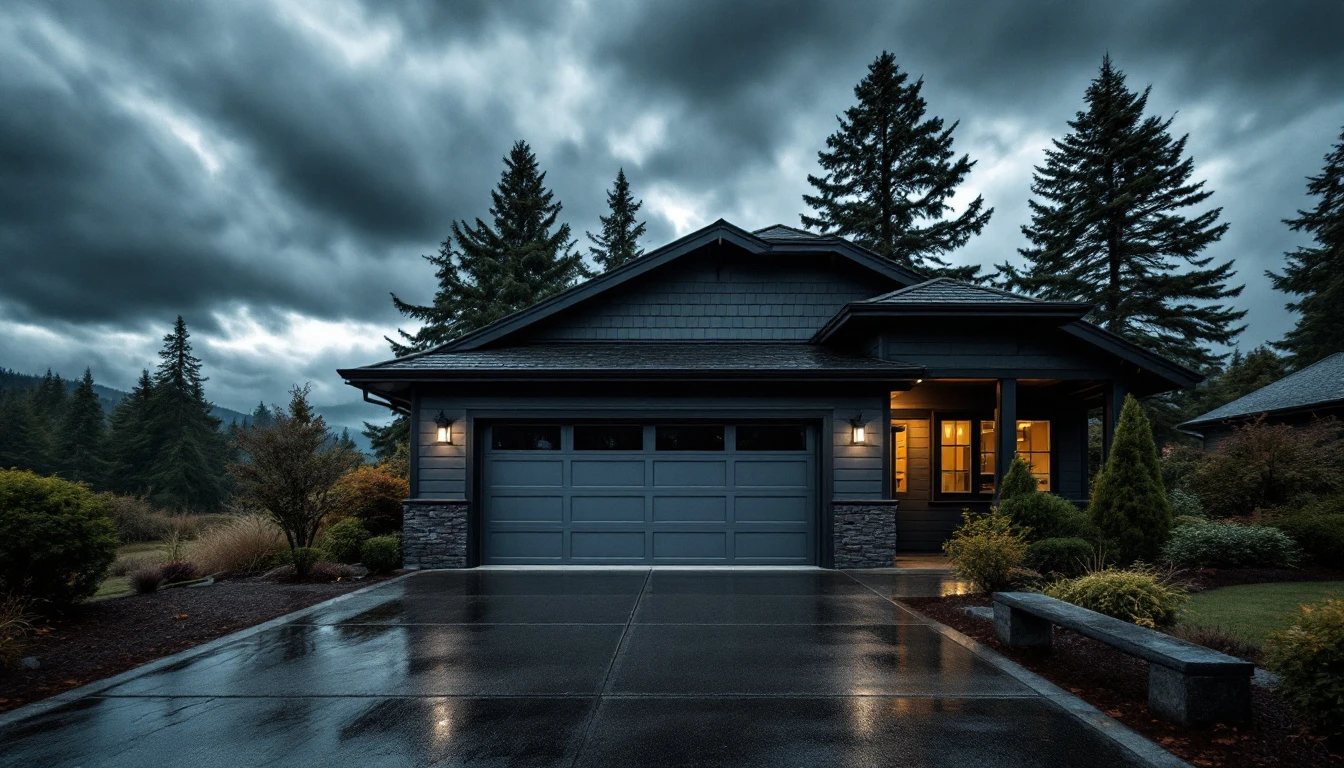
Willamette Valley fog settles into Newberg’s vineyards each harvest season, bringing moisture that threatens garage door components with rust and corrosion damage. Installing quality garage door weatherstripping in Newberg Oregon protects your home’s most vulnerable entry point from the season’s persistent moisture exposure.
Newberg’s Geographic Location in Willamette Valley
Newberg sits in the heart of the Willamette Valley, where the region’s distinctive topography creates persistent moisture challenges for homeowners. The valley’s cool air settles between surrounding hills, generating dense fog banks that blanket properties near George Fox University and throughout the Chehalem area from late fall through early spring.
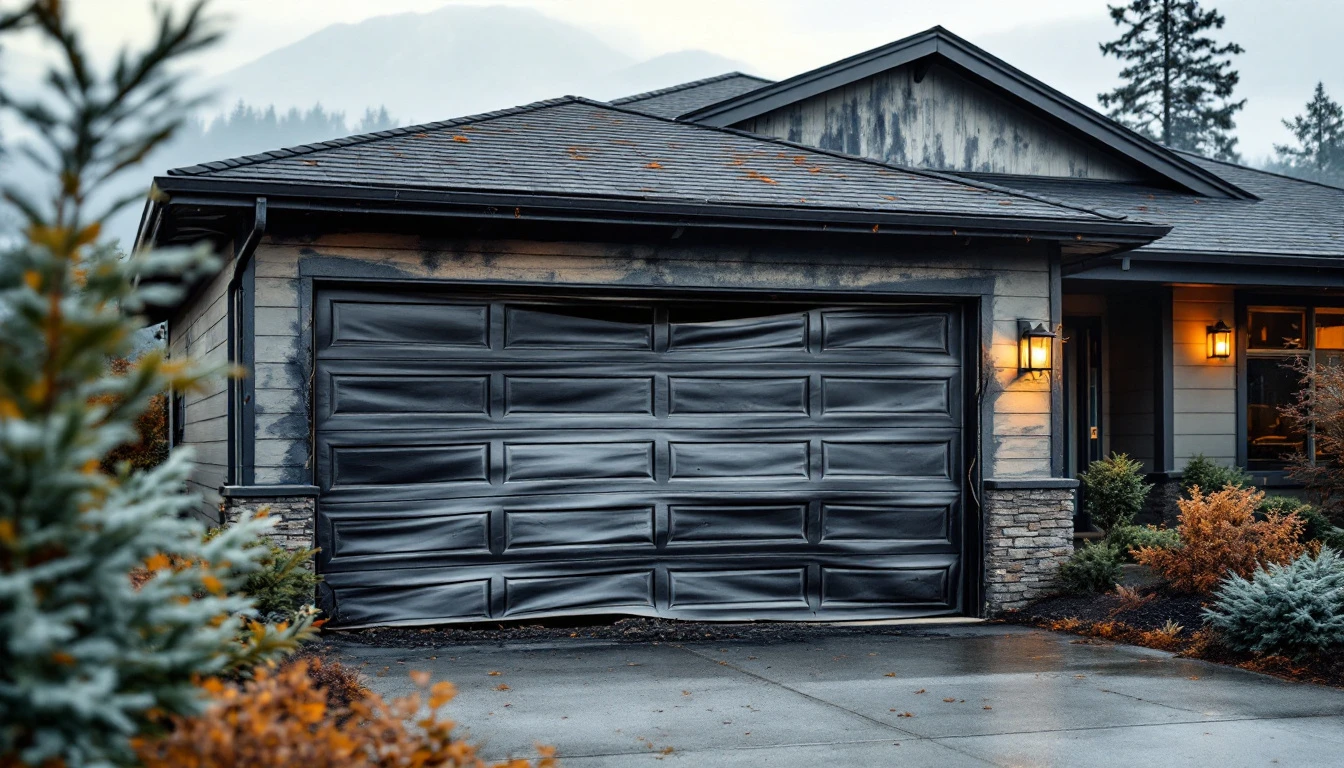
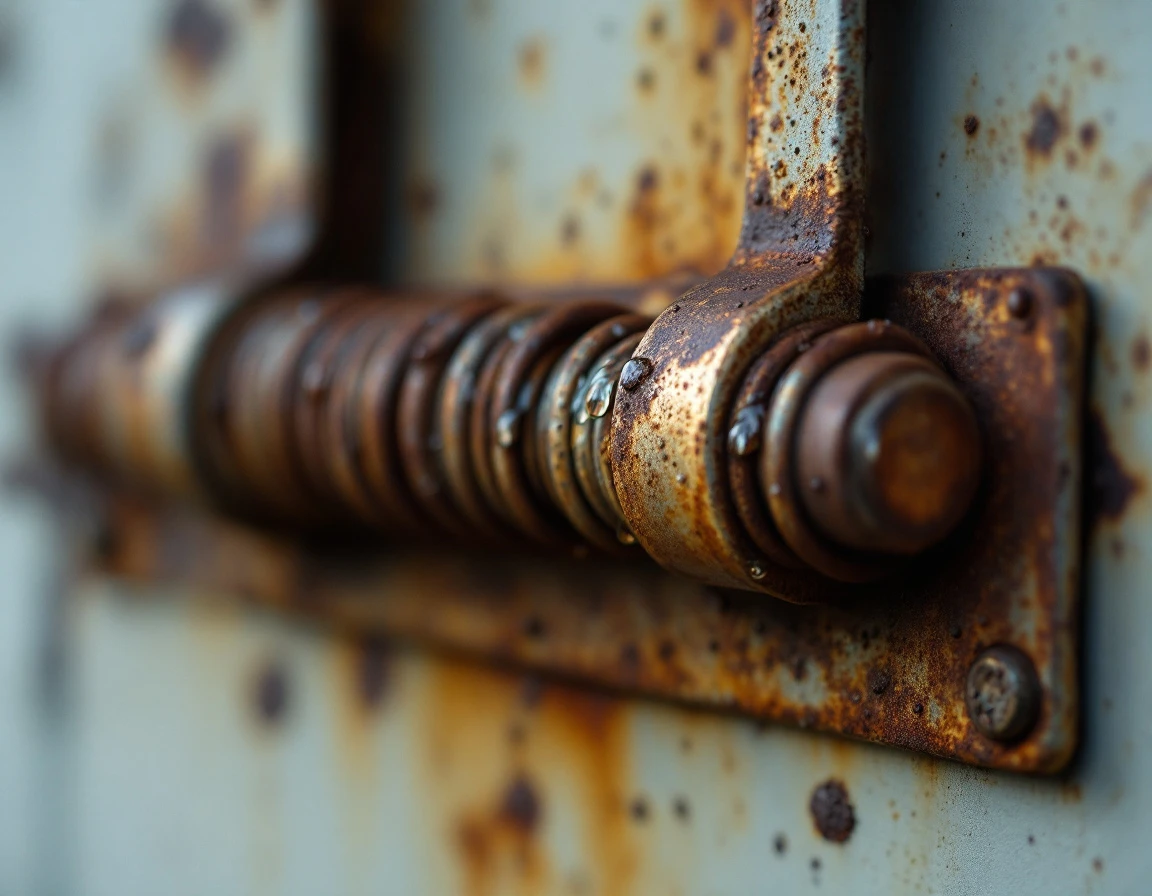
This continuous moisture exposure creates serious problems for garage doors. When weatherstripping fails or seals deteriorate, valley fog penetrates the garage interior, coating metal springs, cables, and mounting hardware with condensation. Over time, this moisture leads to rust formation on critical components. Steel panels also develop corrosion spots where protective finishes have worn thin, compromising both function and curb appeal in wine country neighborhoods where appearance matters.
George Fox University area and older Springbrook
Properties near George Fox University and in older Springbrook neighborhoods face particularly improved moisture exposure during harvest season. These areas attract wine country tourists from September through November, just as valley fog intensifies and condensation begins accumulating on garage door surfaces overnight. Homes built in the 1920s through 1960s often have original or older garage door hardware that lacks modern corrosion-resistant coatings, making weatherstripping installation before harvest season essential to protect vulnerable springs and hinges.
Garage Door Weatherstripping Newberg Oregon
Not all weatherstripping materials can handle what Newberg’s valley fog throws at them. If you’re shopping for garage door seals, you need to understand that the cheapest option will likely fail within months when exposed to the constant moisture cycles between George Fox University and the Dundee Hills.
EPDM rubber and silicone-based weatherstripping strips outperform every other material in fog-prone environments. These materials resist moisture absorption, maintain flexibility through temperature swings, and create consistent seals even after repeated wet-dry cycles. EPDM rubber handles the September through November harvest season particularly well—when morning fog gives way to warm afternoons, these materials expand and contract without cracking or losing their sealing properties.
Vinyl and foam weatherstripping options might seem attractive at the hardware store, but they fail prematurely in wine country conditions. Foam absorbs moisture like a sponge, breaking down within a single wet season. Vinyl becomes brittle when exposed to constant humidity, cracking at stress points where your garage door flexes most. You’ll end up replacing these materials just as peak tourism season arrives and local service companies face their busiest schedules.
Thickness matters more than you’d expect. Choose weatherstripping that’s substantial enough to compress fully against your door without gaps. Quality materials cost more upfront, but they protect your springs and hardware through multiple harvest seasons without emergency replacements.
Moisture-Vulnerable Door Areas
Understanding where fog accumulates on your garage door helps you protect the components most prone to rust damage. Three specific areas face the greatest moisture exposure in Newberg’s valley climate:
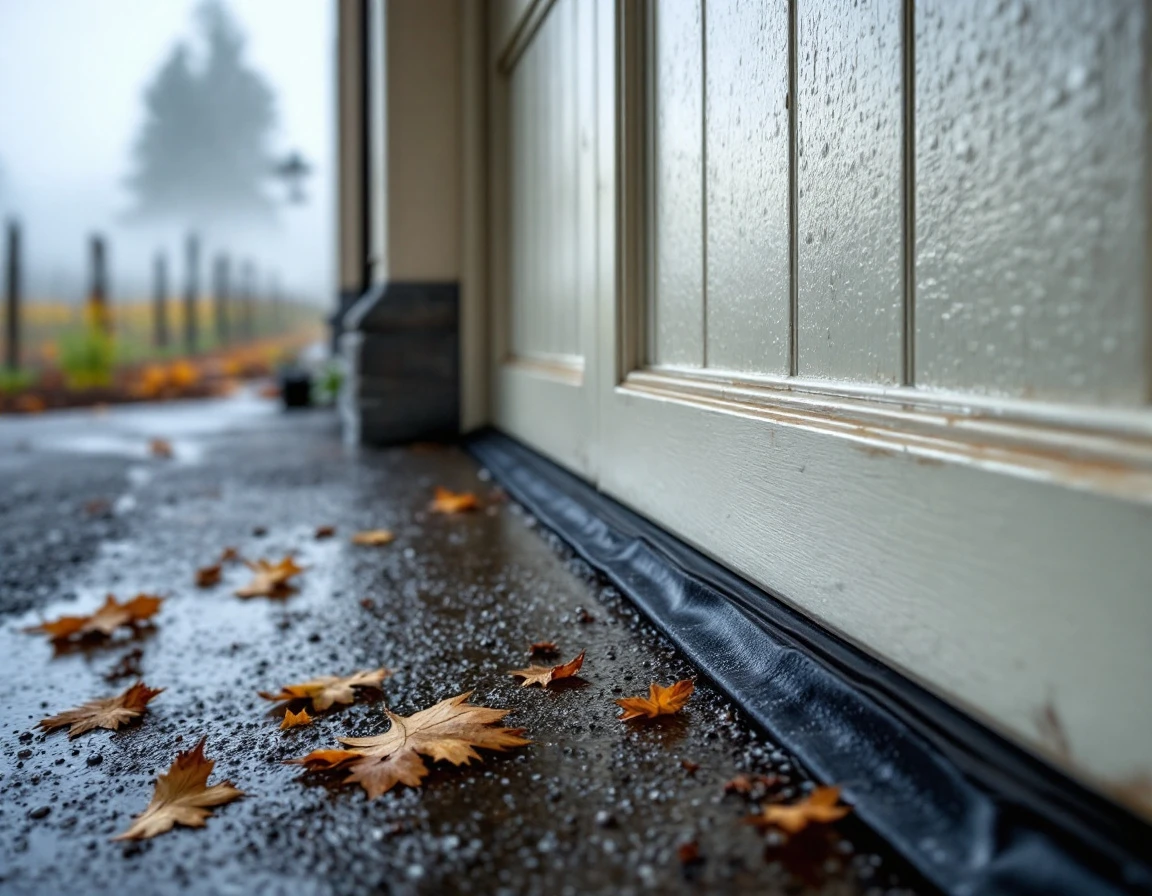
- Bottom seals on sectional doors create the most common failure point. Water pools along the concrete threshold where fog condenses, and worn rubber seals trap moisture against the door’s bottom panel. This standing water reaches torsion springs mounted just above, accelerating rust formation on coils and winding cones. Properties in the Springbrook neighborhood with original 1950s-era doors often show severe spring corrosion from decades of inadequate bottom weatherstripping.
- Side weatherstripping gaps allow fog-laden air to penetrate the door cavity. When side seals deteriorate or pull away from vertical tracks, moisture reaches roller bearings, hinges, and track systems. Each opening and closing cycle draws damp air into these gaps, coating metal hardware with condensation that initiates rust.
- Header seals prevent moisture pooling above the door frame where horizontal tracks mount to ceiling joists. Without proper top weatherstripping, fog settles in this enclosed space and drips onto springs and cables. Complete perimeter sealing blocks moisture at all entry points, preventing the rust damage that leads to spring failures and emergency repairs.
Installation Timing Strategy
Newberg’s seasonal humidity cycle follows a predictable pattern that should guide your weatherstripping installation timeline. Spring rains taper off by late May, creating a brief window before harvest season moisture arrives. Complete weatherstripping installation by early June before peak harvest season humidity begins affecting your garage door components.
Fog density peaks July through September in Willamette Valley wine country, when marine air settles into the valley and clings to properties overnight. During these months, unsealed garage doors absorb moisture that accelerates rust formation on springs and hardware. Installing weatherstripping now means you avoid competing for service appointments when demand peaks and moisture damage becomes urgent.
The George Fox University area sees improved tourism traffic beginning July, making emergency repairs difficult to schedule. Technicians stay busy throughout harvest season as property owners scramble to fix moisture damage that could have been prevented.
DIY Installation Steps
Ready to tackle weatherstripping installation yourself? Start by thoroughly cleaning your garage door surfaces with a degreaser and allowing them to dry completely—this step is non-negotiable in Newberg’s damp climate, where even residual moisture will prevent adhesive from bonding. In wine country’s fog-prone environment, wait for a dry day and give surfaces at least 24 hours after cleaning before applying new seals.
Measure the width of your door’s bottom edge precisely and cut your new bottom seal to match exactly. Even small gaps at the corners create entry points where valley fog penetrates and settles on springs and hardware. For side and header seals, cut each piece slightly long, then trim to fit—better to remove excess than discover you’re short.
After installation, perform the light-gap inspection test. Close your garage door completely and turn off interior lights. Walk outside and look for light bleeding through the weatherstripping. Any visible light indicates gaps that will allow moisture intrusion during harvest season when fog settles overnight. Mark problem areas and adjust the seals until no light escapes.
Proper installation doesn’t just protect your garage door components—it maintains the clean, professional appearance that enhances your home’s curb appeal when wine country tourism peaks each fall around George Fox University and throughout the Springbrook neighborhood.
Rust Prevention Outcome
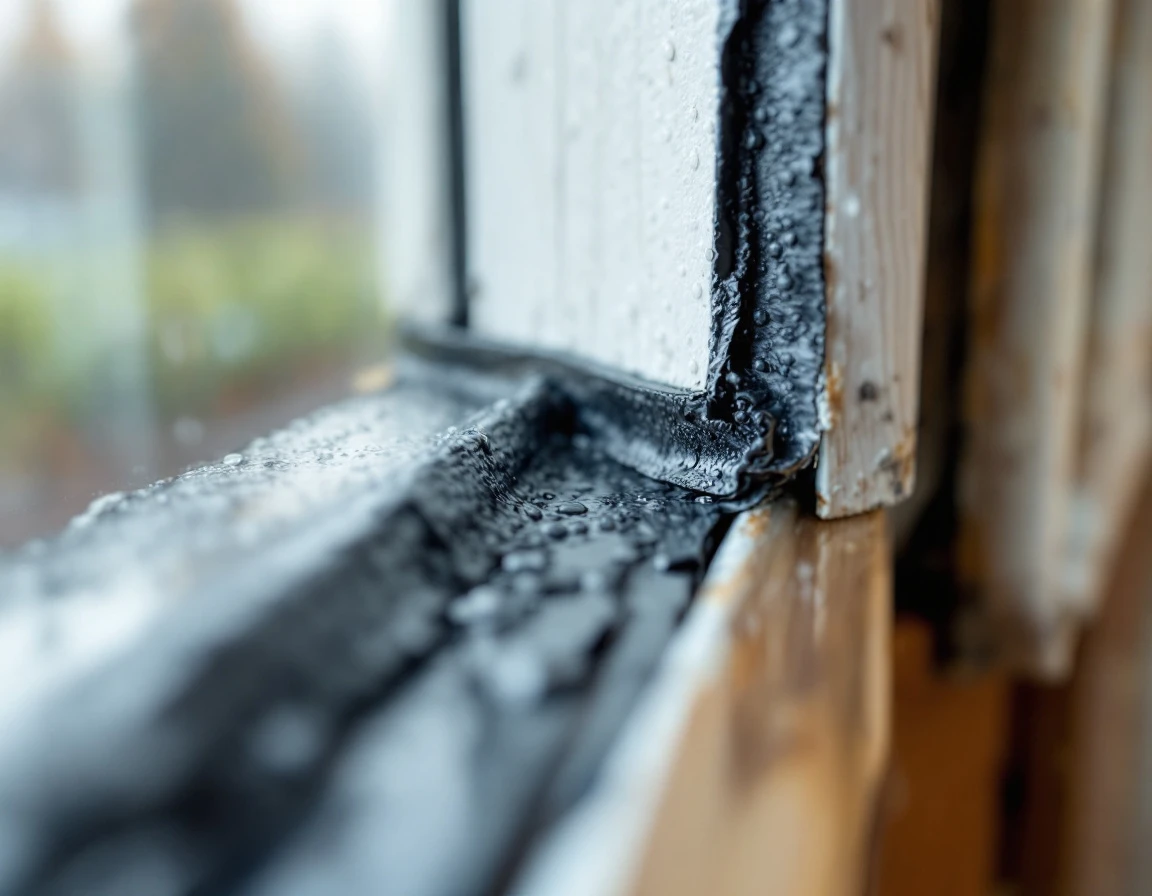
Proper weatherstripping eliminates the moisture exposure that causes springs and hardware to rust, protecting your investment from damage that starts invisibly and escalates quickly. When fog penetrates unsealed garage doors in the Newberg area, it creates the perfect conditions for corrosion on metal components. Springs weaken, rollers seize, and hardware deteriorates—all requiring expensive replacements that could have been avoided.
Acting now prevents emergency repairs during July through September, when harvest season tourism peaks and service availability drops. Rusty stains on panels and hardware create poor curb appeal precisely when visiting family and tourists are in the wine country area. The discoloration from rust bleeding through paint damages your home’s appearance and signals neglect to observers.
The modest cost of sealing your garage door today protects you from emergency service calls during the busiest season. Weatherstripping installation represents both a financial and aesthetic decision.
Contact us today to complete your installation before harvest season fog arrives! Learn more about garage door weatherproofing to stay prepared year-round.