March Rains and Worn Seals
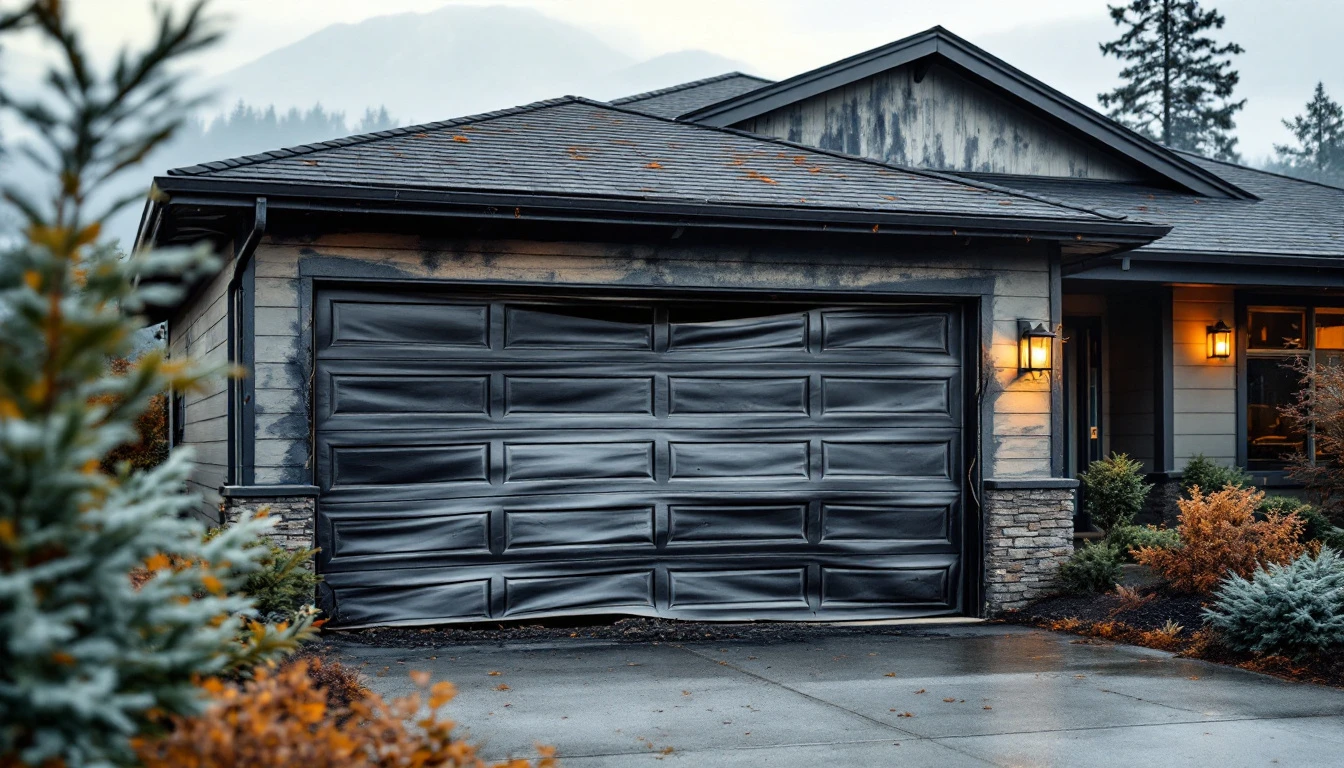
Portland’s spring downpours expose a hidden vulnerability in most garages: weatherstripping that has lost its battle with time and moisture. Many Portland homeowners face worn weatherstripping during spring rains, making weatherstripping replacement Portland a top priority before the heaviest downpours arrive.
Portland metro experiences peak rainfall
Portland metro homeowners face their toughest weatherstripping challenge between March and May, when the region receives its heaviest rainfall. During these months, aging or cracked weatherstripping on garage doors fails under the pressure of persistent downpours, allowing water to seep into garages.
Water infiltration through compromised weatherstripping creates a cascade of problems. Moisture trapped in your garage promotes mold growth on walls and stored items, damages drywall and wooden structures, and allows conditioned air to escape. These issues combine to create repair and energy costs ranging from $500 to over $2,000 annually for affected homeowners.
The spring rainy season acts as a stress test for your garage door seals, revealing weaknesses that might go unnoticed during drier months. Inspecting and replacing worn weatherstripping before the heaviest rains arrive prevents these expensive problems for a fraction of the cost.
Weatherstripping typically lasts 3–5 years
Most garage door weatherstripping reaches the end of its useful life after three to five years of exposure to Portland’s wet-dry cycles. The rubber or vinyl material compresses under constant door pressure, loses flexibility through repeated temperature swings, and develops visible cracks that create gaps allowing water intrusion.
Even high-quality weatherstripping degrades over time, making regular replacement a routine maintenance task rather than an emergency repair.
How to Inspect for Worn Seals
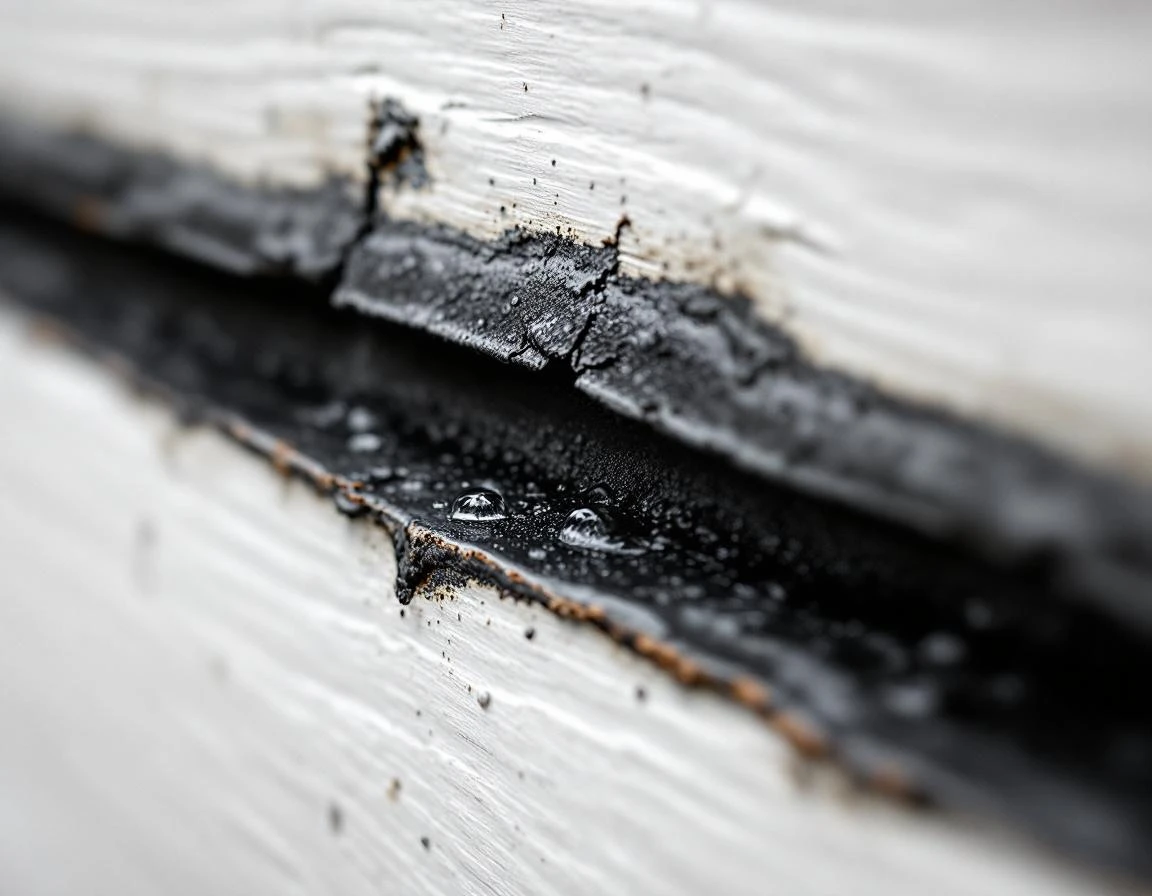
Before April storms arrive, Portland homeowners can catch weatherstripping problems with three quick inspection methods. Start with a visual inspection by examining the entire perimeter of each garage door in good daylight. Look for cracks running through the rubber, hardened areas that have lost flexibility, visible gaps between the seal and door frame, discoloration indicating water exposure, or missing chunks where material has torn away. Even small imperfections compromise the entire seal system because water finds the weakest point.
Next, perform a feel test by pressing your thumb firmly into the weatherstripping along multiple points. Healthy seals should compress easily and spring back, feeling pliable like a new rubber band. Brittle material that cracks under pressure or mushy sections that stay compressed both indicate failure. Pay special attention to the bottom seal where contact with concrete accelerates wear.
The most revealing method is the water test. During light rain, spray the door frame with a garden hose while someone stands inside the garage watching for water seepage. Focus on corners and the bottom threshold where seals typically fail first. Water dripping or pooling inside confirms the seal no longer protects against Portland’s heavy spring downpours. Early detection through these inspections prevents expensive water damage to stored items, drywall, and concrete, allowing you to plan replacement before March rains arrive.
DIY Replacement Steps
Replacing garage door weatherstripping yourself is an affordable home maintenance task that requires no special tools or previous experience. How to replace door weatherstripping breaks down into three clear stages that most Portland homeowners can complete in a single afternoon per door.
Stage 1: Removal and Cleaning. Start by wearing work gloves to protect your hands from sharp edges and old adhesive. For bottom seals, simply grab the weatherstripping at one end and pull it out of the aluminum retaining channel. Side and top seals typically pry loose with a flat-head screwdriver. Once removed, use a wire brush or putty knife to scrape away old adhesive residue, dirt, and debris from the door frame. A clean surface allows the new seal to bond properly and prevents premature failure.
Stage 2: Measurement and Purchase. Measure the perimeter of your garage door where weatherstripping attaches—bottom, both sides, and top if applicable. Write down these measurements and bring them to your local hardware store. You’ll choose between foam (most affordable but shortest lifespan), rubber (best for Portland’s wet climate), or silicone (premium durability). Make sure the replacement profile matches your door’s retaining channel or adhesive requirements.
Stage 3: Installation. For channel-style seals, simply feed the new weatherstripping into the track and push firmly until it seats completely. Adhesive-backed seals require pressing the sticky side against the clean frame and holding for 10–15 seconds per section. Work slowly around the entire perimeter, checking that no gaps remain. The entire installation takes 30–60 minutes per door, and you’ll immediately notice better protection against spring weatherstripping damage from rain. This simple project delivers immediate water protection at a fraction of professional installation costs.
Cost Comparison: DIY vs Professional
Understanding the numbers makes the decision clear. For a typical Portland-area home with two to five exterior doors, DIY weatherstripping replacement costs $50–$200 total. Individual door seal materials run $15–$40 per door, depending on the type of weatherstripping you choose and the size of the door. You’ll need basic tools most homeowners already own: a utility knife, measuring tape, and screwdriver.
Professional installation changes the equation. Expect to pay $100–$300 per door for labor-inclusive service, bringing a full-home project to $200–$1,500 or more. That higher price includes warranty coverage and the peace of mind that comes with expert installation. For multi-door homes or homeowners uncomfortable with DIY projects, professional weatherstripping replacement makes sense.
The return on investment timeline favors action. In the Pacific Northwest, where energy costs add up during wet winters. Properly sealed doors save $50–$100 annually per door through reduced heating bills and prevented water damage. A DIY project breaks even within one to two years. Compare that modest upfront cost to water damage repair bills: mold remediation, drywall replacement, and structural fixes can easily reach $3,000–$10,000 or more.
Whether you choose DIY or professional installation, the total investment remains small compared to the protection it provides. Portland’s spring rains won’t wait, and neither should your weatherstripping upgrade.
When to Call a Professional
While replacing weatherstripping is one of the most accessible garage door maintenance tasks, some situations call for professional expertise. If your door frame shows rot, warping, or structural damage from prolonged water exposure, a professional can assess whether frame repair or replacement is needed before new weatherstripping will seal effectively. Misaligned garage doors also require professional adjustment—forcing new seals onto a crooked door wastes money and won’t stop water intrusion.
Homes with multiple door types present another challenge. If your Portland property has a standard entry door, an overhead garage door, and a commercial-style roll-up door on a workshop, each requires different seal profiles and installation techniques. Professionals handle these complex situations daily and carry the full range of materials needed for proper fitment.
For homeowners who have already experienced water damage in their garage—mold on drywall, rust on tools, or damaged stored items—professional weatherproofing provides peace of mind through warranty protection and expert assessment of your entire door system. For best results, air sealing should be done by a professional who can test for and repair all leaks. Contact us today to discuss your garage door weatherproofing needs and get a detailed evaluation from our experienced Portland metro team.
Replace Weatherstripping Before April Rains Arrive
March offers Portland homeowners the final practical window to replace weatherstripping before the Pacific Northwest’s wettest months arrive. April through May typically deliver the heaviest rainfall of the year, making outdoor garage work uncomfortable and exposing any remaining seal failures to maximum water pressure. Acting now means completing this under-an-hour project during drier weather while protecting your home through the entire spring deluge.
Delaying weatherstripping repair Portland Oregon beyond March invites a cascade of preventable problems. Water damage and mold establish themselves quickly once infiltration begins, ice buildup during next winter’s cold snaps damages door components, and rising energy bills compound month after month as conditioned air escapes through cracked seals. A timely investment in repairs this week prevents thousands in emergency costs and ongoing energy waste.
The path forward is clear: inspect your door seals this week using the tactile and water tests described earlier, purchase replacement weatherstripping at your local hardware store or request a professional estimate if structural issues exist, and schedule installation before March ends. Your garage door protects one of your home’s largest openings—proper weatherstripping keeps it that way.