Winter Moisture Damage in Modern Systems
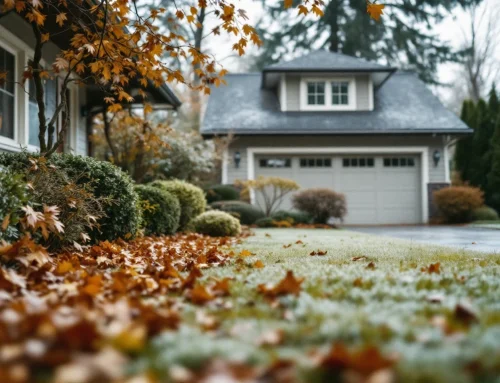
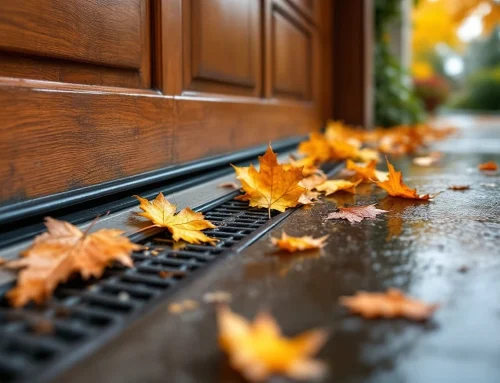
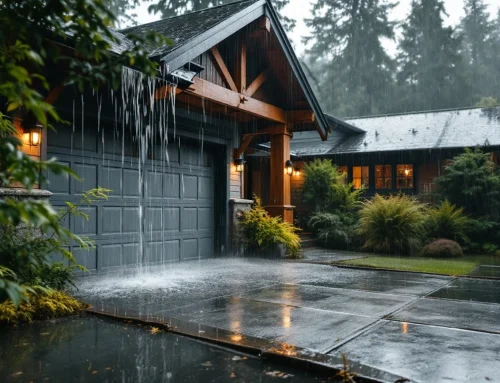
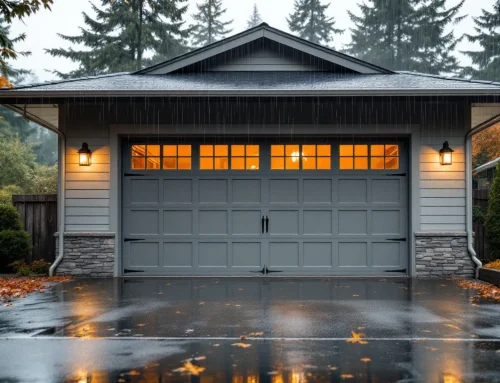
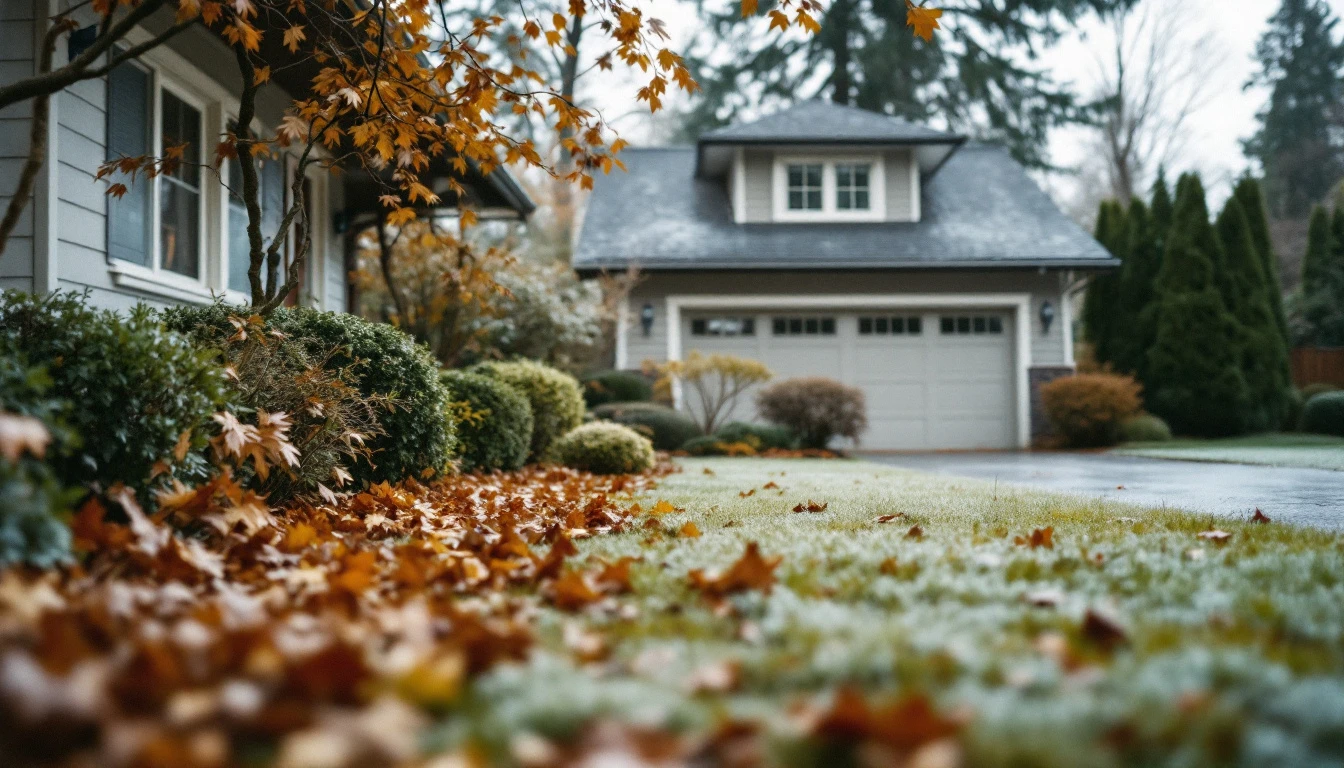
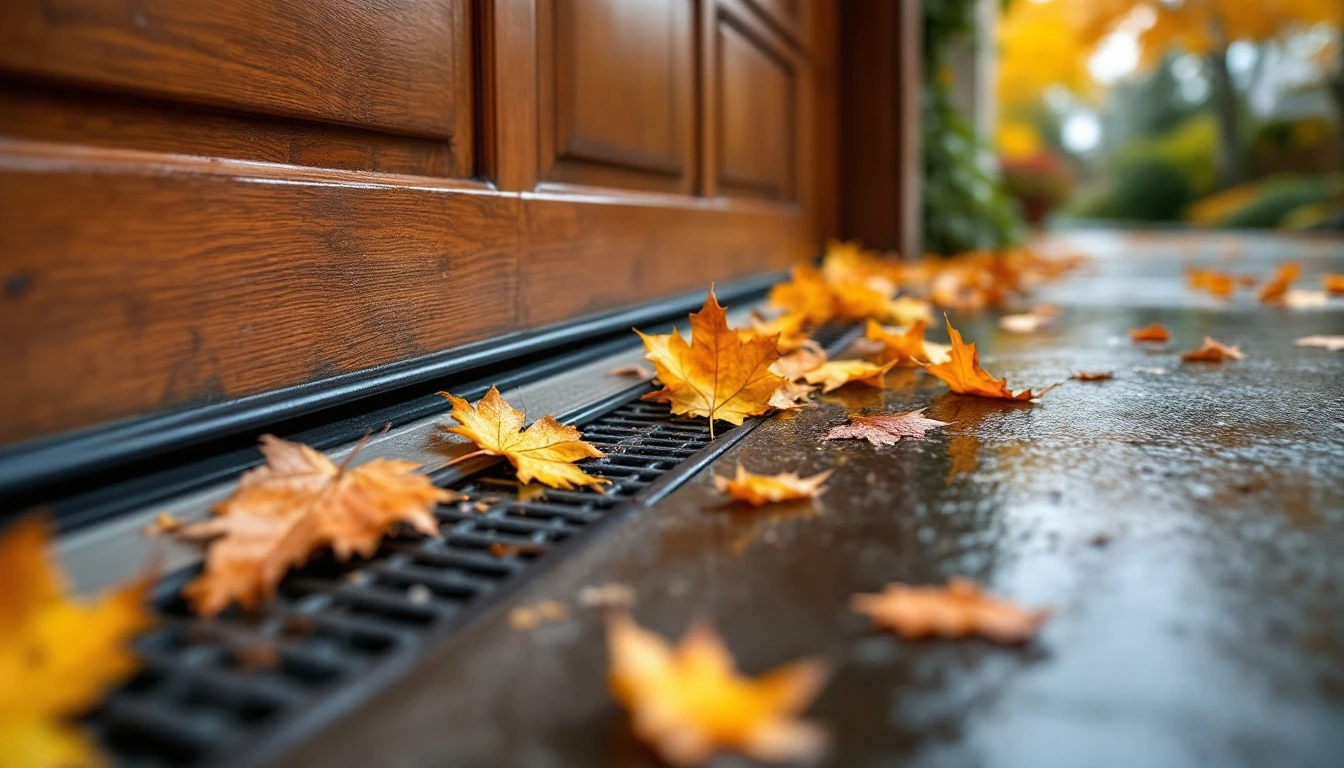
Vancouver’s wet winters create unique challenges for garage door systems in newer subdivisions along the I-205 corridor. Spring garage maintenance in Vancouver WA becomes essential because unlike older, simpler garage doors that allowed air circulation, today’s insulated and sealed systems trap moisture inside panels and weatherstripping. This trapped condensation combines with freeze-thaw cycles to accelerate rust on springs, corrosion on metal tracks, and deterioration of panel materials.
Modern subdivisions in Battle Ground, Ridgefield, and eastern Vancouver feature tightly sealed garage doors designed for energy efficiency. While this insulation helps with climate control, it also creates pockets where winter moisture accumulates. When temperatures drop below freezing and then warm up during the day, this cycle weakens metal components and compromises the structural integrity of panels.
Spring offers the critical window to identify and repair winter damage before summer heat arrives. April and May provide ideal conditions to inspect your system while professional response times remain manageable. Once temperatures climb and emergency calls spike in June and July, repair costs increase and scheduling becomes difficult.
Addressing moisture damage now prevents minor issues from becoming expensive emergency repairs during peak season.
Five Essential Spring Maintenance Tasks for Your Garage
Spring offers Vancouver homeowners the perfect window to address winter moisture damage before summer heat arrives and repair crews face peak-season scheduling delays. These five targeted maintenance tasks protect modern garage systems from corrosion and mechanical wear caused by Pacific Northwest wet-season conditions, preventing costly emergency calls during the busy summer months ahead.
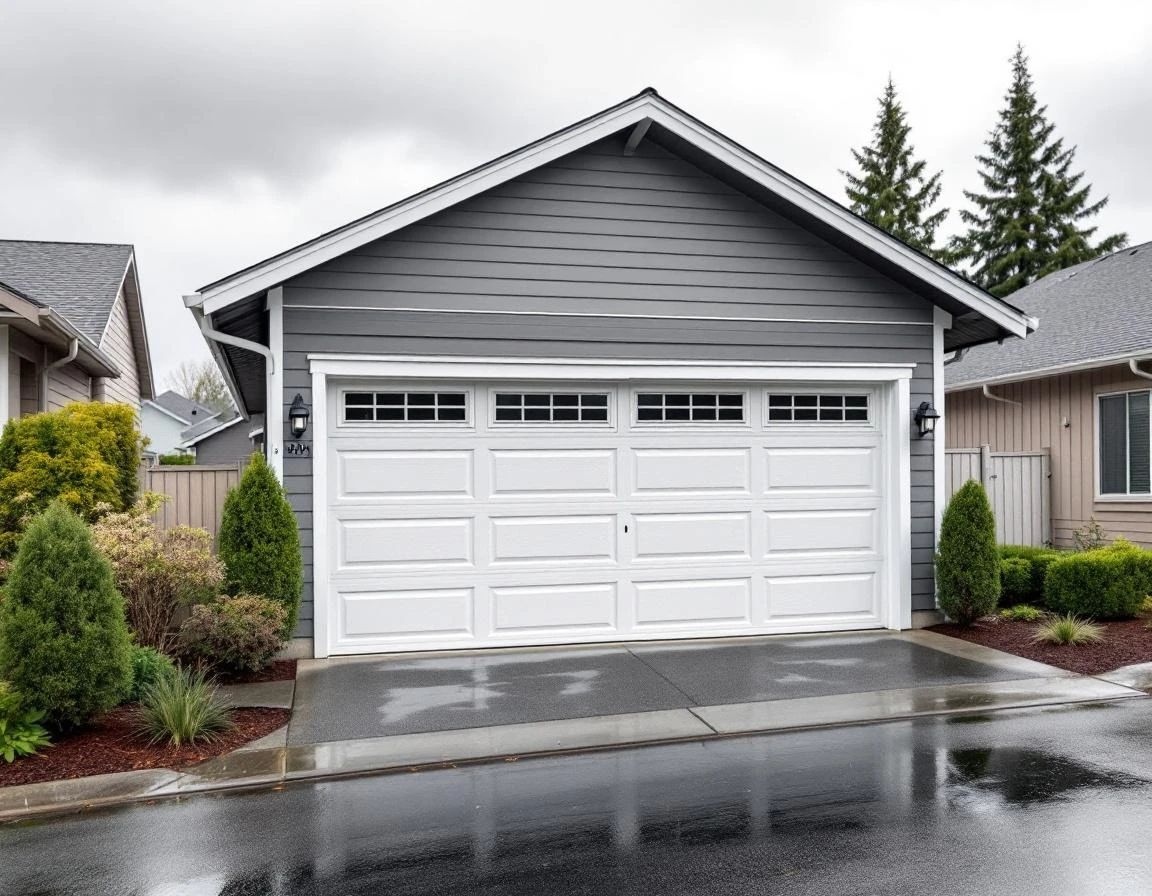
Task 1: Inspect door panels, weatherstripping
Start your spring garage maintenance by examining door panels for moisture damage. Vancouver’s wet winters can cause rust spots, peeling paint, or water stains on steel and wood doors. Check weatherstripping along all four edges of each door panel—this rubber seal prevents water intrusion but degrades over time. Look for cracks, gaps, or sections that have pulled away from the door frame.
Next, clean and lubricate your garage door’s moving parts. Apply silicone-based lubricant to springs, rollers, hinges, and tracks. This prevents rust from forming on metal components and stops binding that can strain your opener motor. Pay special attention to hinges where panels connect—moisture often accumulates here in modern insulated doors.
Finally, test your safety sensors and auto-reverse functionality. Place a roll of paper towels in the door’s path and close it using your opener. The door should reverse immediately when it contacts the object. Also test the photoelectric sensors by breaking the beam while closing—the door should stop and reverse. These safety features protect your family and prevent property damage, but they need regular verification to work reliably when you need them most.
Task 4: Check garage temperature and humidity
Modern garage systems in I-205 corridor homes perform best when temperature and humidity stay within specific ranges. Before summer heat arrives, use a simple hygrometer to check humidity levels in your garage. Improved readings indicate excess moisture that can damage opener electronics and accelerate metal corrosion.
Look for condensation sources like poorly ventilated spaces or gaps where warm indoor air meets cold garage surfaces. This moisture creates the perfect environment for rust on springs and tracks. If you notice persistent condensation, improve ventilation or seal air leaks between your home and garage.
Task 5 focuses on your opener system. Test the wall button, remote controls, and smartphone app functionality now, before summer when repair wait times stretch longer. Check your battery backup system by disconnecting power and confirming the door opens smoothly. Replace backup batteries every two to three years to maintain reliable emergency operation during power outages.
Spring vs Summer Professional Response Times
Across Vancouver and the I-205 corridor, May through June brings a dramatic spike in garage door emergency calls. Homeowners discover problems they ignored during winter suddenly become urgent when daily garage use increases and summer heat intensifies existing damage. What might have been a simple spring maintenance task transforms into an expensive emergency repair during the busiest season of the year.
The business reality is simple: garage door professionals experience exponential demand increases from June through August. A service call that takes two to three days to schedule in April or May stretches to two to four weeks by mid-July.
For homeowners in newer subdivisions where the garage functions as the primary entry point, this wait time means parking outside, losing climate-controlled storage access, and compromising home security.
Spring maintenance represents a strategic choice to sidestep the rush entirely. Completing your five maintenance tasks in April or early May means systems run smoothly during peak residential activity season. If you do need professional help, you’ll get timely appointments and avoid the premium pricing that often accompanies emergency summer repairs.
Modern vs Older Garage System Differences
If your home in one of the I-205 corridor subdivisions was built in the last fifteen years, your garage door system differs fundamentally from older neighborhood installations. Newer doors feature insulated panels with weather seals that create airtight barriers. While older doors typically use lightweight, single-layer construction that allows air circulation. This design difference changes everything about seasonal garage maintenance schedules.
Modern systems include electronic sensors, WiFi-enabled openers, and battery backup features that older mechanical systems lack entirely. These electronics fail when exposed to humidity trapped by those same insulated panels. Older systems rely on simple chain or screw drives without circuit boards vulnerable to moisture corrosion.
Your spring maintenance priorities should reflect these differences. Focus on humidity control and electronics protection if you own a modern system. If you have an older garage door, prioritize cable inspection for fraying, spring tension verification, and mechanical lubrication instead. The physical mechanics matter more when there are no sensors to protect.
DIY vs Professional Assessment Checklist
Modern garage door systems in newer I-205 corridor subdivisions include high-tension springs and sensitive electronics that make DIY boundaries critical for safety. While homeowners can handle many spring maintenance tasks, understanding what requires professional help protects both your safety and your wallet.
Safe DIY Maintenance Tasks
- Visual inspections of door panels, tracks, weatherstripping, and opener functionality
- Basic cleaning and lubrication with correct products designed for modern systems
- White lithium grease for rollers and silicone spray for tracks to prevent moisture damage
When to Call Garage Harmony
- Spring tension adjustment, sensor calibration, and electrical diagnostics
- Rust on springs, water damage inside panels, or corrosion on cables
- Panel replacement and moisture damage restoration
Consider the math: investing in DIY inspection supplies and preventive cleaning costs far less than facing an emergency repair bill from skipped spring maintenance. When you spot damage during your inspection, professional intervention prevents minor issues from becoming summer emergencies.

When to Schedule Professional Spring Service
Schedule your spring inspection by mid-May to avoid the June through July backlog. If you noticed winter condensation, water stains on panels, or slower door operation during cold months, those symptoms signal hidden moisture damage that deserves attention before summer heat amplifies the problem.
A typical spring service visit takes one to two hours, with costs ranging from $150 to $400 depending on repairs needed. That investment catches issues while they’re manageable, not after they’ve become emergency failures. Free spring inspections from Vancouver Garage Specialists identify moisture damage invisible during winter months.
Spring garage maintenance makes the difference between a reliable summer and a costly emergency. Contact us today to book your appointment while May slots remain available.